Best Dog Food for Dogue de Bordeaux in 2026Based on Nutritional Science
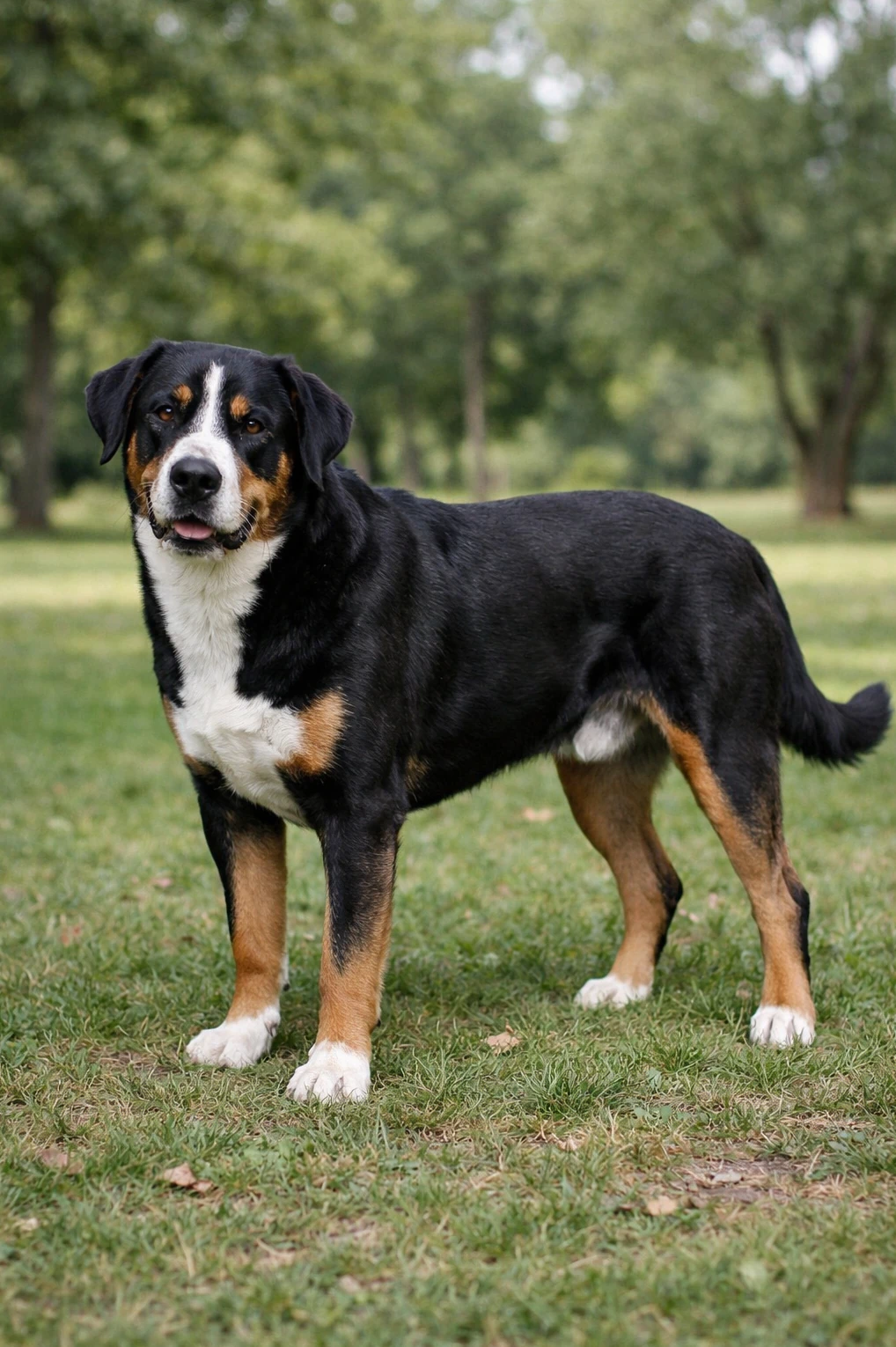
Sturdy Dogue de Bordeaux males stand about 23.27 inches and often weigh 110 pounds or more. Devoted, bold, and loving, they need balanced, calorie-aware nutrition. Nutritional Verdict: rich protein, controlled fats.

Understanding the Dogue de Bordeaux Metabolism and Energy Needs
As a former guardian and draft companion, this large, muscular dog needs a diet that supports strength and steady endurance. Their steadfast, brave, and tender nature means they stay close to family but still require fuel for strong efforts and daily mobility.
A menu focused on high quality animal protein helps preserve dense muscle and speeds recovery after activity. Moderate healthy fats provide concentrated calories for low to moderate activity levels and promote healthy skin and a glossy coat. Controlled carbohydrates from whole grains or vegetables supply slow-release energy and support digestion without encouraging excess weight.
Because heavy-boned dogs are prone to joint strain, supplements like glucosamine, chondroitin and omega-3 fatty acids help reduce inflammation and protect cartilage. Monitor calories as they age and balance calcium and phosphorus during growth to support sound bones. Regular portioning and gentle exercise keep their frame trim and mobile for years of close companionship.
Managing Dogue de Bordeaux Genetic Health Risks Through Nutrition
Dogue de Bordeaux Feeding & Calorie Calculator
Estimated Daily Calories
Tip: Start with this amount and adjust after 2–3 weeks based on your dog's body condition and weight trend.
This estimate provides a starting point for feeding. Individual calorie needs may vary depending on metabolism, body condition, and health status. Always monitor your dog's weight and consult your veterinarian when adjusting diet.
Foods and Ingredients to Avoid for Dogue de Bordeaux Dogs
Dogue de Bordeaux are large, heavy dogs that gain weight easily, and excess dietary fat can push them into unhealthy weight range.
High-fat treats, greasy table scraps, and fatty cuts of meat increase the risk of obesity and put extra stress on joints and the spine.
Too much fat can also trigger pancreatitis, which is painful and serious.
For this breed, stick to lean protein sources and controlled portions to protect joints and keep their weight steady.
While this breed has a powerful jaw, cooked bones can splinter and cause choking, mouth injuries, or intestinal perforation.
Large bone fragments from table scraps or gift bones are especially risky because they can lodge or tear the digestive tract.
Avoid all cooked bones and supervise any chew that could break into sharp pieces.
If you want to offer a chew, choose vet-recommended, size-appropriate options designed for giant breeds to reduce hazards.
Processed meats, salty snacks, and high-sodium broths can contribute to hypertension and aggravate heart problems in big breeds.
Dogue de Bordeaux can be prone to cardiac issues, and extra salt adds unnecessary strain on the cardiovascular system and kidneys.
Keep sodium low by avoiding deli meats, bacon, and salty human foods, and choose fresh, minimally processed dog foods.
Always check labels and pick recipes formulated for large breed heart and kidney health.
Grain-free diets that rely heavily on peas, lentils, or other legumes have been linked to an increased risk of dilated cardiomyopathy in some dogs.
Large breeds like the Dogue de Bordeaux may be more vulnerable to diet-related heart problems when diets are unbalanced or overly dependent on these ingredients.
Be cautious with grain-free formulas that list legumes as main protein or carbohydrate sources.
Discuss diet choices with your veterinarian and consider balanced formulas developed for large breeds with guaranteed taurine and nutrient levels.
This breed can develop skin sensitivities and food intolerances, and artificial additives may trigger itchiness, digestive upset, or allergic reactions.
Ingredients like BHA, BHT, certain dyes, and artificial flavorings offer no nutritional benefit and can make existing sensitivities worse.
Choose foods preserved naturally or with minimal, recognizable ingredients. A simpler ingredient list can help you spot potential triggers and keep your dog’s coat and skin healthier.
Foods such as chocolate, grapes and raisins, onions, garlic, and anything containing xylitol are dangerous for all dogs, including the Dogue de Bordeaux.
Due to their size they may eat larger quantities at once, which can lead to severe poisoning, hypoglycemia, or liver damage depending on the toxin.
Keep human treats out of reach and educate family and guests about these risks. If accidental ingestion occurs, contact your veterinarian or emergency clinic right away.
How Nutritional Needs Change Throughout the Dogue de Bordeaux Life Stages
Dogs have changing nutritional needs as they move from puppyhood to adulthood and into their senior years. For a giant, powerful breed like the Dogue de Bordeaux these needs are strongly shaped by a rapid early growth phase, their steady but not hyperactive energy level, and common tendencies toward joint and cardiac concerns. Matching calories, protein, and key nutrients to each stage helps protect developing bones, maintain muscle, and support long term comfort and health.
| Life Stage | Age Range | Primary Objective | Key Nutrient Focus |
|---|---|---|---|
| Puppy | 0–18 months | controlled skeletal development, immune support, brain development | DHA, balanced calcium/phosphorus, high-quality protein |
| Adult | 1.5–5 years | lean muscle maintenance and sustained energy | high-quality protein, omega-3 fatty acids, fiber |
| Senior | 5+ years | joint mobility, metabolic health, and cognitive support | glucosamine, chondroitin, antioxidants, lower calories |
Dogue de Bordeaux puppies grow quickly and need nutrition that supports steady, controlled development rather than accelerated weight gain. Feed smaller, frequent meals to help steady blood sugar and reduce the chance of digestive upset, while monitoring growth to avoid excess weight that stresses developing joints.
Focus on high quality, digestible protein to build muscle, and maintain balanced calcium and phosphorus for healthy skeletal formation. Because this giant breed is prone to joint and cardiac issues, work with your veterinarian before adding supplements and avoid overfeeding calories or calcium, which can worsen orthopedic risk.
As adults, Dogue de Bordeaux need diets that preserve lean muscle and provide steady energy without excess calories. Aim for moderate to high quality protein, controlled fat for energy, and a calorie level matched to their activity, since this breed tends to be affectionate and moderately active rather than highly energetic.
Routine portion control and feeding twice daily helps prevent weight gain and can reduce bloat risk. Include nutrients that support joint health and heart wellness, such as omega 3 fatty acids and antioxidants, and schedule regular weight and cardiac checks with the veterinarian to fine tune intake.
With age, metabolism often slows and mobility can decline for a Dogue de Bordeaux, while digestion may become less efficient. Seniors benefit from highly digestible proteins to maintain muscle, possible reductions in calories if activity falls, and increased fiber to support regular gut health.
Joint support through omega 3s, glucosamine and chondroitin, along with antioxidant support like vitamin E, can help mobility and overall resilience. Work closely with your veterinarian to adjust portions, consider therapeutic senior formulas if needed, and monitor weight and cardiac health more frequently.
Kibble vs Fresh vs Raw for Dogue de Bordeaux
Different feeding approaches suit different lifestyles and health needs, and that is true for the Dogue de Bordeaux.
This large, short-nosed breed benefits from choices that support joints, weight control, and simple daily routines.
Pros
- Convenient to portion for busy owners feeding a large Dogue de Bordeaux.
- Many large-breed formulas include joint support like glucosamine for cartilage health.
- Shelf-stable and easy to store, which helps when buying in bulk.
- Crunching kibble can aid mild plaque reduction and oral freshness.
Cons
- Can be calorie-dense, risking weight gain in moderately active Dogues.
- Some formulas use fillers or low-quality ingredients that offer little nutrition.
- Low moisture can be an issue if your dog struggles with hydration.
- Portion control can be tricky for a food-motivated, heavy-boned breed.
Pros
- Highly palatable, often tempting even picky or low-energy Dogues.
- High moisture content supports hydration and gentler digestion.
- You can pick ingredients to manage weight, allergies, or sensitivities.
- Easy to adjust calories and protein for joint and weight management.
Cons
- More expensive and time-consuming than kibble for a very large dog.
- Requires careful planning or supplements to ensure complete large-breed nutrition.
- Needs refrigeration and daily prep, which can be a routine burden.
- Won't provide the same abrasive cleaning effect on teeth as kibble.
Pros
- High in fresh protein, which can support lean muscle.
- Some owners report improved coat condition and vitality.
- Full control over ingredients, useful for known food sensitivities.
- Portions and fat content can be tailored to avoid excess weight.
Cons
- Higher risk of bacterial contamination, demanding strict hygiene and handling.
- Raw bones can splinter, posing choking or gastrointestinal injury risks.
- Time-consuming and often more expensive than commercial diets.
- Needs veterinary guidance to balance calcium, vitamins, and minerals for big breeds.
| Diet Type | Pros for Dogue de Bordeaux | Potential Downsides |
|---|---|---|
| High-Quality Kibble |
|
|
| Fresh Cooked Food |
|
|
| Raw Diet (BARF) |
|
|
Our Recommendation
For many Dogue de Bordeaux owners, high-quality large-breed kibble or balanced fresh-cooked meals offer the best blend of convenience and joint support.
A raw (BARF) approach can work, but only with veterinary guidance, strict hygiene, and careful balancing.
See Also
Breeds with similar group, size, and coat characteristics