Best Dog Food for Greater Swiss Mountain Dog in 2026Based on Nutritional Science
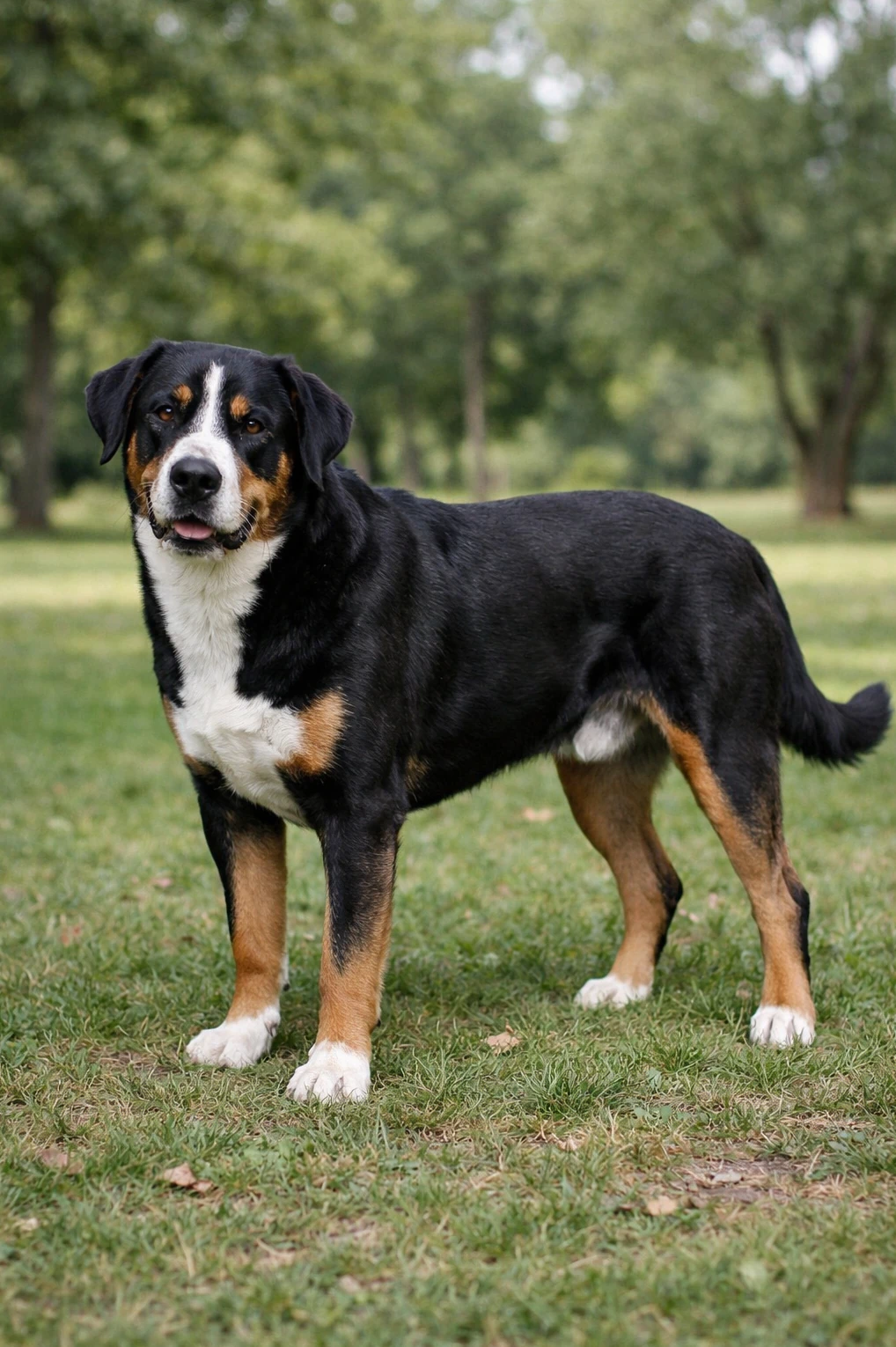
Big and sturdy at about 25.5-28.5 inches tall and 115-140 pounds, this gentle giant is loyal, people-loving, and steady. Nutritional verdict: high-quality, calorie-rich food with joint support keeps them thriving.
Understanding the Greater Swiss Mountain Dog Metabolism and Energy Needs
As a large Swiss draft dog bred to haul carts and help on farms, this type of canine combines steady power with a calm, people-focused temperament. That history means it needs a diet that supports strong muscles and slow-burn energy, while protecting joints and maintaining a thick, healthy coat.
Aim for higher quality protein to preserve lean mass and support the heavy skeletal frame, along with moderate calories from fats to fuel long, steady activity. Complex carbohydrates and soluble fiber help steady digestion without excess weight. Joint-support nutrients like glucosamine and chondroitin, plus omega-3 fatty acids for inflammation control and skin health, are especially helpful. During growth, controlled levels of calcium and phosphorus prevent skeletal stress. Practical food choices include lean red meat and poultry, oily fish or fish oil, whole grains or vegetables for fiber, and targeted joint supplements.
Managing Greater Swiss Mountain Dog Genetic Health Risks Through Nutrition
Hip Dysplasia
Helpful nutrients
Elbow Dysplasia
Helpful nutrients
Osteoarthritis and Age-Related Joint Wear
Helpful nutrients
Bloat (Gastric Dilatation-Volvulus)
Helpful nutrients
Obesity
Helpful nutrients
Eye Health Concerns (eg progressive retinal issues)
Helpful nutrients
Greater Swiss Mountain Dog Feeding & Calorie Calculator
Estimated Daily Calories
Tip: Start with this amount and adjust after 2–3 weeks based on your dog's body condition and weight trend.
This estimate provides a starting point for feeding. Individual calorie needs may vary depending on metabolism, body condition, and health status. Always monitor your dog's weight and consult your veterinarian when adjusting diet.
Foods and Ingredients to Avoid for Greater Swiss Mountain Dog Dogs
Greater Swiss Mountain Dogs are large and carry a lot of weight, so high-fat foods and fatty table scraps can quickly lead to unwanted weight gain and put extra stress on hips and knees.
Fatty meals also raise the chance of pancreatitis, which can be serious and sudden in big dogs.
Keeping treats and meals lower in fat, and offering lean protein and controlled portions, helps protect joints and keeps your dog comfortable and active for years.
Giant-breed puppies are especially sensitive to too many calories and excess calcium, which can speed growth and contribute to developmental orthopedic problems like hip and elbow dysplasia.
Avoid free-feeding, adult formulas for puppies, and giving extra calcium supplements unless directed by your veterinarian.
Choose a balanced, large-breed puppy diet formulated to slow growth and talk with your vet about the right caloric plan, so bones and joints develop steadily and safely.
Deep-chested breeds like the Greater Swiss Mountain Dog have a higher risk of gastric dilatation and volvulus, often called bloat, which can be life threatening.
Feeding one very large meal, allowing vigorous activity right after eating, or fast gulping of food can increase that risk.
Serve two or three measured meals a day, use a slow-feeder bowl or puzzle to reduce gulping, and avoid heavy exercise for an hour or so before and after meals to help lower the chance of bloat.
While chewing can be great for dental health and happiness, raw bones and very hard chews can splinter, cause intestinal blockages, or break teeth, especially in a powerful chewer this size.
Raw diets also carry bacterial risks that can affect both dog and household members.
Opt for vet-recommended, appropriately sized chews and supervise chew time, and check with your vet before introducing raw bones or an entirely raw feeding plan.
Some grain-free formulas that replace grains with high levels of peas, lentils, or chickpeas have been linked to heart concerns in dogs, particularly diets relied on as the main source of carbohydrates.
Large breeds may be more vulnerable to subtle nutrient imbalances that affect heart function over time.
If choosing a grain-free option, look for balanced recipes from reputable manufacturers and discuss cardiac-safe formulations with your veterinarian, including appropriate taurine and amino acid profiles.
Several everyday human foods are toxic to dogs regardless of size, and a large dog might eat more at once which can make the effects worse.
Chocolate, grapes and raisins, xylitol-sweetened items, onions, garlic, macadamia nuts, and alcohol should be kept far out of reach and never offered as treats.
Keep human snacks off counters and tables, teach family members and guests about these dangers, and contact your vet or an emergency clinic immediately if ingestion is suspected.
How Nutritional Needs Change Throughout the Greater Swiss Mountain Dog Life Stages
Greater Swiss Mountain Dogs have changing nutritional needs as they move from puppyhood to adulthood and into their senior years. Growth rate, activity level, and common breed tendencies shape how much and what kind of food they need. Giant size, steady working energy, and a tendency toward joint stress mean nutrition must support healthy growth, sustained muscle, and later joint care.
| Life Stage | Age Range | Primary Objective | Key Nutrient Focus |
|---|---|---|---|
| Puppy | 0–18 months | controlled skeletal development, immune support, brain development | DHA, balanced calcium/phosphorus, high-quality protein |
| Adult | 1.5–5 years | lean muscle maintenance and sustained energy | high-quality protein, omega-3 fatty acids, fiber |
| Senior | 5+ years | joint mobility, metabolic health, and cognitive support | glucosamine, chondroitin, antioxidants, lower calories |
Greater Swiss Mountain Dog puppies go through an extended, rapid growth phase that places special demands on their bones and joints. For giant breeds, steady, controlled growth is safer than fast weight gain, so a diet formulated for large or giant breed puppies helps maintain the right calcium to phosphorus balance and avoids excess calories. Feed smaller, measured meals three to four times a day while they are growing, this lowers bloat risk and keeps energy steady.
Focus on high quality protein for muscle development, adequate fat for energy, and nutrients that support skeletal health, such as controlled calcium, phosphorus, vitamin D, and a source of omega 3 fatty acids like DHA for brain and retinal development. Monitor weight, limit high impact exercise, and consult your veterinarian before adding joint supplements, since Greater Swiss Mountain Dogs can be prone to hip and elbow concerns.
As adult Greater Swiss Mountain Dogs reach their full size, nutrition shifts from growth to maintenance, focusing on keeping strong muscles and steady energy. A diet with high quality protein and moderate healthy fats helps preserve lean mass without adding extra calories. Feeding twice a day fits many family routines and helps lower bloat risk.
Portion sizes should match activity level, because these dogs are family oriented but have a steady working past, so active dogs need more calories and calmer pets need less. Include joint supporting ingredients and omega 3 fatty acids to support mobility and reduce inflammation. Regular body condition checks and modest treats help prevent obesity, which can worsen hip and elbow stress.
As Greater Swiss Mountain Dogs enter their senior years, metabolism often slows while joint wear and digestive sensitivity increase. Calorie needs commonly drop, so reduce portion size or choose a lower calorie yet nutrient dense formula to maintain healthy weight and muscle. Offer two smaller meals to ease digestion and reduce bloat risk.
Support mobility with diets higher in joint supporting nutrients such as glucosamine and chondroitin and anti inflammatory omega 3 fatty acids. Antioxidants like vitamin E and beta carotene help cell health, and high quality, highly digestible protein preserves muscle. Work with your veterinarian to adjust calories, monitor kidney and joint health, and consider tailored supplements for arthritis or stiffness.
Kibble vs Fresh vs Raw for Greater Swiss Mountain Dog
When choosing a feeding model for your Greater Swiss Mountain Dog, consider its large size, steady activity, and family-centered lifestyle.
Different feeding approaches fit different time, budget, and health needs.
Pros
- Convenient and easy to measure for large portions, helpful for busy family routines.
- Formulas for large breeds support joint health and controlled calorie delivery.
- Long shelf life reduces waste during irregular feeding schedules.
- Dry kibble helps keep teeth cleaner through consistent chewing.
Cons
- Lower moisture content can be a problem for dogs that drink little.
- Some brands have fillers that add unnecessary calories and weight.
- Large breed puppies need specially formulated kibble to avoid rapid growth.
- Fast eating of dry kibble can raise bloat risk in deep chested dogs.
Pros
- Highly palatable, often enjoyed by dogs with sensitive appetites.
- High moisture supports hydration and kidney health for large breeds.
- You control ingredient quality and portion sizes based on activity.
- Easier to include joint supporting nutrients like glucosamine and chondroitin.
Cons
- More time consuming to prepare and store for a large dog.
- Cost can add up when feeding a big breed daily.
- Needs careful balancing to avoid calcium and vitamin imbalances.
- Shorter shelf life means frequent shopping or freezing portions.
Pros
- High protein and minimal processing appeals to some owners and dogs.
- Some owners report improved coat condition and energy levels.
- Can be tailored to large breed growth and activity needs.
- Allows close control of protein and fat for working or active dogs.
Cons
- Higher risk of bacterial contamination requires strict hygiene and handling.
- Feeding whole bones can risk intestinal blockage or tooth fractures.
- Harder to ensure consistent nutrient balance without veterinary guidance.
- Can be costly and time intensive for a large breed household.
| Diet Type | Pros for Greater Swiss Mountain Dog | Potential Downsides |
|---|---|---|
| High-Quality Kibble |
|
|
| Fresh Cooked Food |
|
|
| Raw Diet (BARF) |
|
|
Our Recommendation
For most Greater Swiss Mountain Dogs, a high-quality large-breed kibble provides reliable nutrition, convenience, and joint support for busy families.
Owners with time and budget may prefer fresh cooked meals, while raw diets need experienced handling and veterinary advice to be safe for this big, deep chested breed.
See Also
Breeds with similar group, size, and coat characteristics