Best Dog Food for Anatolian Shepherd Dog in 2026Based on Nutritional Science
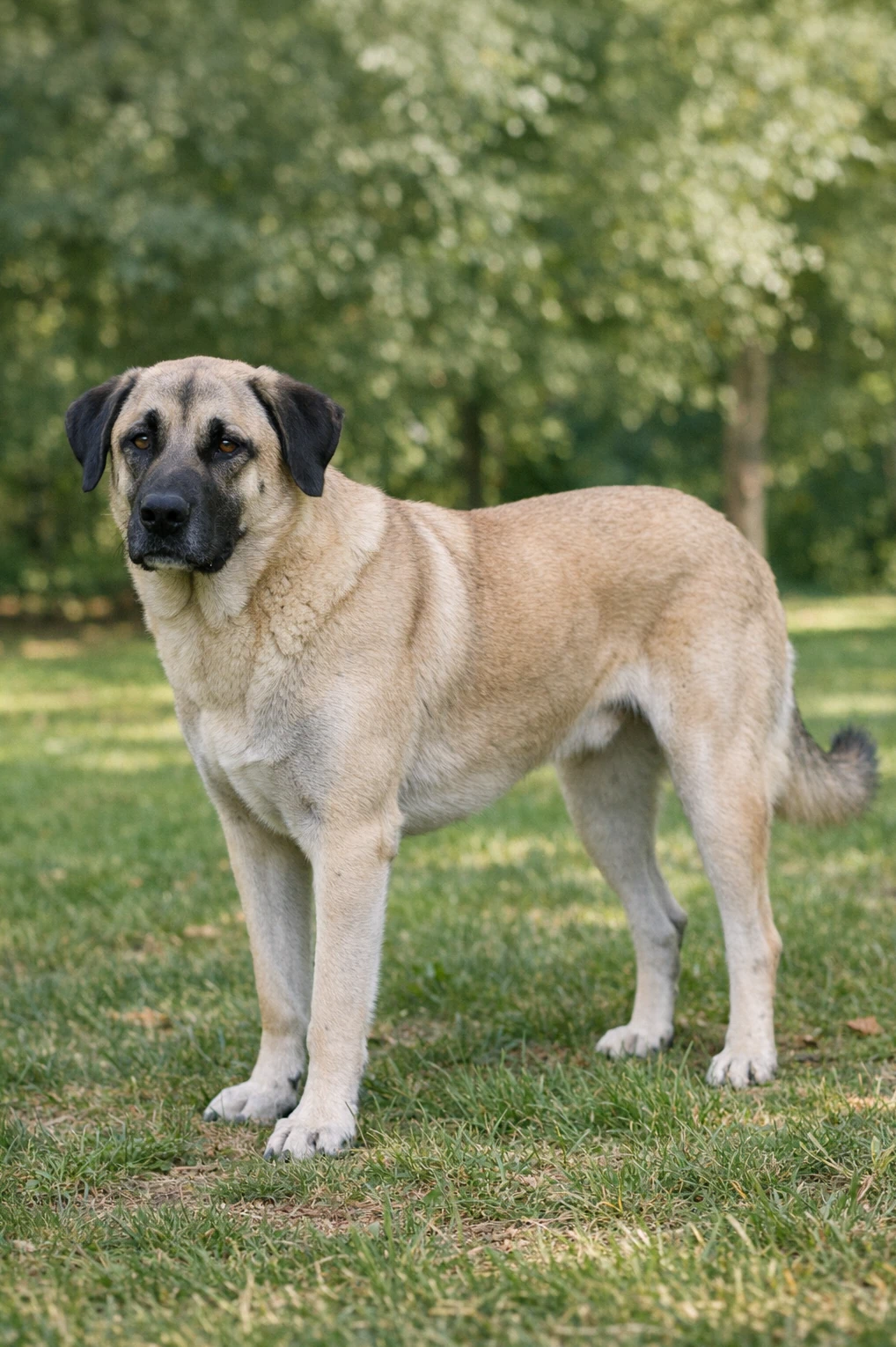
Large and powerful at about 29 inches tall and 110-150 pounds, this guardian is aloof, self-reliant, and devoted. Nutritional verdict: high-quality, calorie-dense, joint-supporting diet for steady energy and strong bones.
Understanding the Anatolian Shepherd Dog Metabolism and Energy Needs
As a large flock guardian bred to work alone and make on-the-spot decisions, this dog is stoic, self-reliant and deeply bonded to family. That history means a body built for endurance and power, so high-quality animal protein is essential to preserve strong muscles and maintain stamina during long hours of activity. Steady protein also supports immune function and helps keep lean mass as dogs age.
Concentrated fats supply long-lasting energy and help maintain a dense, weatherproof coat, while controlled carbohydrates prevent excess bodyweight that stresses growing joints. Supplements like glucosamine and chondroitin support hip and elbow health, and omega-3 fatty acids reduce inflammation and help cognitive calm. For youngsters, careful calcium and phosphorus balance and moderated calories reduce the risk of orthopedic issues. In short, higher protein, moderate to elevated healthy fats, sensible carbs and joint and omega support match this dog’s physical and mental needs.
Managing Anatolian Shepherd Dog Genetic Health Risks Through Nutrition
Anatolian Shepherd Dog Feeding & Calorie Calculator
Estimated Daily Calories
Tip: Start with this amount and adjust after 2–3 weeks based on your dog's body condition and weight trend.
This estimate provides a starting point for feeding. Individual calorie needs may vary depending on metabolism, body condition, and health status. Always monitor your dog's weight and consult your veterinarian when adjusting diet.
Foods and Ingredients to Avoid for Anatolian Shepherd Dog Dogs
Anatolian Shepherds are large, powerful dogs with a tendency to gain weight if given too many rich treats, so high-fat foods should be limited.
Excess fat increases the risk of obesity and can trigger pancreatitis, both of which make joint and heart strain worse for a dog of this size.
Stick to lean protein sources and measured treats to protect their weight and long-term mobility.
Deep-chested breeds like the Anatolian Shepherd are at higher risk for bloat, so feeding very large meals or letting them eat rapidly can be dangerous.
Fast intake of food and air increases the chance of gastric dilation and volvulus, a life-threatening emergency that often requires surgery.
Offer measured meals, consider a slow-feeding bowl if they inhale food, and spread calories across two or three daily feedings to reduce risk.
Avoid high amounts of fermentable carbohydrates, gas-producing foods, and sudden dietary changes, since these can contribute to bloating in a big, deep-chested dog.
Heavy, hard-to-digest meals, excessive water intake immediately before or after a meal, and overly rich table scraps may all raise the chance of gastric upset and distention.
Keep their diet consistent and easily digestible to help minimize the risk of bloat.
Large-breed puppies like Anatolian Shepherds need controlled calcium and calorie levels while growing, because too much can speed growth and stress developing bones and joints.
Overfeeding or giving supplements without guidance may increase the risk of hip and elbow problems later in life, especially given their heavy adult weight.
Use a formula labeled for large-breed growth and consult your veterinarian before adding supplements or extra-calorie foods.
Cooked bones splinter easily and can cause choking, mouth injuries, or internal punctures, which is a significant hazard for any large dog that chews enthusiastically.
Even seemingly safe chews that break into sharp fragments can damage teeth or the digestive tract, and swallowing large chunks can lead to obstruction.
Offer sturdy, vet-approved chew options sized appropriately for a big breed to satisfy chewing instincts safely.
Many common human foods are toxic to dogs and can be especially hard on a large dog that eats more per bite, so avoid chocolate, grapes and raisins, onions, garlic, and anything containing xylitol.
These items can cause vomiting, liver failure, hemolytic anemia, or dangerous drops in blood sugar, and effects may be severe even in large breeds.
Keep human snacks well out of reach and teach family members not to share table scraps.
How Nutritional Needs Change Throughout the Anatolian Shepherd Dog Life Stages
Anatolian Shepherds have changing nutritional needs from puppyhood through adulthood to senior years, because their large size, steady but extended growth, and guardian activity shape what they need to thrive. Puppies need careful growth management, adults need steady calories to support muscle and energy, and seniors often need joint-friendly, lower-calorie diets. Breed growth rate, activity level, and health tendencies all influence these choices.
| Life Stage | Age Range | Primary Objective | Key Nutrient Focus |
|---|---|---|---|
| Puppy | 0–18 months | controlled skeletal development, immune support, brain development | DHA, balanced calcium/phosphorus, high-quality protein |
| Adult | 1.5–5 years | lean muscle maintenance and sustained energy | high-quality protein, omega-3 fatty acids, fiber |
| Senior | 5+ years | joint mobility, metabolic health, and cognitive support | glucosamine, chondroitin, antioxidants, lower calories |
Anatolian Shepherd puppies grow into very large adults over a longer period than smaller breeds, so pace of growth matters. Feed a large-breed puppy formula that controls calories and has the right calcium to phosphorus ratio to support steady skeletal development, along with high quality protein for muscle and DHA for brain and vision development. Healthy fats, omega-3s, and adequate vitamins and minerals round out growth needs.
Because this breed can be active as a guardian, feed smaller, frequent meals, typically three to four times daily, to support steady energy and lower bloat risk. Avoid rapid weight gain, and discuss joint-support strategies with your vet, since big dogs benefit from monitored growth rates and periodic weight checks.
As adults, Anatolian Shepherds need a steady diet to maintain lean muscle and steady energy without excess weight that stresses joints. Aim for a balanced diet with high quality animal protein to support muscle, moderate fat for energy, and controlled calories tailored to activity level, since this large guardian may be restful most of the day with periods of patrol or play. Include omega-3s to support joint and skin health, and moderate fiber to help digestion.
Divide daily food into two meals to reduce bloat risk and help weight control. Monitor body condition regularly and adjust portions when activity changes, for example during breeding, heavy work, or seasonal exercise increases.
As Anatolian Shepherds age, metabolism often slows and mobility can decline, so calorie needs typically drop while the need for high quality, digestible protein rises to preserve muscle. Seniors may also have less efficient digestion, so choose formulas with highly digestible ingredients, added fiber for gut health, and concentrated nutrients to avoid overfeeding. Continue omega-3s and consider joint-support nutrients like glucosamine and chondroitin to help cartilage health.
Antioxidants such as vitamin E and beta-carotene support healthy aging and immune function. Work with your vet to adjust calories to keep a lean body condition, and check mobility and dental health regularly, since managing weight and comfort is key to an active, happy senior.
Kibble vs Fresh vs Raw for Anatolian Shepherd Dog
Different feeding models suit different lifestyles and dog needs.
For a large, independent Anatolian Shepherd, activity level and growth requirements help determine the best approach.
Pros
- Convenient and easy to portion for busy owners.
- Large breed formulas support joint health and controlled growth.
- Consistent, complete nutrition without daily recipe planning.
- Shelf-stable and reliable for guardian dogs in remote areas.
Cons
- Can be calorie-dense, leading to weight gain if activity is low.
- Some formulas include fillers or lower-quality proteins.
- Lower moisture content may require extra water or wet food.
- May not satisfy picky, independent eaters' preferences.
Pros
- Highly palatable, good for picky, independent eaters.
- Allows control over ingredients to prioritize joint and muscle support.
- High moisture helps hydration for big, working dogs.
- Easily adjusted for differing activity and weight needs.
Cons
- More expensive and time-consuming than kibble.
- Requires careful planning to ensure calcium and vitamin balance.
- Needs refrigeration and consistent meal prep routines.
- Inconsistent recipes can lead to nutritional gaps without vet guidance.
Pros
- Mimics ancestral diet, rich in whole proteins.
- Some owners report improved coat and energy in active dogs.
- Minimal processing preserves natural nutrients.
- Appealing for those who prefer whole-food feeding.
Cons
- Higher risk of bacterial contamination without strict hygiene.
- Raw bones can cause choking or dental fractures if mismanaged.
- Balancing calcium and phosphorus is critical, especially for growing giants.
- Often more expensive and requires veterinary oversight.
| Diet Type | Pros for Anatolian Shepherd Dog | Potential Downsides |
|---|---|---|
| High-Quality Kibble |
|
|
| Fresh Cooked Food |
|
|
| Raw Diet (BARF) |
|
|
Our Recommendation
For most Anatolian Shepherds, a high-quality large-breed kibble is a practical, balanced choice that supports joints and controlled growth.
Fresh cooked diets suit committed owners who can plan meals, while raw feeding requires strict hygiene and expert guidance.
See Also
Breeds with similar group, size, and coat characteristics