Best Dog Food for Neapolitan Mastiff in 2026Based on Nutritional Science
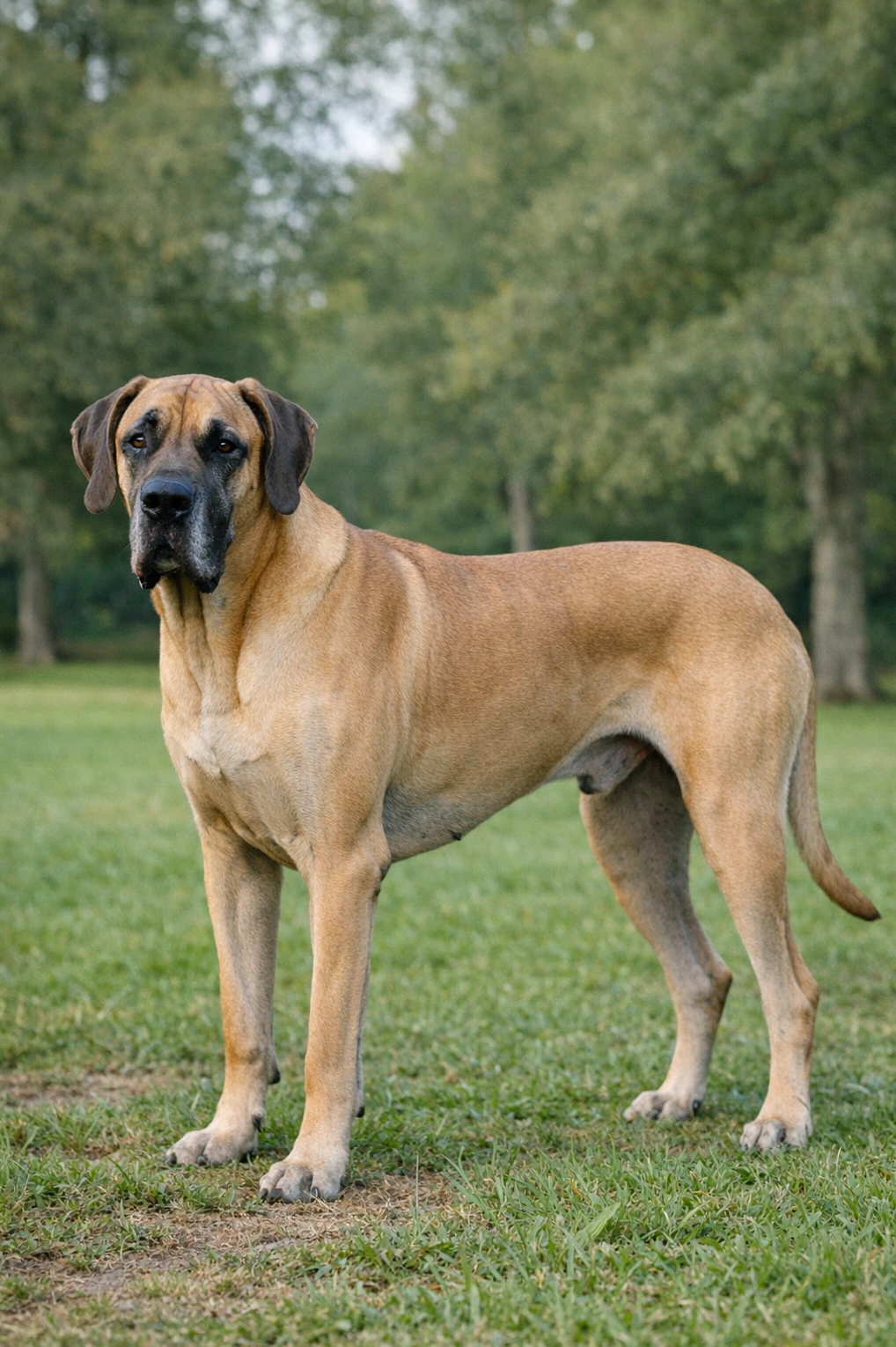
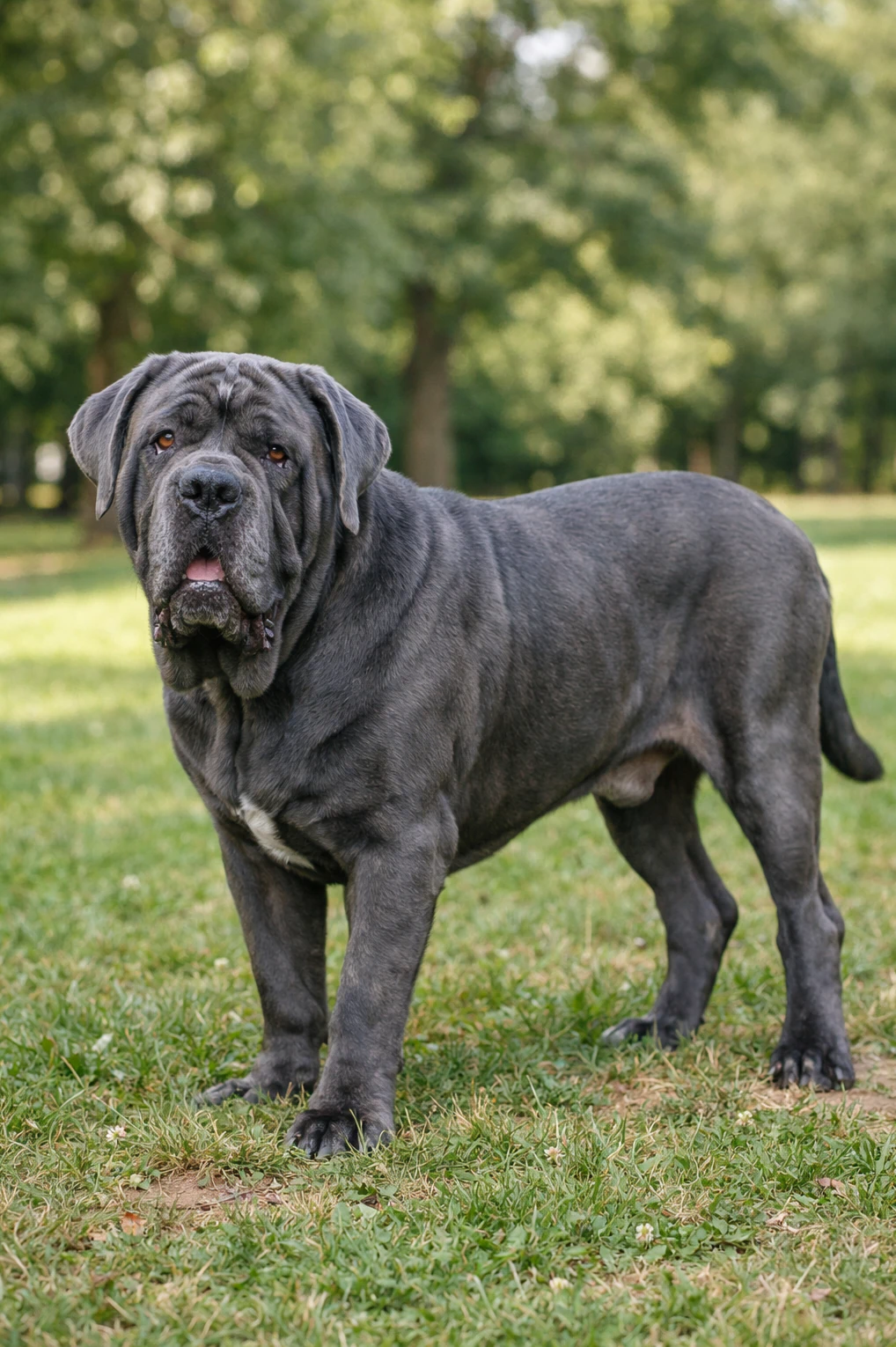
Stately and devoted, the Neapolitan Mastiff male stands about 26-31 inches tall and weighs roughly 150 pounds, showing a vigilant temperament. Nutritional verdict: calorie-dense, joint-supporting diet to preserve weight and mobility.
Understanding the Neapolitan Mastiff Metabolism and Energy Needs
As a large, regal guardian developed for protection and heavy work, this Mastiff-type dog carries substantial muscle and a lot of body mass, yet often prefers steady, low-intensity activity. That shape and lifestyle call for high-quality protein to preserve strong musculature, and careful control of growing calories to protect developing joints. Balanced minerals, particularly calcium and phosphorus, are important to support bone strength without encouraging too-rapid growth.
Healthy fats supply concentrated energy and support the thick skin and coat common to these dogs, so include omega-3s for their anti-inflammatory benefits and skin comfort. Carbohydrates should be modest and slow-burning to avoid excess weight and blood sugar swings.
Joint supplements like glucosamine and chondroitin, along with antioxidants and probiotics, help mobility, aging, and digestion. Smaller, more frequent meals and measured calories can lower bloat and obesity risk, keeping a devoted, vigilant companion happy and fit.
Managing Neapolitan Mastiff Genetic Health Risks Through Nutrition
Cherry Eye
Helpful nutrients
Bloat (Gastric Dilatation-Volvulus)
Helpful nutrients
Hip Dysplasia
Helpful nutrients
Rapid Growth and Developmental Bone Problems
Helpful nutrients
Neapolitan Mastiff Feeding & Calorie Calculator
Estimated Daily Calories
Tip: Start with this amount and adjust after 2–3 weeks based on your dog's body condition and weight trend.
This estimate provides a starting point for feeding. Individual calorie needs may vary depending on metabolism, body condition, and health status. Always monitor your dog's weight and consult your veterinarian when adjusting diet.
Foods and Ingredients to Avoid for Neapolitan Mastiff Dogs
Neapolitan Mastiffs do well on diets slightly higher in fat, but very high-fat foods and rich table scraps can be risky.
Excess fat increases the chance of pancreatitis and rapid weight gain, which puts extra stress on hips and joints in this heavy, giant breed.
Keep treats and human leftovers lean and occasional, and choose balanced commercial or veterinarian-approved home diets to provide healthy fats without overload.
Do not add calcium or bone meal supplements to a Neapolitan Mastiff puppy’s diet unless your veterinarian explicitly approves it.
Extra calcium can disrupt normal bone growth in giant breeds, increasing the risk of skeletal problems and joint issues like hip dysplasia.
Breeders and vets recommend avoiding additional calcium and relying on a properly formulated large-breed puppy food to support steady, healthy growth.
Although protein is essential, diets that are excessively high in protein and calories can encourage too-rapid growth in large-breed puppies.
Fast growth may contribute to joint and bone problems later in life, which is a real concern for heavy dogs with a predisposition to hip issues.
For young Neapolitans, aim for a balanced formula labeled for large or giant breeds, and consult your vet to match protein levels to your puppy’s growth stage.
Feeding large quantities of legumes or highly fermentable fibers can increase gas and stomach distension, which may raise the risk of bloat in deep-chested breeds like the Neapolitan Mastiff.
Bloat is an emergency, so it helps to avoid diets or high-volume treats that cause gastrointestinal swelling.
If you use legume-rich recipes or novel carbohydrate sources, introduce them slowly and watch for excess gas or discomfort, and always discuss major diet changes with your vet.
Common human foods like chocolate, grapes and raisins, onions, garlic, and products containing xylitol are toxic to dogs and should never be offered.
For a large, powerful breed the consequences can still be severe, and sweets or salty scraps can also contribute to pancreatitis and obesity.
Keep human snacks out of reach, check ingredient labels before sharing any food, and teach family members which items are unsafe to avoid accidental poisoning.
Heavy, weighty bones and very hard chews can fracture teeth, splinter, or cause choking and intestinal blockages in big dogs.
While Neapolitans have strong jaws, a broken tooth or an internal obstruction can lead to costly veterinary care and pain.
Opt for safer, appropriately sized chew toys and supervised treats, and avoid giving massive raw marrow bones or frozen weighty items without your vet’s advice.
How Nutritional Needs Change Throughout the Neapolitan Mastiff Life Stages
Neapolitan Mastiffs, like all dogs, have changing nutritional needs as they move from puppyhood to adulthood and then into their senior years. Growth rate, activity level, and breed-specific health tendencies, such as a tendency toward hip issues and bloat, influence calorie and nutrient requirements. Feeding should adapt to support healthy bone growth, stable energy, and graceful aging, with guidance from your veterinarian.
| Life Stage | Age Range | Primary Objective | Key Nutrient Focus |
|---|---|---|---|
| Puppy | 0–18 months | controlled skeletal development, immune support, brain development | DHA, balanced calcium/phosphorus, high-quality protein |
| Adult | 1.5–5 years | lean muscle maintenance and sustained energy | high-quality protein, omega-3 fatty acids, fiber |
| Senior | 5+ years | joint mobility, metabolic health, and cognitive support | glucosamine, chondroitin, antioxidants, lower calories |
Neapolitan Mastiff puppies grow on a stretched timeline, with rapid early weight gain but a prolonged period of skeletal maturation that lasts well into their second year. Because they are a giant breed, controlling the rate of growth is crucial to reduce stress on developing bones and joints. A diet formulated for large or giant breed puppies helps provide the correct calcium to phosphorus balance, along with adequate vitamin D for healthy bone mineralization.
Feed smaller, frequent meals, moving from three to four meals per day as young puppies toward two meals by late adolescence, to help steady blood sugar and lower bloat risk. Focus on high quality, easily digested protein, moderate healthy fats, and omega-3s such as DHA for brain and eye development, while avoiding excess calories that drive too-rapid growth. Always work with the breeder and veterinarian to tailor portions and timing to your pup's growth and activity level.
Adult Neapolitan Mastiffs need a diet that preserves lean muscle without adding unnecessary pounds, because excess weight stresses joints. Aim for high quality animal protein to support muscle mass, with moderate fat for steady energy, and a calorie level suited to a giant breed's slower metabolism. Controlled calorie density also helps protect against rapid weight gain that can worsen hip dysplasia.
Because this breed is dignified and watchful rather than highly active, tailor portions to actual activity, and include regular low-impact exercise like gentle walks to maintain muscle and cardiovascular health. Keep meals on a predictable schedule to reduce bloat risk, avoid vigorous activity right after eating, and check body condition often. Routine conversations with your veterinarian will help dial in the best maintenance plan.
As Neapolitan Mastiffs age they often experience a slower metabolism, reduced activity and changes in digestion that call for diet adjustments. Seniors may need fewer calories to prevent weight gain, while still receiving high quality, easily digested protein to preserve muscle mass. Gradually switching to a senior formula or adjusting portions can help meet changing needs, and adding gentle fiber can support consistent digestion.
Joint support becomes more important because of the breed's size and risk of hip dysplasia, so look for diets or supplements with glucosamine, chondroitin and omega-3 fatty acids to help maintain mobility. Antioxidants and moderate calorie control support overall health and immune function. Feed smaller, more frequent meals to ease digestion and lower bloat risk, and review any changes with your veterinarian.
Kibble vs Fresh vs Raw for Neapolitan Mastiff
When choosing a feeding approach for your Neapolitan Mastiff, size and health tendencies matter. Different feeding models suit different lifestyles, activity levels, and joint or bloat concerns.
Pros
- Formulated for large breeds with controlled calories and joint supplements.
- Convenient, easy to portion for a giant dog's needs.
- Dry kibble can encourage chewing and mild tartar reduction.
- Long shelf life, practical for busy owners of large dogs.
Cons
- Low moisture content may not suit dogs that drink little water.
- Some formulas include fillers or artificial additives.
- Free feeding risks obesity in this relatively low energy giant breed.
- Fast eaters need slow feeder bowls to help reduce bloat risk.
Pros
- Highly palatable, often loved by picky mastiffs.
- High moisture supports hydration and softer stools.
- You control ingredients, good for joint and weight management.
- Easier to avoid common kibble additives.
Cons
- More time consuming and costly than kibble.
- Requires careful balancing to avoid growth problems in large breed puppies.
- Needs refrigeration and planned meal prep.
- Without vet guidance, essential nutrients can be missed.
Pros
- High palatability and strong smell appeal to many mastiffs.
- Minimally processed proteins preserve natural nutrients.
- Can be tailored for joint and growth needs with expert guidance.
- Some owners report improved coat condition and energy.
Cons
- Higher bacterial contamination risk without strict hygiene.
- Bone pieces can be choking or cause internal injury.
- Imbalanced minerals risk developmental issues in growing giant pups.
- Requires vet supervision and careful sourcing of meat.
| Diet Type | Pros for Neapolitan Mastiff | Potential Downsides |
|---|---|---|
| High-Quality Kibble |
|
|
| Fresh Cooked Food |
|
|
| Raw Diet (BARF) |
|
|
Our Recommendation
For most Neapolitan Mastiffs, a high-quality large-breed kibble or a vet-balanced fresh cooked diet fits well.
Raw feeding can work but only with veterinary guidance, strict hygiene, and careful bone management.
See Also
Breeds with similar group, size, and coat characteristics