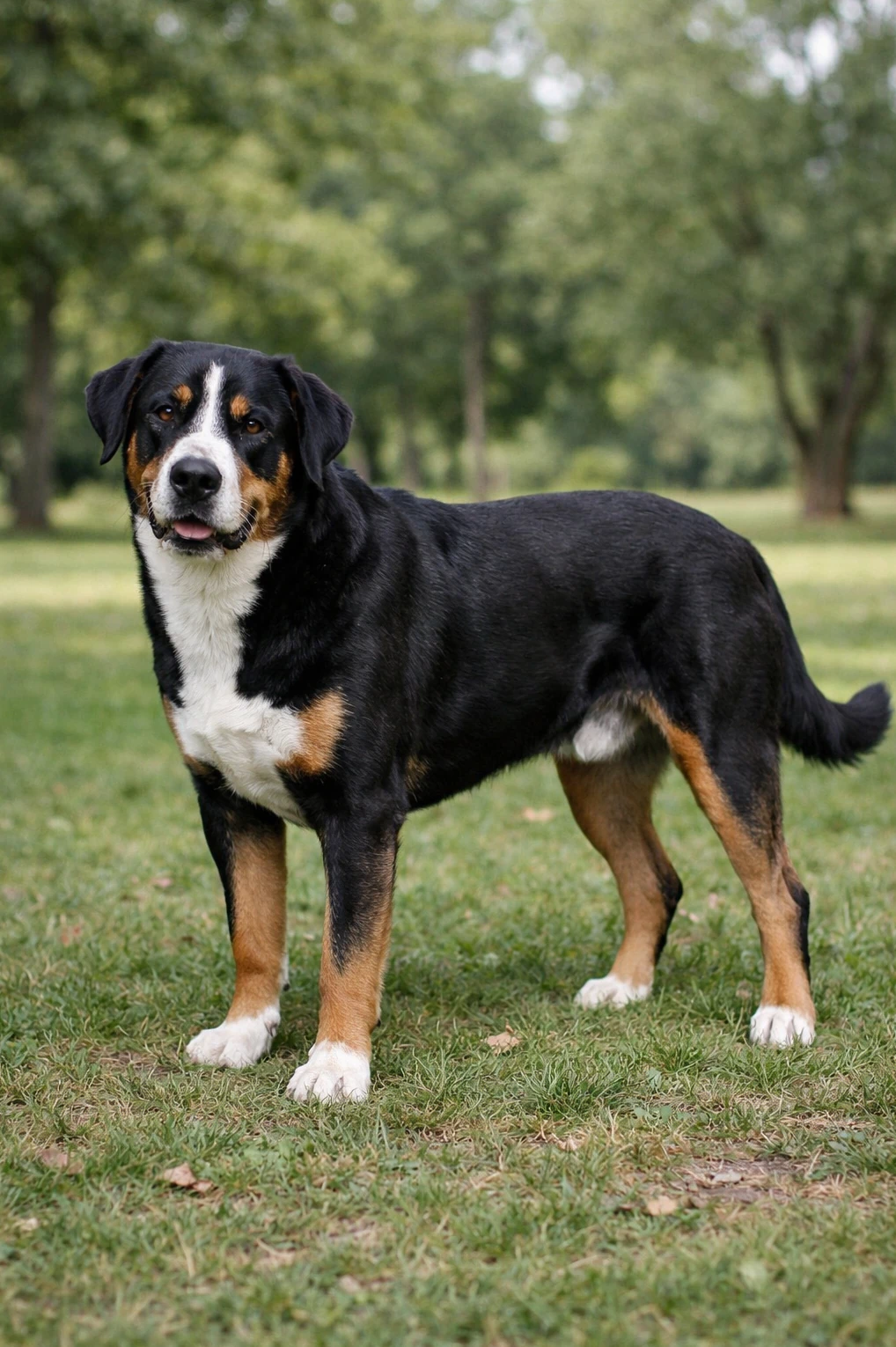
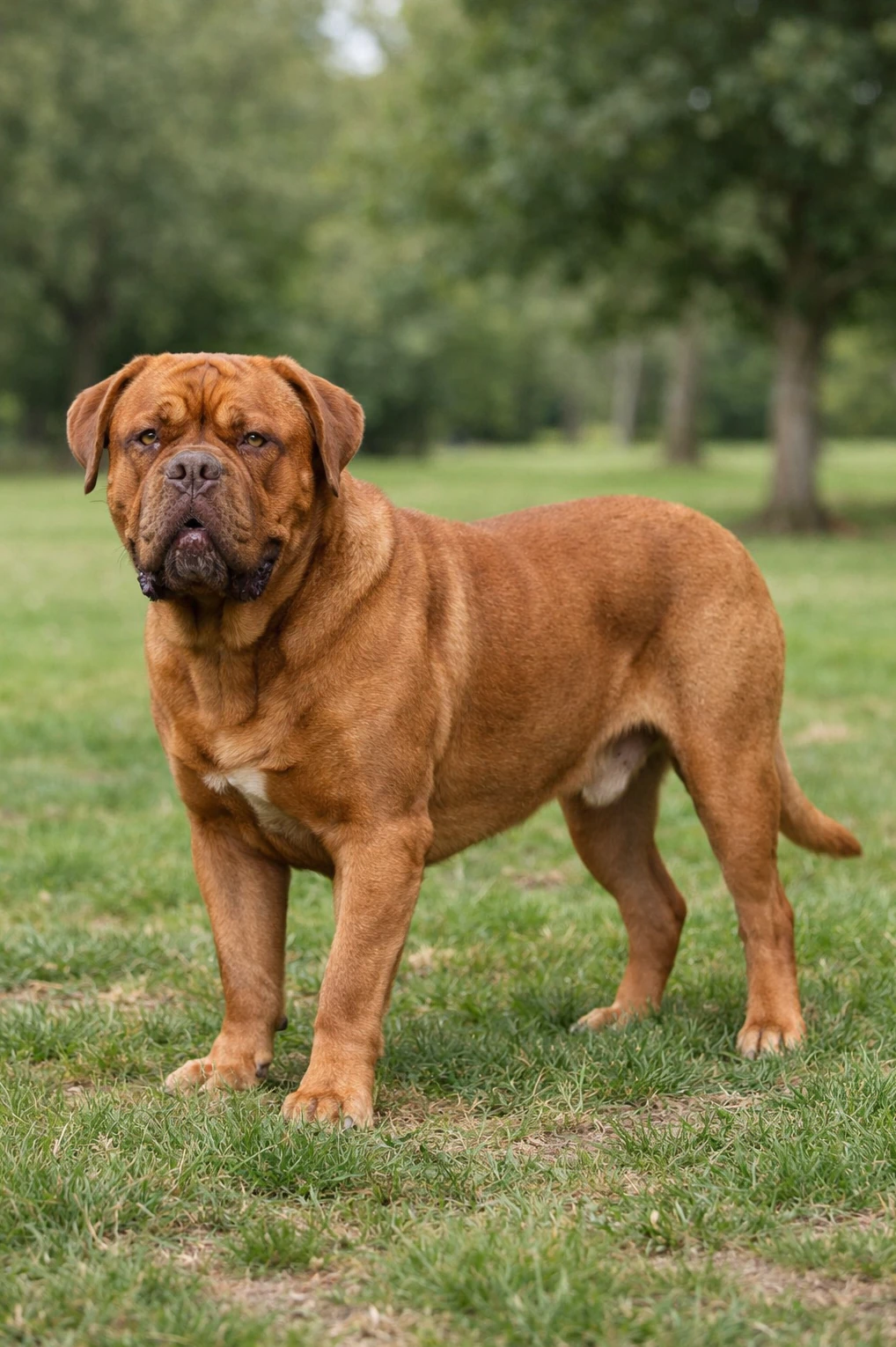
Best Dog Food for Bullmastiff in 2026Based on Nutritional Science
Large and solid, male Bullmastiffs measure about 25 to 27 inches and weigh 110 to 130 pounds. Devoted, loving and courageous dogs. Nutritional Verdict: a protein-rich, balanced diet helps maintain healthy muscles and weight.
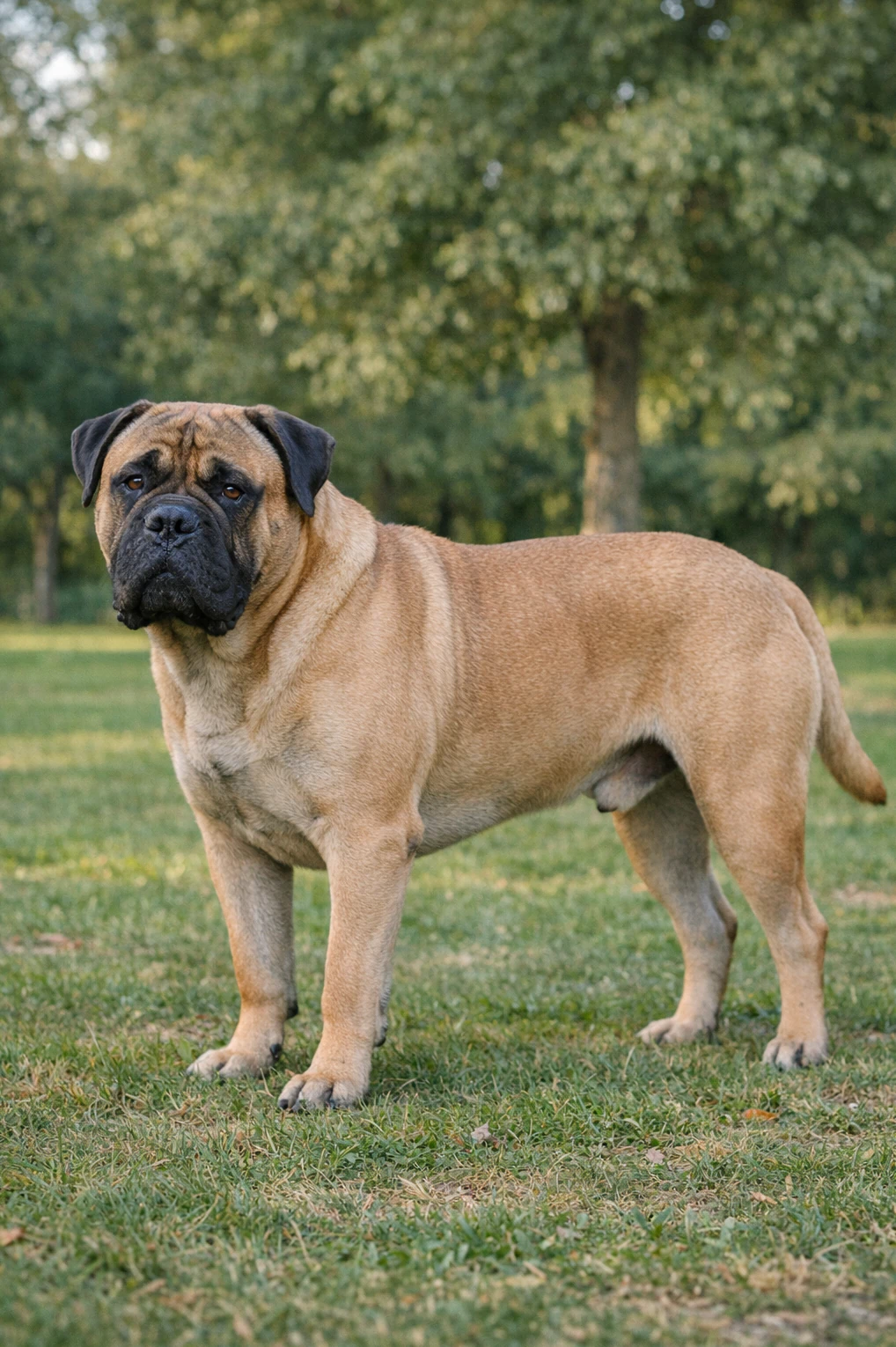
Understanding the Bullmastiff Metabolism and Energy Needs
As a large estate guardian bred to stand watch and protect, this type of dog needs food that supports steady power and calm, people-focused temperament. Their background of short bursts of strength followed by long restful periods means nutrition must favor muscle preservation and joint durability.
A diet with moderately high-quality protein, about 22 to 26 percent of calories, helps maintain strong musculature and supports recovery after exertion. Moderate fat, around 12 to 18 percent, supplies slow-release energy without encouraging excess weight, while controlled, mainly low-glycemic carbohydrates provide consistent fuel for brain and body.
Targeted supplements like glucosamine with chondroitin and omega-3 oils aid joint integrity and reduce inflammation in heavy frames. Careful portioning and balanced calcium and phosphorus avoid undue stress on growing bones, keeping these steadfast, affectionate, and courageous companions comfortable and active for years.
Managing Bullmastiff Genetic Health Risks Through Nutrition
Cardiac issues
Helpful nutrients
Hip and elbow dysplasia
Helpful nutrients
Hypothyroidism
Helpful nutrients
Eye problems
Helpful nutrients
Cancer (general support)
Helpful nutrients
Bloat (gastric dilation and torsion)
Helpful nutrients
Rapid growth and excess weight
Helpful nutrients
Bullmastiff Feeding & Calorie Calculator
Estimated Daily Calories
Tip: Start with this amount and adjust after 2–3 weeks based on your dog's body condition and weight trend.
This estimate provides a starting point for feeding. Individual calorie needs may vary depending on metabolism, body condition, and health status. Always monitor your dog's weight and consult your veterinarian when adjusting diet.
Foods and Ingredients to Avoid for Bullmastiff Dogs
Bullmastiffs are prone to gaining weight, and excess body fat puts extra strain on their hips, elbows, and heart.
High-fat foods, fatty table scraps, and rich treats can contribute quickly to obesity and may increase the risk of pancreatitis, which is painful and potentially serious.
Keep their diet focused on lean proteins and controlled calories, and limit fatty treats and people food.
For growing puppies, avoid calorie-dense, high-fat options that can drive too-rapid growth and stress developing joints.
Because Bullmastiffs are a deep-chested large breed, they are at higher risk for bloat, a life-threatening stomach condition.
Large, single meals and foods that encourage gulping can increase the chance of gastric swelling and twisting.
Serve two measured meals per day and consider portioning puppies into several smaller feeds.
Use slow-feeder bowls or puzzle feeders and avoid vigorous exercise immediately before and after eating to reduce bloat risk.
Large-breed puppies like Bullmastiffs need steady, controlled growth to protect their developing bones and joints.
Too much calcium or unrestricted bone meal and mineral supplements can cause abnormal bone development and increase the risk of hip and elbow dysplasia.
Feed a reputable large-breed puppy formula with balanced minerals and avoid extra calcium supplements unless directed by your veterinarian. Gradual, lean growth helps support long-term joint health.
Some grain-free diets that rely heavily on peas, lentils, chickpeas, or other pulses have been associated with an increased risk of dilated cardiomyopathy in certain dogs.
Bullmastiffs can have inherited cardiac concerns, so dietary choices that might stress the heart are worth avoiding unless confirmed safe.
Choose well-balanced formulas formulated for large breeds and discuss any grain-free or pulse-heavy diet with your veterinarian, especially if your dog has a cardiac history.
Bullmastiffs can be prone to skin sensitivities and digestive upset, and artificial preservatives, colors, and flavors can sometimes trigger itchy skin or tummy trouble.
Ingredients like BHA and BHT may be irritants for sensitive dogs.
Opt for diets with natural preservatives and minimal artificial additives when possible.
If you notice itching, chronic ear problems, or digestive changes, try an elimination approach with guidance from your vet.
Certain human foods are toxic to dogs and should never be offered, regardless of size.
Grapes and raisins can cause sudden kidney failure in some dogs, chocolate contains theobromine which affects the heart and nervous system, and xylitol can lead to dangerous low blood sugar and liver damage.
Keep these items completely out of reach, be cautious with holiday foods and baked goods, and contact your veterinarian immediately if you suspect ingestion.
How Nutritional Needs Change Throughout the Bullmastiff Life Stages
Dogs need different nutrition through puppyhood, adulthood, and senior years because their bodies change as they grow and age. A Bullmastiff's dietary needs are shaped by its giant size, relatively fast early growth, activity level, and genetic health tendencies. Feeding with attention to growth rate, joint health, and weight control helps support long-term strength, heart health, and a comfortable life.
| Life Stage | Age Range | Primary Objective | Key Nutrient Focus |
|---|---|---|---|
| Puppy | 0–18 months | controlled skeletal development, immune support, brain development | DHA, balanced calcium/phosphorus, high-quality protein |
| Adult | 1.5–5 years | lean muscle maintenance and sustained energy | high-quality protein, omega-3 fatty acids, fiber |
| Senior | 5+ years | joint mobility, metabolic health, and cognitive support | glucosamine, chondroitin, antioxidants, lower calories |
Bullmastiff puppies grow quickly but their skeletal development continues longer than smaller breeds, so nutrition should promote steady, controlled growth. Large-breed puppy formulas with controlled calories and a balanced calcium to phosphorus ratio support healthy bones and help reduce the risk of hip and elbow dysplasia. Monitor body condition closely to avoid excess weight that stresses heavy bone and joints.
Feed a Bullmastiff puppy three to four small meals a day until about six months, then transition to two meals to lower bloat risk and support digestion. Keep exercise short and low impact during growth to protect cartilage. Prioritize high quality animal protein for muscle, moderate fat for energy, omega-3 fatty acids for inflammation control, and consider joint-support nutrients while being mindful of breed risks like cardiac issues and hypothyroidism.
As an adult, a Bullmastiff needs nutrition that preserves lean muscle and provides steady energy without adding excess pounds. Choose a maintenance diet formulated for giant breeds, with high quality protein to support muscle, moderate healthy fats for energy, and controlled calories to protect joints. Ingredients that support joint health and anti inflammatory nutrients, like omega-3s and antioxidants, are helpful over the long term.
Feed two measured meals a day to reduce bloat risk and to match the breed's typically calm to moderately active lifestyle. Because Bullmastiffs can be prone to weight gain, regular weight checks and portion adjustments are important. Also consider cardiac and thyroid health when selecting sodium levels and supplements, and keep routine veterinary exams to tailor the diet to your dog's needs.
As Bullmastiffs move into their senior years their metabolism often slows while muscle mass and joint flexibility decline, and digestion can become less efficient. Senior diets should focus on preserving lean tissue with high quality, easily digestible protein while reducing excess calories to avoid weight that strains already heavy bones. Softer kibble or moist food can help if dental wear or tooth loss makes chewing harder.
Provide targeted joint support with omega-3 fatty acids and proven supplements such as glucosamine and chondroitin, and include antioxidants to support immune health and counter age related cellular stress. Adjust portion sizes and monitor body condition regularly, and keep sodium and other cardiac considerations in mind given breed predispositions. Work with your veterinarian to fine tune calorie needs, supplements, and any thyroid or heart medications.
Kibble vs Fresh vs Raw for Bullmastiff
Different feeding models suit different lifestyles and health needs. For a Bullmastiff, size, joint health, and bloat risk help determine the best choice.
Pros
- Convenient and easy to portion for busy households with a large dog.
- Many formulas include joint supplements like glucosamine and chondroitin for large-breed support.
- Dry kibble helps reduce tartar buildup through chewing action.
- Shelf-stable and cost-effective for feeding a big, adult dog.
Cons
- Can be calorie-dense, increasing weight risk without strict portion control.
- Lower moisture content may contribute to decreased water intake.
- Some formulas contain fillers or low-quality proteins that stress sensitive digestion.
- Not ideal alone for dogs prone to bloat; feeding approach matters.
Pros
- Highly palatable, which helps picky Bullmastiffs maintain a healthy appetite.
- High moisture supports hydration and gentler digestion for large breeds.
- Owners control ingredients, allowing tailored calorie and joint-support choices.
- Can reduce processed additives compared with some commercial kibbles.
Cons
- Requires precise recipes to meet large-breed nutritional needs and calcium ratios.
- Time-consuming and more expensive to prepare consistently.
- Needs refrigeration and planning for a big dog's daily portions.
- Improper balance can worsen joint or cardiac issues over time.
Pros
- High-quality protein may support lean muscle in this powerful breed.
- Some owners report improved coat and energy on species-appropriate diets.
- Minimal processing preserves certain nutrients lost in other methods.
Cons
- Higher bacterial risk requires strict hygiene and safe handling.
- Raw bones can pose choking or splintering hazards for big dogs.
- Hard to balance nutrients without veterinary or nutritionist guidance.
- May increase bloat risk if large meals or fast eating occur.
| Diet Type | Pros for Bullmastiff | Potential Downsides |
|---|---|---|
| High-Quality Kibble |
|
|
| Fresh Cooked Food |
|
|
| Raw Diet (BARF) |
|
|
Our Recommendation
For most Bullmastiffs, a high-quality large-breed kibble with joint support and careful portion control is a practical foundation.
Fresh cooked food can be excellent if you ensure balanced recipes, while raw diets require veterinary oversight and strict hygiene because of bloat and bacterial risks.
See Also
Breeds with similar group, size, and coat characteristics