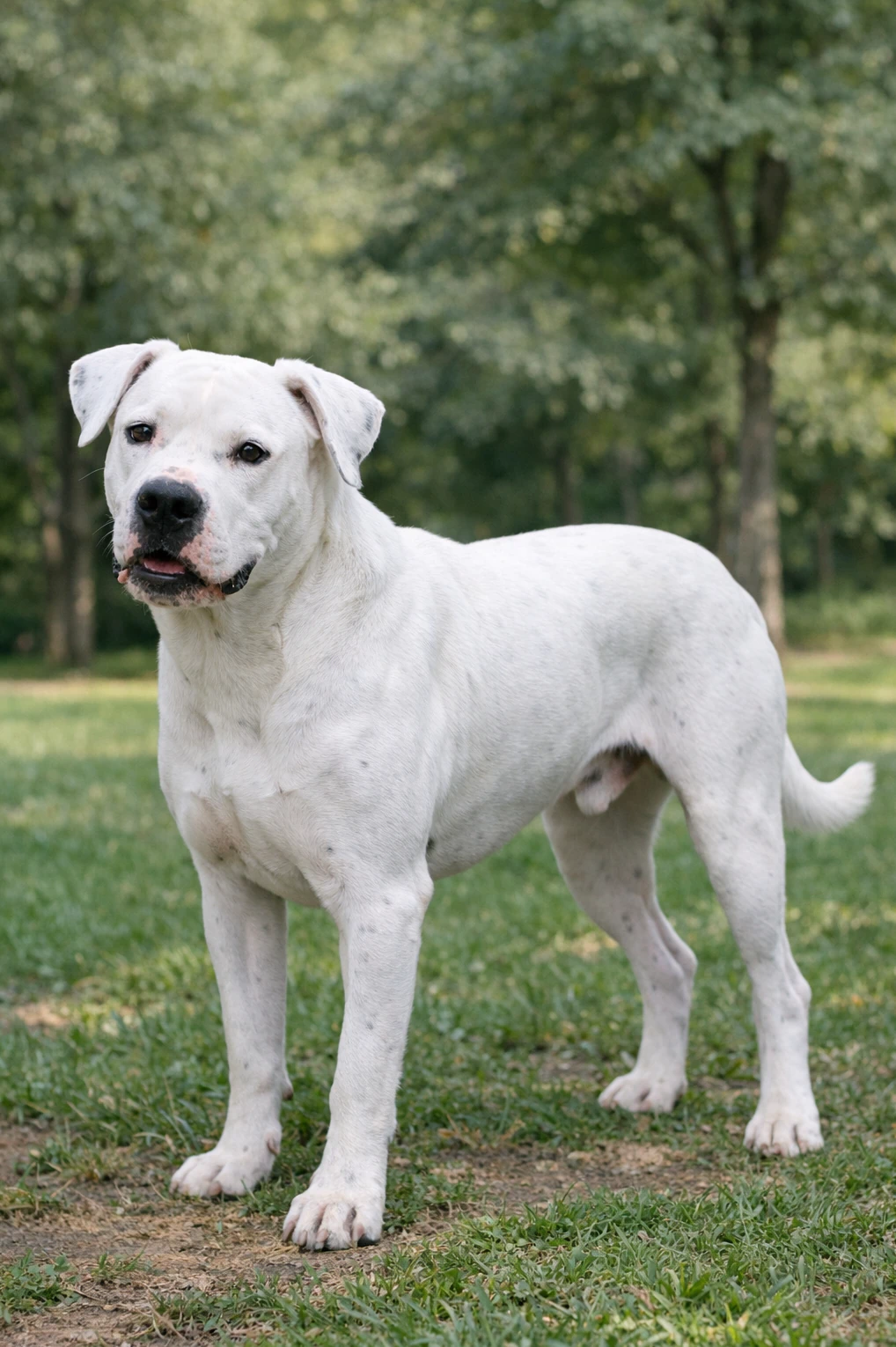
Best Dog Food for Saint Bernard in 2026Based on Nutritional Science
Massive, gentle hound standing about 28 to 30 inches tall and weighing 140 to 180 pounds, with a lively, endearing, and curious nature. Nutritional verdict: calorie-rich, joint-supporting diet advised for steady growth.

Understanding the Saint Bernard Metabolism and Energy Needs
As a large, alpine rescue companion, your dog's history favors steady strength and endurance rather than sprinting bursts. That background means more high-quality protein is important to preserve lean mass and support robust muscles and connective tissue. Choose digestible animal proteins to match their muscle-maintenance needs.
Healthy fats give slow-release energy and keep skin and thick coats glossy, while complex carbohydrates supply steady fuel for curious, steady-paced activity without sudden glucose spikes. Because this type of dog grows into a heavy adult, calorie control early on and careful mineral balance help protect developing joints and bones, so feed formulas designed for giant breeds.
Add joint-support nutrients like glucosamine, chondroitin and omega-3 fatty acids to reduce wear on large joints. A practical macronutrient target might be relatively high protein, moderate fat and controlled carbohydrates, paired with targeted supplements for long-term mobility and well being.
Managing Saint Bernard Genetic Health Risks Through Nutrition
Bloat (Gastric Dilatation-Volvulus)
Helpful nutrients
Hip Dysplasia
Helpful nutrients
Eye Disease
Helpful nutrients
Obesity
Helpful nutrients
Heat Sensitivity and Heat Stress
Helpful nutrients
Saint Bernard Feeding & Calorie Calculator
Estimated Daily Calories
Tip: Start with this amount and adjust after 2–3 weeks based on your dog's body condition and weight trend.
This estimate provides a starting point for feeding. Individual calorie needs may vary depending on metabolism, body condition, and health status. Always monitor your dog's weight and consult your veterinarian when adjusting diet.
Foods and Ingredients to Avoid for Saint Bernard Dogs
Saint Bernards are prone to weight gain and can be at higher risk for pancreatitis, so avoid rich, fatty table scraps, greasy meats, and high-fat treats.
These foods add calories quickly and can trigger inflammation that leads to painful, dangerous pancreatitis.
Instead, choose lean protein sources and portion-controlled treats. Keeping calories appropriate for a large, less-active dog helps protect joints and reduces stress on their heart and hips.
Because deep-chested breeds like Saint Bernards are at risk for bloat, limit foods and feeding styles that encourage gulping or very fast eating, such as free-feeding large bowls of dry kibble or soft foods served in a single large meal.
Rapid gulping fills the stomach with air and can increase the chance of stomach twisting.
Serve multiple smaller meals, use slow-feeder dishes or puzzle feeders if your dog eats too quickly, and avoid vigorous activity for an hour before and after meals to help reduce bloat risk.
Large-breed puppies need controlled levels of calcium and calories to support steady, balanced bone growth.
Diets that are too rich in calcium, calories, or overall nutrients can cause overly rapid growth and increase the risk of hip dysplasia and other orthopedic problems.
Feed a formula labeled for large-breed puppies and follow your veterinarian's guidance on portions. Avoid supplementing calcium unless directed by your vet, even with homemade diets.
Some grain-free diets that rely heavily on peas, lentils, chickpeas, or potatoes have been associated with heart concerns in certain breeds, and large dogs can be particularly vulnerable to dietary imbalances.
While not every legume-containing food is unsafe, diets dominated by these ingredients can lack the right nutrient ratios for a giant breed.
Choose a reputable large-breed formula with balanced protein and nutrient profiles, and discuss any grain-free choices with your veterinarian to ensure cardiac and overall health.
Certain human foods are directly toxic to dogs, including onions and garlic which can damage red blood cells, grapes and raisins which can harm kidneys, and xylitol which can cause dangerous drops in blood sugar.
Even small amounts can be serious for a large dog because of differing sensitivities.
Keep these items out of reach, avoid sharing table scraps, and teach family members and guests which foods are unsafe.
If ingestion is suspected, contact your veterinarian or emergency clinic promptly.
Saint Bernards can be sensitive to heat and need steady access to water, so high-sodium foods and salty snacks can promote excessive thirst and dehydration, especially in hot conditions.
Too much salt may also worsen any underlying heart or kidney concerns and encourage drinking and urination imbalances.
Limit salty human treats, processed meats, and snack foods.
Stick with low-sodium options formulated for dogs, and always provide fresh water to help your dog stay cool and comfortable.
How Nutritional Needs Change Throughout the Saint Bernard Life Stages
Dogs have different nutritional needs at puppyhood, adulthood, and in their senior years, and those needs change as their bodies and lifestyles shift. Breed traits like growth rate, activity level, and common health tendencies help determine the right balance of calories and nutrients. For a giant breed such as the Saint Bernard, tailoring feeding and key nutrients supports healthy bones, a stable weight, and long-term comfort.
| Life Stage | Age Range | Primary Objective | Key Nutrient Focus |
|---|---|---|---|
| Puppy | 0–18 months | controlled skeletal development, immune support, brain development | DHA, balanced calcium/phosphorus, high-quality protein |
| Adult | 1.5–5 years | lean muscle maintenance and sustained energy | high-quality protein, omega-3 fatty acids, fiber |
| Senior | 5+ years | joint mobility, metabolic health, and cognitive support | glucosamine, chondroitin, antioxidants, lower calories |
Saint Bernard puppies grow fast in the early months but then continue filling out for a longer period than smaller breeds, so controlled, steady growth is important to protect developing bones and joints. Keep a close eye on weight gain and body condition to reduce stress on the hips and elbows.
Support for skeletal development means keeping calcium and phosphorus balanced, avoiding excessive calories from treats, and choosing a large-breed puppy formula with moderate protein and fat. Nutrients like DHA support brain and eye development while controlled energy levels help prevent too-rapid growth.
Feed puppies three to four smaller meals a day to steady calories and lower the chance of bloat, and slow eating with timed bowls or gentle puzzle feeders can help. Because Saint Bernards can be prone to hip dysplasia and bloat, discuss joint-supporting nutrients and the right feeding plan with your veterinarian.
Adult Saint Bernards need enough quality protein to maintain muscle mass, and a sensible calorie level to keep weight in check so the hips and spine carry less strain. Their playful, inquisitive nature usually means moderate activity, so tailor portions to how active your dog really is rather than to its size alone.
Aim for a balanced diet with moderate fat for steady energy and high-quality protein for muscle repair, and avoid excess calories from treats or table scraps. Feeding two regular meals a day helps reduce bloat risk, and pairing food with consistent, low-impact exercise supports joint health and overall condition.
Because Saint Bernards can face hip dysplasia and eye issues, consider diets or supplements with joint-supporting nutrients and antioxidants as recommended by your veterinarian. Keep fresh water available, manage heat exposure, and schedule regular checkups to adjust diet for changing lifestyle needs.
As Saint Bernards age their metabolism often slows and activity usually drops, which means fewer calories may be needed to prevent weight gain that stresses joints. Digestive changes and dental wear can make calorie-dense hard kibble harder to handle, so texture and digestibility matter more in senior years.
Prioritize joint-supporting nutrients like glucosamine and omega-3 fatty acids to help mobility, and include antioxidants to support eye and cellular health. Keep protein high-quality and easy to digest to maintain muscle mass, while adding gentle fiber for steady digestion.
Adjust calories downward as activity declines, but watch body condition closely so you do not underfeed a lean older dog. Maintain regular veterinary checks to tailor supplements and diet, keep water and cool resting spots available, and be mindful that bloat risk and heat sensitivity still need attention.
Kibble vs Fresh vs Raw for Saint Bernard
Different feeding models suit different lifestyles and health needs for a Saint Bernard. Consider activity level, joint support, and bloat risk when choosing a diet.
Pros
- Easily portioned to control calories for large-breed weight management.
- Formulas for large breeds often include glucosamine and chondroitin for joints.
- Convenient for busy owners managing a very large dog.
- Shelf-stable and easy to store for multi-dog households.
Cons
- Can be calorie-dense, increasing obesity risk without strict portion control.
- Low moisture may not provide enough hydration during hot weather.
- Some formulas include fillers or lower-quality proteins.
- Large kibble size may challenge older dogs with dental issues.
Pros
- Highly palatable, often tempting even for picky Saint Bernards.
- High moisture supports hydration and gentle digestion.
- Ingredients can be tailored for joint support and sensitivities.
- You control ingredient quality and avoid unwanted additives.
Cons
- Requires careful balancing to meet large-breed nutrient needs.
- More time consuming and often more expensive than kibble.
- Needs refrigeration and consistent meal planning.
- Improper preparation can miss essential vitamins and minerals.
Pros
- High protein and minimally processed ingredients may support coat quality.
- Some owners report improved energy and digestion.
- Can be customized for joint support and weight control.
Cons
- Strict hygiene needed to avoid bacterial contamination risks.
- Raw bones can be dangerous, especially for very large mouths.
- Balancing calcium and nutrients is challenging without expert guidance.
- May increase bloat risk if meals are large and fed infrequently.
| Diet Type | Pros for Saint Bernard | Potential Downsides |
|---|---|---|
| High-Quality Kibble |
|
|
| Fresh Cooked Food |
|
|
| Raw Diet (BARF) |
|
|
Our Recommendation
For many Saint Bernards, a high-quality large-breed kibble with joint support makes a reliable foundation.
Fresh cooked food is an excellent option if you can ensure balanced nutrients, while raw diets require strict hygiene and veterinary planning to be safe.
Whatever you choose, consistent meal timing and careful portion control help reduce bloat and support long-term health.
See Also
Breeds with similar group, size, and coat characteristics