Best Dog Food for Pomeranian in 2026Based on Nutritional Science
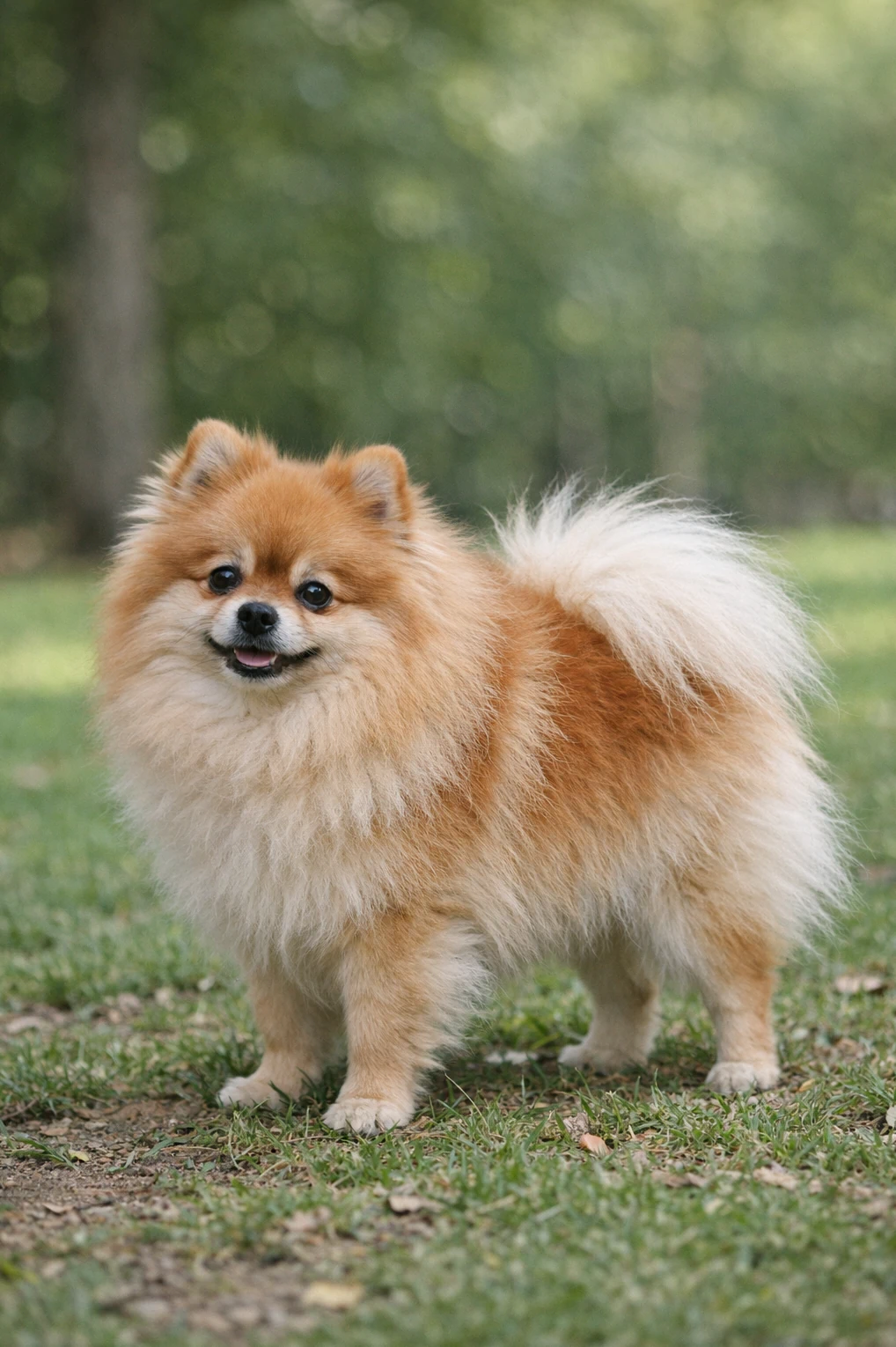
Pomeranian is tiny at 6 to 7 inches and 3 to 7 pounds, curious, sprightly and confident. Nutritional verdict: small, nutrient-dense meals with quality protein and portion control keep this energetic companion healthy.
Understanding the Pomeranian Metabolism and Energy Needs
As a tiny companion descended from northern spitz stock, this dog’s compact body and spirited personality shape its diet. A fast metabolism and a confident, curious temperament mean food must support both steady energy and mental sharpness.
Higher quality protein is essential to preserve lean muscle and support alert thinking, so meals centered on poultry, lamb, or fish help meet amino acid needs. Fat provides concentrated calories and keeps skin and fluffy coat healthy, with omega-3s from fish oil reducing dryness and supporting cognitive function.
Carbohydrates should be limited and chosen for slow release, for example sweet potato or oats, to avoid sudden glucose swings. Because small mouths and stomachs limit portion size, a calorie-dense recipe with appropriately sized kibble and occasional supplements like fish oil and antioxidants makes sense.
Managing Pomeranian Genetic Health Risks Through Nutrition
Dental Disease
Helpful nutrients
Luxating Patella
Helpful nutrients
Tracheal Collapse
Helpful nutrients
Obesity
Helpful nutrients
Hypoglycemia (puppies)
Helpful nutrients
Skin & Coat Issues (Allergies / Alopecia X)
Helpful nutrients
Eye Health (cataracts and age-related changes)
Helpful nutrients
Pomeranian Feeding & Calorie Calculator
Estimated Daily Calories
Tip: Start with this amount and adjust after 2–3 weeks based on your dog's body condition and weight trend.
This estimate provides a starting point for feeding. Individual calorie needs may vary depending on metabolism, body condition, and health status. Always monitor your dog's weight and consult your veterinarian when adjusting diet.
Foods and Ingredients to Avoid for Pomeranian Dogs
Pomeranians are tiny dogs with fast metabolisms but small stomachs, so high-fat foods and greasy table scraps can be risky.
Excess fat can quickly lead to weight gain and may trigger pancreatitis, a painful inflammation that can be serious for small breeds.
Stick to lean protein sources and measured portions, and avoid fatty cuts of meat, fried snacks, and rich human desserts to keep your pup at a healthy weight and feeling good.
Xylitol, a common sweetener in sugar-free gum, some peanut butters, and many diet foods, is extremely toxic to dogs.
Even small amounts can cause a rapid drop in blood sugar and serious liver damage, and a Pomeranian's low body weight makes them especially vulnerable.
Always check ingredient lists and never offer sugar-free products, and if you suspect ingestion, call your vet or an emergency clinic right away.
Grapes, raisins, and currants can cause sudden kidney failure in dogs, and there is no reliable safe dose, especially for tiny breeds like Pomeranians.
A few pieces that might not bother a larger dog could be dangerous for a dog that weighs only a few pounds.
Avoid all forms of these fruits, including baked goods or trail mixes that contain raisins, and treat your pup to safe fruits like small amounts of apple or blueberries instead.
Chocolate and anything with caffeine contain theobromine and similar stimulants that dogs cannot process well.
Because Pomeranians are so small, it takes much less to cause vomiting, tremors, rapid heart rate, or worse, so even a little dark chocolate can be risky.
Keep all chocolate, coffee, energy drinks, and caffeinated foods out of reach, and contact your veterinarian promptly if your dog gets into any of these items.
Onions, garlic, leeks, and chives can damage a dog’s red blood cells and lead to anemia, and small breeds show symptoms faster because they have less blood volume.
These foods are often hidden in sauces, baby food, and prepackaged meals, so it’s easy to accidentally expose your Pomeranian.
Avoid all forms, including powdered and cooked versions, and be cautious with human leftovers and restaurant scraps that may contain these ingredients.
Pomeranians have delicate teeth and small jaws, so large rawhide chews, very hard nylon toys, or cooked bones can cause broken teeth, choking, or intestinal blockages.
Cooked bones also splinter easily and can cause internal injury, while oversized chews may be swallowed whole.
Choose appropriately sized, gentle chew options and supervise play, discarding any chews that get small enough to swallow or that develop sharp edges.
How Nutritional Needs Change Throughout the Pomeranian Life Stages
Pomeranians, like all dogs, need different nutrition as they move from puppyhood to adult life and into their senior years. Growth, energy needs, and age-related changes all affect what and how much they should eat. Breed traits such as a small size, lively temperament, and tendencies toward dental or joint sensitivity also influence feeding choices and nutrient priorities.
| Life Stage | Age Range | Primary Objective | Key Nutrient Focus |
|---|---|---|---|
| Puppy | 0–10 months | controlled skeletal development, immune support, brain development | DHA, balanced calcium/phosphorus, high-quality protein |
| Adult | 10 months–8 years | lean muscle maintenance and sustained energy | high-quality protein, omega-3 fatty acids, fiber |
| Senior | 8+ years | joint mobility, metabolic health, and cognitive support | glucosamine, chondroitin, antioxidants, lower calories |
Pomeranian puppies grow quickly and reach much of their adult size within the first year, so nutrition should support rapid tissue and brain development while protecting delicate bones and joints. A diet formulated for small-breed puppies provides higher calorie density, digestible proteins, and a correct calcium-to-phosphorus balance to support healthy skeletal growth. Include DHA for brain and vision development, and adequate fat for their energetic little bodies.
Because Pomeranians are inquisitive and lively with fast metabolisms, feed small, frequent meals to keep blood sugar steady and reduce the risk of hypoglycemia. Choose appropriately sized kibble for tiny mouths, monitor weight closely, and work with your veterinarian to adjust portions based on individual activity and growth.
Adult Pomeranians need a diet that preserves lean muscle while meeting their spirited energy needs without excess calories. Aim for moderate to high-quality protein to support muscle maintenance, healthy fats for a shiny coat and steady energy, and controlled calories to prevent weight gain in less active pets. Omega-3 fatty acids can support skin, coat, and joint comfort as part of a balanced formula.
Lifestyle matters, so adjust portions and meal frequency to match daily activity, whether short bursts of play or calm indoor life. Regular dental care and appropriately sized kibble help reduce tartar and make chewing comfortable.
Use portion control and measured treats to avoid overfeeding, since small bodies gain weight quickly. If your Pom is unusually active in sports or long walks, discuss a slightly higher calorie allowance with your veterinarian to match their energy output.
As Pomeranians age, metabolism and activity often slow, and dental wear or digestive sensitivity can make eating harder. Senior diets should keep protein relatively high to protect muscle mass, while adjusting total calories to prevent weight gain when activity declines. Softer textures or smaller kibble can make eating easier for older teeth and help maintain intake.
Support joints with omega-3 fatty acids and veterinarian-recommended joint supplements when appropriate, and include antioxidants like vitamin E and vitamin C to support healthy aging. Regular weight checks and veterinary reviews will guide calorie, protein, and supplement needs as your Pom transitions to their golden years.
Fiber and gentle probiotics can aid digestion and stool quality, while good hydration supports kidney function and skin health. Always consult your veterinarian before switching to a senior formula so changes are gradual and tailored to your Pomeranian's health and lifestyle.
Kibble vs Fresh vs Raw for Pomeranian
Different feeding models suit different lifestyles and health needs, especially for small, lively breeds like the Pomeranian.
Think about convenience, coat support, dental care, and careful portioning when choosing a plan.
Pros
- Convenient and easy to portion for busy owners of tiny Pomeranians.
- Small-kibble formulas suit tiny mouths and encourage comfortable chewing.
- Crunchy texture helps reduce tartar, supporting small-breed dental health.
- Balanced nutrient profiles are available for higher metabolism in small dogs.
Cons
- Lower moisture content may not suit picky or less-drinking Pomeranians.
- Calorie-dense small-breed formulas can lead to weight gain if portions are large.
- Some brands contain fillers or additives that can irritate sensitive digestion.
- Less control over individual ingredients for targeted coat or skin needs.
Pros
- High moisture supports hydration for small dogs with fast metabolisms.
- Custom recipes let you boost omega fats for a healthy long coat.
- Often more palatable, helpful for picky or selective eaters.
- Easily adjusted calorie density to prevent unwanted weight gain.
Cons
- Requires careful balancing to avoid nutrient gaps in tiny Pomeranians.
- Time consuming and needs refrigeration, less convenient for busy owners.
- Can be costly long term compared with kibble.
- Overcooking can reduce certain vitamins important for coat health.
Pros
- High-quality protein can support lean muscle in this active small breed.
- Some owners report shinier coats and improved skin condition.
- Less processed ingredients preserve certain natural nutrients and enzymes.
Cons
- High bacterial risk unless prepared and stored with strict hygiene.
- Small bones may pose choking or dental fracture risks for tiny Pomeranians.
- Hard to balance micronutrients without veterinary guidance.
- Can be higher in fat, increasing obesity risk in less active pets.
| Diet Type | Pros for Pomeranian | Potential Downsides |
|---|---|---|
| High-Quality Kibble |
|
|
| Fresh Cooked Food |
|
|
| Raw Diet (BARF) |
|
|
Our Recommendation
For many Pomeranians, a high-quality small-breed kibble offers reliable nutrition, dental benefit, and convenience.
Fresh cooked food can be great for picky dogs or coat support when properly balanced. Raw feeding may benefit some individuals but needs strict hygiene and professional guidance.
See Also
Breeds with similar group, size, and coat characteristics