Best Dog Food for Havanese in 2026Based on Nutritional Science
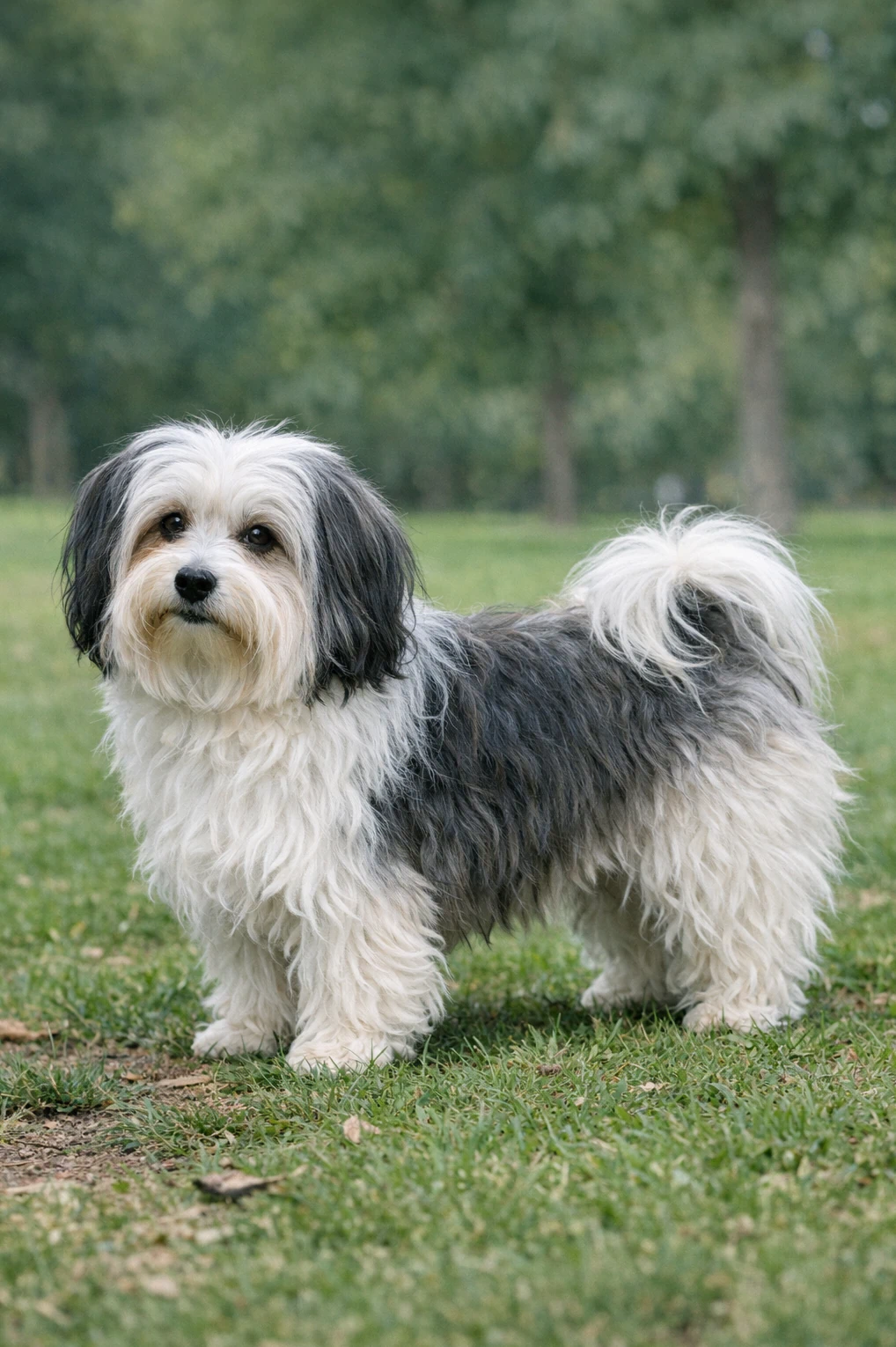
Nutritional verdict: Tiny companion at 8.5-11.5 inches and 7-13 pounds, clever, sociable and playful, thrives on a balanced small-breed diet, portion-controlled with quality protein and omega fats for coat and energy.
Understanding the Havanese Metabolism and Energy Needs
This petite companion’s bright, sociable, and playful personality, plus a history as a lap and household partner, directly influence daily nutrition. Because they are small and active, they burn calories quickly and need energy-dense meals that still protect lean tissue and brain function.
Higher quality protein from sources like poultry, fish, or lamb helps preserve muscle and supports a curious, quick mind. Long-chain omega-3s, found in fish oil, benefit cognition and skin, while moderate levels of fat provide concentrated calories without overloading volume.
Easily digestible whole grains and vegetables offer steady energy and fiber for comfortable digestion. Probiotics and antioxidants support gut and immune health, and a touch of joint-supportive nutrients can be useful even for tiny bodies that love to play.
Managing Havanese Genetic Health Risks Through Nutrition
Eye disorders
Helpful nutrients
Chondrodysplasia
Helpful nutrients
Deafness
Helpful nutrients
Heart murmurs
Helpful nutrients
Legg-Calve-Perthes disease (hip joint)
Helpful nutrients
Patellar luxation
Helpful nutrients
Obesity
Helpful nutrients
Havanese Feeding & Calorie Calculator
Estimated Daily Calories
Tip: Start with this amount and adjust after 2–3 weeks based on your dog's body condition and weight trend.
This estimate provides a starting point for feeding. Individual calorie needs may vary depending on metabolism, body condition, and health status. Always monitor your dog's weight and consult your veterinarian when adjusting diet.
Foods and Ingredients to Avoid for Havanese Dogs
Havanese are small dogs that can gain weight easily, so foods high in fat can quickly push them into overweight territory.
Excess fat not only contributes to obesity, it raises the risk of pancreatitis, which can be serious and requires veterinary care.
Stick to lean protein sources and measured portions, and avoid fatty table scraps like bacon, greasy leftovers, and rich gravies to keep your Havanese at a healthy weight and energy level.
Cooked bones, especially from poultry or small animals, can splinter and cause choking, mouth injuries, or internal punctures in a tiny Havanese.
Their small throat and digestive tract make them more vulnerable to obstruction and tears from sharp bone fragments.
Offer safe chew alternatives designed for small breeds, and never give cooked bones from the table, even as a treat, to prevent painful and potentially life-threatening injuries.
Treats are useful for training, but calorie-dense snacks and frequent table treats can lead to rapid weight gain in a 7 to 13 pound Havanese.
Extra pounds increase stress on their joints and can worsen conditions like patellar luxation or hip issues over time.
Choose low-calorie treats, use part of your dog’s daily kibble for training, and limit human food to occasional, vet-approved items to keep calories in check.
Some Havanese can be sensitive to artificial preservatives and colorings, which may aggravate skin irritations, ear issues, or digestive upset.
Ingredients such as BHA, BHT, and artificial dyes are unnecessary in a quality diet and can trigger uncomfortable reactions.
Opt for foods labeled with natural preservatives and minimal additives, and monitor your dog’s skin and coat after diet changes, checking with your vet if you notice flare-ups.
Grapes and raisins are toxic to dogs and can cause sudden kidney failure even in small amounts, which is particularly dangerous for a small Havanese.
Xylitol, a sweetener found in sugar-free gum, baked goods, and some peanut butters, can cause a dangerous drop in blood sugar and liver problems.
Keep these items well out of reach and educate family and visitors, and call your veterinarian immediately if ingestion is suspected.
Because some Havanese can develop heart murmurs or other cardiac issues, foods very high in salt are best avoided, as excess sodium can worsen blood pressure and fluid balance.
Salty snacks, cured meats, and table broths often contain far more sodium than a small dog needs.
Choose low-sodium options when sharing small treats, avoid giving processed human foods, and consult your vet for a cardiac-friendly diet if your dog has known heart concerns.
How Nutritional Needs Change Throughout the Havanese Life Stages
Dogs need different nutrition at puppyhood, adulthood, and senior years, because growth, activity and health risks change as they age. Small breeds like the Havanese grow quickly yet stay lightweight, so their dietary needs reflect fast development, lively temperament and breed-specific tendencies. Growth rate, activity level and common health issues such as joint and eye concerns all influence how much and what type of food is best at each life stage.
| Life Stage | Age Range | Primary Objective | Key Nutrient Focus |
|---|---|---|---|
| Puppy | 0–10 months | controlled skeletal development, immune support, brain development | DHA, balanced calcium/phosphorus, high-quality protein |
| Adult | 10 months–8 years | lean muscle maintenance and sustained energy | high-quality protein, omega-3 fatty acids, fiber |
| Senior | 8+ years | joint mobility, metabolic health, and cognitive support | glucosamine, chondroitin, antioxidants, lower calories |
Puppyhood in Havanese is compact but intense, with rapid growth in the first several months that shapes bones, joints and overall body composition. Because they are a small breed susceptible to patellar luxation and Legg-Calve-Perthes, controlled calorie intake and steady, balanced calcium and phosphorus are important for healthy skeletal development.
Offer small, frequent meals to match tiny stomachs and high energy bursts, usually three to four feedings a day until about six months. High quality protein supports muscle growth, while omega-3 fatty acids, vitamin A and antioxidants help healthy skin, coat and developing eyes.
Monitor weight closely, avoid overfeeding, and work with your veterinarian or breeder to tailor portion sizes and a gradual transition from puppy to adult formulas.
Adult Havanese benefit from a diet that maintains lean muscle, steady energy and a healthy weight for their small frame. Moderate to high quality protein, around 18 to 25 percent on a dry matter basis depending on activity, supports muscle maintenance, while controlled healthy fats provide energy without excess calories.
Because Havanese are lively and outgoing, active individuals may need slightly more calories and higher fat than couch companions. Fiber and probiotics aid digestion and regular meals help prevent bloat-like behaviors in small breeds.
Watch for early signs of joint or hip issues, and adjust portions to avoid obesity which can worsen patellar luxation. Regular weight checks and tailoring food to activity keep your Havanese fit and playful.
Senior Havanese often show slower metabolism, changes in digestion and reduced mobility, so nutrition should shift to support aging bodies while preserving quality of life. Slightly lower calories help prevent weight gain, but maintain sufficient high quality protein to protect muscle mass.
Joint-support nutrients such as glucosamine, chondroitin and omega-3 fatty acids can help dogs predisposed to patellar luxation or hip concerns like Legg-Calve-Perthes. Antioxidants, vitamin E and controlled fiber support immune function and gentle digestion, while easily digestible ingredients are kinder on aging guts.
Monitor dental health since tooth wear or loss can affect food choices, and consult your veterinarian to adjust portions and consider senior formulas tailored to your Havanese's activity and health profile.
Kibble vs Fresh vs Raw for Havanese
Different feeding approaches suit different lifestyles, routines, and health needs. For Havanese, small size, silky coat, and predispositions like joint and eye concerns help guide the choice.
Pros
- Convenient and easy to portion for busy owners.
- Small-breed formulas fit Havanese mouths and calorie needs.
- Often fortified with joint, eye, and coat-supporting nutrients.
- Shelf-stable and consistent, helpful for travel and routine.
Cons
- Lower moisture may not suit dogs prone to urinary or digestive issues.
- Some formulas contain fillers or lower-quality ingredients.
- Dry kibble alone may not fully support a glossy coat.
- Calorie density can lead to weight gain without careful portioning.
Pros
- Highly palatable, many Havanese find it especially appealing.
- High moisture supports digestion and urinary tract health.
- You can tailor recipes for joint, weight, or allergy needs.
- Fresh ingredients often improve coat softness and skin condition.
Cons
- Requires time, planning, and consistent recipes for balance.
- Home diets need supplements to meet calcium and essential fatty acid needs.
- More expensive and needs refrigeration for safety.
- Inconsistent nutrients can affect long-term joint and eye health if not managed.
Pros
- High protein, often very palatable for picky Havanese.
- Some owners report improved coat texture and energy levels.
- Unprocessed ingredients may retain more natural vitamins and enzymes.
Cons
- Higher bacterial risk requires strict hygiene and safe handling.
- Small bones can pose choking or internal injury hazards for this breed.
- Imbalanced calcium and phosphorus can risk developing joint problems.
- Professional guidance and regular testing are essential for safe practice.
| Diet Type | Pros for Havanese | Potential Downsides |
|---|---|---|
| High-Quality Kibble |
|
|
| Fresh Cooked Food |
|
|
| Raw Diet (BARF) |
|
|
Our Recommendation
For most Havanese, a high-quality small-breed kibble provides convenient, balanced nutrition while supporting dental and weight needs.
Adding fresh toppers or working with your veterinarian to craft a cooked or carefully balanced raw plan can help address coat, joint, or sensitivity concerns.
See Also
Breeds with similar group, size, and coat characteristics