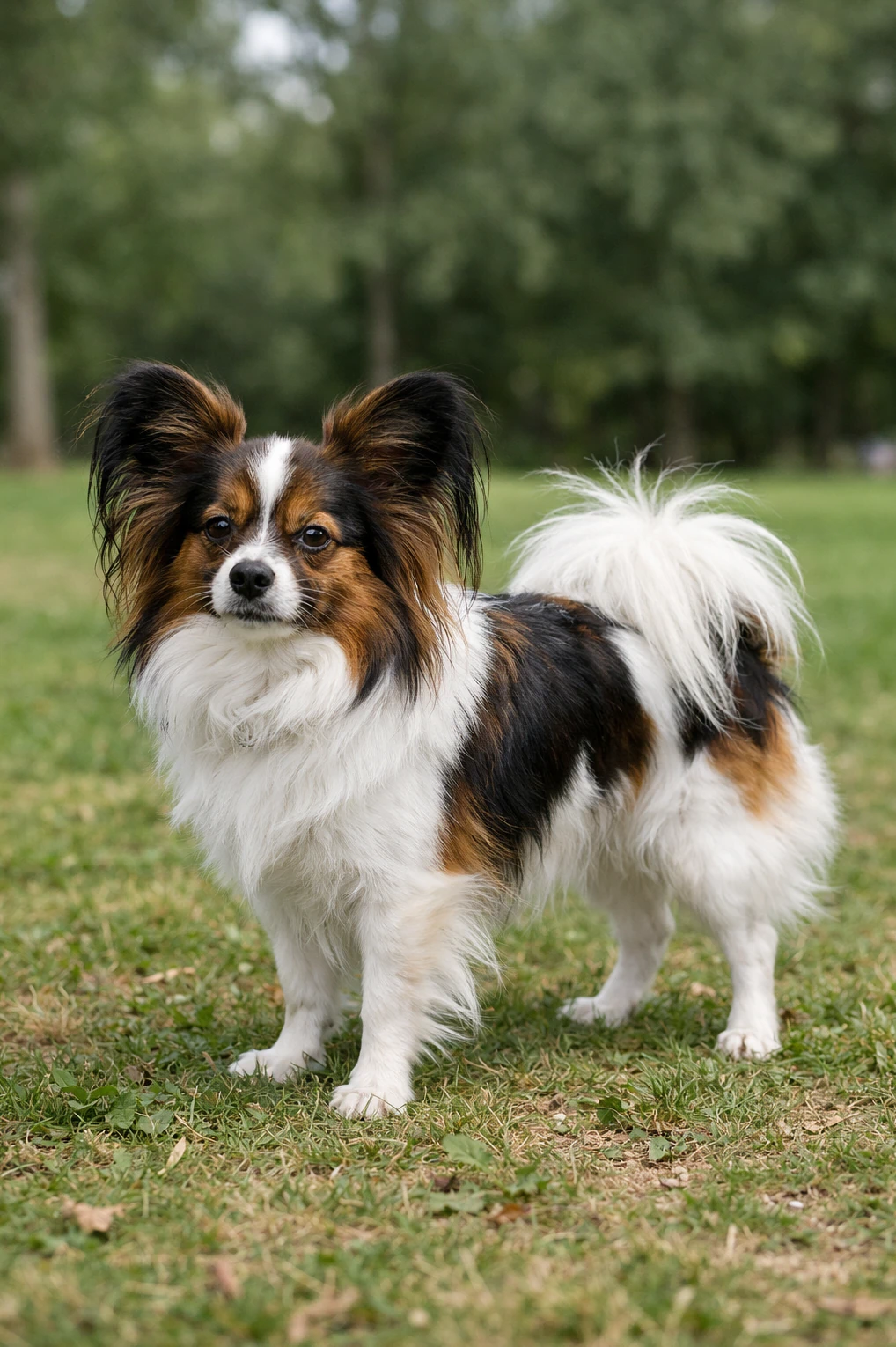
Best Dog Food for Yorkshire Terrier in 2026Based on Nutritional Science
Yorkshire Terrier is a tiny companion, about 7 to 8 inches tall and 7 pounds, warm, spirited and spunky. Nutritional verdict: high-quality protein, calorie-controlled small-bite food to sustain lively energy.

Understanding the Yorkshire Terrier Metabolism and Energy Needs
Though tiny in size, Yorkshire Terriers come from a line of small working companions that needed quick bursts of energy and close human company. Their compact bodies burn calories faster than larger dogs, so meals should be nutrient dense and spread through the day to keep energy steady and prevent low blood sugar.
A diet higher in quality protein helps preserve lean tissue and supports the quick, playful activity these dogs favor, while concentrated healthy fats provide the fast-acting fuel they need without bulky portions. Limited, easily digested carbohydrates add gentle energy and fiber for digestion without causing weight gain.
Supportive extras like omega-3 fatty acids and biotin promote a glossy coat and healthy skin, and gentle joint or dental care additions can help with small-jaw dental challenges. Think lean poultry or fish plus fish oil, with a modest portion of sweet potato or pumpkin for balance.
Managing Yorkshire Terrier Genetic Health Risks Through Nutrition
Eye Anomalies
Helpful nutrients
Luxating Patella (Dislocated Kneecap)
Helpful nutrients
Obesity / Overweight
Helpful nutrients
Yorkshire Terrier Feeding & Calorie Calculator
Estimated Daily Calories
Tip: Start with this amount and adjust after 2–3 weeks based on your dog's body condition and weight trend.
This estimate provides a starting point for feeding. Individual calorie needs may vary depending on metabolism, body condition, and health status. Always monitor your dog's weight and consult your veterinarian when adjusting diet.
Foods and Ingredients to Avoid for Yorkshire Terrier Dogs
Yorkshire Terriers are small with fast metabolisms, but they can gain weight quickly when given high-fat foods and fatty table scraps.
Excess dietary fat raises the risk of obesity and pancreatitis, both of which can be harder to manage in a seven pound dog and may worsen joint stress related to luxating patella.
Choose lean proteins and controlled portions, and save rich foods for very occasional treats under veterinary guidance to keep your Yorkie trim and comfortable.
Table scraps and calorie-dense treats are tempting, but a tiny Yorkie only needs a small number of calories each day, so human food can quickly push them into unhealthy weight gain.
Overfeeding also trains begging behavior and makes portion control harder, which matters for joint health and overall longevity.
Use veterinarian-approved treat options in tiny amounts and account for treat calories within your dog’s daily intake to avoid unnecessary weight and strain on delicate knees.
Xylitol, often found in sugar-free gum, candies, and some peanut butters, is highly toxic to dogs and can cause rapid hypoglycemia, seizures, and liver damage even in small amounts.
A toy-breed like a Yorkie has very low tolerance to toxins, so accidental exposure can become an emergency quickly.
Always read ingredient labels, keep human products out of reach, and choose treats and peanut butter products that are explicitly xylitol-free to protect your pet.
Grapes and raisins are known to cause kidney damage in some dogs, and reactions are unpredictable so even a small quantity can be dangerous for a seven pound Yorkie.
Other fruits with pits or high sugar content should be given sparingly to avoid choking and excess calories.
Offer safe fruit treats in tiny pieces after checking with your veterinarian, and avoid any fruit that contains pits, seeds, or is known to be toxic to dogs.
Very hard chews, large bones, and ultra-durable toys can pose a fracture or dental risk for small-jawed breeds like the Yorkshire Terrier, potentially cracking teeth or creating choking hazards with broken fragments.
Their little mouths and teeth are not built for heavy-duty chewing.
Select appropriately sized, softer dental chews formulated for small breeds and supervise chew time to prevent tooth damage and accidental swallowing of large pieces.
Onions, garlic, leeks, and chives can damage red blood cells and cause anemia in dogs, and even modest amounts can be problematic for a tiny Yorkie.
These ingredients are sometimes present in sauces, soups, and flavored foods so accidental exposure is a common risk.
Avoid feeding any foods containing allium vegetables, and be especially cautious with leftovers and restaurant dishes that might include hidden seasonings.
Free-feeding or offering oversized portions is risky for a breed prone to weight gain and joint issues, as extra body weight increases pressure on delicate knees and can exacerbate luxating patella.
Small dogs benefit from measured, regular meals adjusted for age, activity level, and body condition.
Work with your veterinarian to determine daily calorie needs, use measured portions and a consistent feeding schedule, and monitor weight so your Yorkie stays lean, active, and comfortable.
How Nutritional Needs Change Throughout the Yorkshire Terrier Life Stages
Dogs need different nutrients as they move from puppyhood to adulthood and into their senior years. Yorkshire Terriers, as a small, sprightly breed, have growth and energy patterns that shape their diet. Breed size, growth rate, activity level, and common health tendencies like luxating patella and eye issues all influence protein, calorie, and supplement needs at each stage. Tailoring meals helps keep them healthy and happy.
| Life Stage | Age Range | Primary Objective | Key Nutrient Focus |
|---|---|---|---|
| Puppy | 0–10 months | controlled skeletal development, immune support, brain development | DHA, balanced calcium/phosphorus, high-quality protein |
| Adult | 10 months–8 years | lean muscle maintenance and sustained energy | high-quality protein, omega-3 fatty acids, fiber |
| Senior | 8+ years | joint mobility, metabolic health, and cognitive support | glucosamine, chondroitin, antioxidants, lower calories |
Yorkshire Terrier puppies grow quickly but reach adult size earlier than larger breeds, so their diets must support fast, compact growth while protecting developing bones and joints. Provide a puppy formula with controlled calcium and phosphorus, because excess minerals can stress tiny skeletal structures and increase the risk of luxating patella. Offer high quality protein and healthy fats for steady energy, plus DHA for brain and eye development given their delicate eyes.
Feed small, frequent meals, generally three to four times a day, to match their tiny stomachs and brisk metabolism. Keep play and supervised jumping low during growth to avoid stressing knees, and watch body condition to prevent excess weight. Regular vet checks will help adjust portions and supplements if there are breed specific concerns.
An adult Yorkie needs a diet that preserves lean muscle and supplies steady energy for their sprightly, playful nature. Choose high quality animal protein as the foundation, with moderate fat to meet their relatively high metabolic rate per pound. Include omega-3 fatty acids for skin and coat health, and antioxidants to support overall wellbeing.
Feed twice daily with calorie portions matched to activity, since indoor lap dogs will need fewer calories than Yorkies that get regular walks and play. Keep meals measured to prevent excess weight, because added pounds increase pressure on small knees prone to luxating patella. Regular weight checks and occasional adjustments together with dental care will help maintain health through adulthood.
Senior Yorkies often show slower metabolism and may become less active, so calorie needs can drop even as the need for high quality protein remains to preserve muscle. Digestive sensitivity and dental wear can make softer or moistened food easier to eat, and added fiber may support regularity. Keep portion sizes adjusted to avoid weight gain or loss.
Joint support matters in this stage, especially because tiny knees are vulnerable, so discuss glucosamine, chondroitin and omega-3 supplements with your vet. Antioxidants like vitamin E and a balanced mix of vitamins and minerals help support immune health and eye comfort. Regular monitoring of weight, mobility and appetite will guide gradual diet changes to keep a senior Yorkie comfortable and lively.
Kibble vs Fresh vs Raw for Yorkshire Terrier
Different feeding models fit different lifestyles and pet needs.
For a small, sprightly Yorkshire Terrier, consider activity level, dental care, coat maintenance, and joint safety when choosing a diet.
Pros
- Convenient and easy to portion for tiny Yorkie appetites.
- Small kibble helps reduce choking risk and suits small jaws.
- Formulated options support dental health and balanced nutrition.
- Shelf stable and budget-friendly for busy households.
Cons
- Can be calorie-dense, risking weight gain without strict portion control.
- Lower moisture content may not suit dogs that drink little.
- Some formulas contain fillers or artificial additives.
- Kibble alone will not address coat maintenance or joint care specifically.
Pros
- Highly palatable, great for picky Yorkies with small appetites.
- High moisture supports digestion and urinary tract health.
- You control ingredients to avoid allergens and support coat health.
- Easier to portion for weight management in tiny breeds.
Cons
- More time-consuming and costly than kibble for daily meals.
- Requires careful recipes or supplements to meet complete nutrition.
- Needs refrigeration and careful storage to avoid spoilage.
- High-fat homemade meals can upset a tiny Yorkie's digestion if unbalanced.
Pros
- Mimics ancestral diet and is often rich in protein.
- Some owners report shinier coat and increased energy.
- No high-heat processing may preserve certain natural nutrients.
Cons
- Higher bacterial risk, demanding strict hygiene and food safety.
- Bone fragments can pose choking or tooth damage risks for tiny jaws.
- Hard to ensure balanced vitamins and minerals without professional guidance.
- Can be impractical for multi-dog homes or families with young children.
| Diet Type | Pros for Yorkshire Terrier | Potential Downsides |
|---|---|---|
| High-Quality Kibble |
|
|
| Fresh Cooked Food |
|
|
| Raw Diet (BARF) |
|
|
Our Recommendation
For most Yorkshire Terriers, high-quality kibble provides convenient, balanced nutrition and dental benefits that suit busy owners.
Fresh cooked food works well for picky eaters or coat support, while raw diets may help some dogs but need veterinary oversight and careful handling.
See Also
Breeds with similar group, size, and coat characteristics