Best Dog Food for Japanese Chin in 2026Based on Nutritional Science
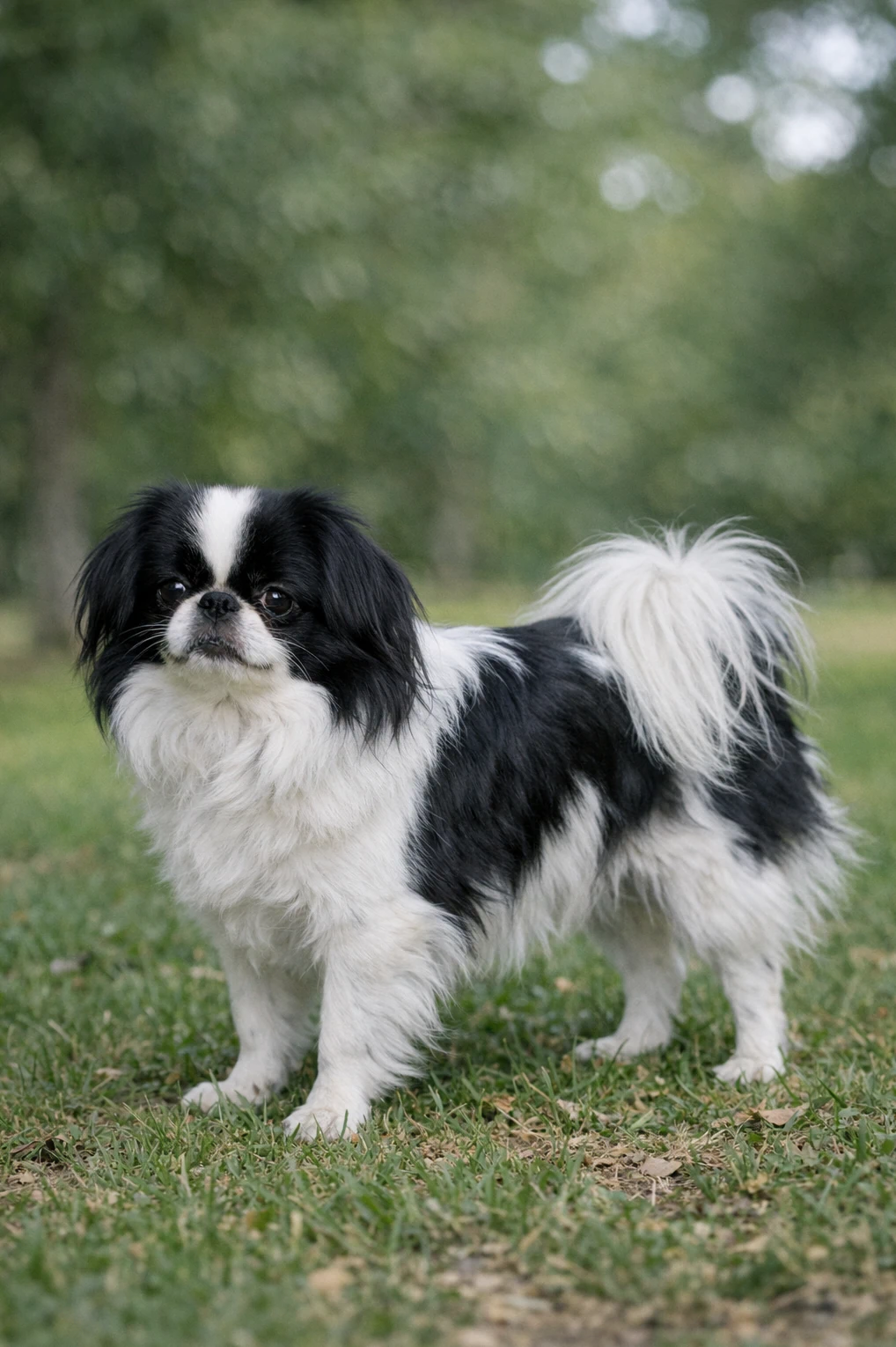
Japanese Chin: petite companion standing 8-11 inches tall and weighing 7-11 pounds, playful, devoted, and refined. Nutritional verdict: balanced, small-breed diet with high-quality protein and healthy fats supports long-term health.
Understanding the Japanese Chin Metabolism and Energy Needs
Descended from palace companions, this petite, courtly dog has a delicate frame and a sociable, attentive nature. Low endurance but lively in short bursts, they need nutrition that supports muscle tone without excess bulk.
That means leaning on quality protein to preserve lean tissue and support heart muscle, especially in small dogs where every ounce counts. Aim for a formula richer in protein than many large-breed recipes, with moderate, calorie-dense fats for steady energy and skin and coat health, plus slow-burning carbohydrates to stabilize blood sugar and prevent unwanted weight gain.
Add omega-3 fatty acids for a glossy coat and joint comfort, taurine and L-carnitine to support cardiac health, and glucosamine as they age for joint resilience. Small kibble, measured portions, and attentive dental care complete the plan, keeping a compact companion healthy and sprightly.
Managing Japanese Chin Genetic Health Risks Through Nutrition
Luxating Patellas (slipping kneecaps)
Helpful nutrients
Cataracts
Helpful nutrients
Epilepsy
Helpful nutrients
Early-Onset Heart Murmurs
Helpful nutrients
GM2 Gangliosidosis (Tay-Sachs)
Helpful nutrients
Obesity and Weight Gain
Helpful nutrients
Japanese Chin Feeding & Calorie Calculator
Estimated Daily Calories
Tip: Start with this amount and adjust after 2–3 weeks based on your dog's body condition and weight trend.
This estimate provides a starting point for feeding. Individual calorie needs may vary depending on metabolism, body condition, and health status. Always monitor your dog's weight and consult your veterinarian when adjusting diet.
Foods and Ingredients to Avoid for Japanese Chin Dogs
Because Japanese Chin are small and can gain weight easily, high-fat foods and greasy table scraps pose a double threat.
Extra weight strains their tiny joints and can worsen luxating patellas and early heart concerns, and high fat can trigger pancreatitis.
Stick to lean proteins and measured portions, and talk with your vet before introducing richer homemade meals.
Keeping fat at appropriate levels helps maintain a healthy weight and keeps your Chin springy and comfortable.
Xylitol is extremely toxic to dogs, and in a tiny Japanese Chin even small amounts can cause a rapid, life-threatening drop in blood sugar and liver failure.
This sweetener appears in sugar-free gum, many peanut butters, baked goods, and some dental products.
Always check ingredient labels and avoid giving any human treats that contain sugar substitutes. If you suspect exposure, seek emergency veterinary care right away.
Grapes, raisins, and currants have been linked to sudden kidney failure in some dogs, and the reaction is unpredictable and not dose-dependent.
A small Japanese Chin can be harmed by a very small amount, so there is effectively no safe quantity to offer.
Never offer these fruits as treats and watch for them in baked goods and trail mixes.
If you suspect your dog ate any, contact your veterinarian immediately for guidance.
Onions, garlic, chives, and related plants can damage red blood cells and lead to hemolytic anemia, which is particularly dangerous for small breeds like the Japanese Chin.
Both raw and cooked forms, and even powdered seasoning, can cause issues over time.
Avoid sharing foods seasoned with alliums and read labels on packaged foods and broths.
Early signs include weakness, pale gums, and rapid breathing, so call your vet if you notice anything unusual.
Large, hard chews and cooked bones may seem satisfying but they can break teeth, splinter, or cause choking and intestinal blockage.
A tiny Japanese Chin has a small mouth and relatively delicate teeth, making these items more risky than for larger breeds.
Choose appropriately sized, softer chews made for small dogs, or supervise all chewing sessions closely.
When in doubt, ask your veterinarian for safer chew options that support dental health without the hazards.
Because Japanese Chin are small and sometimes prone to carrying extra pounds, frequent treats and calorie-dense snacks add up quickly.
Overfeeding can lead to obesity, which increases strain on joints, complicates luxating patellas, and can worsen early heart murmurs.
Use low-calorie training treats, reduce meal portions on days when extra snacks are given, and weigh your dog regularly to keep calories in check.
Your veterinarian can help tailor a treat and meal plan that keeps your Chin fit and happy.
How Nutritional Needs Change Throughout the Japanese Chin Life Stages
Dogs need different nutrition at puppyhood, adulthood, and senior years, because their bodies change as they grow, maintain, and age. These changing needs depend on a breed's growth rate, activity level, and common health tendencies, so feeding should reflect those factors. Understanding the basics helps you choose the right calorie level, nutrient balance, and feeding schedule for each life stage.
| Life Stage | Age Range | Primary Objective | Key Nutrient Focus |
|---|---|---|---|
| Puppy | 0–10 months | controlled skeletal development, immune support, brain development | DHA, balanced calcium/phosphorus, high-quality protein |
| Adult | 10 months–8 years | lean muscle maintenance and sustained energy | high-quality protein, omega-3 fatty acids, fiber |
| Senior | 8+ years | joint mobility, metabolic health, and cognitive support | glucosamine, chondroitin, antioxidants, lower calories |
Japanese Chin puppies grow quickly to their petite adult size, often reaching maturity by about six to nine months, so nutrition must support steady, not rushed, growth. A controlled but nutrient-dense puppy formula made for small breeds supplies concentrated calories without overfeeding, which helps protect developing bones and the delicate joints prone to luxating patellas.
Feed small, frequent meals, three to four times a day, because their tiny stomachs and high metabolism need steady energy. Focus on high-quality protein, balanced calcium and phosphorus for skeletal development, DHA for brain and vision, plus omega-3 fatty acids and antioxidants; remember that good nutrition supports overall health but cannot prevent genetic conditions like GM2, so work with your vet and breeder.
As adult Japanese Chins settle into companion life, their nutrition shifts to maintaining lean muscle, steady energy, and a healthy weight. Choose a balanced diet with high-quality animal protein and moderate fat, because protein supports muscle and fat supplies energy without excess calories that can lead to obesity and added stress on knees.
Feed twice a day with portion control based on their activity level, watching body condition rather than just the package guidelines. Because this breed can show early heart murmurs or eye issues, work with your vet to adjust sodium if advised, and include dental-friendly kibble or regular dental care to support overall health.
In senior years Japanese Chins often slow down, with a lower metabolism and reduced activity that can lead to weight gain and stiffness. Their digestion may become less efficient, and small joints like knees can feel the effects of wear, so calorie needs usually drop while the need for joint and antioxidant support rises.
Offer slightly fewer calories from fat, keep high-quality, easily digestible protein to preserve muscle, and consider adding omega-3s and joint support nutrients like glucosamine and chondroitin after talking with your vet. Gentle fiber increases can help regularity, and softer or smaller kibble can make meals easier for older teeth, while regular checkups catch heart or eye changes early.
Kibble vs Fresh vs Raw for Japanese Chin
Different feeding models suit different lifestyles and dog needs, especially for a small, elegant companion like the Japanese Chin.
Consider activity level, weight management, and breed-specific health tendencies when choosing a diet.
Pros
- Easy to portion for tiny appetites, supporting consistent calorie control.
- Formulas for small breeds deliver concentrated calories and nutrients.
- Shelf-stable and convenient for busy owners with minimal prep.
- Many include dental-focused kibble shapes that help reduce tartar.
Cons
- Calorie-dense recipes can lead to weight gain in sedentary dogs.
- Low moisture may not suit dogs that drink little water.
- Some brands use fillers or low-quality ingredients with less nutrition.
- Portion mistakes are common with tiny breeds, risking overfeeding.
Pros
- Very palatable, often loved by picky Japanese Chin.
- High moisture supports hydration and gentle digestion.
- Full control over ingredients helps manage allergies and sensitivities.
- Easier to adjust portion sizes for weight and joint health.
Cons
- Time-consuming to prepare and plan balanced meals consistently.
- Can be more expensive than kibble over time.
- Needs supplementation or vet guidance to ensure complete nutrition.
- Requires refrigeration and careful storage for small portion sizes.
Pros
- Mimics ancestral protein-rich meals, appealing to some owners.
- Some owners report shinier coats and higher energy.
- Can be prepared in small pieces for tiny jaws.
- Less processing preserves some heat-sensitive nutrients.
Cons
- Higher bacterial contamination risk requires strict hygiene.
- Small bones pose choking or splintering risks for petite breeds.
- Balancing vitamins and minerals is challenging without guidance.
- Not ideal for households with young children or immunocompromised people.
- May complicate existing cardiac or neurological conditions without testing.
| Diet Type | Pros for Japanese Chin | Potential Downsides |
|---|---|---|
| High-Quality Kibble |
|
|
| Fresh Cooked Food |
|
|
| Raw Diet (BARF) |
|
|
Our Recommendation
For many Japanese Chin owners, high-quality small-breed kibble offers balanced nutrition and easy portion control for daily life.
Fresh cooked food can be ideal for picky eaters or dogs with sensitivities. Raw diets require close veterinary supervision and strict hygiene.
See Also
Breeds with similar group, size, and coat characteristics