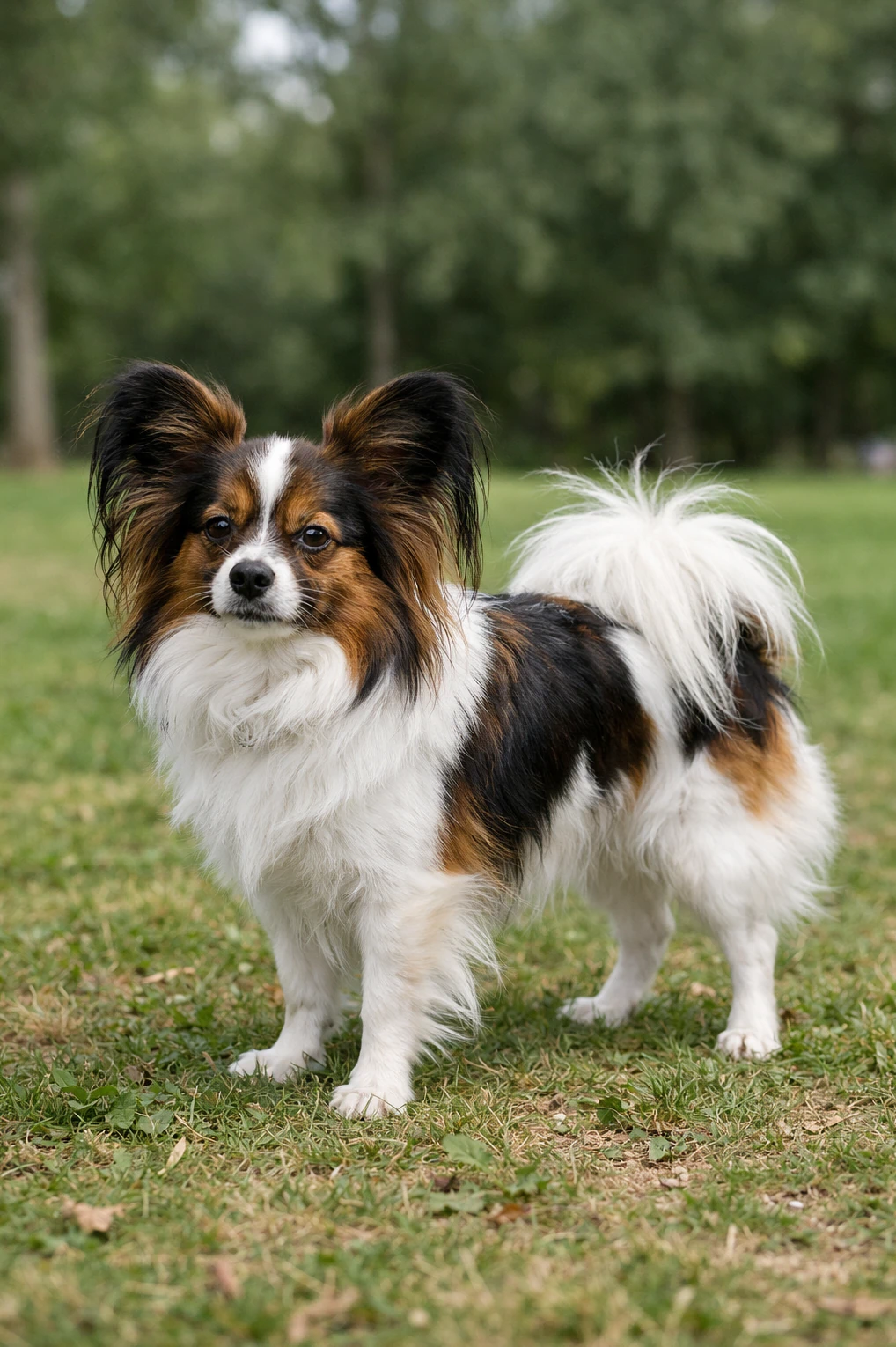
Best Dog Food for Affenpinscher in 2026Based on Nutritional Science
Affenpinscher: compact pup, about 9 to 11.5 inches tall and 7 to 10 pounds. Self-assured, comically charming, and bold. Nutritional verdict: small, nutrient-dense meals, balanced protein and healthy fats with portion control for steady energy.

Understanding the Affenpinscher Metabolism and Energy Needs
This little, bold companion was historically useful around the home, often chasing pests and staying close to people. That active, mischievous personality plus compact muscles means food should focus on maintaining lean tissue and supporting fast, alert behavior without excess bulk.
A higher share of quality protein, roughly 28 to 32 percent of calories, helps preserve muscle that powers short energetic bursts, so ingredients like chicken, turkey, or fish work well. Moderate healthy fats, about 18 to 22 percent, supply concentrated energy and support a lustrous coat; adding fish oil gives beneficial DHA and EPA for brain and skin health.
Easily digestible carbohydrates such as sweet potato provide steady fuel and fiber while limiting empty calories. Small dogs also gain from antioxidants and omega-3 supplements for immune and cognitive support, and occasional joint-support nutrients like glucosamine can help protect tiny joints over time.
Managing Affenpinscher Genetic Health Risks Through Nutrition
Luxating Patella
Helpful nutrients
Hip Dysplasia
Helpful nutrients
Heart Anomalies
Helpful nutrients
Vision Problems
Helpful nutrients
Breathing Problems & Heat Sensitivity
Helpful nutrients
Obesity
Helpful nutrients
Affenpinscher Feeding & Calorie Calculator
Estimated Daily Calories
Tip: Start with this amount and adjust after 2–3 weeks based on your dog's body condition and weight trend.
This estimate provides a starting point for feeding. Individual calorie needs may vary depending on metabolism, body condition, and health status. Always monitor your dog's weight and consult your veterinarian when adjusting diet.
Foods and Ingredients to Avoid for Affenpinscher Dogs
Because Affenpinschers are small and some can gain weight easily, rich or fatty foods can quickly lead to obesity and put extra stress on joints and the heart.
High-fat table scraps and greasy human foods can also trigger pancreatitis, a painful and potentially serious condition that needs veterinary care.
Stick to lean, portion-controlled meals and use low-calorie treats to help keep your pup at a healthy weight and comfortable energy level.
Xylitol, found in sugar-free gum, some peanut butters, candies, and baked goods, causes rapid hypoglycemia and can lead to liver failure in dogs, even in tiny amounts for small breeds.
Because Affenpinschers weigh only 7 to 10 pounds, a small taste can be dangerous, so always check ingredient lists and keep sweetened products out of reach.
When in doubt, choose single-ingredient treats and consult your veterinarian if accidental ingestion occurs.
Grapes and raisins can cause kidney failure in dogs, and chocolate contains theobromine and caffeine, which are toxic and can affect the heart and nervous system.
Small breeds like the Affenpinscher are especially vulnerable because it takes only a small amount of these foods to produce harmful effects.
Avoid sharing baked goods, candy, or fruit with your dog and contact your vet immediately if you suspect ingestion.
Onions, garlic, leeks and chives contain compounds that can damage red blood cells and lead to hemolytic anemia, sometimes showing signs days after exposure.
Both raw and cooked forms, as well as powders found in seasonings and prepared foods, can be risky, and small dogs need extra caution because lower doses can have big effects.
Keep all allium-containing foods away from your Affen, and seek veterinary advice if you suspect your dog ate any.
Big, hard bones, antlers and overly tough chews can crack or wear down teeth, and they can pose a choking or intestinal blockage hazard for tiny breeds like the Affenpinscher.
Their small jaws and delicate teeth are better suited to appropriately sized, softer chews designed for small dogs.
Supervise chewing sessions, discard small fragments, and choose dental-friendly options recommended by your veterinarian or dental specialist.
Some grain-free commercial diets that rely heavily on peas, lentils and other legumes have been associated with an increased risk of certain heart problems in dogs, especially when fed long term without proper nutrient balance.
Given that Affenpinschers can have heart anomalies, it is wise to avoid diets that substitute large amounts of legumes for traditional grains unless a veterinary nutritionist approves the formulation.
Discuss diet choices with your vet to ensure your dog gets balanced, heart-supporting nutrition.
How Nutritional Needs Change Throughout the Affenpinscher Life Stages
Dogs need different nutrition at puppyhood, adulthood, and senior years. These shifts depend on growth rate, activity level, and breed health tendencies. For an Affenpinscher, small size, lively temperament, and certain genetic risks change what to feed at each stage. Puppies have rapid growth and high calorie needs, adults need maintenance for muscle and energy, and seniors may require fewer calories and more joint support and digestible nutrients.
| Life Stage | Age Range | Primary Objective | Key Nutrient Focus |
|---|---|---|---|
| Puppy | 0–10 months | controlled skeletal development, immune support, brain development | DHA, balanced calcium/phosphorus, high-quality protein |
| Adult | 10 months–8 years | lean muscle maintenance and sustained energy | high-quality protein, omega-3 fatty acids, fiber |
| Senior | 8+ years | joint mobility, metabolic health, and cognitive support | glucosamine, chondroitin, antioxidants, lower calories |
Affenpinscher puppies grow quickly and reach their adult size sooner than larger breeds, so early growth patterns focus on steady, controlled weight gain to protect developing bones and joints. Breeders often monitor for luxating patella and hip concerns, so balanced growth is important.
Choose puppy formulas with high-quality protein and appropriate calcium to phosphorus ratios, plus DHA for brain and vision development. Healthy fats provide concentrated energy for their lively, fearless play, while antioxidants support immune development.
Feed small, frequent meals, generally three to four times daily, to match their fast metabolism and tiny stomachs. Keep puppies cool during active play to avoid breathing stress, and work with your vet on portion sizes as they grow.
As adults, Affenpinschers need steady nutrition to maintain muscle and consistent energy for their playful, confident nature. Because they are small with a fairly high metabolism, adult diets should include high-quality protein to preserve lean muscle and moderate fat for energy without excess calories that lead to weight gain.
Choose kibble sized for small mouths and a formula balanced in protein, fats, and fiber to support digestion. Lifestyle matters, if your Affen is very active you may need higher calorie portions, while a more sedentary indoor companion will benefit from slightly reduced calories and regular portion control.
Watch for heart and dental health, and adjust feeding routines in hot weather to avoid overexertion and breathing stress. Regular weigh-ins and working with your veterinarian help keep nutrition on track.
In senior years, an Affenpinscher's metabolism often slows and activity typically decreases, which can lead to weight gain if portions are not adjusted. Aging also affects digestion and dental health, so easier-to-digest recipes and softer kibble or wet food can help maintain nutrient intake.
Joint support becomes important since small breeds can develop luxating patella and other mobility issues, so look for diets or supplements with glucosamine, chondroitin, and omega-3 fatty acids. Antioxidants like vitamins E and C support cellular health and can help older immune systems.
Maintain adequate high-quality protein to preserve muscle while slightly lowering calories if activity drops, and offer smaller, more frequent meals if appetite or digestion changes. Keep an eye on heart, vision, and breathing in heat, and review diet with your vet for individualized needs.
Kibble vs Fresh vs Raw for Affenpinscher
Different feeding models suit different lifestyles and health needs. For Affenpinschers, small size, confident personality, and breathing sensitivity help shape the best choices.
Pros
- Convenient and easy to portion for busy small-breed owners.
- Formulas for small breeds deliver concentrated nutrients in small kibble sizes.
- Crunchy texture helps reduce plaque buildup on small teeth.
- Shelf-stable and portable for travel or daycare visits.
Cons
- Lower moisture content can be a problem for dogs sensitive to heat.
- Calorie-dense options risk weight gain without careful portion control.
- Some brands use fillers or artificial additives affecting sensitive stomachs.
- Not as enticing for picky Affens who prefer fresh aromas.
Pros
- High moisture content supports hydration, helpful for brachycephalic breathing.
- Very palatable, great for picky and playful Affen appetites.
- Full control over ingredients helps manage allergies and specific health needs.
- Easier to adjust portion sizes for tiny, active bodies.
Cons
- Requires time and planning to ensure complete, balanced nutrition.
- More expensive daily than many kibble options.
- Meals need refrigeration and careful storage for safety.
- Mistakes in recipes can lead to nutrient gaps or excesses.
Pros
- High-quality proteins may improve coat and lean muscle tone.
- Less processing preserves some natural nutrients and flavors.
- Can be portioned for small jaws and high energy bursts.
- Some owners report better stool quality and vitality.
Cons
- Higher risk of bacterial contamination without strict hygiene.
- Raw bones can be hazardous for small breeds if not chosen correctly.
- Requires careful balancing and veterinary supervision to prevent deficiencies.
- More expensive and time consuming than kibble for many households.
| Diet Type | Pros for Affenpinscher | Potential Downsides |
|---|---|---|
| High-Quality Kibble |
|
|
| Fresh Cooked Food |
|
|
| Raw Diet (BARF) |
|
|
Our Recommendation
Overall, high-quality small-breed kibble suits many Affenpinschers for convenience, dental help, and easy portion control.
Fresh cooked plans work well for picky or sensitive dogs, while raw diets require careful veterinary guidance and strict hygiene.
See Also
Breeds with similar group, size, and coat characteristics