Best Dog Food for Manchester Terrier (Toy) in 2026Based on Nutritional Science
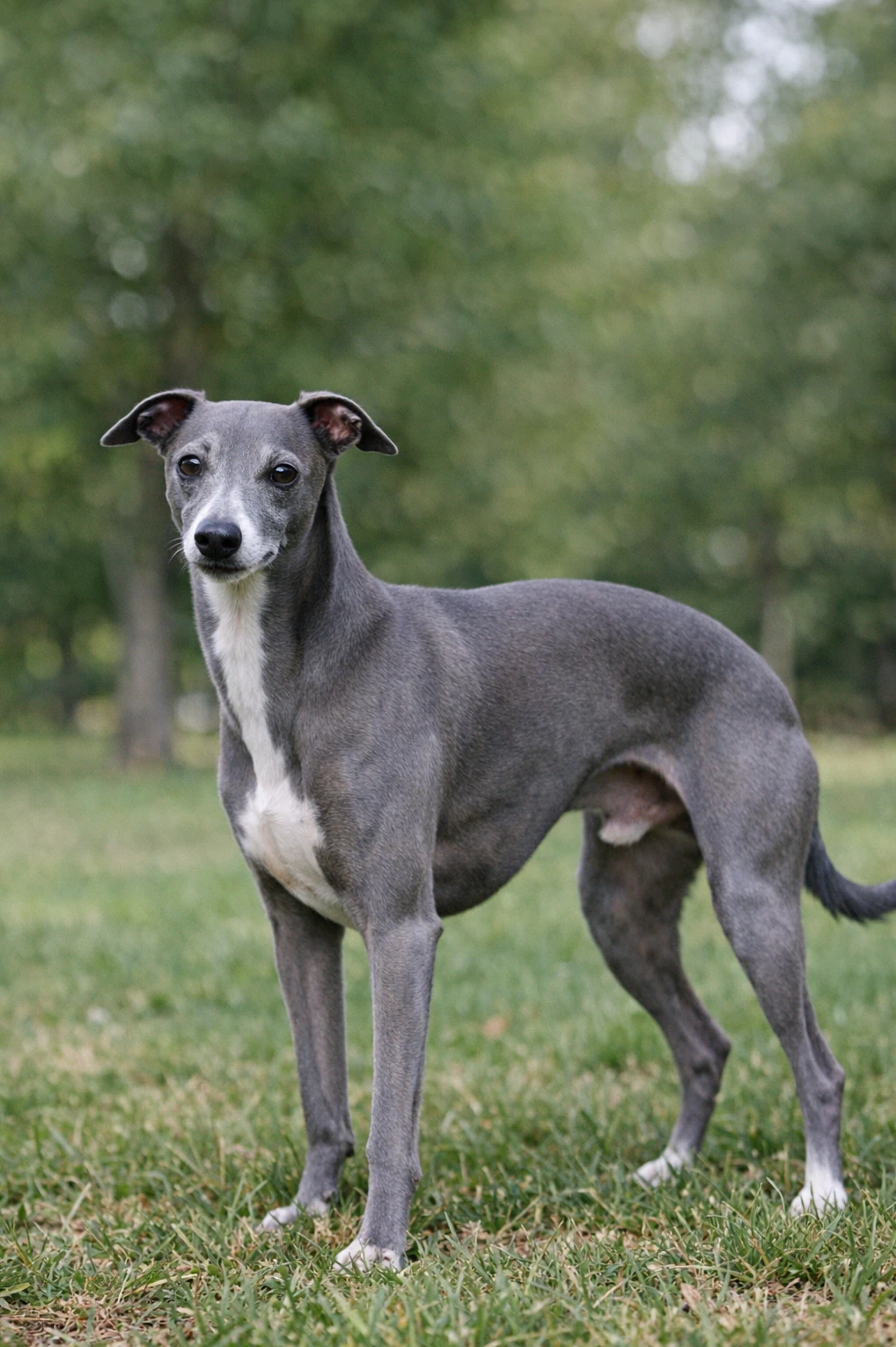
Small at 10 to 12 inches and under 12 pounds, the Toy Manchester is clever, nimble, and lively. Nutritional Verdict: lean, high-quality protein with balanced fats and moderate carbs supports energy and muscle tone.

Understanding the Manchester Terrier (Toy) Metabolism and Energy Needs
This compact terrier companion was shaped by a history of quick work and close partnership, so its diet should support a high-alert, fast-moving temperament as well as a small frame. Lean, easily digested protein helps preserve muscle and supports quick reflexes and learning, while moderate, quality fats supply concentrated energy and nourish a fine coat and skin. Carbohydrates should be slow-burning and limited to avoid blood sugar spikes, with fiber and probiotics to aid digestion between active bursts.
Because little bodies burn calories faster, calorie-dense meals in smaller portions help maintain stable energy without overfeeding. Omega-3 fats and antioxidants support brain clarity and joint health for lively play, and chewing-friendly kibble or wet food can help keep teeth healthy in a tiny mouth. Overall, balance, frequent meals, and targeted supplements keep this lively companion bright and sturdy.
Managing Manchester Terrier (Toy) Genetic Health Risks Through Nutrition
Juvenile Cardiomyopathy
Helpful nutrients
Anesthesia Sensitivity
Helpful nutrients
Patellar Luxation (Loose Knees)
Helpful nutrients
Mammary (Breast) Cancer and Pyometra in Unspayed Females
Helpful nutrients
Obesity / Overweight
Helpful nutrients
Manchester Terrier (Toy) Feeding & Calorie Calculator
Estimated Daily Calories
Tip: Start with this amount and adjust after 2–3 weeks based on your dog's body condition and weight trend.
This estimate provides a starting point for feeding. Individual calorie needs may vary depending on metabolism, body condition, and health status. Always monitor your dog's weight and consult your veterinarian when adjusting diet.
Foods and Ingredients to Avoid for Manchester Terrier (Toy) Dogs
High-fat foods and greasy table scraps can quickly push a Manchester Terrier over a healthy weight, since many Manchesters have an appetite for treats and some are prone to gaining weight.
Excess fat also raises the risk of pancreatitis, a painful inflammation that can require veterinary care and hospital stays.
Because this is a small breed under 12 pounds, even modest extra calories add up.
Stick to lean proteins and measured portions, and check with your vet before changing fat levels in their diet.
Cooked bones and very hard chews can splinter or break teeth, and they may cause choking or intestinal blockages that need surgery.
Surgery and anesthesia should be handled carefully in the Manchester Terrier, so preventing avoidable surgical emergencies is especially important.
Choose safe, appropriately sized chews designed for small dogs, and supervise any new chew until you are sure it wears down safely.
When in doubt, ask your vet for recommendations.
Xylitol, a common sweetener in sugar-free gum, candy, some peanut butters, and baked goods, can trigger a rapid insulin surge in dogs.
This can lead to dangerous low blood sugar within minutes and possible liver failure, and small dogs can become critically ill from very small amounts.
Always read labels carefully, keep human snacks out of reach, and tell family and guests that even small leftovers can be life threatening to a Manchester Terrier.
Grapes and raisins can cause sudden kidney failure in some dogs, and there is no reliable safe dose.
For a tiny Manchester Terrier, the amount needed to cause harm can be very small, so avoiding these fruits entirely is the safest choice.
Also be cautious with fruit pits and seeds which can be choking hazards or contain toxins. Offer dog-safe fruits in small measured amounts after checking with your vet.
Large training treats, people food, and frequent table scraps contribute to excess calorie intake and weight gain.
Extra weight increases stress on small joints, worsening patellar luxation risk, and makes anesthesia and surgery more complicated should they need care for heart or other conditions.
Use tiny, low-calorie rewards during training and count them toward daily calories. Treats can be helpful and fun, but moderation keeps your Manchester light, agile, and healthy.
Chocolate and caffeinated products contain theobromine and caffeine, stimulants that dogs cannot metabolize well.
Even small amounts can cause vomiting, rapid heart rate, tremors, or worse, and a Manchester Terrier's small size makes them more vulnerable to toxicity.
Keep all chocolate, coffee grounds, soda, and energy drinks well out of reach, and be especially cautious during holidays or baking when tempting leftovers may be left unattended.
How Nutritional Needs Change Throughout the Manchester Terrier (Toy) Life Stages
Manchester Terrier (Toy) dogs have different nutritional needs at puppyhood, adulthood, and senior years. Their small size, spirited energy, and quick growth mean calorie needs and nutrient balance change as they age. Diet choices should reflect the breed's growth rate, activity level, and common health tendencies, such as monitoring for juvenile cardiomyopathy and guarding against patellar luxation through healthy weight management.
| Life Stage | Age Range | Primary Objective | Key Nutrient Focus |
|---|---|---|---|
| Puppy | 0–10 months | controlled skeletal development, immune support, brain development | DHA, balanced calcium/phosphorus, high-quality protein |
| Adult | 10 months–8 years | lean muscle maintenance and sustained energy | high-quality protein, omega-3 fatty acids, fiber |
| Senior | 8+ years | joint mobility, metabolic health, and cognitive support | glucosamine, chondroitin, antioxidants, lower calories |
Puppies of the Manchester Terrier (Toy) grow quickly in the first months, often reaching close to adult size by around nine to twelve months, so skeletal development needs thoughtful support. Balanced calcium and phosphorus, steady but not excessive calories, and high quality protein help developing bones and muscles while avoiding undue strain on growing joints, which is important given the breed's predisposition to patellar luxation.
Feed small, frequent meals three to four times a day because their tiny stomachs and fast metabolism cannot handle large portions. Prioritize DHA for brain and eye development, omega 3 fatty acids for skin and coat, and antioxidants for immune support, and discuss heart screening with your vet because of the breed's genetic cardiomyopathy concerns.
An adult Manchester Terrier (Toy) benefits from a diet that sustains steady energy and lean muscle to match their intelligent, agile, and spirited nature. Small breeds burn energy quickly, so nutrient dense meals with balanced protein and healthy fats maintain muscle mass and support activity without excess calories that lead to weight gain. Portion control and two meals a day help stabilize energy and prevent overfeeding.
Adjust intake to lifestyle, offering more calories for very active dogs and slightly less for calmer house pets. Include omega 3s for skin and coat health, consider dental friendly kibble to reduce tartar common in small mouths, and keep routine heart checks in mind given the breed's cardiomyopathy risk.
As Manchester Terriers enter their senior years, metabolism often slows and activity can drop, so calorie needs may decrease while protein requirements stay high to preserve lean mass and strength. Mobility issues, including arthritis or worsening patellar luxation, make joint support important, so diets or supplements that include glucosamine, chondroitin, and omega 3 fatty acids can help manage inflammation and support cartilage.
Aging can also affect digestion and dental health, so easily digestible proteins, added fiber, and probiotics support gut function and nutrient absorption. Antioxidants support immune and cognitive health, and heart friendly nutrients plus regular veterinary screening remain crucial given the breed's cardiomyopathy concern. Monitor weight closely and adjust portions to keep a comfortable body condition.
Kibble vs Fresh vs Raw for Manchester Terrier (Toy)
Different feeding models suit different lifestyles, activity levels, and health needs. Below are pros and downsides of each style tailored to the Manchester Terrier (toy).
Pros
- Convenient and easy to portion for a tiny, active Manchester Terrier.
- Small-breed formulas provide concentrated nutrients in appropriate serving sizes.
- Crunchy texture can help reduce tartar on small teeth.
- Stable shelf life makes travel and busy days simpler.
Cons
- Can be calorie-dense, risking weight gain without careful portion control.
- Lower moisture content may not support optimal hydration in small dogs.
- Some formulas include fillers or additives that irritate sensitive stomachs.
- Hard to customize for cardiac or orthopedic issues without veterinary input.
Pros
- Highly palatable, often great for picky Manchester Terriers.
- Higher moisture helps with hydration and urinary tract health.
- Full control over ingredient quality and fat sources for small dogs.
- Easier to avoid specific allergens or intolerances common in some pets.
Cons
- Requires careful planning to ensure complete and balanced nutrition.
- More time consuming and often costlier than commercial kibble.
- Needs refrigeration and safe handling for small batch meals.
- May need supplementation or vet guidance for heart-healthy nutrients.
Pros
- High protein and natural fats can support energy and muscle tone.
- Some owners notice improved coat condition and vitality.
- Minimally processed ingredients appeal to those preferring whole foods.
Cons
- Bacterial contamination risk demands strict hygiene and safe sourcing.
- Small bones can splinter and pose choking or gastrointestinal hazards.
- Balancing vitamins and minerals is tricky without professional guidance.
- May be risky for dogs with unknown cardiac issues without vet clearance.
| Diet Type | Pros for Manchester Terrier (Toy) | Potential Downsides |
|---|---|---|
| High-Quality Kibble |
|
|
| Fresh Cooked Food |
|
|
| Raw Diet (BARF) |
|
|
Our Recommendation
For most Manchester Terriers, a high-quality small-breed kibble or a carefully balanced fresh cooked plan meets their energy and size needs best.
Raw feeding can work for some owners, but it needs close veterinary oversight because of bacterial, bone, and cardiac considerations.
See Also
Breeds with similar group, size, and coat characteristics