Best Dog Food for Italian Greyhound in 2026Based on Nutritional Science
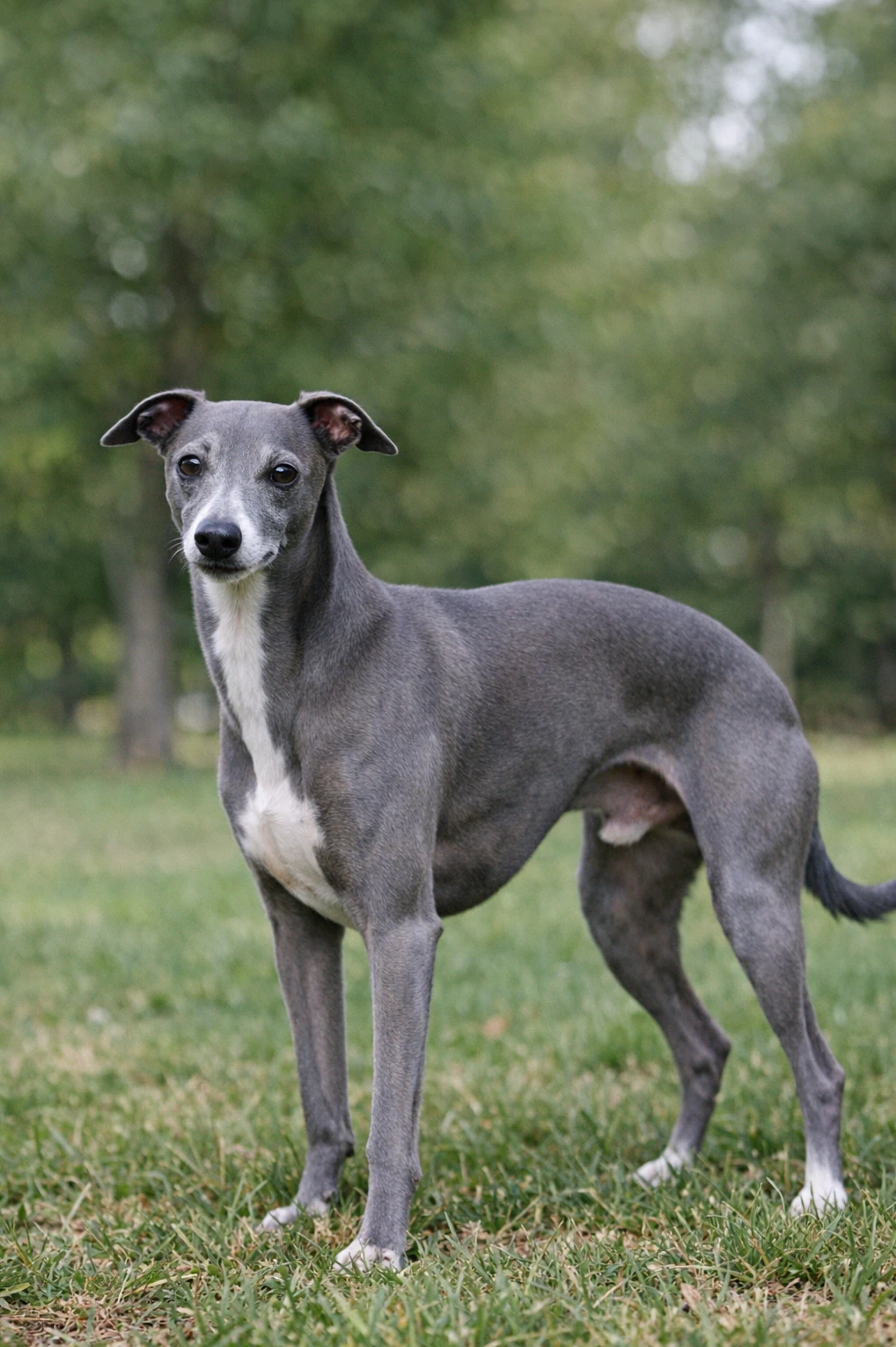
Compact at 13 to 15 inches, 7 to 14 pounds, the Italian Greyhound is vigilant, lively and delicate. Nutritional verdict: lean protein with balanced fats and measured portions fuel their energetic frame.
Understanding the Italian Greyhound Metabolism and Energy Needs
This small, sprightly companion was refined for rapid bursts of speed and close companionship, so its body favors lean muscle and quick energy rather than heavy reserves. That history means diets should emphasize highly digestible animal proteins to preserve muscle and support recovery after short, intense activity.
Concentrated fats give compact calories and help maintain body heat and a sleek coat, especially since this type has low natural insulation and fine skin. Include omega-3 sources such as fish oil to soothe skin and support brain function.
Easily digested carbohydrates like cooked rice or sweet potato supply steady fuel and fiber without upsetting delicate stomachs, and smaller, more frequent meals reduce the risk of energy dips. Consider B vitamins and joint support nutrients as preventive measures for a lively, emotionally attuned companion.
Managing Italian Greyhound Genetic Health Risks Through Nutrition
Progressive Retinal Atrophy (PRA)
Helpful nutrients
Autoimmune Problems
Helpful nutrients
Legg-Calve-Perthes Disease (hip joint issues)
Helpful nutrients
Hypothyroidism
Helpful nutrients
Fractures and Bone Injuries
Helpful nutrients
Obesity and Weight Management
Helpful nutrients
Italian Greyhound Feeding & Calorie Calculator
Estimated Daily Calories
Tip: Start with this amount and adjust after 2–3 weeks based on your dog's body condition and weight trend.
This estimate provides a starting point for feeding. Individual calorie needs may vary depending on metabolism, body condition, and health status. Always monitor your dog's weight and consult your veterinarian when adjusting diet.
Foods and Ingredients to Avoid for Italian Greyhound Dogs
Because Italian Greyhounds are small, easily tipped toward weight gain, and sensitive to pancreatitis, high-fat foods and fatty table scraps should be avoided.
Too much fat can trigger pancreatitis and lead to rapid weight gain that stresses their delicate legs and joints, increasing the risk of injury such as fractures.
Stick to lean protein sources and measured portions to maintain a trim body condition where the hip bones are just visible.
Giving large, hard chews or recreational bones is risky for an Italian Greyhound because their bones are finer and their legs are prone to fracture.
A vigorous gnaw on an oversized bone can lead to broken teeth or even a broken limb if the dog slips or twists while holding the item.
Choose appropriately sized, softer chew alternatives and supervise chewing to protect their delicate mouth and slender legs.
It is easy to over-treat an Italian Greyhound during training or with table scraps, and excess calories quickly lead to obesity in a 7 to 14 pound dog.
Extra weight amplifies stress on hips and fragile legs and can mask signs of conditions like hypothyroidism, while frequent treats can upset digestion or cause picky eating.
Use low-calorie, small treats, count them toward daily calories, and consult your vet about suitable portion sizes.
Xylitol and other artificial sweeteners are highly toxic to dogs and should be avoided entirely, especially in a small breed like the Italian Greyhound where tiny doses can have major effects.
Ingestion can cause rapid hypoglycemia, liver failure, and seizures, and household items like sugar-free gum, some peanut butters, and baked goods can contain hidden xylitol.
Always check ingredient labels and keep sweeteners safely out of reach.
Garlic, onion, leeks, and chives contain compounds that damage red blood cells and can cause hemolytic anemia, a risk that is more serious in small dogs like Italian Greyhounds.
Even moderate amounts spread over time, such as in sauces or table scraps, can accumulate and lead to weakness, pale gums, and decreased appetite.
Avoid giving these vegetables and be cautious with foods made for humans that may include them.
Recent research has linked some grain-free diets high in peas, lentils, chickpeas, or other legumes to an increased risk of dilated cardiomyopathy, a concern for any breed and particularly important for small dogs where even subtle heart changes matter.
For Italian Greyhounds, who may be screened for genetic issues, it is safer to choose balanced diets with varied carbohydrate sources unless your veterinarian recommends otherwise.
Discuss any grain-free formula with your vet and consider diets with established nutrient profiles and heart-supporting nutrients like taurine.
How Nutritional Needs Change Throughout the Italian Greyhound Life Stages
Nutrition needs change as dogs move from puppyhood to adulthood to their senior years, and Italian Greyhounds are no exception. Their small size, lively activity bursts, and sensitive nature mean calorie and nutrient needs shift with growth, daily exercise, and breed health tendencies. Growth rate, activity level, and predispositions such as Legg-Calve-Perthes or hypothyroidism all influence what diet fits best at each stage.
| Life Stage | Age Range | Primary Objective | Key Nutrient Focus |
|---|---|---|---|
| Puppy | 0–10 months | controlled skeletal development, immune support, brain development | DHA, balanced calcium/phosphorus, high-quality protein |
| Adult | 10 months–8 years | lean muscle maintenance and sustained energy | high-quality protein, omega-3 fatty acids, fiber |
| Senior | 8+ years | joint mobility, metabolic health, and cognitive support | glucosamine, chondroitin, antioxidants, lower calories |
Italian Greyhound puppies grow quickly to their small, elegant adult size and usually reach most of their height by about nine to twelve months, with skeletal maturity completing a bit later. Their fine, lightweight bones need careful support, because the breed is prone to fractures and conditions like Legg-Calve-Perthes, so steady, controlled growth is important.
Feed small, frequent meals to prevent low blood sugar and to match their fast metabolism and tiny stomachs, splitting daily rations into three to four portions while very young. Prioritize high quality protein for muscle and tissue development, appropriate calcium and phosphorus balance for bone growth, and DHA for brain and eye maturation, while avoiding excessive calories that can stress developing joints.
As adults, Italian Greyhounds need food that helps preserve lean muscle while supplying energy for short, lively bursts of activity. Choose a diet centered on high quality protein and digestible fats to maintain muscle tone and healthy skin, with controlled calories to prevent excess weight that could stress their delicate limbs.
Because many IGs live indoors and have a fine coat, calorie needs vary with activity and temperature, so tailor portion sizes to whether your dog is mostly calm or regularly running and playing. Keep an eye on dental health, and consider feeding kibble sized for small mouths or moistening food for picky eaters, while monitoring for signs of hypothyroidism and adjusting the diet with your veterinarian if metabolic changes arise.
As Italian Greyhounds enter their senior years, metabolism often slows and muscle mass can decline, while digestion may become more sensitive and dental wear can make chewing harder. Reduced activity and these changes mean calorie needs often fall, so adjust portion sizes to maintain a lean, strong body without unnecessary weight.
Support joints and mobility with diets that include omega-3 fatty acids and joint-friendly nutrients such as glucosamine and chondroitin, and add antioxidants like vitamin E and beta carotene to help overall immune and cellular health. Choose highly digestible proteins and consider slightly higher fiber for regularity, and work with your veterinarian to screen for hypothyroidism or other age-related issues so dietary changes match your IG's health needs.
Kibble vs Fresh vs Raw for Italian Greyhound
Different feeding models suit different lifestyles and dog needs. For the Italian Greyhound, size, sensitivity, activity level, and specific health risks shape the best choice.
Pros
- Convenient and easy to portion for busy owners.
- Small-breed formulas fit tiny mouths and controlled calorie needs.
- Crunch helps reduce tartar on teeth.
- Formulated kibbles provide consistent vitamins, minerals, and calorie balance.
Cons
- Can be calorie-dense, risking weight gain without careful portioning.
- Lower moisture may not suit dogs prone to dehydration.
- Some brands include fillers or artificial additives.
- Hard kibble may be uncomfortable for dogs with dental sensitivity.
Pros
- Highly palatable and good for picky eaters.
- High moisture content supports hydration and digestion.
- You control ingredients to avoid known allergens.
- Warm meals suit a sensitive, petite dog on cool days.
Cons
- More expensive and time consuming than kibble.
- Requires careful recipes or supplements to ensure nutritional balance.
- Needs refrigeration, planning, and safe storage between meals.
- Portion mistakes can lead to weight fluctuations in tiny dogs.
Pros
- High protein mirrors ancestral diets and supports lean muscle.
- Some owners report improved coat quality and vitality.
- Minimal processing keeps many nutrients intact.
- Flexible portioning can suit high energy bursts during play.
Cons
- Higher bacterial risk requires strict hygiene and handling.
- Small bones can pose choking or tooth fracture hazards.
- Imbalanced diets are common without expert guidance and supplementation.
- May be unsuitable for households with young children or immunocompromised people.
| Diet Type | Pros for Italian Greyhound | Potential Downsides |
|---|---|---|
| High-Quality Kibble |
|
|
| Fresh Cooked Food |
|
|
| Raw Diet (BARF) |
|
|
Our Recommendation
For most Italian Greyhounds, high-quality small-breed kibble balances convenience, nutrition, and dental support.
Fresh cooked meals often help picky or sensitive dogs, while raw diets should be chosen only with veterinary guidance and strict hygiene.
See Also
Breeds with similar group, size, and coat characteristics