Best Dog Food for Miniature Pinscher in 2026Based on Nutritional Science
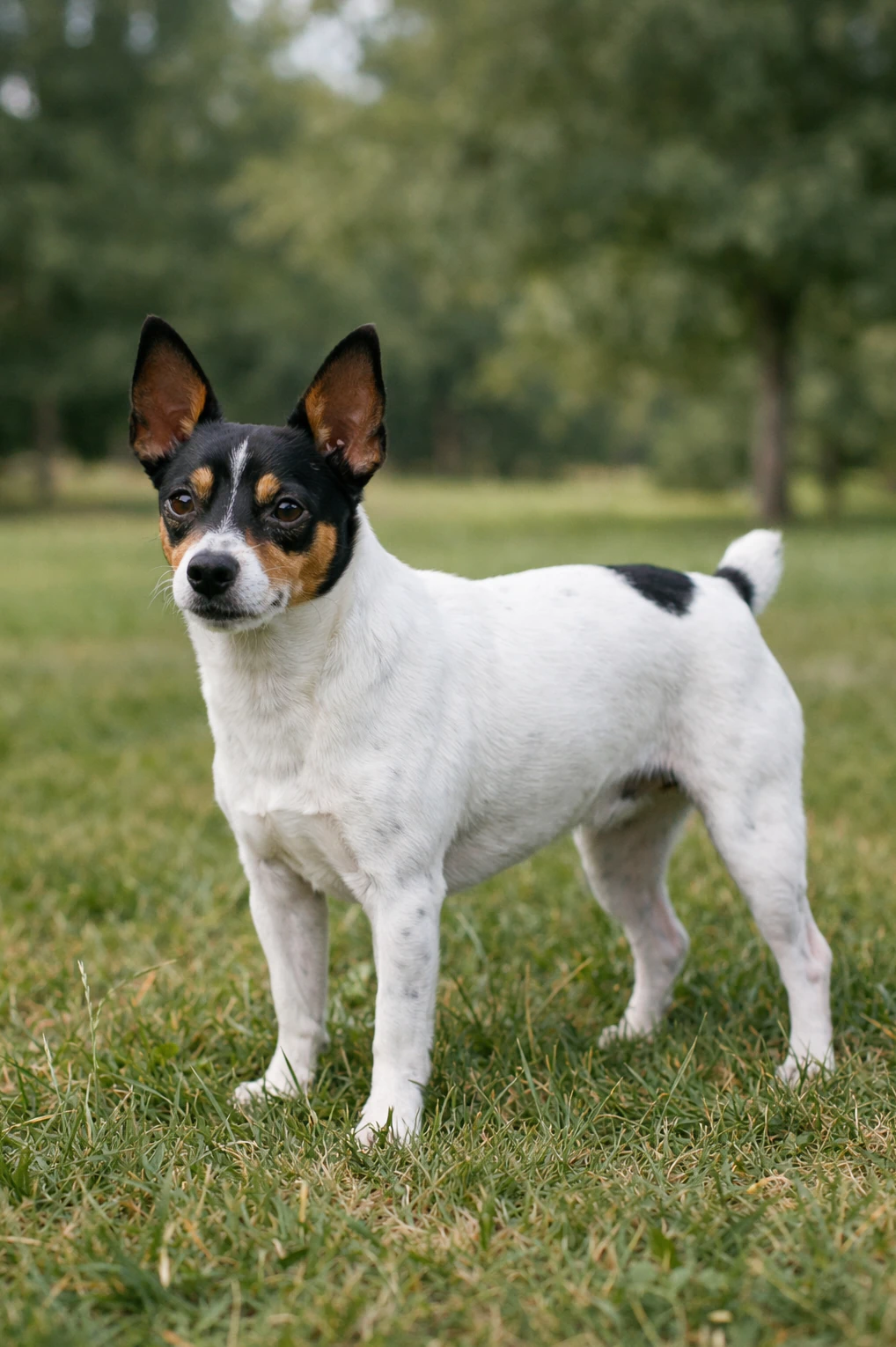
Compact and bold, the Miniature Pinscher measures 10–12.5 inches and weighs 8–10 pounds. Lively and self-assured. Nutritional verdict: a balanced, protein-forward diet supports high energy and lean muscle for playful daily bursts.

Understanding the Miniature Pinscher Metabolism and Energy Needs
As a compact, spirited companion originally used for clearing vermin and keeping homes lively, their body is built for short bursts of speed and sharp reflexes. That means lean, bioavailable protein is essential to preserve muscle and support quick movements, especially as they age.
Because these dogs burn energy fast but in short flights, concentrated healthy fats give dense calories without large portions, and they help keep skin and coat glossy. Carbohydrates should be limited and from whole sources, with fiber to steady blood sugar and support digestion.
Small mouths and high activity favor bite-size kibble and measured meals, and supplements like omega-3 fatty acids support brain health and coat, while joint and bone nutrients help protect nimble joints. Overall, calories must be concentrated, protein prioritized, and fats balanced for a lively, compact companion.
Managing Miniature Pinscher Genetic Health Risks Through Nutrition
Patellar Luxation
Helpful nutrients
Cervical (Dry) Disc / Intervertebral Disc Disease
Helpful nutrients
Legg-Calve-Perthes Disease
Helpful nutrients
Epilepsy
Helpful nutrients
Thyroid Disorders
Helpful nutrients
Heart Defects
Helpful nutrients
Eye Problems
Helpful nutrients
Dental Disease
Helpful nutrients
Obesity / Overweight
Helpful nutrients
Miniature Pinscher Feeding & Calorie Calculator
Estimated Daily Calories
Tip: Start with this amount and adjust after 2–3 weeks based on your dog's body condition and weight trend.
This estimate provides a starting point for feeding. Individual calorie needs may vary depending on metabolism, body condition, and health status. Always monitor your dog's weight and consult your veterinarian when adjusting diet.
Foods and Ingredients to Avoid for Miniature Pinscher Dogs
Miniature Pinschers are small dogs that can gain weight quickly, so high-fat foods and greasy table scraps are a real risk.
Excess fat contributes to obesity and places extra strain on tiny joints that may already be vulnerable to conditions like patellar luxation.
High-fat meals also raise the chance of pancreatitis, a painful emergency that is harder for an 8 to 10 pound dog to tolerate.
Keep treats lean and portions controlled to support a healthy weight and protect long-term joint and heart health.
Xylitol, found in many sugar-free gums, mints, and some peanut butters, causes a rapid insulin release that can lead to severe hypoglycemia and liver damage, especially in very small dogs.
Even tiny amounts can trigger seizures or collapse in an 8 to 10 pound MinPin, so vigilance is essential.
Artificial sweeteners can hide in unexpected products, so always read labels and avoid sharing human snacks unless they are confirmed safe for dogs.
Choose vet-approved treats and pet-safe peanut butter without xylitol for training and rewards.
Grapes and raisins can cause acute kidney failure in dogs, and small breeds like the Miniature Pinscher are at particular risk because it takes only a small amount to cause trouble.
Symptoms may be delayed but can escalate quickly, requiring urgent veterinary care to prevent lasting damage.
Avoid giving grapes, raisins, or products that contain them, and be cautious with unfamiliar fruits.
If you want to offer fruit, check with your vet first and stick to small portions of pet-safe options like apple slices without seeds.
Cooked bones can splinter and cause choking, mouth injury, or intestinal perforation, dangers that are amplified for a small dog with a delicate throat and tiny digestive tract.
Extremely hard chews can also fracture teeth, and dental health is especially important for a breed that benefits from regular brushing.
Choose appropriately sized, vet-approved chews and supervise every chewing session to prevent swallowing large fragments.
Soft dental treats and durable rubber toys often satisfy the urge to chew with much lower risk.
Over-supplementing with calcium or giving growth-promoting supplements without veterinary guidance can disrupt normal bone development, which matters for a breed that may face hereditary orthopedic issues.
Imbalanced minerals during puppy growth can contribute to joint or skeletal problems later on.
Only use supplements when your veterinarian recommends them for a specific deficiency, and feed age-appropriate formulas designed for small breeds.
A balanced diet tailored to a Miniature Pinscher is safer than DIY fortification.
Some grain-free diets rely heavily on peas, lentils, or other legumes as carbohydrate and protein sources, and research has linked certain grain-free formulations to heart muscle disease in a number of dogs.
Given that Miniature Pinschers can be predisposed to heart issues, it is wise to be cautious with diets that substitute grains entirely with concentrated legumes.
Discuss diet choices with your veterinarian and consider formulas with a mix of wholesome grains or vet-approved alternatives to support heart health.
Regular cardiac checkups are a good idea when switching diets or if you have any concerns.
How Nutritional Needs Change Throughout the Miniature Pinscher Life Stages
Dogs change a lot from puppyhood through adulthood to their senior years, and so do their nutritional needs. Growth rate, activity level, and breed-specific health tendencies shape what to feed a Miniature Pinscher at each stage. Matching calories, protein, and key nutrients to your MinPin's life stage helps them stay energetic, lean, and healthy.
| Life Stage | Age Range | Primary Objective | Key Nutrient Focus |
|---|---|---|---|
| Puppy | 0–10 months | controlled skeletal development, immune support, brain development | DHA, balanced calcium/phosphorus, high-quality protein |
| Adult | 10 months–8 years | lean muscle maintenance and sustained energy | high-quality protein, omega-3 fatty acids, fiber |
| Senior | 8+ years | joint mobility, metabolic health, and cognitive support | glucosamine, chondroitin, antioxidants, lower calories |
Miniature Pinscher puppies grow quickly and reach adult size sooner than larger breeds, so their diets must support steady, controlled growth to protect developing bones and joints. Proper calcium to phosphorus balance, moderate calorie intake, and high quality protein support healthy skeletal development without pushing too-rapid weight gain. Puppies prone to joint issues such as patellar luxation or Legg-Calve-Perthes benefit from measured mineral levels rather than excess supplements.
Feed MinPin puppies smaller, more frequent meals, typically three to four times a day, to match their high energy and small stomach capacity. Include essential fats and omega-3s for brain and coat health, and consider DHA for early development. Keep an eye on dental health by introducing tooth brushing early and working with your vet on breed-specific health screening.
As adults Miniature Pinschers are lively, compact dogs that need nutrient-dense food to maintain lean muscle and steady energy. Focus on high quality protein to preserve muscle mass, moderate fat for their active bursts, and a balanced set of vitamins and minerals to support metabolism and heart health. Because MinPins have a higher metabolic rate per pound, calorie needs are modest but concentrated, so avoid free-feeding and use measured portions.
Adjust feeding based on activity level, from daily play and walks to calmer indoor routines, and work with your vet to tailor fat and calorie levels if weight gain starts. Maintain regular dental care to prevent periodontal disease, which can affect appetite and overall health. Routine checkups can catch breed-related concerns like thyroid or cardiac issues early.
As Miniature Pinschers enter their senior years, metabolism often slows and activity levels may dip, changing calorie needs. Older MinPins can lose muscle if protein is inadequate, so maintain high-quality, easily digestible protein while adjusting overall calories to prevent weight gain. Reduced dental health and sensitive digestion mean softer kibble or wet food options can help maintain intake.
Prioritize joint support with omega-3 fatty acids and supplements like glucosamine and chondroitin when recommended by your vet, especially given the breed's predisposition to patellar luxation. Antioxidants such as vitamin E and beta-carotene help support immune health, and routine screenings for thyroid, cardiac, and orthopedic issues will guide any further dietary tweaks.
Kibble vs Fresh vs Raw for Miniature Pinscher
Different feeding models suit different lifestyles and health needs. For a Miniature Pinscher, consider small size, lively energy, dental care, and breed-specific health tendencies.
Pros
- Convenient and easy to portion for busy MinPin owners.
- Helps clean teeth somewhat during chewing, supporting oral care between brushings.
- Formulated to provide balanced nutrition for small, energetic breeds.
- Long shelf life, practical for travel and daily routine.
Cons
- Lower moisture content may not suit dogs that drink less water.
- Some formulas contain fillers or low quality ingredients.
- Calorie dense options can cause weight gain if portions aren't controlled.
- May not satisfy picky eaters used to fresh tastes.
Pros
- Highly palatable, appeals to picky or finicky MinPins.
- High moisture supports hydration and healthy digestion.
- You control ingredient quality and can avoid fillers.
- Easier to adjust for joint or thyroid support if needed.
Cons
- Requires time and planning to ensure complete nutrition.
- Can be pricier and needs refrigeration or daily prep.
- Risk of imbalance unless recipes are approved by your veterinarian.
- Portion mistakes can lead to weight or nutrient issues.
Pros
- High protein, minimally processed nutrients suit active muscle maintenance.
- Some owners report shinier coats and higher energy.
- Smaller portion sizes can meet high metabolism without fillers.
- May reduce reliance on cooked or processed ingredients.
Cons
- Higher bacterial risk requires strict hygiene and safe sourcing.
- Small bones pose choking or fracture risks for tiny jaws.
- Hard to balance calcium, phosphorus and vitamins without guidance.
- Not ideal for households with very young or immunocompromised people.
| Diet Type | Pros for Miniature Pinscher | Potential Downsides |
|---|---|---|
| High-Quality Kibble |
|
|
| Fresh Cooked Food |
|
|
| Raw Diet (BARF) |
|
|
Our Recommendation
Many Miniature Pinschers do well on high-quality kibble because of convenience, balanced nutrition, and portion control.
Fresh cooked meals suit picky eaters or dogs with sensitivities, while raw diets require careful planning and veterinary guidance.
Choose the option that fits your routine, budget, and willingness to manage dental and health needs.
See Also
Breeds with similar group, size, and coat characteristics