Best Dog Food for Papillon in 2026Based on Nutritional Science
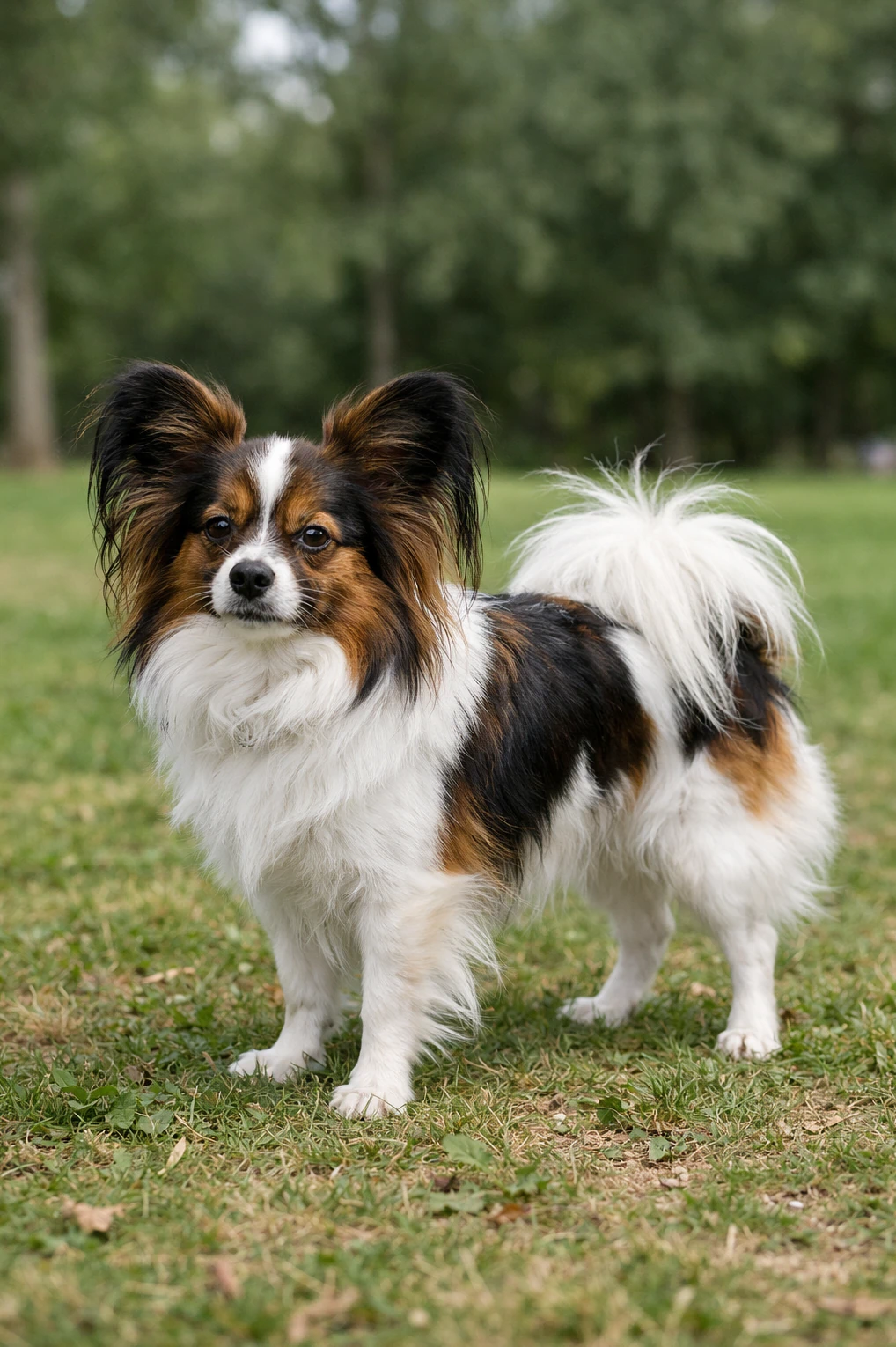
Tiny companion, 8 to 11 inches tall and 5 to 10 pounds, lively, outgoing and joyful. Nutritional verdict: feed small, calorie-dense portions with balanced protein and fat to sustain energy and keep a healthy weight.
Understanding the Papillon Metabolism and Energy Needs
Small companion dogs bred for lively, attentive company have fast metabolisms and use quick bursts of energy in play, so their food should be concentrated and efficient. They need high-quality protein to keep lean muscle and support steady focus, while fat offers compact calories and a shiny coat.
Choose a formula with higher protein and moderate fat, keeping carbs modest and from digestible, fiber-rich ingredients. Real meats like chicken or fish provide vital amino acids, while fish oil gives omega-3s for brain and skin, and antioxidants help immune health.
Feed calorie-dense kibble in small portions more often to avoid drops in blood sugar, and pick bite-sized pieces that promote chewing and dental health. Regular weight checks and targeted supplements recommended by your vet keep this spirited companion strong.
Managing Papillon Genetic Health Risks Through Nutrition
Patellar Luxation
Helpful nutrients
Dental Disease
Helpful nutrients
Progressive Retinal Atrophy (PRA) and other eye issues
Helpful nutrients
Heart Disease (e.g., mitral valve issues)
Helpful nutrients
Allergies and Skin Sensitivity
Helpful nutrients
Obesity and Weight Management
Helpful nutrients
Papillon Feeding & Calorie Calculator
Estimated Daily Calories
Tip: Start with this amount and adjust after 2–3 weeks based on your dog's body condition and weight trend.
This estimate provides a starting point for feeding. Individual calorie needs may vary depending on metabolism, body condition, and health status. Always monitor your dog's weight and consult your veterinarian when adjusting diet.
Foods and Ingredients to Avoid for Papillon Dogs
Papillons are tiny dogs with fast metabolisms, but their small size makes them more vulnerable to rapid weight gain and digestive upset from very fatty foods.
Rich table scraps, fried snacks, and fatty cuts of meat can lead to pancreatitis or extra stress on delicate joints over time.
Keeping meals lean and portion-controlled helps maintain a healthy weight and reduces the chance of tummy upsets.
Opt for high-quality, lean proteins and moderate healthy fats suited to a toy breed.
Xylitol, found in many sugar-free gums, candies, and some peanut butters, can cause a dangerous drop in blood sugar and liver damage in dogs, especially small breeds like Papillons.
Even a tiny amount can produce severe symptoms quickly because of their low body weight.
Always read labels and avoid human treats that list xylitol or propylene glycol. When in doubt, choose dog-specific treats made for small breeds to keep snack time safe.
Grapes and raisins are toxic to some dogs and can cause sudden kidney problems, and even a small quantity can be risky for a 5 to 10 pound Papillon.
Other fruits that are high in pits or seeds can also pose choking or digestive hazards for tiny mouths.
Stick to small, safe fruit portions like a few blueberries or slices of banana, and always remove seeds and pits.
Introduce any new fruit slowly to watch for stomach sensitivity.
Big, hard bones and heavy chew toys can break teeth or cause jaw injuries in small breeds with delicate dental structures.
Papillons have small mouths and teeth that can chip or fracture if they try to gnaw on oversized or very hard items.
Choose appropriately sized, softer dental chews or vet-approved rubber toys designed for toy breeds. Supervise chewing sessions and replace damaged items to prevent accidental swallowing or dental damage.
Processed meats like bacon, ham, and deli slices are often high in salt and spices that can upset a small dog’s stomach and lead to dehydration or higher blood pressure over time.
The added fats and seasonings are unnecessary for a Papillon’s balanced diet and can contribute to weight gain.
Offer fresh, plain lean proteins instead and reserve salty human foods for rare, tiny tastes if any. Always prioritize dog-formulated meals that match a toy breed’s nutritional needs.
Sugary snacks, cakes, and many human desserts can quickly add unwanted calories and promote obesity and dental decay in a small dog.
Papillons may also have some lactose intolerance, making milk, ice cream, and other dairy treats likely to cause gas, diarrhea, or stomach pain.
If you want to pamper your pet, pick low-sugar, dog-safe treats made for little breeds or offer a small spoon of plain pumpkin as a healthier alternative.
Moderation is key to keeping your companion happy and well.
How Nutritional Needs Change Throughout the Papillon Life Stages
Dogs need different nutrition at puppyhood, adulthood, and senior years, because growth, activity, and health risks change as they age. Breed influences how quickly they grow, how much energy they burn, and which conditions they may face. For a Papillon, small size, lively temperament, and typical small-breed tendencies shape feeding choices, from nutrient-dense puppy formulas to joint and dental care in later years.
| Life Stage | Age Range | Primary Objective | Key Nutrient Focus |
|---|---|---|---|
| Puppy | 0–10 months | controlled skeletal development, immune support, brain development | DHA, balanced calcium/phosphorus, high-quality protein |
| Adult | 10 months–8 years | lean muscle maintenance and sustained energy | high-quality protein, omega-3 fatty acids, fiber |
| Senior | 8+ years | joint mobility, metabolic health, and cognitive support | glucosamine, chondroitin, antioxidants, lower calories |
Papillon puppies grow quickly and reach their adult size long before large breeds, so balanced nutrition during early months is key to healthy skeletal and soft tissue development. They need controlled calcium and phosphorus levels to support bones without encouraging overly rapid mineralization, and steady protein to build lean muscle and a strong frame.
Because Papillons have tiny stomachs and high metabolisms, feed small, frequent meals, often three to four times daily when very young, to reduce the risk of hypoglycemia and to provide steady energy. Choose nutrient-dense puppy formulas with appropriately sized kibble so they can chew comfortably.
Prioritize high-quality animal protein, DHA for brain and vision, omega-3s for a silky coat, and prebiotics or probiotics for sensitive digestion. Keep an eye on dental crowding and early patellar concerns, and consult your vet to tailor portion sizes.
As adults, Papillons are small but lively companions, so their diet should preserve lean muscle while providing steady energy for play and mental stimulation. Quality animal protein at moderate levels supports muscle maintenance, while controlled fat provides concentrated energy without tipping them into excess weight. Choose a balanced formula formulated for small breeds with appropriate calorie density and nutrient ratios.
Feed two meals a day to stabilize blood sugar and help with dental health. Keep an eye on portion sizes, especially for less active or neutered dogs, since metabolism can slow. Regular activity, short walks, and play help keep muscle tone and prevent obesity, and routine dental care supports overall nutrient intake and long-term health.
As Papillons enter their senior years, metabolism and activity often slow, and you may notice changes in mobility, digestion, and dental health. Keeping protein levels adequate is essential to preserve muscle mass and support immune function, even if total calories are reduced. Small, frequent meals and easily chewed textures can ease digestion and compensate for missing teeth.
Joint support with glucosamine, chondroitin, and omega-3 fatty acids helps protect fragile joints prone to patellar issues and age-related arthritis. Antioxidants like vitamin E and beta-carotene support cellular health and cognitive function. Work with your veterinarian to adjust calorie intake to prevent unwanted weight gain, or to increase calories safely if your senior loses weight, and reassess portions and supplements at regular checkups.
Kibble vs Fresh vs Raw for Papillon
Different feeding models suit different lifestyles and dog needs.
For a Papillon, small size, lively activity, and silky coat are key factors when choosing food.
Pros
- Convenient and easy to portion for small, frequent Papillon meals.
- Small kibble sizes suit tiny jaws and encourage steady chewing.
- Fortified formulas provide complete vitamins, minerals, and balanced calories.
- Crunchy texture helps reduce plaque on small teeth with regular feeding.
Cons
- Lower moisture content can challenge hydration in small dogs.
- Some brands include fillers or low-quality grains that add calories.
- Calorie-dense formulas risk weight gain without careful portion control.
- Picky Papillons may refuse certain kibble textures or flavors.
Pros
- Highly palatable, usually loved by picky or older Papillons.
- High moisture supports digestion and helps keep small dogs hydrated.
- Full control over ingredients helps manage sensitivities and coat health.
- Easier to adjust portions for weight management and energy needs.
Cons
- Requires time for meal prep and consistent recipes for balance.
- Can be costlier than kibble, especially with premium ingredients.
- Needs supplements or vet guidance to ensure complete nutrition.
- Must refrigerate portions, which can be less convenient for travel.
Pros
- High protein, low processing may suit active, alert Papillons.
- Some owners report shinier coats and increased energy.
- Small, ground or deboned servings are easy for tiny mouths.
- Avoids some additives found in processed foods when well-sourced.
Cons
- Higher bacterial risk requires strict hygiene and food safety practices.
- Whole bones can be dangerous for small jaws, causing choking or damage.
- Balancing nutrients is complex, needing veterinary or nutritionist input.
- More time-consuming and often more expensive than kibble.
| Diet Type | Pros for Papillon | Potential Downsides |
|---|---|---|
| High-Quality Kibble |
|
|
| Fresh Cooked Food |
|
|
| Raw Diet (BARF) |
|
|
Our Recommendation
For most Papillons, high-quality kibble or thoughtfully prepared fresh cooked meals provide the best balance of convenience and nutrition.
Raw feeding can work for some owners, but it requires close veterinary guidance and strict food safety practices.
See Also
Breeds with similar group, size, and coat characteristics