Best Dog Food for Silky Terrier in 2026Based on Nutritional Science
Compact and sprightly, the Silky Terrier stands about 9 to 10 inches and weighs 10 pounds, sociable and sharply attentive. Nutritional verdict: an energy-rich diet with quality protein and balanced fats fuels lively bodies.
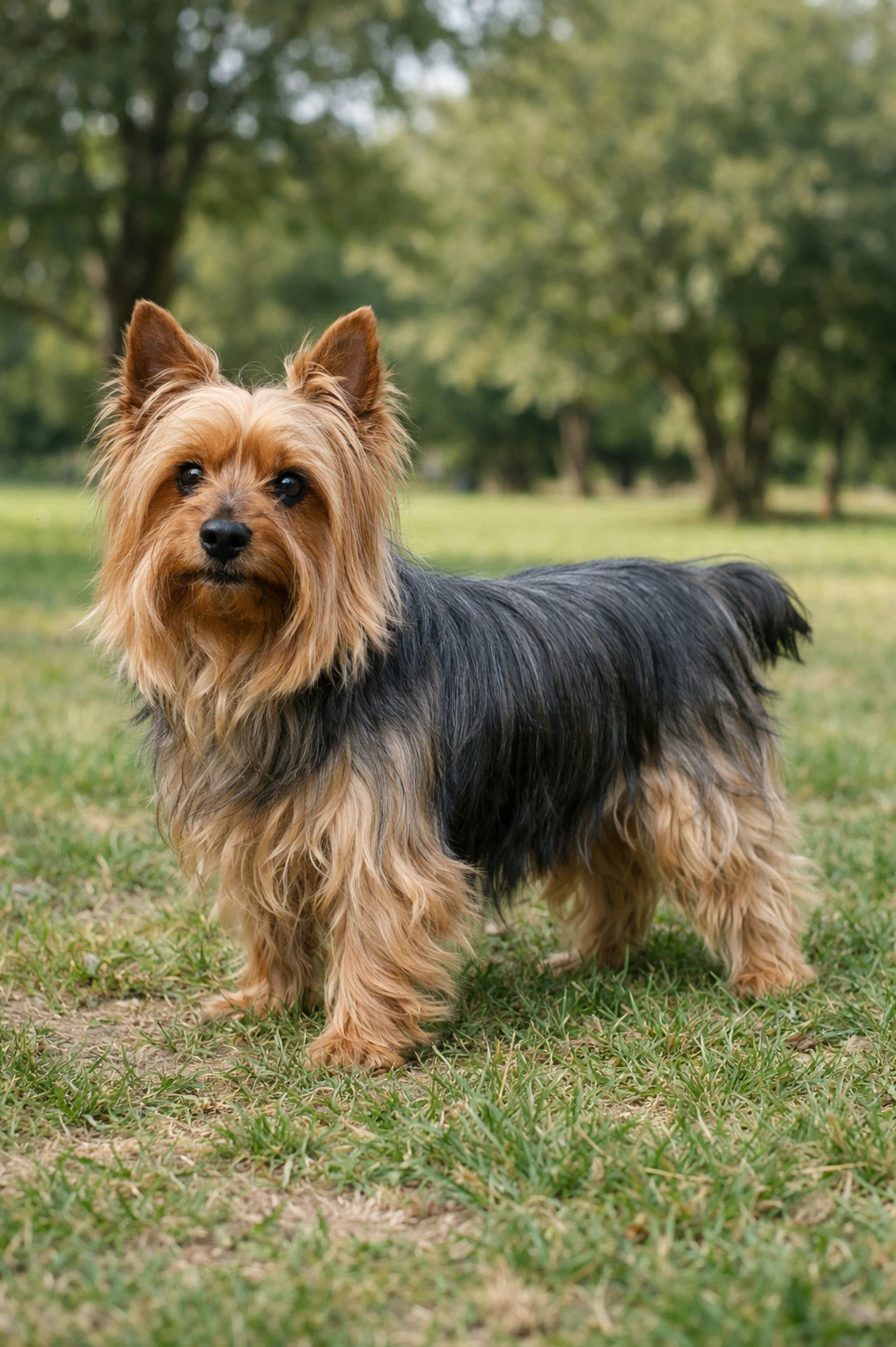
Understanding the Silky Terrier Metabolism and Energy Needs
This small, silky-coated terrier is built for lively companionship and fast bursts of activity, which means a diet with concentrated calories works best. A compact dog burns energy quickly, so meals should be nutrient-dense and portioned to maintain steady blood sugar, using appropriately sized kibble for tiny jaws.
Because lean muscle and a glossy coat are central to its appearance and stamina, a higher share of premium animal protein is important, roughly in the upper twenties to low thirties percent on a dry matter basis. Moderately elevated fat, around the mid-teens to high teens, offers sustained energy and supports skin and fur health, while carbohydrates stay modest and digestible for quick fuel.
Targeted extras like omega fatty acids for coat sheen, B vitamins for metabolic support, and careful calcium-phosphorus balance during growth help this type stay agile, alert, and comfortable into adulthood.
Managing Silky Terrier Genetic Health Risks Through Nutrition
Dental Disease
Helpful nutrients
Joint Problems (Patellar Luxation, Legg-Calvé-Perthes)
Helpful nutrients
Eye Disorders (Progressive Retinal Atrophy, Lens Luxation)
Helpful nutrients
Skin Allergies & Sensitivities
Helpful nutrients
Collapsing Trachea & Respiratory Sensitivity
Helpful nutrients
Obesity & Weight Gain
Helpful nutrients
Silky Terrier Feeding & Calorie Calculator
Estimated Daily Calories
Tip: Start with this amount and adjust after 2–3 weeks based on your dog's body condition and weight trend.
This estimate provides a starting point for feeding. Individual calorie needs may vary depending on metabolism, body condition, and health status. Always monitor your dog's weight and consult your veterinarian when adjusting diet.
Foods and Ingredients to Avoid for Silky Terrier Dogs
Silky Terriers are small dogs with fast metabolisms, but that does not protect them from the effects of rich, fatty foods.
Heavy fats and greasy table scraps can quickly lead to stomach upset and increase the risk of pancreatitis, which is a serious and painful condition for tiny dogs.
Because they only need a small number of calories, it is easy for a Silky Terrier to gain weight from fatty treats, putting extra strain on their joints and heart.
Stick to lean proteins and measured portions to keep them energetic and comfortable.
Xylitol is extremely toxic to dogs, and even a small amount can cause a dangerous drop in blood sugar and liver damage in a dog this size.
Many sugar-free gums, candies, peanut butters, and some baked goods contain xylitol, so reading ingredient lists is essential for a pet that shares the family space.
Because a ten pound dog needs only a tiny dose to be harmed, avoid any product that lists xylitol or generic artificial sweeteners.
When in doubt, choose plain, pet-safe treats or consult your vet before offering human foods.
Chocolate and other caffeinated products contain compounds that affect a dog’s heart and nervous system, and small breeds like Silky Terriers are particularly vulnerable.
Even modest amounts of chocolate can cause vomiting, restlessness, rapid breathing, and in severe cases, seizures or heart problems.
Keep all chocolate, coffee, energy drinks, and desserts well out of reach, and be cautious during holidays when sweets are more accessible.
If accidental ingestion occurs, contact your veterinarian immediately.
Grapes and raisins can cause sudden kidney failure in dogs, and size does not protect a Silky Terrier from this risk.
Small dogs require only a very small toxic dose, so even a single raisin can be dangerous for some individuals.
Avoid feeding grapes, raisins, and fruit products that include them, and be careful with fruit salads or baked goods that may hide these ingredients.
Choose dog-safe fruits like small amounts of peeled apple or banana as occasional treats.
While chewing is natural and healthy, large hard bones can splinter and cause broken teeth or internal injuries, which is a real concern for the delicate mouths of Silky Terriers.
Raw bones also carry a bacterial risk and can cause choking or intestinal blockage if fragments are swallowed.
Opt for appropriately sized, vet-recommended dental chews and softer chew toys designed for small dogs.
Supervise any chew time and discard anything that becomes sharp or small enough to swallow whole.
Recent research has linked some grain-free diets that rely heavily on peas, lentils, and other legumes to an increased risk of dilated cardiomyopathy in certain dogs.
For a small breed like the Silky Terrier, any diet that changes heart health is worth scrutinizing, especially if the dog has no nutritional need for that specific formula.
Talk with your veterinarian before choosing a grain-free or legume-rich food, and consider balanced diets from reputable brands that list a named meat protein first.
Regular checkups can help catch any early signs of heart issues.
How Nutritional Needs Change Throughout the Silky Terrier Life Stages
Silky Terriers have changing nutritional needs across puppyhood, adulthood, and senior years, and feeding should reflect their small size, quick growth, and lively temperament. Breed traits like rapid maturation, high activity, and a tendency toward dental sensitivity influence calorie needs, feeding frequency, and nutrient balance. Tailoring food to each stage helps support growth, maintain lean muscle, and protect joints and teeth as they age.
| Life Stage | Age Range | Primary Objective | Key Nutrient Focus |
|---|---|---|---|
| Puppy | 0–10 months | controlled skeletal development, immune support, brain development | DHA, balanced calcium/phosphorus, high-quality protein |
| Adult | 10 months–8 years | lean muscle maintenance and sustained energy | high-quality protein, omega-3 fatty acids, fiber |
| Senior | 8+ years | joint mobility, metabolic health, and cognitive support | glucosamine, chondroitin, antioxidants, lower calories |
Silky Terrier puppies grow quickly but remain small, reaching adult size in under a year, so their diet must support fast tissue and skeletal development without excess calories. Focus on high quality, readily digestible protein and balanced fat to fuel their quick bursts of activity, along with controlled calcium and phosphorus to support proper bone growth.
Feed small, frequent meals three to four times daily to keep energy steady and reduce hypoglycemia risk common in tiny breeds, and choose small kibble to ease chewing and help dental health. Include omega-3s like DHA for brain and eye development, and watch weight closely to prevent rapid weight gain that can stress developing joints predisposed to patellar issues.
Adult Silky Terriers are lively and quick, needing a diet that maintains lean muscle while supplying steady energy for their bursts of activity. Provide moderate to high quality animal protein and healthy fats to support metabolism and coat health, while keeping overall calories appropriate for their small frame.
Feed two meals a day with portion sizes adjusted for activity, since a couch-bound Silky needs fewer calories than a very active companion. Regular dental care and kibble sized for small mouths help prevent tartar, and routine monitoring of body condition prevents weight gain that can strain joints and reduce agility. Look for formulas designed for small breeds to meet their concentrated nutrient needs.
As Silky Terriers reach their senior years they often slow down and their metabolism gradually decreases, so calorie needs may drop even as the need for high quality protein remains to preserve muscle. Digestive sensitivity and dental wear can make softer, highly digestible diets easier to eat while adding fiber to support gut health and regularity.
Joint support with omega-3s and supplements like glucosamine can help mobility, especially if patellar strain is a concern, and antioxidants like vitamin E and beta carotene support cellular health. Adjust portion sizes to prevent weight gain, keep meals palatable, and work with your vet to tailor nutrient levels for any age related conditions.
Kibble vs Fresh vs Raw for Silky Terrier
Different feeding models suit different lifestyles and dog needs. For a lively, small Silky Terrier, activity level, coat care, and dental needs help guide the best choice.
Pros
- Convenient and easy to portion for busy owners.
- Small kibble sizes suit Silky Terrier's small jaws.
- Formulas with added omega fatty acids support silky coat.
- Crunchy texture can help reduce plaque buildup on teeth.
Cons
- Some formulas contain fillers or low-quality ingredients.
- Lower moisture content may not suit picky drinkers.
- Calorie-dense options can lead to weight gain if overfed.
- May lack variety, which bored eaters might reject.
Pros
- Highly palatable, great for picky Silky Terriers.
- High moisture supports hydration and healthy digestion.
- Easier to include skin and coat friendly nutrients.
- You control ingredient quality and avoid unwanted additives.
Cons
- Requires careful recipe balance to avoid nutrient gaps.
- More costly and time consuming than kibble.
- Needs refrigeration and regular meal prep.
- Inconsistent portions can make weight management tricky.
Pros
- Mimics ancestral prey, high in raw protein.
- Some owners report shinier coats and increased energy.
- Less processing preserves certain nutrients.
- Can be tailored to very small portion sizes.
Cons
- Higher bacterial contamination risk without strict hygiene.
- Raw bones can splinter, risky for small jaws.
- Requires careful balancing to avoid nutrient deficiencies.
- Veterinary guidance and testing are strongly recommended.
| Diet Type | Pros for Silky Terrier | Potential Downsides |
|---|---|---|
| High-Quality Kibble |
|
|
| Fresh Cooked Food |
|
|
| Raw Diet (BARF) |
|
|
Our Recommendation
For most Silky Terriers, high-quality kibble formulated for small breeds offers the best mix of convenience and balanced nutrition.
Fresh cooked meals or toppers are great for picky eaters and coat support, while raw diets should only be used with veterinary guidance and strict hygiene.
See Also
Breeds with similar group, size, and coat characteristics