Best Dog Food for Maltese in 2026Based on Nutritional Science
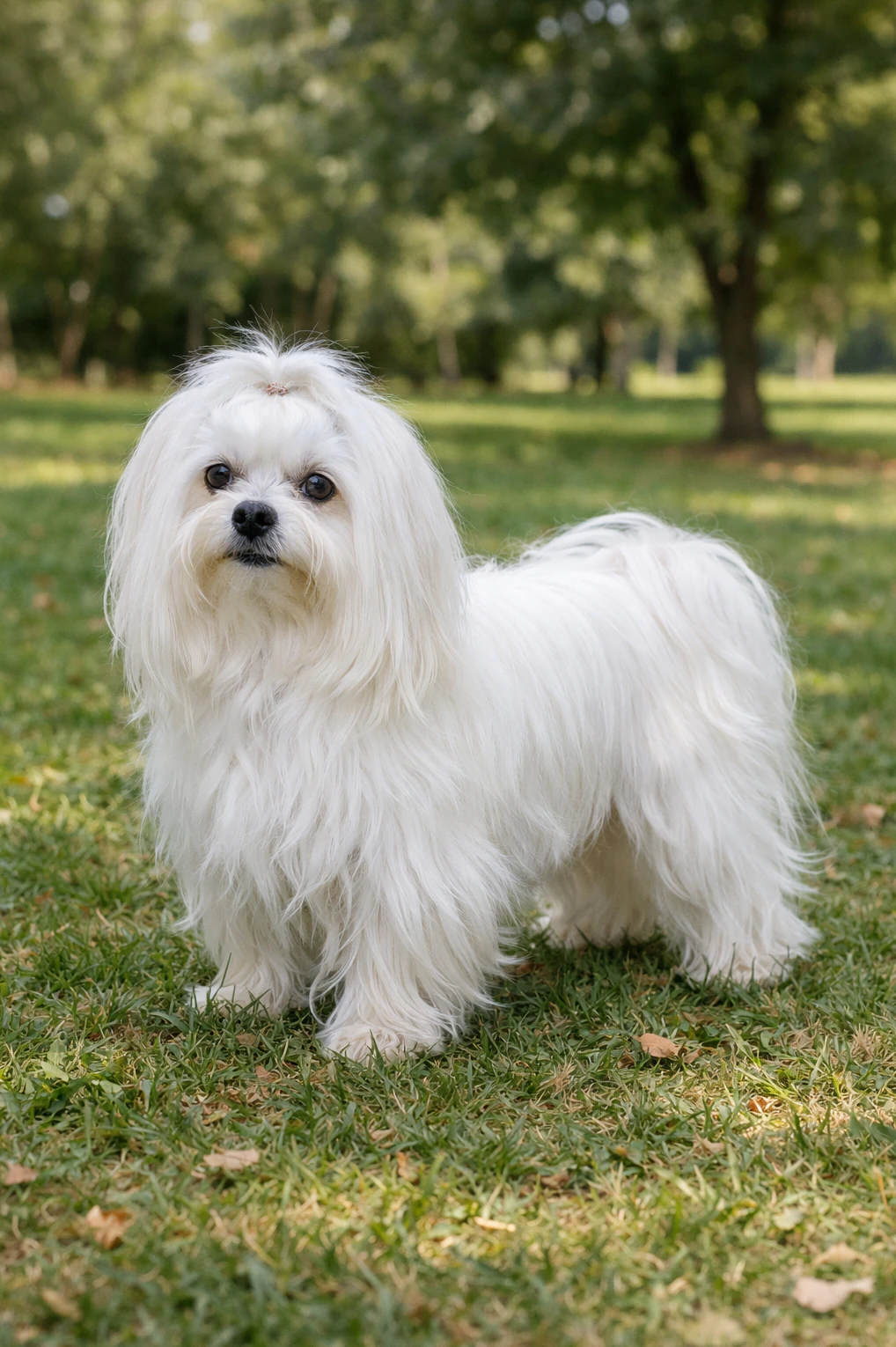
Tiny and light at 7 to 9 inches and under 7 pounds, the Maltese is sprightly, endearing, and mellow. Nutritional Verdict: balanced, high-quality protein with moderate fat supports their lively energy and delicate health.
Understanding the Maltese Metabolism and Energy Needs
As a tiny companion bred for close human company, these little dogs have brisk metabolisms and delicate mouths, so their food needs are concentrated and gentle. Lean, high-quality protein supports muscle tone and keeps energy steady between snacks, while moderate healthy fats supply compact calories and nourish a long, silky coat. Essential fatty acids like omega-3 and omega-6 help prevent dryness and reduce inflammation, so fish oil or flax-derived supplements are useful additions.
Because of their small size and frequent hunger, meals should be calorie-dense and offered more often in smaller portions to avoid dips in blood sugar. Low to moderate carbohydrate levels provide digestible energy without excess weight gain, and added fiber and probiotics support digestion and dental health. Targeted nutrients such as biotin and zinc promote skin and hair resilience, and joint-support supplements can be considered as they age.
Managing Maltese Genetic Health Risks Through Nutrition
Luxating Patella
Helpful nutrients
Heart anomalies (PDA)
Helpful nutrients
Liver issues (liver shunt, microvascular dysplasia)
Helpful nutrients
Encephalitis (GME)
Helpful nutrients
Dental disease
Helpful nutrients
Obesity
Helpful nutrients
Maltese Feeding & Calorie Calculator
Estimated Daily Calories
Tip: Start with this amount and adjust after 2–3 weeks based on your dog's body condition and weight trend.
This estimate provides a starting point for feeding. Individual calorie needs may vary depending on metabolism, body condition, and health status. Always monitor your dog's weight and consult your veterinarian when adjusting diet.
Foods and Ingredients to Avoid for Maltese Dogs
Maltese are tiny dogs, and high-fat foods can pack a lot of calories into a small portion, making weight gain easy and steady.
Excessive fat intake can also trigger pancreatitis, which is painful and can be serious, especially in a dog that already carries a few extra pounds.
Keep fatty table scraps, greasy meats, and fatty treats to a minimum, and choose lean protein and measured portions to protect their joints, heart, and overall energy levels.
Xylitol, found in sugar-free gum, some peanut butters, baked goods, and even certain toothpastes, is extremely toxic to dogs and can cause sudden hypoglycemia and liver damage.
For a Maltese, whose whole body weight is small, even a tiny amount can be dangerous, leading to weakness, seizures, or worse.
Always read ingredient lists, avoid human products with xylitol, and keep any sugar-free products well out of reach, contacting your vet immediately if ingestion is suspected.
Onions, garlic, chives, and leeks contain compounds that can damage a dog’s red blood cells and lead to hemolytic anemia, a risk that does not depend on breed but is amplified in small dogs like the Maltese.
These ingredients can be harmful whether raw, cooked, powdered, or part of a sauce.
Avoid giving foods seasoned with alliums, and be cautious with leftovers and prepared foods that may contain hidden onion or garlic, checking labels and recipes carefully.
Chocolate, coffee, and other products containing caffeine are dangerous because they contain methylxanthines that affect the heart and nervous system, causing vomiting, elevated heart rate, tremors, and seizures.
The Maltese’s small size means it takes far less chocolate to create toxic effects than for a larger dog.
Keep all chocolate and caffeinated products securely stored, and if your dog samples any, seek veterinary advice quickly, noting the type and amount consumed.
Small bones and cooked bones can splinter and cause choking, mouth injuries, or intestinal blockages, which are particularly risky for tiny breeds.
Maltese also often need careful dental care, and very hard chews can crack a tooth or exacerbate dental issues.
Choose appropriately sized, veterinarian-approved chews and avoid giving cooked bones or very hard items; supervise any chew time and remove pieces that become small enough to swallow whole.
Because Maltese are under 7 pounds, a single large or calorie-dense treat can represent a disproportionate share of their daily calories, contributing quickly to weight gain and added strain on joints and organs.
Table scraps are often high in salt, fat, or spices that upset digestion and mask balanced nutrition.
Use small, low-calorie training treats, account for treats in daily calorie totals, and reserve human food for occasional, veterinarian-approved safe options.
How Nutritional Needs Change Throughout the Maltese Life Stages
Dogs need different nutrition at puppyhood, adulthood, and in their senior years, because their bodies and activities change as they age. Feeding choices should reflect growth needs, energy demands, and changing digestion.
Breed factors like growth rate, activity level, and common health tendencies shape those needs, so a Maltese will have unique priorities compared with larger breeds. A thoughtful plan adjusts calories, nutrients, and meal timing for each stage.
| Life Stage | Age Range | Primary Objective | Key Nutrient Focus |
|---|---|---|---|
| Puppy | 0–10 months | controlled skeletal development, immune support, brain development | DHA, balanced calcium/phosphorus, high-quality protein |
| Adult | 10 months–8 years | lean muscle maintenance and sustained energy | high-quality protein, omega-3 fatty acids, fiber |
| Senior | 8+ years | joint mobility, metabolic health, and cognitive support | glucosamine, chondroitin, antioxidants, lower calories |
As a toy breed, the Maltese grows quickly and reaches adult size sooner than larger dogs, so their puppy stage focuses on steady, controlled growth and healthy skeletal development. Support for developing bones and joints means feeding a formula with balanced calcium and phosphorus, and avoiding excess calories that could strain tiny joints or contribute to abnormal growth patterns.
Because Maltese puppies have small stomachs and can be prone to hypoglycemia, feed smaller, more frequent meals, typically three to four times a day during the first months. Prioritize high quality, digestible protein for muscle and organ development, DHA for brain and vision, and moderate fat for energy to fuel playful activity. Keep kibble size small for easy chewing, and talk with your vet about screening or special diets if there are liver or heart concerns in the line.
Adult Maltese are playful and gentle with bursts of lively activity, so nutrition should support lean muscle and steady energy without excess calories that lead to weight gain. Maintain muscle with consistent, high quality protein and controlled fat levels to match their activity, while including digestible carbohydrates for sustained energy.
Because many Maltese are companion dogs with indoor lifestyles, adjust portions and treats to prevent obesity, weighing your dog regularly and consulting your vet for caloric targets. Add omega-3 fatty acids and biotin rich nutrients for a silky coat, and prioritize dental-friendly kibble or routine brushing to protect teeth and digestion.
As Maltese enter their senior years, metabolism and activity often slow, and digestion can become less efficient, so calories may need to be reduced while protein quality remains high to preserve muscle. Include easily digestible protein sources and consider slightly higher fiber to support gut health and steady glucose levels.
Joint support ingredients like glucosamine, chondroitin, and omega-3 fatty acids help mobility for this small, often long-lived breed, and antioxidants support cellular health. Dental changes may make softer or moistened food easier, and regular vet checks will help adjust calories and screen for heart or liver concerns common to the breed.
Kibble vs Fresh vs Raw for Maltese
Different feeding models suit different lifestyles, budgets, and health needs. For a small, playful Maltese, portion size, dental care, and liver sensitivity are important considerations.
Pros
- Convenient and easy to portion for busy owners.
- Small-breed formulas fit tiny mouths and calorie needs.
- Dry texture can help reduce tartar buildup between brushings.
- Consistent nutrition across batches supports steady weight management.
Cons
- Lower moisture content may not suit dogs that drink little.
- Some brands include fillers or artificial additives.
- Calorie-dense formulas can lead to weight gain without careful portions.
- May not be enticing for picky Maltese, reducing meal intake.
Pros
- Highly palatable, often loved by picky Maltese.
- High moisture supports hydration and urinary tract health.
- You control ingredients, helpful for dogs with liver concerns or allergies.
- Easier to adjust portions for weight management and activity.
Cons
- Needs careful supplementation to ensure complete nutrition.
- Meal prep and refrigeration increase time and cost.
- Home cooking mistakes can cause nutrient imbalances.
- Shorter shelf life than kibble, requiring daily planning.
Pros
- High protein and minimally processed ingredients may improve coat.
- Some owners report improved energy and digestion.
- Can be portioned for tiny toy breed calorie needs.
- Allows control over exact ingredients and sourcing.
Cons
- Higher bacterial risk requires strict hygiene and handling.
- Small bones pose choking or dental fracture risk in Maltese.
- Harder to balance for liver conditions and growing puppies.
- Veterinary guidance is essential to avoid nutrient gaps.
| Diet Type | Pros for Maltese | Potential Downsides |
|---|---|---|
| High-Quality Kibble |
|
|
| Fresh Cooked Food |
|
|
| Raw Diet (BARF) |
|
|
Our Recommendation
Many Maltese do well on high-quality, small-breed kibble for convenience, dental support, and consistent nutrition.
Fresh cooked food is a strong option for picky or sensitive dogs if recipes are balanced with veterinary input, while raw diets carry more risk for toy breeds and should only be tried under strict veterinary supervision.
See Also
Breeds with similar group, size, and coat characteristics