Best Dog Food for Shih Tzu in 2026Based on Nutritional Science
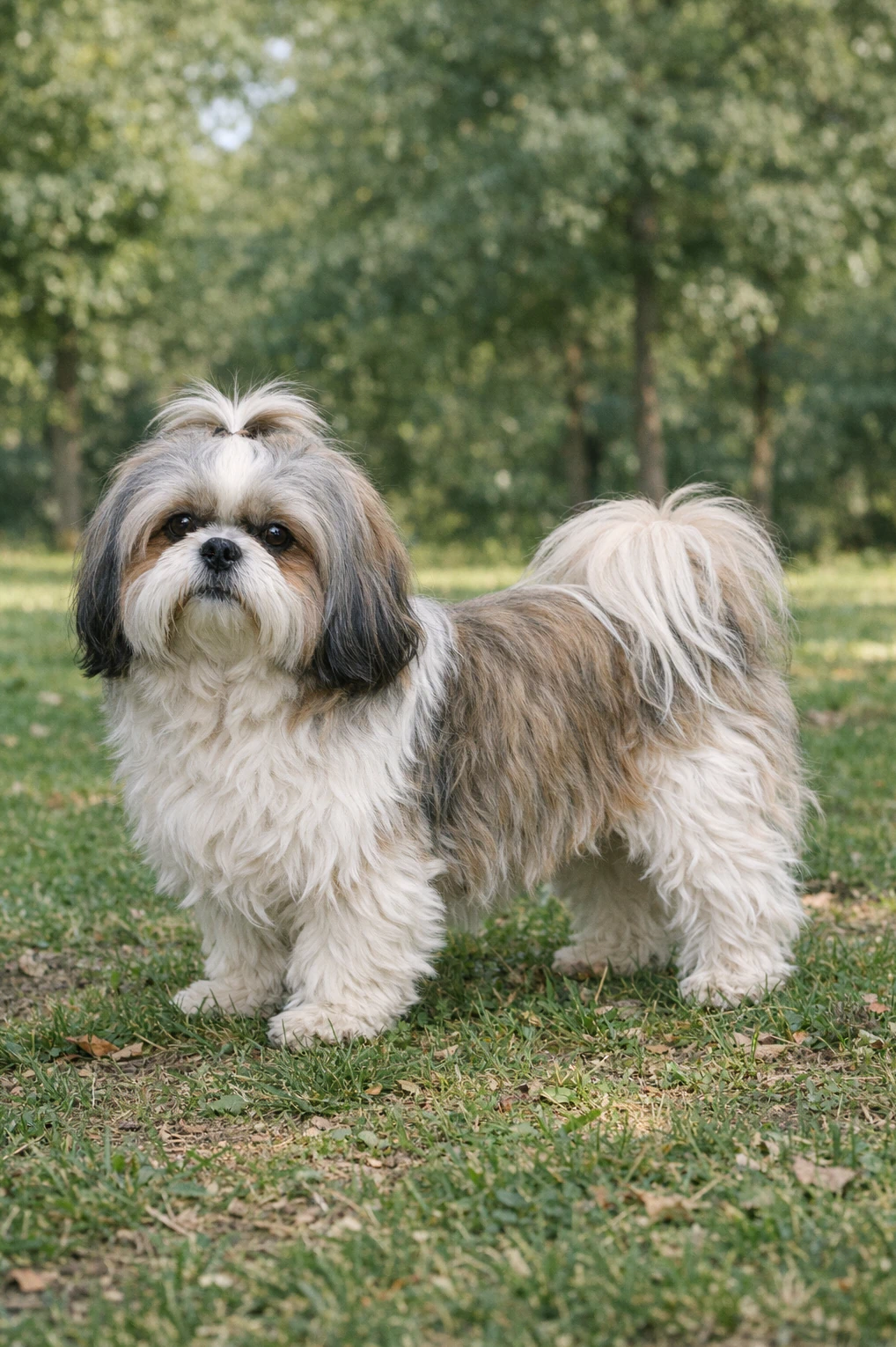
Compact companion around 9-10.5 inches tall and 9-16 pounds, lively, devoted, and social. Nutritional verdict: benefits from high-quality small-breed food, moderate calories, healthy fats, tailored portions, and regular dental-friendly snacks.
Understanding the Shih Tzu Metabolism and Energy Needs
As a petite companion that thrives on close contact and bursts of activity, this dog needs food designed for small bodies with lively spirits. Compact meals should be rich in high quality animal protein to maintain lean muscle and support a glossy coat. A somewhat higher fat level provides concentrated energy and helps with skin and fur health, while omega fatty acids calm inflammation and support brain function.
Because short, playful spurts are common, easily digested carbohydrates offer steady fuel without weighing them down, but overall calorie control is important to avoid excess weight. Small, nutrient-dense kibbles suit narrow jaws and help with dental wear. Consider adding fish oil for coat and joint health, a joint-support supplement if prone to mobility issues, and probiotics to keep digestion steady, all delivered in measured portions to match their size and lifestyle.
Managing Shih Tzu Genetic Health Risks Through Nutrition
Hip Dysplasia
Helpful nutrients
Patellar Luxation (slipped kneecap)
Helpful nutrients
Cataracts
Helpful nutrients
Progressive Retinal Atrophy (PRA)
Helpful nutrients
Retinal Detachment
Helpful nutrients
Corneal Dryness and Eye Inflammation (from improperly closing eyelids)
Helpful nutrients
Obesity and Weight Gain
Helpful nutrients
Heat Sensitivity and Risk of Overheating
Helpful nutrients
Shih Tzu Feeding & Calorie Calculator
Estimated Daily Calories
Tip: Start with this amount and adjust after 2–3 weeks based on your dog's body condition and weight trend.
This estimate provides a starting point for feeding. Individual calorie needs may vary depending on metabolism, body condition, and health status. Always monitor your dog's weight and consult your veterinarian when adjusting diet.
Foods and Ingredients to Avoid for Shih Tzu Dogs
Because Shih Tzu are small and prone to weight gain, fatty foods and greasy table scraps can lead to rapid calorie overload and obesity.
Extra weight stresses their joints and can worsen breathing issues common to short-faced breeds.
High-fat meals can also trigger pancreatitis, a painful inflammation that needs veterinary care. Keep treats lean and controlled, and talk with your vet before switching to richer diets.
Xylitol, found in sugar-free gum, some peanut butters and baked goods, is extremely toxic to dogs even in tiny amounts.
In small breeds like Shih Tzu, it can cause a dangerous drop in blood sugar and rapid liver damage.
Always check ingredient labels before sharing human snacks, and never give products that list xylitol. When in doubt, offer plain, vet-approved treats instead.
Large, dense treats and fatty table scraps are risky because they add calories fast and can be choking hazards for the Shih Tzu's small mouth.
Their short faces and crowded teeth make large pieces harder to chew and swallow safely.
Keep treats bite-sized and low calorie, and avoid seasoned or spicy leftovers that can upset the stomach.
Use treats primarily for training, and account for their calories in the daily ration.
Cooked bones splinter easily and can perforate the digestive tract or cause choking, a serious threat for small dogs.
Hard chews like weighty marrow bones or antlers can fracture teeth, which is painful and expensive to treat.
Choose softer, appropriately sized dental chews recommended for small breeds and supervise any new chew.
If you prefer natural bones, consult your veterinarian about safe options and always watch your dog while they chew.
Processed meats and salty snacks often contain high sodium, spices, and hidden ingredients like onion or garlic powder that are toxic to dogs.
For a small Shih Tzu, excess salt can also increase thirst and lead to bloating or discomfort.
Avoid deli meats, bacon and sausages as treats, and never give heavily seasoned or cured products.
Stick with plain, lean proteins cooked without additives when sharing a small bite.
Many grain-free diets that substitute large amounts of legumes and pulses have been linked to heart concerns in some dogs, so feeding heavy pea or lentil based foods without veterinary guidance is risky.
Small breeds like the Shih Tzu can be particularly sensitive to dietary imbalances.
If you are considering a grain-free or home-cooked diet, discuss it with your vet and consider cardiac-safe formulations.
Regular checkups and occasional heart screening can catch issues early if diet is a concern.
How Nutritional Needs Change Throughout the Shih Tzu Life Stages
Dogs have different nutritional requirements during puppyhood, adulthood, and senior years. For Shih Tzu, these needs are shaped by the breed's rapid early growth, small size, playful activity level, and health tendencies like eye conditions, patellar luxation, and heat sensitivity. Proper feeding supports skeletal development, maintains a silky coat, and helps manage weight and mobility as they age.
| Life Stage | Age Range | Primary Objective | Key Nutrient Focus |
|---|---|---|---|
| Puppy | 0–10 months | controlled skeletal development, immune support, brain development | DHA, balanced calcium/phosphorus, high-quality protein |
| Adult | 10 months–8 years | lean muscle maintenance and sustained energy | high-quality protein, omega-3 fatty acids, fiber |
| Senior | 8+ years | joint mobility, metabolic health, and cognitive support | glucosamine, chondroitin, antioxidants, lower calories |
Shih Tzu puppies grow quickly and reach skeletal maturity sooner than large breeds, so balanced, nutrient-dense feeding is important from the start. Because they are small and have small stomachs, offer 3 to 4 small meals daily to maintain steady energy and help prevent low blood sugar. High quality protein, controlled calcium and phosphorus for healthy bone growth, and DHA for brain and eye development are key nutrients.
Keep portions moderate to avoid rapid weight gain, which can worsen risks like patellar luxation and joint strain. Include omega fatty acids and antioxidants to support skin, coat, and developing eyes, since Shih Tzu can be prone to eye conditions. Choose kibble sized for small mouths and monitor body condition frequently.
Adult Shih Tzu need a diet that preserves lean muscle while matching their moderate, playful energy. Small breeds often have higher metabolic rates per pound, so choose a formula with high quality protein to support muscles and moderate fat for sustained energy. Feed twice daily to suit their small stomachs and to help dental health, since many small dogs develop tartar and missing teeth.
Control calorie intake and watch portions to prevent weight gain, which stresses joints and can worsen patellar luxation. Include joint-supportive nutrients like glucosamine and omega 3 fatty acids for coat and inflammation management, along with antioxidants for eye health. Adjust feeding for activity level, on cooler days and during less active periods.
As Shih Tzu enter their senior years, metabolism typically slows and activity levels drop, so calorie needs often decrease to avoid weight gain. Aging dogs may also lose teeth and have more sensitive digestion, so offer highly digestible protein in smaller, softer meals to preserve muscle and make eating comfortable. Add soluble fiber to support regular bowel movements and monitor hydration closely.
Joint stiffness and patellar luxation risk become more important with age, so include glucosamine, chondroitin, and omega 3 fatty acids to support mobility and reduce inflammation. Antioxidants such as vitamins E and C and carotenoids can help eye health and overall cellular repair. Work with your vet to adjust calories, choose nutrient-dense senior formulas, and address coat and skin needs with essential fatty acids.
Kibble vs Fresh vs Raw for Shih Tzu
Different feeding models suit different lifestyles and dog needs. For a Shih Tzu, consider small size, short face breathing, coat care, and activity level when choosing food.
Pros
- Convenient and easy to portion for busy owners.
- Small kibble sizes fit a Shih Tzu's small mouth.
- Dry texture can help reduce tartar buildup.
- Formulas with omega fatty acids support skin and coat.
Cons
- Low moisture content may not suit dogs prone to dry eyes.
- Some brands include fillers or artificial additives.
- High-calorie formulas can lead to weight gain if overfed.
- Hard kibble may be tough for older dogs with dental issues.
Pros
- Highly palatable for picky, affectionate Shih Tzus.
- Higher moisture supports hydration, helpful for short-faced breeds.
- You control ingredients to avoid known allergens.
- Can include joint-support nutrients for kneecap and hip health.
Cons
- Cost and daily prep time are higher than kibble.
- Requires careful recipes to ensure complete nutrition.
- Needs refrigeration and safe handling to prevent spoilage.
- Imbalanced diets risk missing nutrients without veterinary input.
Pros
- Some owners report shinier coats and improved energy.
- High-quality protein mirrors ancestral diet for meat-loving dogs.
- Limited processing preserves some natural nutrients.
Cons
- Higher bacterial risk requires strict hygiene and handling.
- Small bones can be choking hazards for tiny Shih Tzus.
- Hard to balance nutrients without veterinary or nutritionist guidance.
- Not ideal for dogs with weak immune systems or dental issues.
| Diet Type | Pros for Shih Tzu | Potential Downsides |
|---|---|---|
| High-Quality Kibble |
|
|
| Fresh Cooked Food |
|
|
| Raw Diet (BARF) |
|
|
Our Recommendation
For many Shih Tzus, a good-quality small-bite kibble or a carefully planned fresh-cooked diet meets their needs best.
Raw feeding can work for some dogs, but it requires strict hygiene and professional guidance.
See Also
Breeds with similar group, size, and coat characteristics