Best Dog Food for Irish Terrier in 2026Based on Nutritional Science
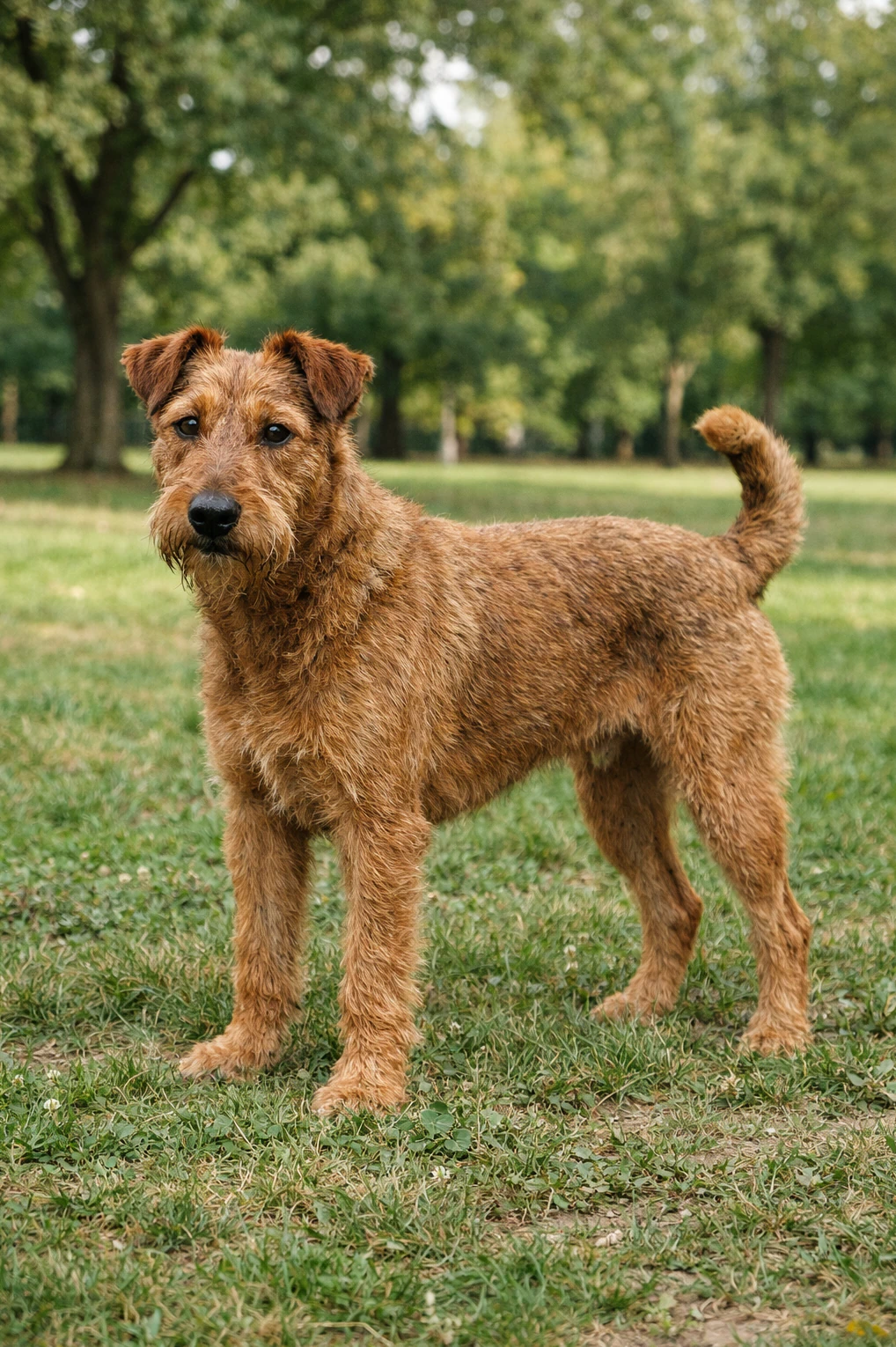
A compact Irish Terrier at about 18 inches and 27 pounds, proudly brave, lively, and affectionate. Nutritional verdict: needs a balanced, protein-rich diet and portion control to sustain lean muscle and playful energy.
Understanding the Irish Terrier Metabolism and Energy Needs
As a classic terrier bred to pursue small game, this red-coated dog combines confident drive with gentle affection. That energetic, punchy temperament calls for a diet higher in quality protein to preserve lean muscle and speed recovery after lively play, and a moderate level of fat to provide concentrated fuel and support skin and the wiry coat.
Controlled, complex carbohydrates like sweet potato and whole grains offer steady energy and help avoid excess weight when activity dips. Include omega fatty acids, zinc, and biotin to maintain coat and skin health, and consider glucosamine for long-term joint support. A meat-first, calorie-aware feeding plan with targeted supplements keeps this terrier lively, steady-minded, and loving through each life stage.
Managing Irish Terrier Genetic Health Risks Through Nutrition
Hip Dysplasia
Helpful nutrients
Skin Allergies and Dermatitis
Helpful nutrients
Hypothyroidism
Helpful nutrients
Progressive Retinal Atrophy and Vision Health
Helpful nutrients
Dental Disease and Gum Health
Helpful nutrients
Obesity and Weight Management
Helpful nutrients
Irish Terrier Feeding & Calorie Calculator
Estimated Daily Calories
Tip: Start with this amount and adjust after 2–3 weeks based on your dog's body condition and weight trend.
This estimate provides a starting point for feeding. Individual calorie needs may vary depending on metabolism, body condition, and health status. Always monitor your dog's weight and consult your veterinarian when adjusting diet.
Foods and Ingredients to Avoid for Irish Terrier Dogs
Given this Irish Terrier's moderate size and active build, high-fat foods and table scraps can quickly push them into unwanted weight gain and increase the risk of pancreatitis.
Small to medium dogs can go from fit to overweight faster than owners expect, and extra fat packs on pressure for joints and the spine.
Keep meals focused on lean protein and controlled portions, and avoid sharing fatty human food like bacon drippings, gravy, or deep-fried treats to protect long-term health and energy levels.
Bones that are too large, or cooked bones that splinter, present a choking and internal injury risk for a 27 pound terrier.
Hard chews that require intense crushing can chip teeth or strain the jaw, which is a particular concern for smaller, energetic breeds that love to chew hard.
Choose appropriately sized, vet-recommended chews and supervise chewing sessions, and steer clear of any cooked bones or brittle treats that might break into sharp pieces.
An Irish Terrier's calorie needs are smaller than many owners realize, so frequent high-calorie treats and free-feeding are a fast path to extra pounds.
Even an otherwise active terrier can develop joint stress and lower endurance when carrying extra weight, which affects play and overall wellbeing.
Measure meals carefully, factor treats into daily calories, and opt for low-calorie, high-value rewards like small bits of lean meat or vegetables to keep weight steady.
Onions, garlic, chives and related alliums contain compounds that can damage a dogâs red blood cells, leading to anemia, and smaller dogs show signs with smaller doses.
These ingredients hide in many sauces, seasonings and processed foods, so even small amounts added regularly are a real concern for a 27 pound companion.
Avoid all allium forms, check ingredient labels on commercial foods, and never offer foods seasoned with onion or garlic to your terrier.
Chocolate and caffeine contain stimulants that are toxic to dogs and can cause serious symptoms, and artificial sweetener xylitol can trigger rapid hypoglycemia and liver problems.
Because toxicity is dose-dependent, a smaller breed like an Irish Terrier can be affected by amounts that might not harm a larger dog.
Keep chocolate, coffee, energy drinks and sugar-free products well out of reach, and educate guests and family members about the risks to prevent accidental ingestion.
Some artificial preservatives, colors and low-quality fillers can contribute to digestive upset, skin sensitivity, or lower nutrient density in a small dog's diet.
For an active terrier that needs a balanced, bioavailable diet to maintain coat, muscle and energy, cheap fillers can take up calories without delivering useful nutrition.
Look for formulas with named meat sources, minimal artificial additives, and reasonably high protein and fat quality to support steady digestion and a shiny coat.
How Nutritional Needs Change Throughout the Irish Terrier Life Stages
Irish Terriers have different nutritional needs at different life stages, from the rapid growth of puppyhood to the steady maintenance of adulthood and the gentler needs of senior years. Their medium size, wiry double coat, and bold, dashing temperament mean energy needs and growth rates differ from other breeds. A good diet considers growth rate, activity level, and typical breed tendencies like high energy and lean muscle.
| Life Stage | Age Range | Primary Objective | Key Nutrient Focus |
|---|---|---|---|
| Puppy | 0–12 months | controlled skeletal development, immune support, brain development | DHA, balanced calcium/phosphorus, high-quality protein |
| Adult | 1–7 years | lean muscle maintenance and sustained energy | high-quality protein, omega-3 fatty acids, fiber |
| Senior | 7+ years | joint mobility, metabolic health, and cognitive support | glucosamine, chondroitin, antioxidants, lower calories |
Irish Terrier puppies grow steadily rather than explosively, so they benefit from a diet that supports steady skeletal development and lean muscle formation. Because they are medium-sized, you want controlled calories and a balanced calcium to phosphorus ratio to help bones develop without putting too much stress on joints. Puppies also need regular feeding intervals, starting with three to four small meals a day and moving to two meals by adolescence.
Important nutrients include high quality animal protein for muscle, DHA to support brain and vision, and appropriate minerals for healthy bone growth. Omega fatty acids help their wiry double coat stay healthy, while antioxidants and probiotics support immune and digestive development. Given their playful, active nature, monitor weight and adjust portions so energy needs are met without encouraging overly rapid growth.
Adult Irish Terriers are active, lean dogs that need steady calories and high quality protein to maintain muscle mass and stamina. A balanced adult diet with moderate fat and higher quality protein helps fuel daily play, agility, and walks without excess calories that can lead to weight gain. Regular feeding twice a day helps steady energy and supports digestion.
Lifestyle factors like activity level, neuter status, and work or companion roles influence portion sizes, so adjust feeding based on body condition rather than package guidelines. Include omega-3s for coat and skin, and easily digestible carbohydrates for sustained energy. Periodic weight and body condition checks help keep your terrier at a healthy, athletic build.
As Irish Terriers enter senior years their metabolism may slow and lean muscle can decline, so calorie needs often decrease while protein needs remain important. Mobility can be affected by age related wear on joints, and digestion may become more sensitive, so easier to digest proteins and gentle fiber can help. Monitor weight and body condition regularly to adjust calories without sacrificing muscle.
Consider joint support nutrients like glucosamine, chondroitin, and omega-3s to support mobility and comfort, along with antioxidants such as vitamin E and selenium for cellular health. Because their wiry coat may change, skin supporting nutrients and a diet that promotes healthy digestion can ease transitions. Work with your veterinarian to tailor calorie intake and supplements based on activity, dental health, and any emerging conditions.
Kibble vs Fresh vs Raw for Irish Terrier
Different feeding models suit different lifestyles and energy needs of an Irish Terrier.
Below we compare high-quality kibble, fresh cooked food, and raw diets for this breed's activity, coat, and temperament.
Pros
- Convenient and easy to portion for busy households.
- Formulated to meet energy needs of active dogs.
- Crunch can help keep teeth cleaner.
- Available in formulas for sensitive skin and digestion.
Cons
- Lower moisture content may not suit dogs that drink little.
- Some brands use fillers that add unnecessary calories.
- May not be as palatable for picky terriers.
- Quality varies, so careful label reading is important.
Pros
- Highly palatable, great for picky Irish Terriers.
- High moisture supports digestion and hydration.
- You control ingredients to support coat and energy.
- Easier to avoid specific allergens or intolerances.
Cons
- Requires careful balancing to ensure complete nutrition.
- More time consuming and usually more expensive.
- Needs refrigeration and planning for outings away from home.
Pros
- Can support a shiny, wiry coat and lean muscle.
- Appeals to strong appetite and natural instincts.
- Minimal processing preserves some nutrients.
Cons
- Higher bacterial risk requires strict hygiene practices.
- Raw bones can pose choking or tooth injury risks.
- Harder to ensure balanced vitamins and minerals.
- Not ideal for owners new to food safety routines.
| Diet Type | Pros for Irish Terrier | Potential Downsides |
|---|---|---|
| High-Quality Kibble |
|
|
| Fresh Cooked Food |
|
|
| Raw Diet (BARF) |
|
|
Our Recommendation
For most Irish Terrier owners, high-quality kibble offers a reliable balance of convenience and nutrition.
Fresh cooked diets suit picky or sensitive dogs well, while raw diets can work but need veterinary guidance and strict hygiene.
See Also
Breeds with similar group, size, and coat characteristics