Best Dog Food for Dandie Dinmont Terrier in 2026Based on Nutritional Science
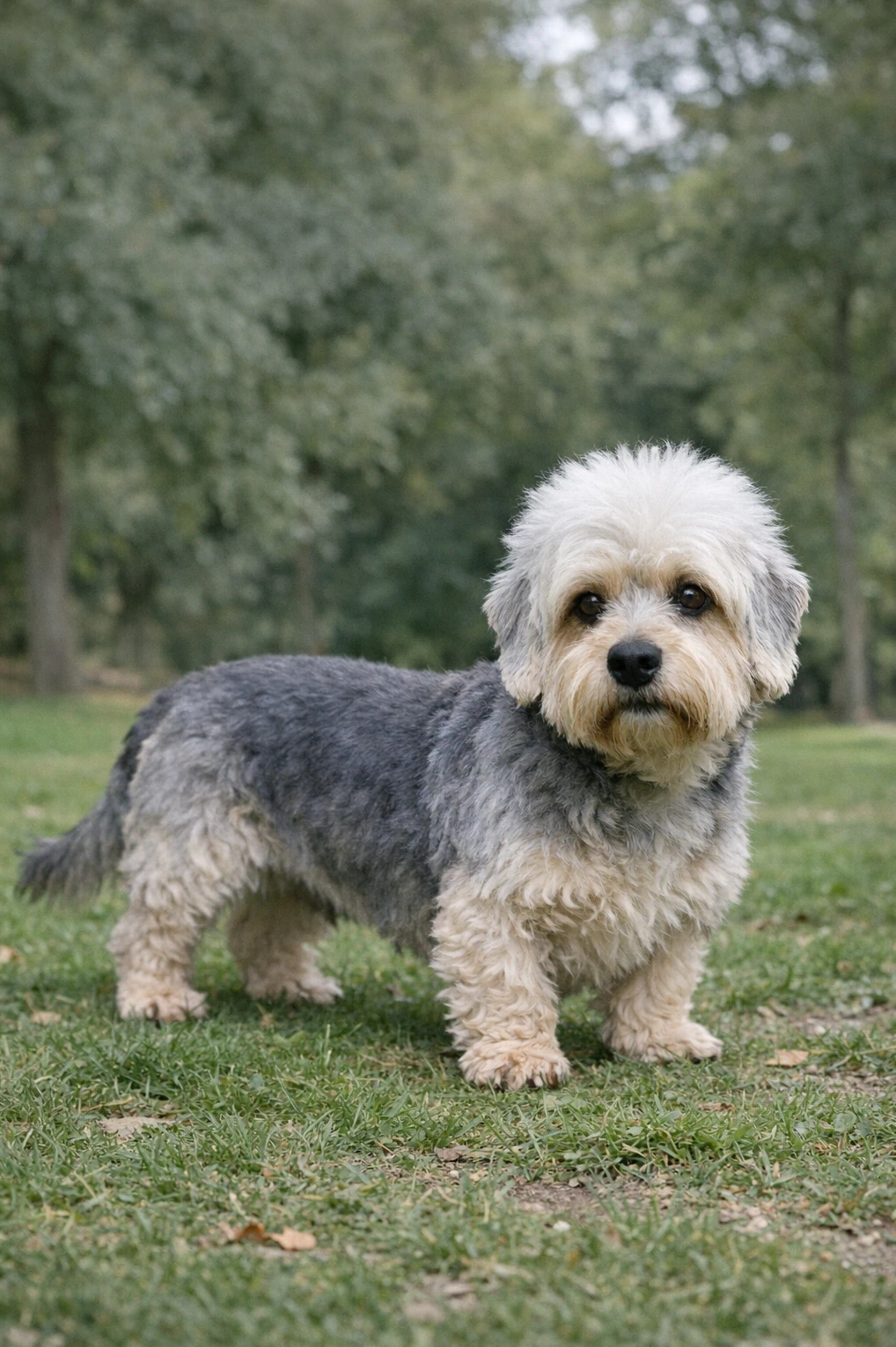
Compact 8-11 inch, 18-24 pound Dandie Dinmonts are self-reliant, dignified and clever. Nutritional verdict: a balanced, protein-focused diet with moderate calories and joint-support nutrients helps them stay healthy and energetic.
Understanding the Dandie Dinmont Terrier Metabolism and Energy Needs
As a terrier bred to flush and chase small quarry in tight spaces, the Dandie Dinmont has a compact, muscular build and an active mind that thrives on nutrient-rich meals. Their history of short, intense work favors ingredients that support lean muscle and steady focus, so food should do more than just fill a bowl.
Aim for diets richer in top-quality animal protein to maintain muscle mass and support brain function, using sources like chicken, fish, or lamb. Moderate healthy fats give concentrated energy and keep the coat healthy, and adding omega-3s such as fish oil helps joints and cognitive health. Keep carbohydrates complex and limited to steady energy without excess weight, and consider joint support like glucosamine plus probiotics for digestion.
Feed smaller, regular portions to match bursts of activity and avoid extra calories, checking body condition to keep your spirited companion agile and content.
Managing Dandie Dinmont Terrier Genetic Health Risks Through Nutrition
Lymphoma (rare)
Helpful nutrients
Ear infections
Helpful nutrients
Dental disease
Helpful nutrients
Obesity / Overweight
Helpful nutrients
Parasite susceptibility
Helpful nutrients
Dandie Dinmont Terrier Feeding & Calorie Calculator
Estimated Daily Calories
Tip: Start with this amount and adjust after 2–3 weeks based on your dog's body condition and weight trend.
This estimate provides a starting point for feeding. Individual calorie needs may vary depending on metabolism, body condition, and health status. Always monitor your dog's weight and consult your veterinarian when adjusting diet.
Foods and Ingredients to Avoid for Dandie Dinmont Terrier Dogs
Dandie Dinmonts can be prone to putting on weight if their calorie intake is not monitored, and high-fat foods make it easy to go overboard.
Fatty table scraps, bacon, and fried leftovers add calories quickly and can contribute to obesity, which stresses joints and can shorten a small dog’s active years.
Too much dietary fat can also trigger pancreatitis, a painful condition that requires veterinary care.
Stick to lean protein sources and measured treats, and talk with your vet about a calorie-controlled diet if your Dandie is carrying extra weight.
Cooked bones from chicken, pork, or other table scraps can splinter into sharp pieces that irritate or perforate the mouth, throat, or intestines.
Even a small breed like the Dandie is at risk of choking, dental damage, or serious internal injury from bone fragments.
Avoid giving any cooked bones, and be cautious with raw bones too unless advised by your veterinarian.
Safer chew options and vet-approved dental treats protect their teeth without the splinter risk.
Toxic foods that are dangerous to all dogs are an even greater concern for small breeds, since it takes a smaller amount to cause harm.
Chocolate and xylitol (a sweetener found in gum and some peanut butters) can cause seizures, low blood sugar, or liver failure, while grapes and raisins can damage the kidneys.
Keep these items well out of reach, and let family and guests know not to share sweets.
If accidental ingestion occurs, contact your vet or an emergency clinic immediately, because prompt care makes a big difference.
Human meals often contain high levels of salt, onion, garlic, and other seasonings that are not healthy for dogs.
Even small amounts of onion or garlic powder can cause damage to red blood cells over time, and salty snacks can lead to thirst, vomiting, or more serious issues in sensitive dogs.
Because Dandies are compact, their tolerance for these additives is low, so avoid feeding them leftovers that are seasoned or cured.
Offer plain, cooked alternatives when you want to share a bit of people food safely.
Some grain-free diets that rely heavily on peas, lentils, or other legumes have been linked to heart health concerns in certain dogs, especially when those ingredients dominate the recipe.
While the research is still evolving, it is wise to be cautious with diets that list legumes as the main ingredient, particularly for a small breed with limited caloric needs.
Talk with your veterinarian about balanced formulas that meet AAFCO guidelines, and consider diets with a mix of wholesome grains or varied protein sources if you have concerns about heart health.
Some Dandie Dinmonts, like many breeds, can have sensitive skin or digestive systems that react to artificial additives.
Ingredients such as BHA, BHT, artificial colors, or strong flavorings may trigger itchy skin, stomach upset, or subtle long-term irritation in susceptible dogs.
Choosing foods with simple, clearly named ingredients and natural preservatives can reduce the chance of sensitivities.
If your dog shows persistent itching or digestive changes, discuss an elimination trial with your vet to identify possible triggers.
How Nutritional Needs Change Throughout the Dandie Dinmont Terrier Life Stages
Dogs need different nutrition at each life stage, from the rapid growth of puppyhood to the steady needs of adulthood and the gentler metabolism of senior years. For a Dandie Dinmont Terrier these requirements reflect its breed size, growth rate, activity level and any common health tendencies. Adjusting calories, protein and specific nutrients helps support bones, coat and overall vitality at every age.
| Life Stage | Age Range | Primary Objective | Key Nutrient Focus |
|---|---|---|---|
| Puppy | 0–12 months | controlled skeletal development, immune support, brain development | DHA, balanced calcium/phosphorus, high-quality protein |
| Adult | 1–7 years | lean muscle maintenance and sustained energy | high-quality protein, omega-3 fatty acids, fiber |
| Senior | 7+ years | joint mobility, metabolic health, and cognitive support | glucosamine, chondroitin, antioxidants, lower calories |
A Dandie Dinmont Terrier puppy grows from a compact, sturdy frame into a proud little adult with a steady, moderate growth rate. During this rapid growth phase focus on controlled, steady weight gain to protect developing bones and joints, especially because small to medium terrier frames benefit from careful calcium and phosphorus balance. Feed puppy-sized portions more frequently, starting with three to four meals a day up to about six months, then gradually move to two meals.
Ensure high quality animal protein to support muscle and organ growth, plus DHA for brain and vision development. Include essential fatty acids to nourish their double coat and skin, and moderate calories to avoid excessive growth that can stress the skeleton. Practice dental care early and check ears regularly, since prevention helps keep a Dandie healthy as it grows.
An adult Dandie Dinmont Terrier is a compact, moderately active companion that benefits from a stable, balanced diet to maintain lean muscle and daily energy. Aim for quality animal protein and moderate fat to fuel play and mental activity, while keeping calories matched to activity and body condition. Feeding twice a day helps steady energy and supports digestion.
Include omega fatty acids to keep the double coat healthy and antioxidants for immune support. Keep portion sizes measured, limit calorie-dense treats and monitor weight, because even a small gain shows quickly on this 18 to 24 pound body. Regular dental care and routine vet visits help catch early signs of health changes and keep nutrition tailored to their lifestyle.
As a Dandie Dinmont Terrier reaches senior years metabolism and activity often slow, and digestion can become more sensitive. Keep an eye on weight, because reduced activity may mean you need to lower calories while preserving high quality protein to maintain muscle. A slightly lower calorie but nutrient-dense formula can help, and increased fiber may ease digestion.
Support joint health with appropriate amounts of glucosamine and omega fatty acids, especially if mobility becomes stiffer, and add antioxidants like vitamin E and selenium to support healthy aging. Continue regular dental and ear checks and discuss screening with your vet, since early attention to even rare conditions helps keep senior Dandies comfortable. Adjust feeding portions based on regular weight checks and activity.
Kibble vs Fresh vs Raw for Dandie Dinmont Terrier
Different feeding models suit different lifestyles, budgets, and dog needs. For the proud, smart Dandie Dinmont Terrier, energy level, dental care, and coat health should guide your choice.
Pros
- Convenient and easy to portion for busy households.
- Formulated to meet complete nutritional needs for daily health.
- Crunchy kibble helps reduce plaque on small teeth.
- Shelf-stable and generally more economical for regular feeding.
Cons
- Lower moisture content may not suit dogs who drink little.
- Some formulas include fillers or low-quality ingredients.
- Too calorie-dense can cause weight gain in a small dog.
- Kibble size must suit small mouths to encourage proper chewing.
Pros
- Often more palatable for picky or independent eaters.
- High moisture supports digestion and urinary tract health.
- You control ingredient quality, helpful for sensitivities.
- Can be tailored to help maintain a lean, healthy weight.
Cons
- Requires careful planning to ensure complete nutritional balance.
- Time and cost are higher than kibble over time.
- Needs refrigeration and consistent meal prep routines.
- Mistakes in balance can cause digestive or nutrient issues.
Pros
- High protein can help sustain an active terrier's energy.
- Owners often report improved coat condition with natural fats.
- Minimally processed ingredients appeal to some families.
Cons
- Risk of bacterial contamination without strict hygiene practices.
- Small bones can cause choking or tooth fractures in small breeds.
- Harder to ensure balanced vitamins and minerals consistently.
- Requires veterinary guidance and careful sourcing to be safe.
| Diet Type | Pros for Dandie Dinmont Terrier | Potential Downsides |
|---|---|---|
| High-Quality Kibble |
|
|
| Fresh Cooked Food |
|
|
| Raw Diet (BARF) |
|
|
Our Recommendation
For most Dandie Dinmont Terriers, a high-quality kibble tailored to small breeds provides balanced nutrition and easy portion control.
Fresh cooked meals make a great complement for picky dogs or for extra coat support when prepared with guidance.
Raw diets are an option for experienced owners, but they demand strict hygiene and professional balancing for this small, proud breed.
See Also
Breeds with similar group, size, and coat characteristics