Best Dog Food for Scottish Terrier in 2026Based on Nutritional Science
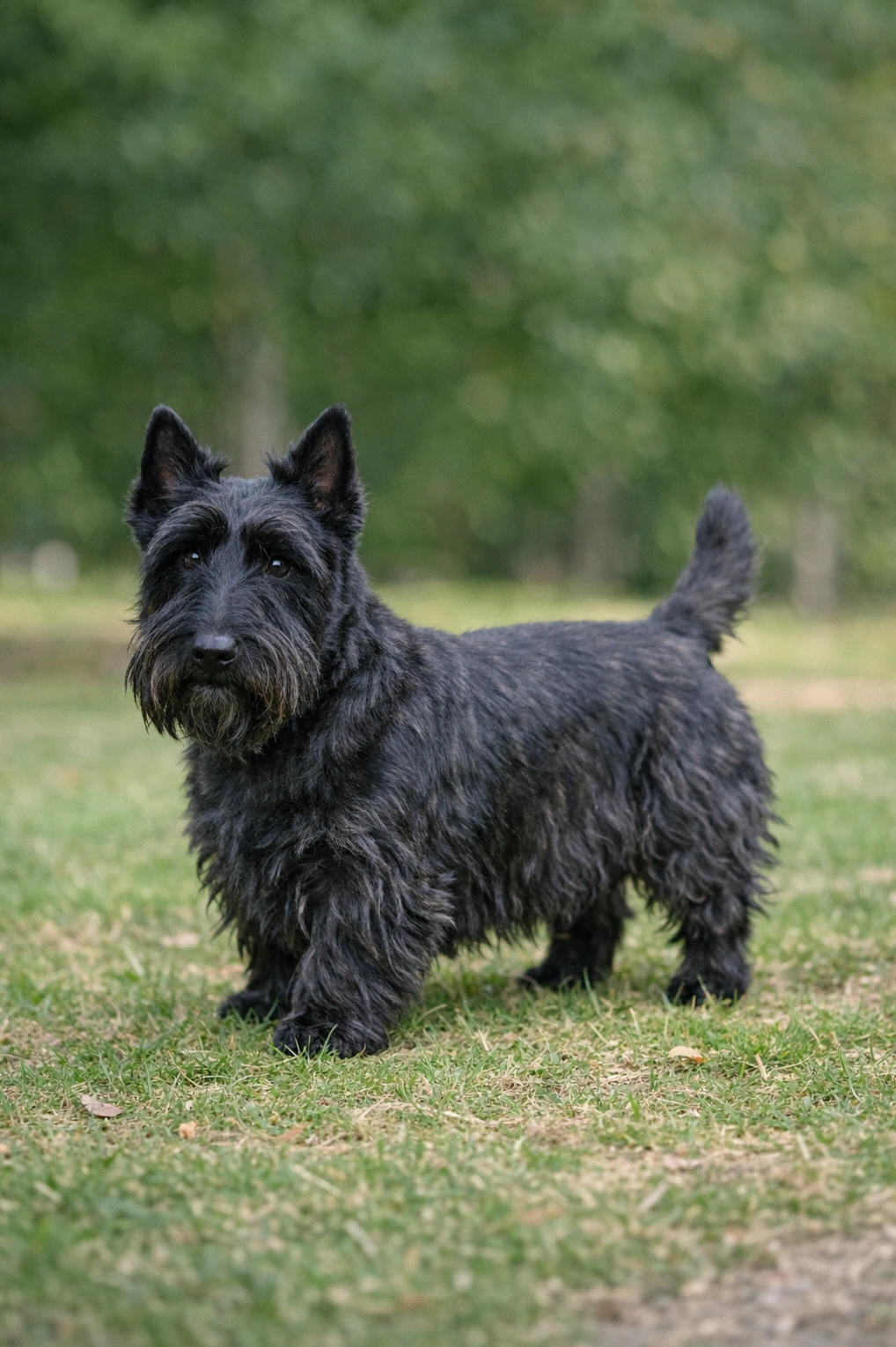
Compact at about 10 inches tall and 19 to 22 pounds for males, the Scottie is self-reliant, assured, and lively. Nutritional Verdict: balanced, protein-rich meals with portion control keep this sturdy terrier fit.
Understanding the Scottish Terrier Metabolism and Energy Needs
This compact terrier from Scotland was originally developed to chase and dispatch small quarry, so it combines a solid build with bold, self-reliant behavior and quick bursts of activity. That history means a diet that protects muscle mass while supplying short-term energy is key, with high quality animal proteins to maintain strength and mental focus. Moderate, good fats also matter to keep a thick coat healthy and to provide sustained calories between lively play sessions.
Aim for roughly 25 to 30 percent of calories from protein, about 18 to 22 percent from fat, and moderate carbohydrates to fill remaining energy without promoting weight gain, using digestible options like sweet potato. Include omega-3 and omega-6 fatty acids for skin and coat, glucosamine for joint support, and probiotics to smooth digestion. Practical meals center on chicken or fish protein, measured healthy fats such as fish oil, and fiber-rich vegetables.
Managing Scottish Terrier Genetic Health Risks Through Nutrition
Dry, flaky skin and irritation
Helpful nutrients
Excessive itching, chewing, or allergy-related discomfort
Helpful nutrients
Poor or uneven coat growth
Helpful nutrients
Scottish Terrier Feeding & Calorie Calculator
Estimated Daily Calories
Tip: Start with this amount and adjust after 2–3 weeks based on your dog's body condition and weight trend.
This estimate provides a starting point for feeding. Individual calorie needs may vary depending on metabolism, body condition, and health status. Always monitor your dog's weight and consult your veterinarian when adjusting diet.
Foods and Ingredients to Avoid for Scottish Terrier Dogs
Scottish Terriers are small dogs with a compact build, so calories from fat add up quickly and can promote unwanted weight gain.
Excess dietary fat also increases the risk of digestive upset and pancreatitis, which can be serious and sudden.
Stick to lean proteins and controlled treats, and avoid table scraps, fried foods, and rich human dishes that are high in fat to help maintain a healthy weight and protect joint and overall wellbeing.
Many small terriers do well on moderate protein diets in the mid-20 percent range, so avoid feeding foods that rely heavily on peas, lentils, chickpeas, or other legumes as primary protein or carbohydrate sources.
Emerging concerns link extremely high legume content in some grain-free recipes to heart issues in dogs, especially when the diet is otherwise unbalanced.
Choose formulas with a clear animal protein source and balanced nutrition that matches the Scottish Terrier's size and activity level.
Scottish Terriers can show skin sensitivities or allergic reactions that show up as itchiness, flakiness, or coat changes, so it is wise to avoid foods with artificial preservatives, colors, and flavors.
Ingredients like BHA, BHT, and artificial dyes can sometimes aggravate skin and digestive sensitivities.
Opting for naturally preserved foods and simpler ingredient lists helps reduce the chance of flare ups and supports a healthy, even coat and comfortable skin.
Onions, garlic, leeks, and chives contain compounds that can damage a dog’s red blood cells, leading to anemia.
Even small amounts can be harmful to a small breed like a Scottish Terrier, and symptoms may take time to appear after ingestion.
Avoid feeding any foods seasoned with these ingredients, including powdered forms and leftovers from restaurants, and keep all family members informed about the danger.
Common human treats such as grapes, raisins, chocolate, and sweeteners like xylitol can cause severe toxicity in dogs even in relatively small amounts.
For a 19 to 22 pound Scottish Terrier, these items can lead to vomiting, lethargy, kidney damage, low blood sugar, or worse depending on the substance.
Keep these foods out of reach, check ingredient labels on human products, and use only dog-safe treats to avoid urgent medical problems.
Cooked bones splinter easily and can puncture or lodge in a small dog’s mouth, throat, or intestines, while very hard chews risk dental fractures.
Scottish Terriers have strong jaws but a relatively small size, so a fractured tooth or gastrointestinal obstruction is a real concern.
Choose appropriately sized, softer chew options and supervise treat time to protect teeth and digestion, especially if your dog tends to gulp or chew aggressively.
How Nutritional Needs Change Throughout the Scottish Terrier Life Stages
Scottish Terriers have changing nutritional needs as they move from playful puppies to steady adults and graceful seniors. Growth rate, activity level, and common health tendencies shape what to feed at each stage, and the breed’s compact, spirited nature means portions and nutrient balance matter.
Work with your breeder and veterinarian to tailor feeding for your dog’s growth and long-term health.
| Life Stage | Age Range | Primary Objective | Key Nutrient Focus |
|---|---|---|---|
| Puppy | 0–12 months | controlled skeletal development, immune support, brain development | DHA, balanced calcium/phosphorus, high-quality protein |
| Adult | 1–7 years | lean muscle maintenance and sustained energy | high-quality protein, omega-3 fatty acids, fiber |
| Senior | 7+ years | joint mobility, metabolic health, and cognitive support | glucosamine, chondroitin, antioxidants, lower calories |
Scottish Terrier puppies grow relatively quickly and usually reach most of their adult size by about 10 to 12 months, so balanced, steady growth is important to protect developing bones and joints. Feed a high-quality puppy formula with appropriate levels of protein, fat, and controlled calcium and phosphorus to support skeletal development without encouraging overly rapid growth.
Frequent small meals, three to four times daily for young pups, help steady energy and prevent hypoglycemia in tiny eaters. Include digestible protein, DHA for brain and eye development, and omega fatty acids to support their wiry double coat.
Because Scotties are spirited but not super high endurance athletes, avoid excess calories that lead to early weight gain. Discuss any family health predispositions with your breeder and veterinarian to fine-tune portions and nutrient priorities.
Adult Scottish Terriers benefit from a diet that maintains lean muscle and steady energy without adding unnecessary pounds. Choose a complete adult formula with high-quality protein to preserve muscle, moderate fat for energy, and balanced carbohydrates for stamina during their bursts of activity.
For this compact, confident breed, feeding in measured portions twice daily helps prevent begging and weight creep. Support their wiry coat with omega-3 and omega-6 fatty acids and include nutrients like zinc and biotin if recommended.
Keep an eye on activity level, because Scotties can be spirited but may not require large calorie intakes. Regular weight checks and adjustments based on play, walks, or quiet rest will keep your terrier fit and happy.
As Scottish Terriers enter their senior years, metabolism often slows and digestion can become less efficient, so calorie needs may drop while the need for high-quality protein to preserve lean mass increases. Offer a diet with easily digestible protein, a bit lower calories, and higher fiber if your vet recommends it to support gut health.
Joint-support nutrients such as glucosamine, chondroitin, and omega-3 fatty acids can help mobility, especially for a compact breed prone to stiffness as they age. Antioxidants, vitamin E, and carotenoids support immune health and cognitive function.
Dental changes may require softer kibble or wet food options for comfort. Work with your veterinarian and use club-recommended health information and screenings to catch breed-specific issues early and tailor nutrition for your senior Scottie.
Kibble vs Fresh vs Raw for Scottish Terrier
Different feeding models suit different lifestyles and owner routines. For a Scottish Terrier, consider their small size, spirited independence, wiry coat, and breed health tendencies when choosing food.
Pros
- Convenient and easy to portion for a small, busy household.
- Formulas often include balanced vitamins for skin and wiry coat.
- Portion-controlled options help prevent obesity in a compact breed.
- Long shelf life suits owners who prefer low-maintenance feeding.
Cons
- Lower moisture may not suit dogs prone to urinary issues.
- Some formulas contain fillers or allergens triggering sensitivities.
- Picky, independent Scotties may refuse bland kibble.
- Requires strict portion control to avoid excess weight gain.
Pros
- High moisture supports hydration and urinary tract health.
- Very palatable for independent, occasionally picky Scottish Terriers.
- Ingredient control helps manage allergies and sensitive stomachs.
- Can be tailored to maintain lean muscle in a small frame.
Cons
- Time-consuming to prep and plan balanced meals consistently.
- Risk of nutritional gaps without veterinary or nutritional guidance.
- More expensive over time than basic kibble options.
- Needs refrigeration and careful storage for safety.
Pros
- High protein can support energy and muscle for spirited dogs.
- Some owners report shinier coat and improved skin condition.
- Minimally processed ingredients may suit owners avoiding preservatives.
- Can be portioned for small breed calorie needs.
Cons
- Higher bacterial contamination risk needs strict hygiene practices.
- Small bones can pose choking or dental fracture risk for Scotties.
- Requires expert balancing to avoid calcium and vitamin imbalances.
- Cost and freezer space can be significant for regular feeding.
- Not ideal for multi-dog households without careful handling routines.
| Diet Type | Pros for Scottish Terrier | Potential Downsides |
|---|---|---|
| High-Quality Kibble |
|
|
| Fresh Cooked Food |
|
|
| Raw Diet (BARF) |
|
|
Our Recommendation
For many Scottish Terriers, high-quality kibble or thoughtfully prepared fresh food are practical and balanced starting points.
Raw feeding can work for committed owners, but it needs veterinary guidance and strict hygiene.
See Also
Breeds with similar group, size, and coat characteristics