Best Dog Food for Glen of Imaal Terrier in 2026Based on Nutritional Science
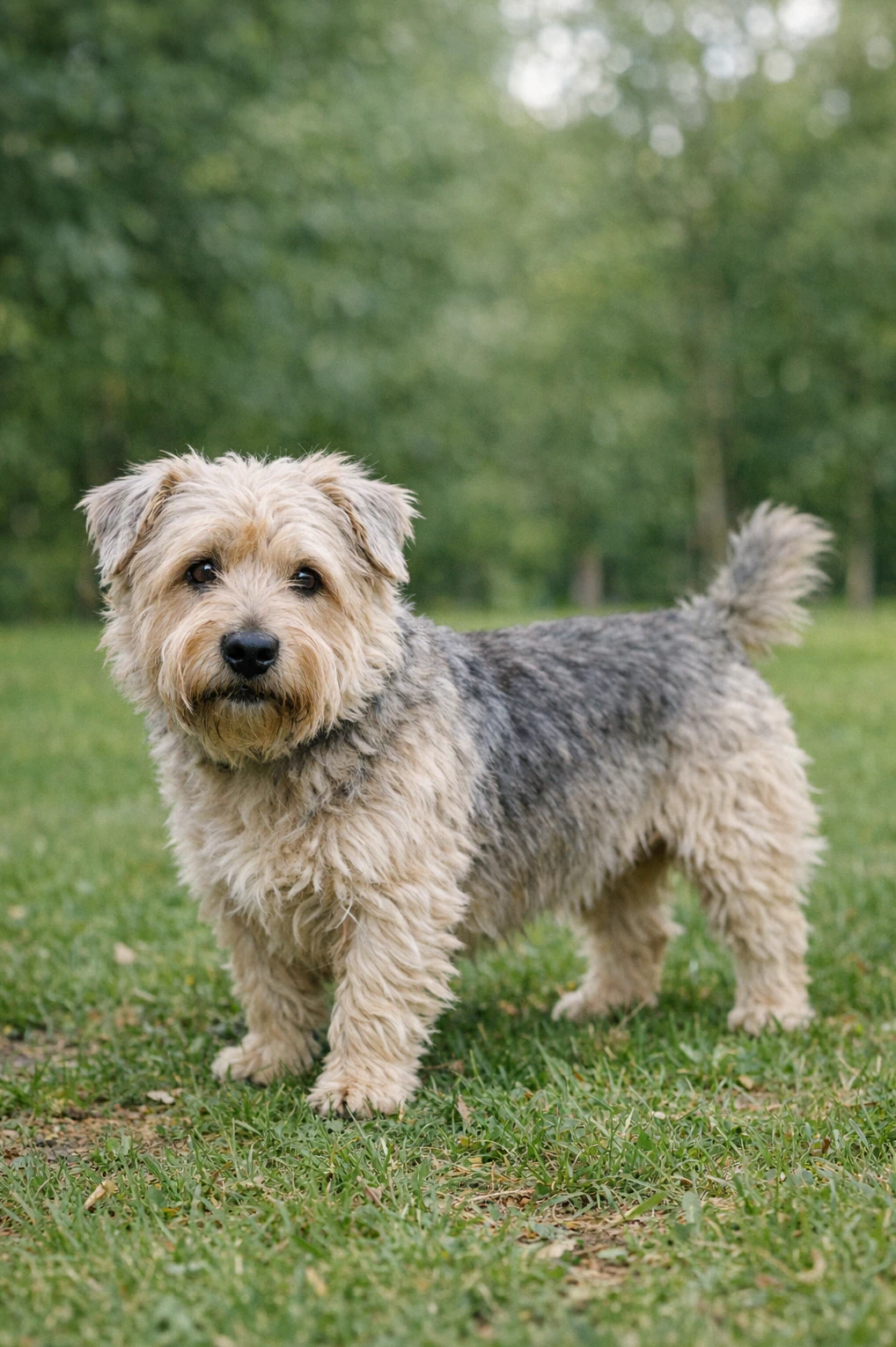
Compact, sturdy terrier standing about 12.5 to 14 inches and weighing 32 to 40 pounds, energetic yet mellow and confidently brave. Nutritional verdict: balanced, protein-forward meals with controlled portions and joint-support nutrients for steady health.
Understanding the Glen of Imaal Terrier Metabolism and Energy Needs
These compact Irish working dogs were developed to pursue and dispatch small quarry, so they combine short bursts of intense effort with calm, companionable moments. Their muscular, low-to-the-ground frames need fuel that supports quick power and preserves lean tissue, while careful portioning matters because they also enjoy relaxed time indoors.
A higher share of quality animal protein supports muscle repair and sustained strength, aiming for roughly a quarter to a third of daily calories. Moderate fat provides concentrated energy for sudden activity and helps maintain a healthy, shiny coat, while carbohydrates should be digestible and fiber-rich to steady blood sugar and support digestion rather than dominate the diet.
Long-chain omega-3s promote skin and coat health, and joint-support nutrients can benefit a compact, active body that takes knocks. Consistent portions, nutrient-dense food, and regular play help keep this little powerhouse fit and content.
Managing Glen of Imaal Terrier Genetic Health Risks Through Nutrition
Hip Dysplasia
Helpful nutrients
Cone-Rod Dystrophy (Eye Disease)
Helpful nutrients
Growth-Related Front Leg Stress
Helpful nutrients
Ear Infections
Helpful nutrients
Dental Issues (Tartar and Gum Disease)
Helpful nutrients
Obesity
Helpful nutrients
Glen of Imaal Terrier Feeding & Calorie Calculator
Estimated Daily Calories
Tip: Start with this amount and adjust after 2–3 weeks based on your dog's body condition and weight trend.
This estimate provides a starting point for feeding. Individual calorie needs may vary depending on metabolism, body condition, and health status. Always monitor your dog's weight and consult your veterinarian when adjusting diet.
Foods and Ingredients to Avoid for Glen of Imaal Terrier Dogs
Glen of Imaal Terriers can gain weight if overfed, and high-fat foods or fatty table scraps make that worse.
Excess fat increases the risk of obesity and pancreatitis, which can be serious and make their joints and front legs work harder.
Choose lean protein sources and moderate treats to keep weight in a healthy range, and talk with your vet before introducing rich foods or frequent people-food treats.
This breed is prone to weight gain if treats are given freely, and extra pounds put strain on hips and shoulders, especially for a compact dog of 32 to 40 pounds.
Training treats are helpful, but calories add up quickly and can worsen joint stress over time.
Use small, low-calorie rewards, count treats as part of the daily calorie allowance, and adjust meal portions when you give extra snacks.
During the first nine months it is important to avoid diets that promote overly rapid growth or contain excessive calcium, because the Glen needs gentle development to protect growing front legs and developing joints.
Too much calcium or calories can contribute to orthopedic issues like hip dysplasia or elbow stress later on.
Feed a balanced, breed-appropriate puppy formula recommended by your vet and avoid free-feeding calorie-dense foods while the skeleton is maturing.
Some Glen of Imaal Terriers are sensitive to additives, and ingredients like artificial colors, BHA, or BHT can irritate skin or upset digestion in sensitive dogs.
Because coat and skin health are important, avoiding these additives helps reduce the chance of flare-ups or chronic itch.
Look for foods preserved naturally or with named antioxidants, and monitor your dog's coat and ears for any signs of irritation after diet changes.
Foods like onions, garlic, chives, grapes, raisins, and anything sweetened with xylitol are dangerous for dogs and should never be offered.
Alliums can cause red blood cell damage, grapes and raisins can lead to kidney failure, and xylitol can cause severe hypoglycemia and liver issues even in small amounts.
Keep human snacks out of reach, check ingredient labels, and contact your vet or emergency clinic immediately if you suspect ingestion.
Some grain-free diets that rely heavily on peas, lentils, or potatoes have been associated with heart concerns in certain dogs, so they should be chosen carefully.
While research is ongoing, feeding a well-balanced, veterinary-approved formula is especially important for a breed that benefits from steady, moderate activity and stable body condition.
If you are considering a grain-free option, discuss it with your veterinarian and choose formulas from reputable manufacturers with proper heart and nutritional testing.
How Nutritional Needs Change Throughout the Glen of Imaal Terrier Life Stages
Dogs need different nutrition at different life stages, and Glen of Imaal Terriers are no exception. During puppyhood, adulthood, and their senior years, their calorie needs, protein requirements, and joint support needs change. These differences are shaped by the breed's growth rate, activity level, and common health tendencies like hip concerns and eye conditions, so feeding choices should reflect those factors.
| Life Stage | Age Range | Primary Objective | Key Nutrient Focus |
|---|---|---|---|
| Puppy | 0–12 months | controlled skeletal development, immune support, brain development | DHA, balanced calcium/phosphorus, high-quality protein |
| Adult | 1–7 years | lean muscle maintenance and sustained energy | high-quality protein, omega-3 fatty acids, fiber |
| Senior | 7+ years | joint mobility, metabolic health, and cognitive support | glucosamine, chondroitin, antioxidants, lower calories |
Glen of Imaal Terrier puppies grow at a steady medium-rate that supports their compact, muscular build. Early nutrition should support skeletal development without encouraging overly rapid growth, since excess weight and high calorie intake can place stress on the front legs during the first nine months. Provide a diet formulated for medium-breed puppies with controlled calcium and phosphorus levels, high quality animal proteins for muscle, and DHA to support brain and eye development.
Feed smaller, frequent meals, generally three to four times daily until about six months, then transition to two meals. Include sources of omega-3 fatty acids for eye and joint health, and avoid calorie-dense free feeding. Work with your breeder or vet on portion size and watch for hip or eye issues common in the breed.
Adult Glen of Imaal Terriers need a balanced diet that keeps their muscular frame and lively but not excessive energy in good shape. Aim for high quality animal protein to maintain muscle mass, moderate healthy fats for energy and coat condition, and appropriate carbohydrates or fiber to support steady digestion. Because Glens are spirited but often calm at home, calorie intake should match their actual activity level to avoid weight gain that could stress hips.
Feed twice daily with measured portions, and choose a formula for medium, active breeds or a maintenance formula recommended by your vet. Include omega-3 fatty acids and antioxidants to support skin, coat and long-term eye health. Regular exercise and routine weight checks help tailor feeding as activity changes.
As Glen of Imaal Terriers age, their metabolism often slows and joints can become less forgiving, so senior nutrition emphasizes maintaining muscle while protecting mobility. Reduce calorie density if your dog becomes less active, while keeping protein levels high enough to preserve lean mass. Add joint-support nutrients like omega-3 fatty acids, glucosamine and chondroitin after discussing supplements with your vet, and include antioxidants such as vitamins E and C to support eye and cellular health.
Softer kibble or moistened food can help with dental sensitivity and easier chewing. Watch weight closely, because carrying extra pounds increases strain on hips and front legs. Regular vet checkups will help tailor calorie needs, joint support and any special considerations tied to hip dysplasia risk or eye conditions common in the breed.
Kibble vs Fresh vs Raw for Glen of Imaal Terrier
Different feeding models suit different lifestyles and health needs, especially for a Glen of Imaal Terrier. Consider activity, growth stages, and breed-specific screening when choosing a feeding approach.
Pros
- Convenient and easy to portion for busy owners.
- Consistent nutrition supports a Glen's growth and adult maintenance.
- Crunch helps reduce tartar when you brush teeth regularly.
- Many formulas include joint support nutrients helpful during early development.
Cons
- Lower moisture content may not suit dogs needing extra hydration.
- Some brands contain fillers or artificial additives to watch for.
- Calorie dense formulas can promote weight gain and stress joints.
- Less flexibility to avoid specific allergens or owner preferences.
Pros
- Highly palatable, often adored by picky Glens.
- High moisture supports hydration and gentle digestion.
- You can add joint friendly ingredients for early growth support.
- Gentler on sensitive stomachs, reducing digestive upset for some.
Cons
- More expensive and takes more time than kibble.
- Requires precise recipes to avoid nutrient deficiencies during growth.
- Needs refrigeration and fresh prep to stay safe.
- Portion errors can risk excess weight, stressing hips and joints.
Pros
- High protein focus can suit an active Glen's energy needs.
- Some owners report shinier coats and livelier energy in Glens.
- Minimal processing preserves some natural nutrients when handled safely.
- Easily tailored to avoid known allergens or sensitivities.
Cons
- Requires strict hygiene to minimize bacterial contamination risks.
- Bones can pose choking or fracture risks for medium sized dogs.
- Balancing minerals is tricky and crucial to protect growing front legs.
- Veterinary guidance is essential due to breed hip and eye considerations.
| Diet Type | Pros for Glen of Imaal Terrier | Potential Downsides |
|---|---|---|
| High-Quality Kibble |
|
|
| Fresh Cooked Food |
|
|
| Raw Diet (BARF) |
|
|
Our Recommendation
For many Glen owners, high-quality kibble offers reliable balance and convenience for this sturdy, medium sized terrier.
Fresh cooked meals suit picky or sensitive Glens, while raw diets require strict veterinary guidance and careful balancing.
See Also
Breeds with similar group, size, and coat characteristics