Best Dog Food for Kerry Blue Terrier in 2026Based on Nutritional Science
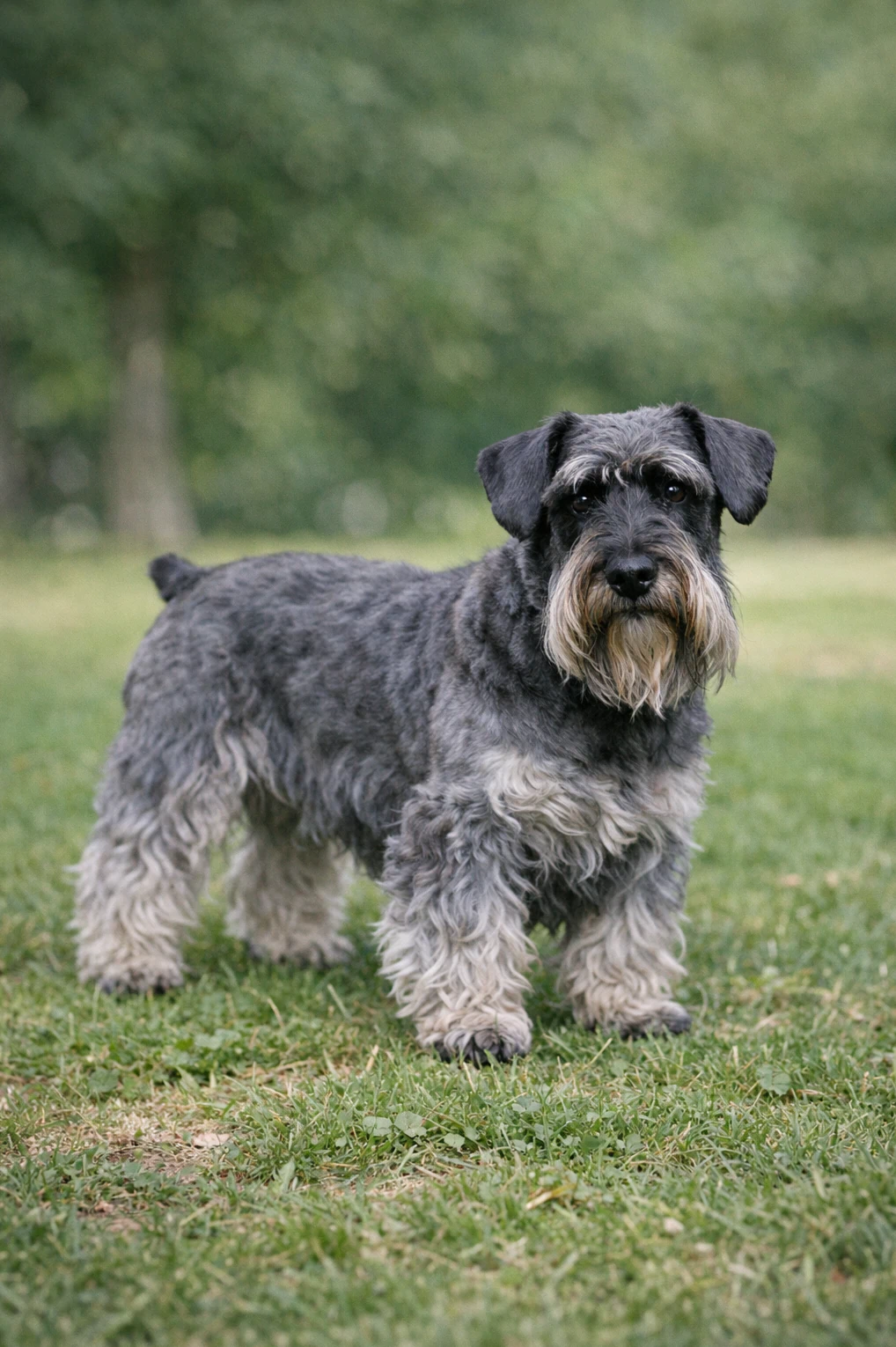
Medium-sized Kerry Blue Terrier, about 18 to 19.5 inches and 33 to 40 pounds, is vigilant, bright, and very sociable. Nutritional verdict: feed a high-quality, protein-rich, balanced diet to support activity and lean muscle.

Understanding the Kerry Blue Terrier Metabolism and Energy Needs
Bred to hunt and root out small quarry, this terrier line is energetic, quick, and deeply social with its family. Those qualities mean both muscles and the nervous system need steady, dense nutrition to recover from bursts of activity. A compact, athletic body does better on nutrient-rich food than empty calories.
A higher share of quality protein supports lean muscle and fast repair, while moderate fats supply concentrated fuel and promote a healthy coat. Carbohydrates should be modest, coming from whole grains or vegetables for steady energy and fiber, not excess sugars that encourage weight gain.
Additions like omega-3s, joint support (glucosamine) and antioxidants aid coat, mobility, immune and brain health. Feeding real protein, good oils and a few targeted supplements helps these lively, family-minded dogs stay strong, sharp, and comfortable.
Managing Kerry Blue Terrier Genetic Health Risks Through Nutrition
Hip Dysplasia
Helpful nutrients
Eye Conditions
Helpful nutrients
Overweight / Obesity
Helpful nutrients
Kerry Blue Terrier Feeding & Calorie Calculator
Estimated Daily Calories
Tip: Start with this amount and adjust after 2–3 weeks based on your dog's body condition and weight trend.
This estimate provides a starting point for feeding. Individual calorie needs may vary depending on metabolism, body condition, and health status. Always monitor your dog's weight and consult your veterinarian when adjusting diet.
Foods and Ingredients to Avoid for Kerry Blue Terrier Dogs
Kerry Blue Terriers can gain weight if their calorie sources are too rich, and high-fat foods can push a medium-sized dog toward unwanted pounds quickly.
Excess dietary fat also raises the risk of digestive upset and, in some cases, pancreatitis, which can be serious.
Keep meals based on lean proteins and controlled fat levels, and check with your vet if you are considering rich homemade recipes or fatty table scraps.
This breed responds well to training, and treats are helpful, but too many can lead to obesity in a 33 to 40 pound Kerry.
Small, frequent rewards add up fast, and extra calories contribute to weight that stresses hips and joints over time.
Use low-calorie, nutrient-dense treats, fold training rewards into the daily calorie allowance, and weigh your dog regularly to keep them at a healthy body condition.
Diets that replace grains with large amounts of peas, lentils, chickpeas, or other pulses have been linked in some reports to heart muscle problems in dogs.
While not every dog is affected, avoiding diets that rely heavily on these ingredients is a cautious choice for an active, medium-sized breed like the Kerry Blue Terrier.
If you prefer grain-free formulas, discuss ingredient balance and cardiac health monitoring with your veterinarian before switching long term.
Some Kerry Blues show food sensitivities, and artificial preservatives, colors, or flavors can trigger skin or stomach reactions.
Ingredients listed as BHA, BHT, ethoxyquin, or unknown color additives are best avoided when possible to reduce the chance of irritation.
Choosing foods with natural preservation methods and simple, named ingredients can help keep your dog comfortable and easy to groom.
Onions, garlic, chives, and leeks contain compounds that can damage red blood cells in dogs, potentially causing anemia even when small amounts are fed repeatedly.
The risk applies to raw, cooked, or powdered forms, so flavored human foods and many savory table scraps can be hazardous.
Keep all allium-containing foods out of reach and check ingredient labels on snacks, sauces, and seasonings to protect your Kerry Blue Terrier's blood health.
Grapes and raisins can cause sudden kidney failure in dogs, and individual sensitivity is unpredictable, so complete avoidance is the safest policy.
Even small amounts can be dangerous, and baked goods or trail mixes may hide these fruits where you least expect them.
Always offer pet-safe fruits and supervise snack sharing, and call your veterinarian immediately if you suspect ingestion of grapes or raisins.
Xylitol, found in sugar-free gum, some peanut butters, and many low-sugar products, can cause a rapid and life-threatening drop in blood sugar, as well as liver damage in dogs.
Always check labels on human foods and keep sugar-free products well away from curious noses and paws.
When treating your Kerry Blue Terrier, stick to clearly labeled dog-safe treats and consult your vet if you are unsure about a product's ingredients.
How Nutritional Needs Change Throughout the Kerry Blue Terrier Life Stages
From puppyhood to adulthood and into their golden years, a Kerry Blue Terrier’s nutritional needs change significantly. Growth, activity level, and breed-specific health tendencies shape what they need at each stage. Medium-sized Kerries grow steadily and are alert and people-oriented, so diet should support healthy development, energy for play, and long-term joint and eye health, guided by breeder and veterinarian advice.
| Life Stage | Age Range | Primary Objective | Key Nutrient Focus |
|---|---|---|---|
| Puppy | 0–12 months | controlled skeletal development, immune support, brain development | DHA, balanced calcium/phosphorus, high-quality protein |
| Adult | 1–7 years | lean muscle maintenance and sustained energy | high-quality protein, omega-3 fatty acids, fiber |
| Senior | 7+ years | joint mobility, metabolic health, and cognitive support | glucosamine, chondroitin, antioxidants, lower calories |
Puppies of the Kerry Blue Terrier grow at a moderate pace compared with giant breeds, but their skeletal system still needs careful support as bones and joints form. A diet formulated for medium-breed puppies with controlled calcium and phosphorus helps avoid overly rapid growth that can stress developing joints. Feed smaller, frequent meals when very young, moving from three or four feedings a day to two by about six months, while ensuring high quality protein and DHA for brain and eye development.
Kerries are alert and moderately active, so calorie intake should match play and training without excess. Include balanced fats for energy and omega fatty acids for a healthy coat, alongside probiotics and easily digestible carbohydrates to support digestion. Work with your breeder and your veterinarian regarding recommended growth charts and any screening for hips and eyes so nutrition can be adjusted to reduce risk of hereditary issues.
As adults, Kerry Blue Terriers benefit from a diet that preserves lean muscle and fuels their alert, people-oriented nature. Choose high quality protein as a foundation, paired with moderate healthy fats for sustained energy during walks and play. The balance of calories should reflect your dog’s daily activity, with more active dogs earning higher energy rations and less active pets needing portion control to prevent weight gain.
Include omega-3s and omega-6s to support the wavy medium coat and skin health, and antioxidants to bolster overall wellness. Regular exercise, mental stimulation, and weight monitoring go hand in hand with nutrition to prevent joint strain. Keep routine veterinary checks and follow any breeder guidance on maintaining hip and eye health, adjusting diet if your dog’s activity or body condition changes.
As Kerry Blues enter their senior years, metabolism and activity often decline which can change calorie needs and digestion. Reduced stomach acid and slower transit may make rich or unfamiliar foods harder to tolerate, while joint stiffness can limit exercise. Continue to prioritize protein to preserve muscle, but adjust totals to reflect lower energy needs.
Consider diets with added joint support like glucosamine, chondroitin, and fish oil, along with antioxidants such as vitamins C and E to support cellular health. Higher quality, highly digestible proteins and a bit more fiber can aid intestinal function, and small reductions in daily calories may prevent weight gain. Keep up hip evaluations and ophthalmologist checks recommended by the breed club, and coordinate any changes with your veterinarian.
Kibble vs Fresh vs Raw for Kerry Blue Terrier
Different feeding models suit different lifestyles and dogs, and Kerry Blue Terriers are no exception.
Consider your Kerry's activity, grooming needs, and your available time when choosing a diet.
Pros
- Convenient and easy to portion for busy owners.
- Consistent, balanced nutrition in every serving.
- Crunch helps reduce tartar buildup between groomings.
- Generally more affordable and shelf-stable than fresh options.
Cons
- Lower moisture content can be less hydrating.
- Some formulas contain fillers or low-quality ingredients.
- May be less enticing for picky Kerries.
- Might not provide optimal skin and coat fats without special formulas.
Pros
- Highly palatable for picky or food-motivated Kerries.
- Higher moisture aids digestion and hydration.
- You control ingredient quality and avoid unwanted additives.
- Easily adjusted for activity level and coat health needs.
Cons
- More time consuming and requires regular meal prep.
- Costs add up faster than kibble.
- Needs careful planning to ensure complete nutrition.
- Requires refrigeration and safe storage between meals.
Pros
- High protein profile supports lean muscle and active minds.
- Often improves coat texture with natural fats.
- Low processing can preserve heat-sensitive nutrients.
- Some owners report increased energy and vitality.
Cons
- Higher risk of bacterial contamination without strict hygiene.
- Balancing vitamins and minerals typically requires supplementation.
- Raw bones can present choking or dental hazards.
- Not recommended without veterinary guidance for most households.
| Diet Type | Pros for Kerry Blue Terrier | Potential Downsides |
|---|---|---|
| High-Quality Kibble |
|
|
| Fresh Cooked Food |
|
|
| Raw Diet (BARF) |
|
|
Our Recommendation
For many Kerry Blue Terriers, a high-quality kibble or a carefully planned fresh cooked diet meets energy and coat needs while fitting family life.
Raw feeding can work for committed owners, but it needs veterinary guidance and strict safety practices.
See Also
Breeds with similar group, size, and coat characteristics