Best Dog Food for Sealyham Terrier in 2026Based on Nutritional Science
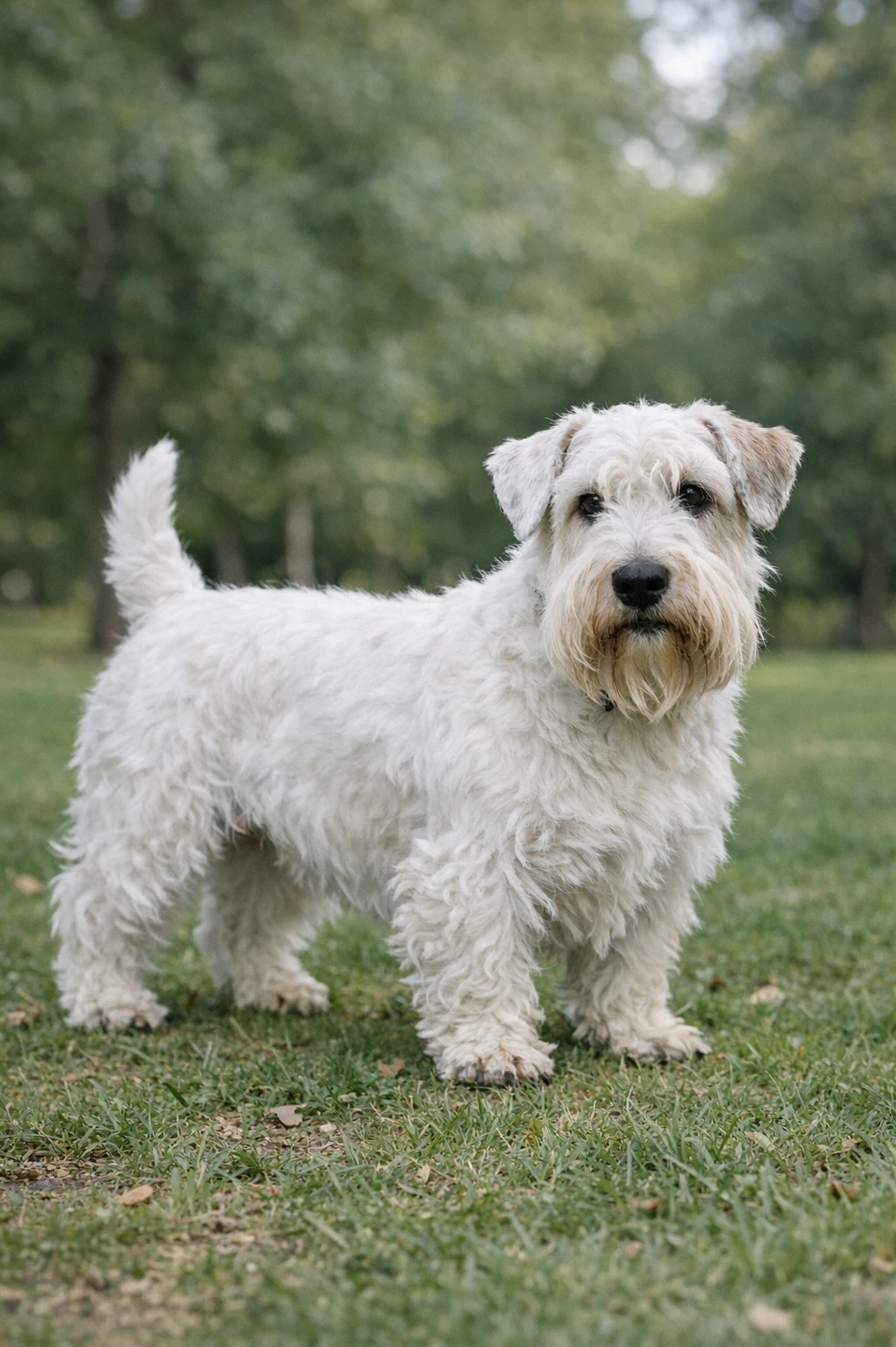
Compact at about 10.5 inches tall and 23 to 24 pounds, the Sealyham is vigilant, sociable, and delightfully playful. Nutritional verdict: balanced, high-quality protein with portion control keeps this merry terrier fit and healthy.
Understanding the Sealyham Terrier Metabolism and Energy Needs
As a compact, bold hunting companion developed to chase and root out ground prey, this dog relies on steady muscle power and quick bursts of energy. That ancestry means its diet should be built around high-quality animal protein to maintain firm musculature and support short, intense activity.
Healthy fats supply concentrated fuel and help maintain skin and coat health, with omega-3s supporting a glossy coat and flexible joints. Carbohydrates should come from whole-food sources and be kept moderate to prevent unwanted weight gain, providing slow-release energy for walks and play.
Mental curiosity is fuelled by B vitamins and antioxidants for cognitive function and recovery, while glucosamine plus chondroitin can help preserve joint comfort over time. Careful portioning and nutrient-dense recipes keep these little characters lean, energetic, and ready for friendly mischief.
Managing Sealyham Terrier Genetic Health Risks Through Nutrition
Allergies (skin and food)
Helpful nutrients
Genetic eye diseases
Helpful nutrients
Tearing and non-genetic eye infections from long eyebrows
Helpful nutrients
Ear infections
Helpful nutrients
Obesity and weight management
Helpful nutrients
Sealyham Terrier Feeding & Calorie Calculator
Estimated Daily Calories
Tip: Start with this amount and adjust after 2–3 weeks based on your dog's body condition and weight trend.
This estimate provides a starting point for feeding. Individual calorie needs may vary depending on metabolism, body condition, and health status. Always monitor your dog's weight and consult your veterinarian when adjusting diet.
Foods and Ingredients to Avoid for Sealyham Terrier Dogs
Sealyham Terriers can be prone to extra pounds, and high-fat foods add calories quickly which increases the risk of obesity and joint strain for a compact, active dog.
Fatty table scraps and greasy human foods can also trigger pancreatitis, a painful inflammation that may require urgent veterinary care.
Stick to lean protein sources and measured portions, and talk with your vet about an appropriate calorie target for your dog’s age and activity level to keep them fit and happy.
Foods with bright artificial dyes can stain a Sealyham’s beard and sometimes color urine, leaving a yellowish tinge that is hard to remove from the facial hair this breed often sports.
Some dogs with sensitive skin or mild allergies may also react to artificial colors with itching or gastrointestinal upset.
Choose dyes-free or naturally colored foods, especially for show dogs or pets with facial furnishings, to keep the coat looking clean and to reduce the chance of irritation.
Treats are great for training, but a small Sealyham can gain weight quickly if treats are too rich or given too frequently, which increases stress on their joints and may lead to obesity.
Table scraps often contain excess fat, salt, and seasonings that do not belong in a dog’s regular diet and can upset digestion.
Opt for low-calorie training treats, cut regular kibble into smaller pieces for rewards, and count treats as part of the daily calorie intake to maintain a healthy weight.
Allergies are fairly common in Sealyhams, so ingredients like beef, dairy, wheat, and soy can be culprits for skin irritation, ear problems, or digestive issues in sensitive dogs.
Repeated exposure to a triggering protein can lead to chronic itching and secondary infections, especially around the ears and face where this breed often shows symptoms.
If you suspect a food allergy, work with your veterinarian on an elimination trial or try a limited-ingredient or novel-protein diet to identify and avoid the offending ingredient.
Xylitol, found in sugar-free gum, some peanut butters, and human sweets, is extremely toxic to dogs and can cause a rapid drop in blood sugar and potentially life-threatening liver damage.
Even small amounts can be dangerous for a small-breed dog like a Sealyham, so any food containing xylitol must be kept well out of reach.
Always check ingredient labels before offering human foods, and if ingestion occurs, contact your veterinarian or emergency clinic immediately.
Onions and garlic, whether raw, cooked, or powdered, can damage a dog’s red blood cells and lead to anemia, while grapes and raisins have been linked to acute kidney failure in some dogs.
These items provide no nutritional benefit and carry potentially serious health risks, especially for a smaller dog that needs smaller margins for safety.
Avoid feeding any of these foods, and be cautious with leftovers or foods that may contain hidden forms of these ingredients.
How Nutritional Needs Change Throughout the Sealyham Terrier Life Stages
Dogs have different nutritional needs as they move from puppyhood to adulthood and into their senior years, and Sealyham Terriers are no exception. Their diet should account for a medium-sized terrier's growth rate, lively activity, and breed tendencies such as skin allergies and eye or ear sensitivities. Tailoring meals by life stage helps support healthy bones, a wiry coat, and steady energy.
| Life Stage | Age Range | Primary Objective | Key Nutrient Focus |
|---|---|---|---|
| Puppy | 0–12 months | controlled skeletal development, immune support, brain development | DHA, balanced calcium/phosphorus, high-quality protein |
| Adult | 1–7 years | lean muscle maintenance and sustained energy | high-quality protein, omega-3 fatty acids, fiber |
| Senior | 7+ years | joint mobility, metabolic health, and cognitive support | glucosamine, chondroitin, antioxidants, lower calories |
Sealyham Terrier puppies grow at a steady, medium-terrier pace, which means they need nutrient-dense food to support steady skeletal development without excessive calorie overload. Frequent meals during rapid growth help keep energy steady and reduce stress on developing joints. Offer three to four small meals a day until about six months, then transition to two meals as growth slows.
High quality protein supports muscle and brain development, while controlled levels of calcium and phosphorus protect the developing bones and joints. Include DHA for cognitive development and omega-3 fatty acids to promote a healthy wiry coat and soothe skin prone to allergies. Because this breed can be sensitive to certain ingredients, consider novel proteins or limited-ingredient diets if you notice skin issues or digestive upset.
Adult Sealyham Terriers are compact and lively, so nutrition should maintain lean muscle and steady energy without excess calories that promote weight gain. Aim for a diet with moderate to high quality protein and controlled fat, matched to daily activity and playtime. Feeding twice a day helps regulate metabolism and supports consistent energy through walks and games.
Include omega-3s and vitamin E to support the wiry double coat and soothe allergy-prone skin, while digestible carbohydrates and fiber help keep digestion regular. Monitor body condition regularly and adjust portions if activity levels change, especially in less active or indoor pets. If the dog shows sensitivity to common proteins, rotate or try limited-ingredient diets after consulting your veterinarian.
As Sealyham Terriers enter their senior years, metabolism often slows and activity decreases, so calorie needs may fall while protein needs remain important to prevent muscle loss. Joint stiffness can appear in older dogs, so a diet with joint-supporting nutrients like glucosamine, chondroitin and omega-3 fatty acids can help mobility and comfort. Gentle, easily digestible formulas and added fiber support digestive health when appetite or gut tolerance changes.
Antioxidants such as vitamin E and beta-carotene support eye health and overall cellular resilience, which is useful given the breed's sensitivity to certain hereditary and non-hereditary eye conditions. Monitor weight and body condition, trimming calories if the dog becomes less active, and consult your veterinarian about supplements and any ingredient sensitivities related to allergies or ear health.
Kibble vs Fresh vs Raw for Sealyham Terrier
Different feeding models suit different lifestyles, budgets, and health needs.
For a lively, alert Sealyham Terrier, choose a diet that supports its small size, wiry coat, and tendency toward allergies.
Pros
- Convenient and easy to portion for busy owners.
- Small-breed formulas match their calorie needs and kibble size.
- Often fortified for dental health and balanced nutrition.
- Shelf-stable and simple for travel or unpredictable routines.
Cons
- May contain common allergens like chicken or grains.
- Lower moisture may not suit dogs that drink little water.
- Some formulas include fillers or artificial additives.
- Overfeeding can quickly cause weight gain in small dogs.
Pros
- Highly digestible and good for dogs with food sensitivities.
- High moisture supports skin and digestion, helpful for wiry coats.
- You control protein sources to avoid known allergens.
- Often very palatable for picky, outgoing eaters.
Cons
- More expensive and time-consuming than kibble.
- Requires careful planning to ensure vitamins and minerals balance.
- Needs refrigeration and safe meal prep routines.
- Inconsistent recipes can cause nutritional gaps without guidance.
Pros
- High protein that can support energy and a glossy coat.
- Some owners report improved coat and vitality with tailored raw diets.
- Minimal processing preserves natural nutrients.
Cons
- Strict hygiene required to avoid bacterial contamination.
- Small bones pose choking and internal injury risks for small breeds.
- Balancing micronutrients is challenging without expert guidance.
- Raw proteins can still trigger breed-common allergies.
| Diet Type | Pros for Sealyham Terrier | Potential Downsides |
|---|---|---|
| High-Quality Kibble |
|
|
| Fresh Cooked Food |
|
|
| Raw Diet (BARF) |
|
|
Our Recommendation
For most Sealyham Terriers, a high-quality kibble or thoughtfully prepared fresh diet tends to be the most practical and safe choice.
If you consider raw feeding, consult your veterinarian and a nutritionist to manage hygiene, bone risks, and nutrient balance.
See Also
Breeds with similar group, size, and coat characteristics