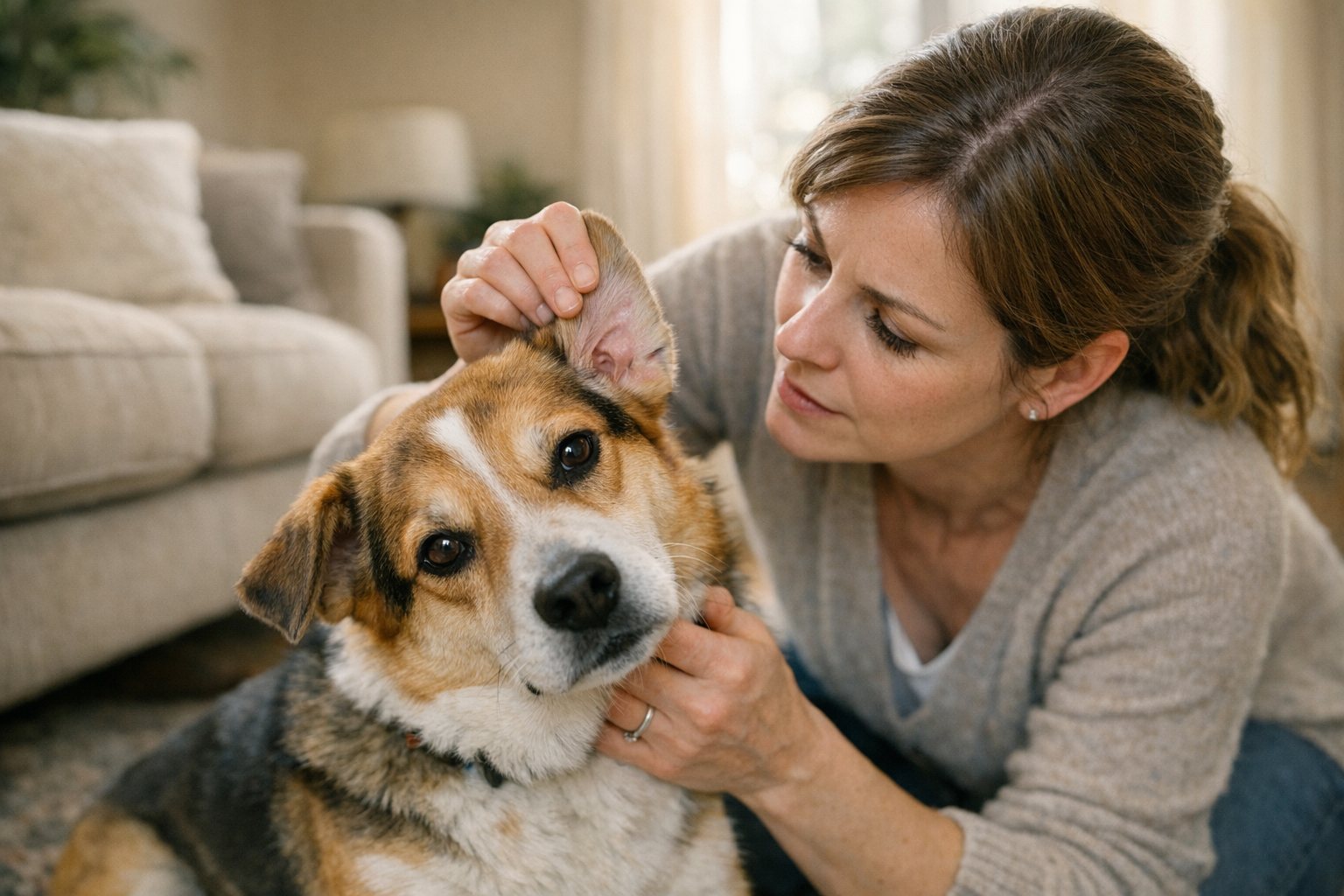
What Happens If My Dog Eats Chocolate?
What happens if my dog eats chocolate? Learn which types are most dangerous, the symptoms to watch for, and when to call a vet fast.
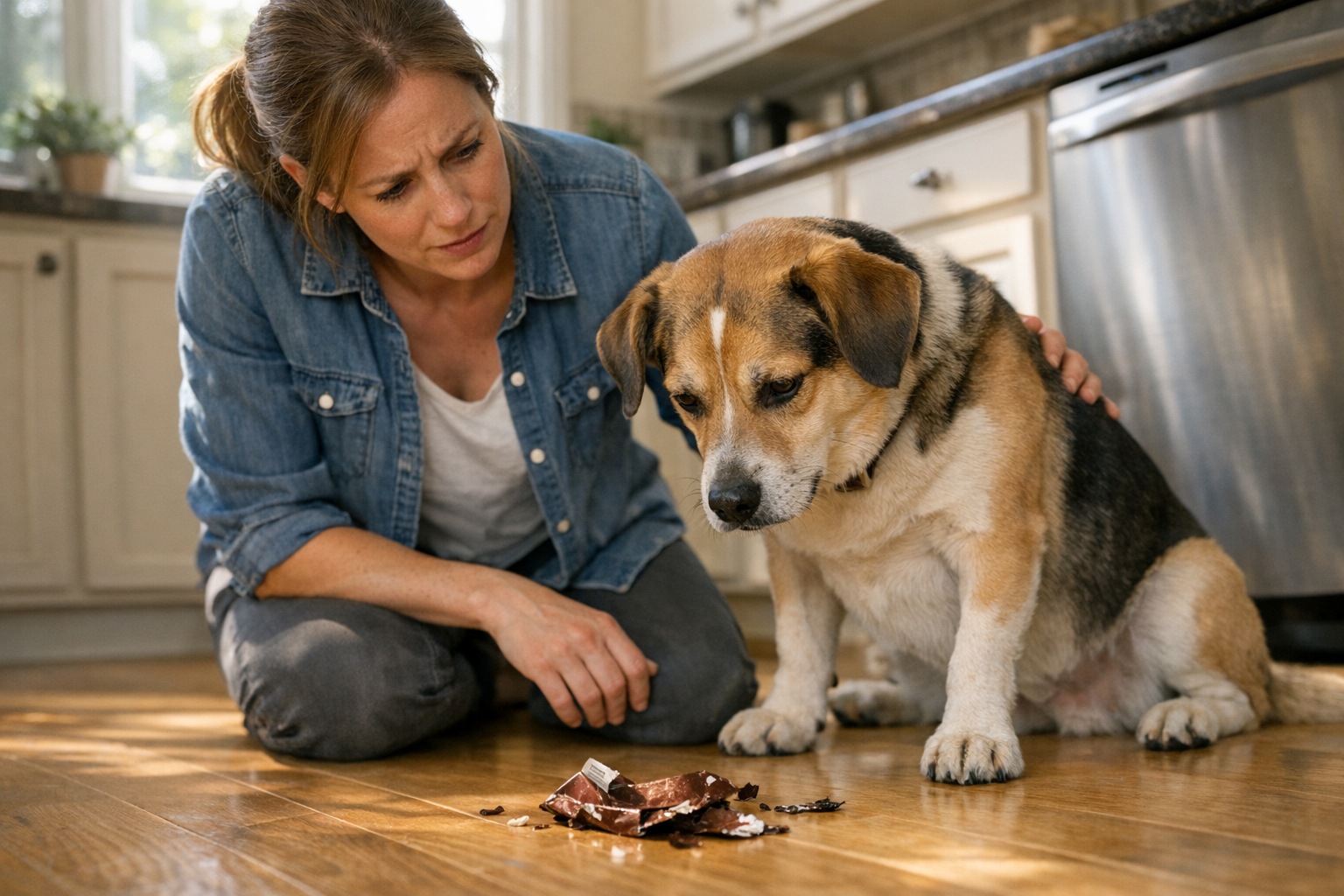
If your dog eats chocolate, the risk depends on three things fast, the type of chocolate, how much was eaten, and your dog's size. Some dogs end up with a stomachache and a rough night. Others need emergency treatment within hours.
The short version is this. Dark chocolate and baking chocolate can be a real emergency, especially for small dogs. Milk chocolate is less concentrated, but a big enough amount can still cause vomiting, agitation, a racing heart, tremors, or seizures. White chocolate is usually less toxic from the chocolate itself, but it can still cause trouble because it is loaded with fat and sugar.
What in chocolate makes dogs sick
Chocolate contains theobromine and caffeine. Dogs process both much more slowly than people do, so the stimulant effect builds up and hangs around longer.
That is why timing matters. A dog can look fine right after stealing a brownie, then start acting restless, nauseated, or shaky a few hours later.
Body size matters a lot too. In small Bolognese dogs, even what looks like a modest amount can be enough to cause symptoms. An agile breed like Pyrenean Shepherds may be more likely to raid a bag on the counter, and if they eat a concentrated product like cocoa powder, trouble can come quickly.
How dangerous different chocolates are
Not all chocolate is equal. This is the rough order from most dangerous to least dangerous.
Baking chocolate and cocoa powder are at the top. Then come dark chocolate and semisweet chocolate. Milk chocolate is lower on the list. White chocolate is usually the least toxic in terms of theobromine, but it still is not safe to shrug off, especially if your dog ate a lot.
Filled chocolates can be worse than they first appear. Some include raisins, macadamia nuts, espresso, or xylitol. Those ingredients change the situation completely and can make it more urgent than plain chocolate alone.
A tiny piece of milk chocolate in a large dog often is not catastrophic. A few ounces of dark chocolate in a 10 pound dog is different. That dog needs a vet call right away, even if it still seems normal.
Do not wait to see if the dog digests it and moves on. Chocolate symptoms can start before a normal digestion timeline would make you think the food is gone, and fatty treats like brownies can sit in the stomach longer than people expect.
Symptoms to watch for
Symptoms usually show up within 6 to 12 hours, but they can start sooner. I have seen owners get falsely reassured because the dog seemed okay for the first hour, then everything changed fast.
Early signs
The first signs are often stomach upset and stimulation. Think vomiting, diarrhea, drooling, panting, pacing, whining, thirst, and trouble settling down.
Some dogs also look anxious or wired. They may act like they cannot get comfortable, keep changing positions, or stare at you with that odd, over-alert look.
If your dog has drooling and shaking after eating chocolate, do not assume it is simple nausea. Trembling can be the start of something more serious, especially with dark chocolate or cocoa powder.
More serious signs
As toxicity worsens, the heart and nervous system get involved. You might notice a very fast heartbeat, weakness, tremors, muscle twitching, stumbling, overheating, or seizures.
Dogs with chocolate toxicity can feel hot to the touch, but that is not always the same thing as a true infection-related fever. If you are unsure what body heat changes look like in general, these fever signs are useful to know, but chocolate exposure plus agitation is a same-day vet problem, not a wait-and-see one.
This is not a slow issue like white nails, where you often have time to watch for patterns and book a routine visit. Chocolate exposure is time-sensitive.
What to do right now
First, get the chocolate away from your dog. Move wrappers, candy bowls, baking ingredients, and anything else within reach. If there are other pets in the house, check them too.
Next, figure out as much as you can. What type of chocolate was it, how much is missing, when did it happen, and how much does your dog weigh? Grab the wrapper or package before you call the vet. You want exact details, not guesses.
Then call your regular vet, an emergency vet, or a pet poison hotline right away. This is especially important if your dog is small, the chocolate was dark or baking chocolate, or the dog has heart disease, seizures, or other medical issues.
Do not induce vomiting unless a vet specifically tells you to. People still pass around home-remedy advice online, but it is not harmless. Hydrogen peroxide can cause its own problems, and vomiting is not safe in every dog.
If your vet tells you to come in, go. Do not wait for symptoms to start.
If you need to leave the house fast and your dog is panicky, it helps to put on a harness instead of clipping to a collar and wrestling through the doorway. The goal is to get out safely, not make an already overstimulated dog more frantic.
When it is an emergency
Sometimes a vet call turns into a home monitoring plan. Sometimes it turns into get in the car now. Here are the situations that push this toward emergency care.
Your dog ate baking chocolate, cocoa powder, or a large amount of dark chocolate. Your dog is tiny, elderly, or has a heart condition. Your dog is already vomiting, shaking, pacing hard, or having trouble standing.
It is also an emergency if the chocolate product contained other dangerous ingredients. Brownies, trail mix, sugar-free candy, coffee beans, espresso-covered snacks, or holiday desserts can be more dangerous than the chocolate alone.
Repeated vomiting needs prompt care. So do tremors, a swollen belly, collapse, seizures, or a heart rate that feels obviously fast and pounding.
If your dog ate foil, paper, or plastic wrappers with the chocolate, mention that too. Toxicity might not be the only problem. A bowel obstruction can become part of the picture.
What the vet may do
This part depends on how long ago your dog ate the chocolate and what symptoms are showing. If it was recent, the vet may induce vomiting to get as much out as possible before it is absorbed.
Many dogs also get activated charcoal. It binds what is left in the gut and helps reduce further absorption. In some cases the vet may repeat it, because theobromine can keep circulating.
Dogs with more than mild signs often need IV fluids, heart monitoring, anti-nausea medication, and medicine to control tremors or seizures. If the heart rate is very high or abnormal, the vet may treat that directly.
Observation matters more than some owners expect. A dog that seems only mildly restless at first can get worse several hours later, so the safest plan may be monitoring at the clinic.
How long chocolate poisoning lasts
Mild cases can settle within a day. More serious cases can last 24 to 72 hours, sometimes longer if a large amount was eaten or the chocolate was very concentrated.
The rough stretch is that dogs do not clear theobromine quickly. That is why a dog can still be twitchy, sleepless, or nauseated long after you thought the food should be out of the system.
Brownies and other rich desserts can complicate things even more. The fat can trigger pancreatitis, which means vomiting, belly pain, and lethargy can continue even after the stimulant effects wear off.
Prevention matters, because dogs learn fast
Most chocolate emergencies happen in very normal homes. A purse was left on the floor. A candy bowl sat on the coffee table. A child shared a cookie. It does not take much.
Store chocolate high up, inside a closed cabinet, not just on the counter. During holidays, be extra careful with gift bags, Easter baskets, Advent calendars, Halloween stashes, and baking supplies.
If your dog is a committed scavenger, boredom is often part of the problem. Good enrichment toys can take some pressure off the constant hunt for food and wrappers.
Training helps too. The same household boundary work behind off-the-couch training often carries over to kitchen manners, coffee tables, and leave-it habits. It is not instant, but it does make a difference.
Tell guests and kids clearly that chocolate is off limits. Do not assume everyone knows. I still hear people say, it was only a little bit, after offering fudge or a chocolate-chip muffin to a 12 pound dog.
One last thing, cocoa mulch in the yard can also be a problem. It is less common than candy theft, but some dogs will chew or dig in it, especially curious dogs that already like to investigate every scent.
The safest rule to follow
If your dog ate dark chocolate, baking chocolate, cocoa powder, or any unknown amount of chocolate and your dog is small, call a vet now. If your dog is showing vomiting, agitation, tremors, or a racing heart, skip the internet search and get real guidance right away.
For a large dog that ate a tiny amount of milk chocolate, the outcome is often much better. But often is not the same as always. When chocolate is involved, a quick phone call can save you a long night, or in some cases, save your dog's life.