Best Dog Food for Bolognese in 2026Based on Nutritional Science
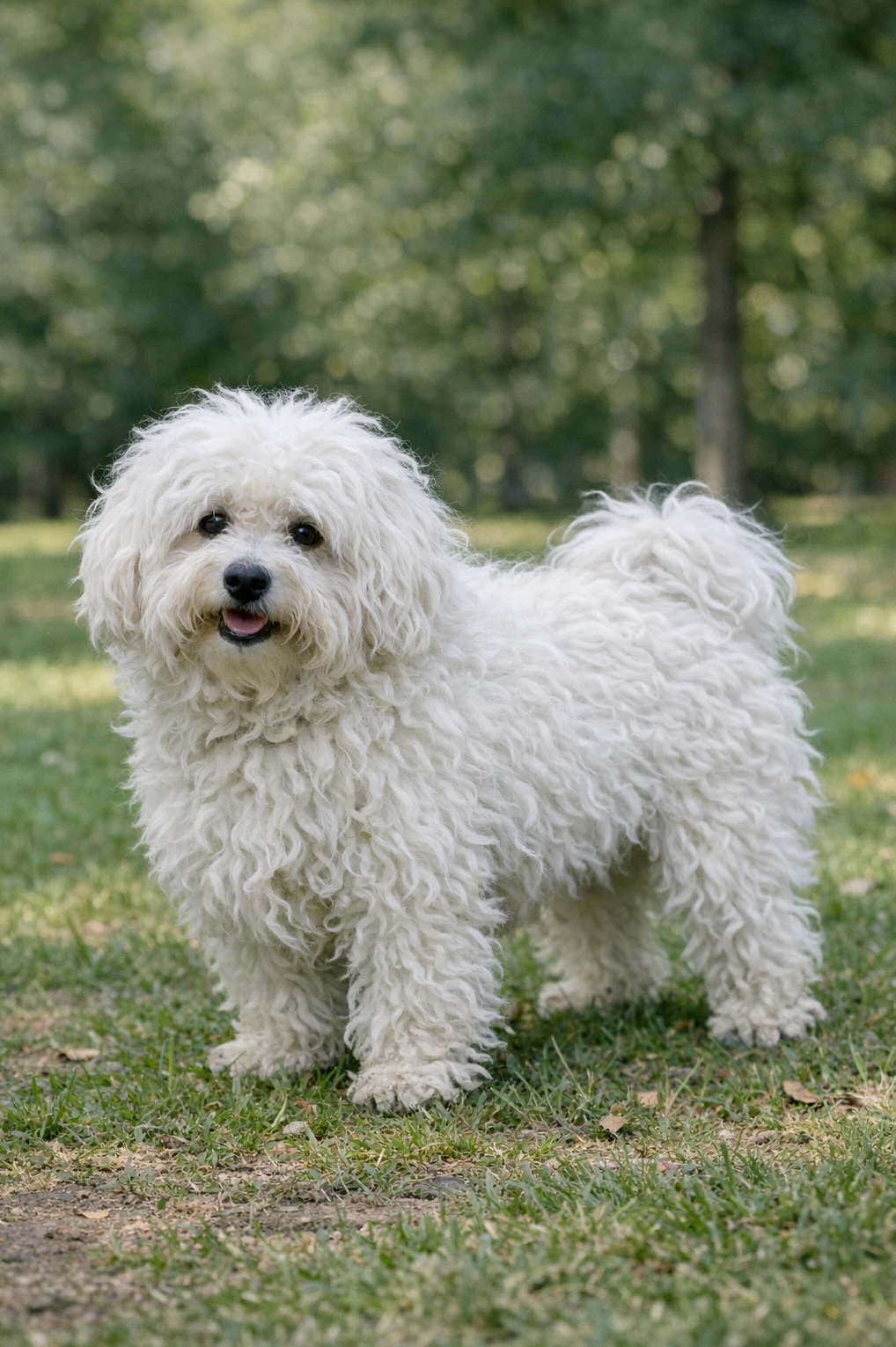
Bolognese are petite companions about 10 to 12 inches tall and 6 to 10 pounds, lively, relaxed, and loyal. Nutritional verdict: a high-quality small-breed diet with portion control and balanced protein.
Understanding the Bolognese Metabolism and Energy Needs
Small, affectionate companion dogs combine bursts of energy with long cuddle sessions, and their ancestry as lap and city companions shapes how we feed them. Their metabolism prefers nutrient-dense meals in small amounts, so each calorie must work hard.
They do best on diets focused on high-quality animal protein to protect lean mass and support brain function, roughly 25 to 30 percent on a dry matter basis, paired with moderate fat, about 12 to 18 percent, for concentrated calories and a glossy coat. Low to moderate complex carbohydrates provide steady fuel without excess bulk, helping avoid weight gain.
Gentle digestive support like probiotics can help sensitive tummies, while omega-3 oils nourish skin and cognitive health. Smaller kibble size and nutrient-dense recipes ensure portion control and full nutrition for a compact, companion lifestyle.
Managing Bolognese Genetic Health Risks Through Nutrition
Luxating Patella
Helpful nutrients
Eye Anomalies
Helpful nutrients
Obesity / Overweight
Helpful nutrients
Bolognese Feeding & Calorie Calculator
Estimated Daily Calories
Tip: Start with this amount and adjust after 2–3 weeks based on your dog's body condition and weight trend.
This estimate provides a starting point for feeding. Individual calorie needs may vary depending on metabolism, body condition, and health status. Always monitor your dog's weight and consult your veterinarian when adjusting diet.
Foods and Ingredients to Avoid for Bolognese Dogs
Because Bolognese are small and some can gain weight easily, high-fat foods and rich table scraps can lead to rapid weight gain and put extra pressure on their tiny joints, especially if they have or develop luxating patellas.
High fat intake also increases the risk of pancreatitis, a painful and serious condition, so keep treats lean, measure meals carefully, and talk with your vet about an appropriate daily calorie goal to support a healthy weight and comfortable movement.
Xylitol, found in sugar-free gum, some peanut butters, and many diet products, can trigger a dangerous and rapid drop in blood sugar and cause liver injury even in small amounts, which makes it especially risky for tiny breeds like the Bolognese.
Always read ingredient labels, avoid sharing human low-sugar foods, and be cautious with treats and dental products so you do not accidentally expose your dog to this toxic sweetener.
Grapes and raisins can cause potentially life threatening kidney failure in dogs, and because Bolognese are so small, even a small amount can be dangerous compared with larger breeds.
Avoid feeding any grape or raisin containing foods or baked goods, and be cautious with fruit sampling during mealtimes; if you suspect ingestion, contact your veterinarian immediately so they can assess the risk and act quickly to protect your dog’s kidneys.
Onions, garlic, leeks and chives contain compounds that can damage red blood cells and cause anemia, and small dogs like the Bolognese can show symptoms after eating smaller quantities than larger breeds.
This risk applies to raw, cooked or powdered forms, so avoid feeding these ingredients in any recipe or table scrap and check processed foods and seasonings before sharing them with your dog to keep their blood health steady and energy levels bright.
Diets that rely heavily on peas, lentils or other legumes as the main carbohydrate and protein source have been associated with heart concerns in some dogs, so take care when choosing grain free formulas and discuss options with your veterinarian.
For a small breed like the Bolognese, balanced nutrition that includes appropriate protein sources and watched ingredient ratios helps support overall health, and regular check ups can catch any early changes in weight, heart function or energy.
Growing puppies of small breeds can develop skeletal problems if they receive too much supplemental calcium, so avoid free feeding calcium rich supplements without veterinary guidance and choose puppy formulas made for small breed growth needs.
Cooked bones and very hard chews are also risky because they can splinter, cause mouth or intestinal injuries, or create choking hazards for a tiny dog, so opt for safe, appropriately sized chews and discuss safe treat choices with your vet.
How Nutritional Needs Change Throughout the Bolognese Life Stages
Dogs need different nutrition at puppyhood, adulthood, and senior years, and Bolognese are no exception. Their needs depend on growth rate, activity level, and common health tendencies like luxating patella or eye anomalies. Puppies need nutrients to grow, adults need balanced maintenance, and seniors need support for mobility and digestion. Adjusting food and feeding routines helps keep a Bolognese healthy and happy through life.
| Life Stage | Age Range | Primary Objective | Key Nutrient Focus |
|---|---|---|---|
| Puppy | 0–10 months | controlled skeletal development, immune support, brain development | DHA, balanced calcium/phosphorus, high-quality protein |
| Adult | 10 months–8 years | lean muscle maintenance and sustained energy | high-quality protein, omega-3 fatty acids, fiber |
| Senior | 8+ years | joint mobility, metabolic health, and cognitive support | glucosamine, chondroitin, antioxidants, lower calories |
Small breeds like the Bolognese grow quickly, usually reaching adult size by about 9 to 12 months, so early skeletal development needs careful attention. Controlled, steady growth helps reduce stress on developing joints, especially because some Bolognese may be prone to luxating patellas, and a responsible breeder should have screened for related issues.
Because of their fast metabolism and small stomachs, Bolognese puppies do best with three to four smaller meals per day to keep energy steady and avoid hypoglycemia. Focus on high-quality proteins, moderate fat for energy, DHA for brain and eye development, and a correct calcium to phosphorus balance for bones. Avoid overfeeding and heavy treats, and consult your veterinarian for growth monitoring and a feeding plan tailored to your pup.
As adults, Bolognese need steady nutrition to maintain lean muscle and lively energy without excess weight. A diet with high-quality protein and moderate fat helps preserve muscle mass while supplying energy for play and walks. Because Bolognese are small and often live indoors, choose calorie-dense but portion-controlled meals to prevent obesity, which can worsen joint issues like luxating patella and increase strain on the eyes if problems exist.
Feed two measured meals a day and adjust portions based on activity level, age, and body condition. Include nutrients that support dental health, skin, and coat, since their long wavy coat benefits from omega-3 fatty acids. Regular weight checks and coordination with your veterinarian will keep an adult Bolognese fit and comfortable.
As Bolognese age, metabolism often slows while muscle mass and joint resilience decline, and digestion can become more sensitive. Seniors may need fewer calories yet more high-quality protein to preserve lean tissue, along with higher fiber and easily digestible ingredients to support gentle digestion. Offer softer or moistened food if dental wear or tooth loss makes chewing difficult.
Joint-support nutrients such as glucosamine, chondroitin, and omega-3 fatty acids can help mobility, and antioxidants support cellular health and immunity in older dogs. Keep portions measured to avoid weight gain that stresses small joints, especially with a breed prone to luxating patella. Work with your veterinarian to tailor calorie levels and any supplements, and monitor appetite, stool quality, and activity for signs that adjustments are needed.
Kibble vs Fresh vs Raw for Bolognese
Different feeding models suit different lifestyles and owner routines.
For a Bolognese, small size, playful energy, delicate joints, and a long wavy coat affect ideal nutrient choices.
Pros
- Easy to portion small kibbles suit a tiny Bolognese appetite.
- Balanced formulas often include joint-supporting nutrients for patella health.
- Crunchy texture helps reduce tartar on small teeth.
- Convenient and shelf-stable for busy owners and travel.
Cons
- Some formulas contain fillers or additives that may irritate sensitive dogs.
- Low moisture content can be problematic for dogs that drink little.
- Portion control is crucial to prevent obesity in this small, easy-going breed.
- Kibble size or hardness may be too much for very young or tiny mouths.
Pros
- Highly palatable, great for picky Bolognese.
- High moisture supports digestion and hydration for small dogs.
- You control ingredients to avoid allergens or support coat health.
- Easier to add joint or eye supplements as needed.
Cons
- Requires careful planning to ensure complete, balanced nutrition.
- Time-consuming and needs refrigeration, less convenient for busy owners.
- More costly long-term than standard kibble.
- Incorrect recipes can lead to nutrient gaps without veterinary guidance.
Pros
- High protein, minimally processed ingredients may support a glossy coat.
- Some owners report improved energy and stool quality.
- Bite-sized raw options suit small mouths when prepared safely.
Cons
- Higher bacterial risk requires strict hygiene and handling.
- Small bones can pose choking or dental hazards for tiny breeds.
- Hard to ensure balanced vitamins, minerals, and joint nutrients without guidance.
- Veterinary approval and careful sourcing add cost and complexity.
| Diet Type | Pros for Bolognese | Potential Downsides |
|---|---|---|
| High-Quality Kibble |
|
|
| Fresh Cooked Food |
|
|
| Raw Diet (BARF) |
|
|
Our Recommendation
For many Bolognese, a high-quality small kibble or a carefully planned fresh-cooked diet fits best.
Raw diets can work for experienced owners, but they demand strict safety and veterinary support.
See Also
Breeds with similar group, size, and coat characteristics