Best Dog Food for German Spitz in 2026Based on Nutritional Science
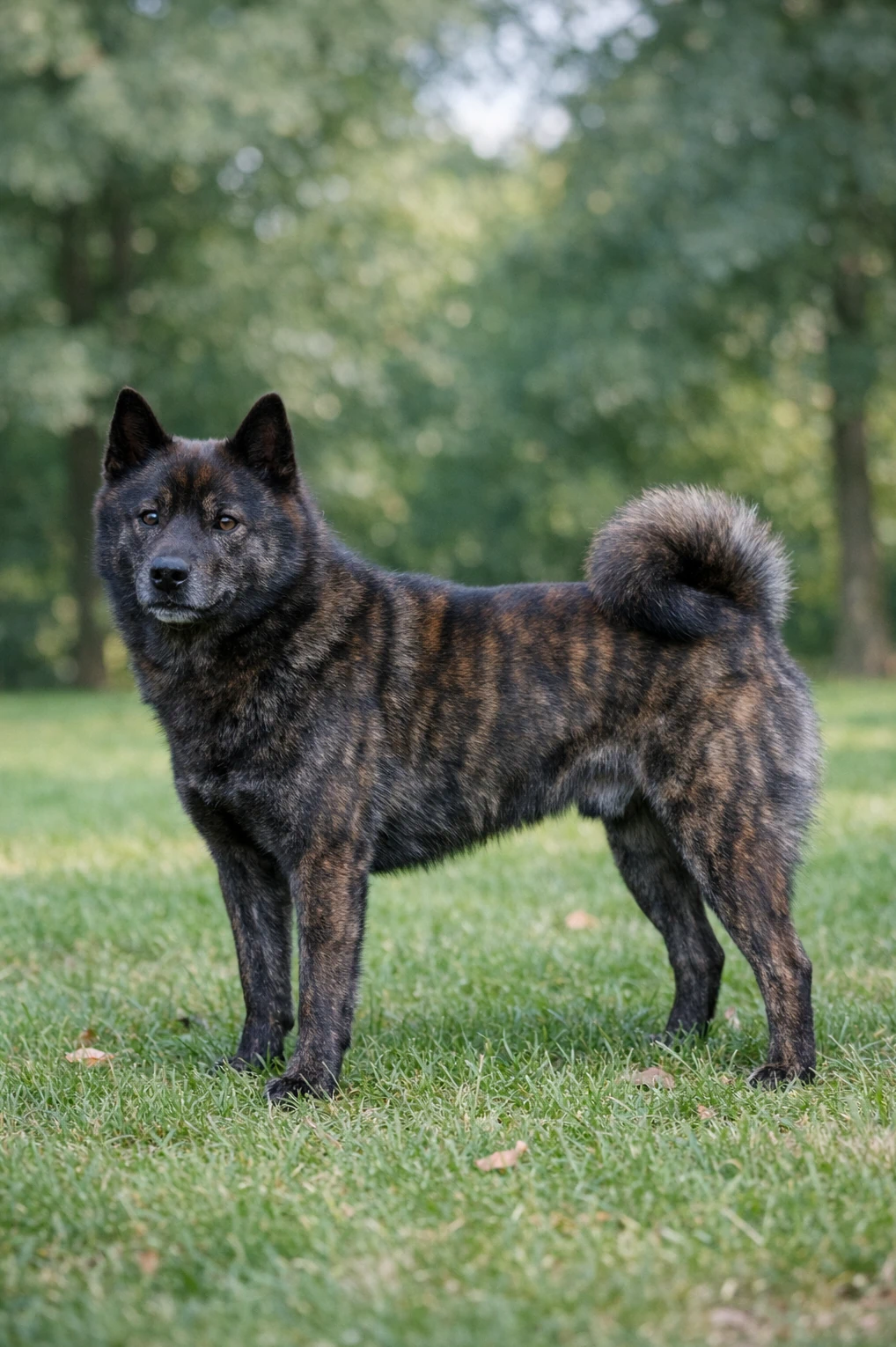
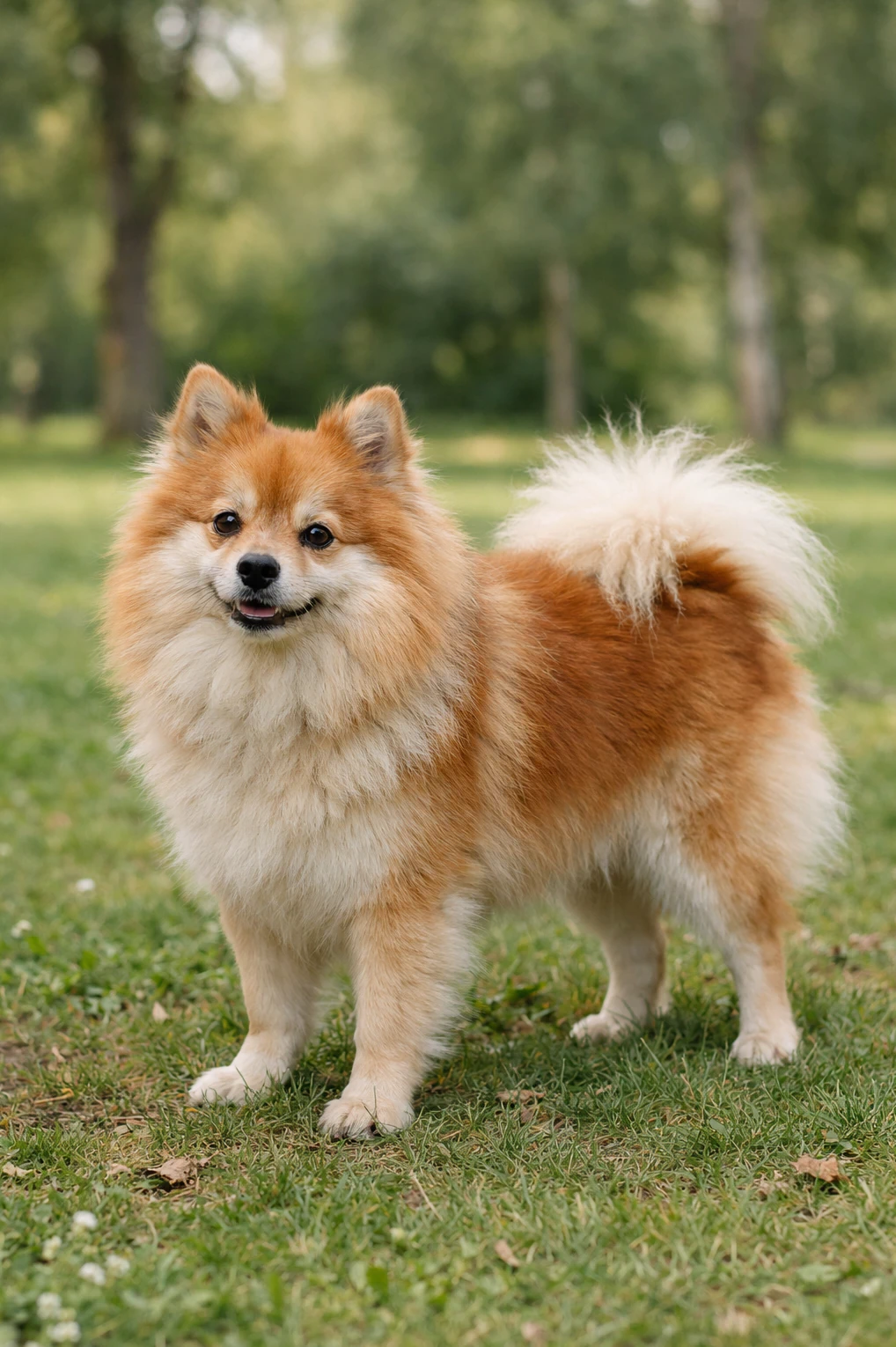
Compact German Spitz, 8 to 11 inches tall and about 10 to 11 lbs, is lively, faithful, and clever.
Nutritional Verdict: feed a balanced, portion-controlled diet rich in protein and healthy fats for steady energy.
Understanding the German Spitz Metabolism and Energy Needs
These small, fox-faced companion dogs were shaped to be lively watchdogs and constant companions, so they combine quick bursts of energy with sharp focus and strong bonds to their people. That history means they usually run a fast metabolism and need nutrient-dense meals to sustain short, energetic bursts and support brain engagement.
A diet leaning toward higher quality protein, about 28 to 32 percent on a dry matter basis, helps preserve lean muscle and supports cognitive function, while fats around 14 to 18 percent supply concentrated calories and nourish the dense coat. Lower-glycemic carbohydrates provide steady fuel between activity spikes, and omega fatty acids, B vitamins, and taurine help skin, brain, and heart health. Smaller kibble and crunchy textures support dental care and make eating more efficient for tiny jaws. Overall, think concentrated, balanced nutrition tuned for a spirited, affectionate little dog.
Managing German Spitz Genetic Health Risks Through Nutrition
Progressive Retinal Atrophy (PRA)
Helpful nutrients
Retinal Dysplasia (RD)
Helpful nutrients
Patella Luxation
Helpful nutrients
German Spitz Feeding & Calorie Calculator
Estimated Daily Calories
Tip: Start with this amount and adjust after 2–3 weeks based on your dog's body condition and weight trend.
This estimate provides a starting point for feeding. Individual calorie needs may vary depending on metabolism, body condition, and health status. Always monitor your dog's weight and consult your veterinarian when adjusting diet.
Foods and Ingredients to Avoid for German Spitz Dogs
German Spitz are small dogs and can gain weight quickly, so high-fat foods and fatty table scraps are best avoided.
Excess fat increases the risk of obesity and can trigger pancreatitis, which is serious and painful for a little dog.
Extra weight also puts pressure on sensitive knees, so keeping fats in check supports joint health and helps reduce the chance of patella luxation becoming a problem as your Spitz ages.
This breed has a small mouth and delicate teeth, so very large hard kibble can be difficult to chew and may discourage eating.
Whole cooked bones can splinter and cause choking, mouth injuries, or intestinal blockages, which are especially risky for small dogs.
Choose appropriately sized kibble and avoid giving cooked bones as treats, and always supervise any chew to keep mealtime safe and comfortable for your German Spitz.
Small-breed puppies like the German Spitz need diets formulated for their size and growth rate, not large-breed formulas that can contain too much calcium and calories.
Overloading growing pups with the wrong balance of minerals can contribute to skeletal problems and may affect joint alignment, increasing the risk of patella luxation.
Work with your breeder or veterinarian to pick a small-breed puppy food that supports steady, healthy growth without unnecessary extras.
Xylitol is extremely toxic to dogs, and even tiny amounts can cause rapid hypoglycemia and liver damage, which is especially dangerous in a 10 to 11 pound Spitz.
Sugar-free gums, baked goods, and some peanut butters are common hidden sources of xylitol.
Always check ingredient labels before offering human treats, and keep products containing artificial sweeteners well out of reach to protect your small companion.
Treats with lots of salt or sugar can quickly lead to overeating, weight gain, and digestive upset in small dogs like the German Spitz.
High sodium can also cause thirst and dehydration, while sugary snacks contribute to obesity and dental issues over time.
Stick to low-sodium, low-sugar training rewards made for small breeds, and remember that portion size matters more for a little dog than for a larger one.
Some German Spitz can be sensitive to additives, and artificial preservatives or colors may trigger skin issues, digestive upset, or itchiness in susceptible individuals.
Choosing foods with natural preservatives and minimal artificial dyes helps reduce the chance of irritation and supports a healthy coat.
If your Spitz shows any signs of food sensitivity, talk to your vet about an elimination trial or a limited-ingredient diet to find a gentle, nourishing option.
How Nutritional Needs Change Throughout the German Spitz Life Stages
German Spitz dogs have different nutritional needs during puppyhood, adulthood, and senior years. Their small, active nature and smart, devoted temperament mean diet must support steady growth, daily energy and long term health. Breed growth rate, activity level and common tendencies such as Progressive Retinal Atrophy, Retinal Dysplasia and patella luxation influence how many calories and which nutrients are most important at each life stage.
| Life Stage | Age Range | Primary Objective | Key Nutrient Focus |
|---|---|---|---|
| Puppy | 0–10 months | controlled skeletal development, immune support, brain development | DHA, balanced calcium/phosphorus, high-quality protein |
| Adult | 10 months–8 years | lean muscle maintenance and sustained energy | high-quality protein, omega-3 fatty acids, fiber |
| Senior | 8+ years | joint mobility, metabolic health, and cognitive support | glucosamine, chondroitin, antioxidants, lower calories |
German Spitz puppies grow relatively quickly compared with large breeds, reaching adult size earlier, so their feeding plan must support rapid tissue and bone development without overloading the skeleton. Small size and high activity mean calorie dense meals in controlled portions, and frequent feeding helps steady blood sugar and avoid dips between meals. Work with a breeder or vet to watch weight gain and joint alignment, since patella luxation can appear in some lines.
Choose a high quality puppy formula designed for small breeds with concentrated protein and moderate fat, and ensure calcium and phosphorus are balanced to support healthy skeletal growth. Include DHA for brain and eye development and antioxidants to support retinal health given the breed's predisposition to PRA and retinal dysplasia. Avoid excess calories that encourage too-rapid growth, keep puppies lean and active, and schedule regular checkups for hips, knees and eyes.
As adults, German Spitz dogs need nutrition that maintains lean muscle and fuels their lively activity without adding extra weight. Prioritize high quality protein and moderate fat levels from digestible sources, with adequate amino acids to preserve muscle mass and support daily bursts of play. Feeding an adult formula for small breeds helps provide the energy density they need in smaller portions.
Lifestyle factors such as regular walks, play sessions and mental stimulation influence calorie needs, so adjust portions to activity and body condition. Include omega-3 fatty acids to support skin and joint health and antioxidants for long-term eye support given the breed's retinal concerns. Keep an eye on weight and dental health, since small dogs often benefit from portion control and tooth-friendly kibble.
As German Spitz dogs enter their senior years, metabolism and activity often decrease while joint stiffness or patella luxation can limit movement. Maintain good muscle mass with high quality, easily digestible protein while modestly reducing calories if your dog becomes less active, to prevent weight gain that stresses joints. Provide softer or moistened food if dental wear affects chewing.
Support joints with veterinary-approved levels of omega-3s, glucosamine and chondroitin, and include antioxidants such as vitamin E and plant polyphenols to help cellular and retinal health given the breed's predispositions. Increased soluble fiber can aid digestion and stool quality, and frequent weight and eye checks help catch problems early so you can adjust diet and activity with your vet.
Kibble vs Fresh vs Raw for German Spitz
Different feeding models suit different lifestyles and pup needs. For a small, active, and smart German Spitz, some options will fit better than others.
Pros
- Convenient and easy to portion for busy owners.
- Available in small-kibble sizes suited to petite jaws.
- Formulations available for weight control and joint support.
- Consistent nutrition simplifies feeding for smart, active dogs.
Cons
- Lower moisture content may not suit all dogs.
- Some brands include fillers or artificial additives.
- Calorie-dense formulas can lead to weight gain without portion control.
- Not all kibbles clean teeth effectively in small mouths.
Pros
- Highly palatable, good for picky or high-energy German Spitz.
- High moisture supports digestion and hydration.
- Easier to customize for joint or eye-support nutrients.
- Useful for controlling calorie density for a small active dog.
Cons
- Requires careful planning to ensure complete nutrition.
- More time consuming and often more expensive than kibble.
- Needs refrigeration and safe storage between meals.
- Supplement mistakes can lead to long-term nutrient gaps.
Pros
- High protein and fat can fuel an active Spitz.
- Many owners report shinier coats and strong energy.
- Minimal processing preserves natural nutrients.
- Flexible for tailoring to size and activity needs.
Cons
- Higher bacterial risk requires strict hygiene and handling.
- Small bones can pose choking or dental hazards.
- Harder to balance vitamins and minerals without guidance.
- May be risky for households with children or immunocompromised members.
- Can be expensive and time intensive to prepare safely.
| Diet Type | Pros for German Spitz | Potential Downsides |
|---|---|---|
| High-Quality Kibble |
|
|
| Fresh Cooked Food |
|
|
| Raw Diet (BARF) |
|
|
Our Recommendation
For many German Spitz, high-quality kibble or carefully prepared fresh food suit their small, active lifestyle best.
Kibble offers convenience and consistent nutrition, while fresh food helps picky eaters and improves hydration.
If you consider a raw diet, consult your veterinarian and follow strict hygiene and balancing guidance.
See Also
Breeds with similar group, size, and coat characteristics