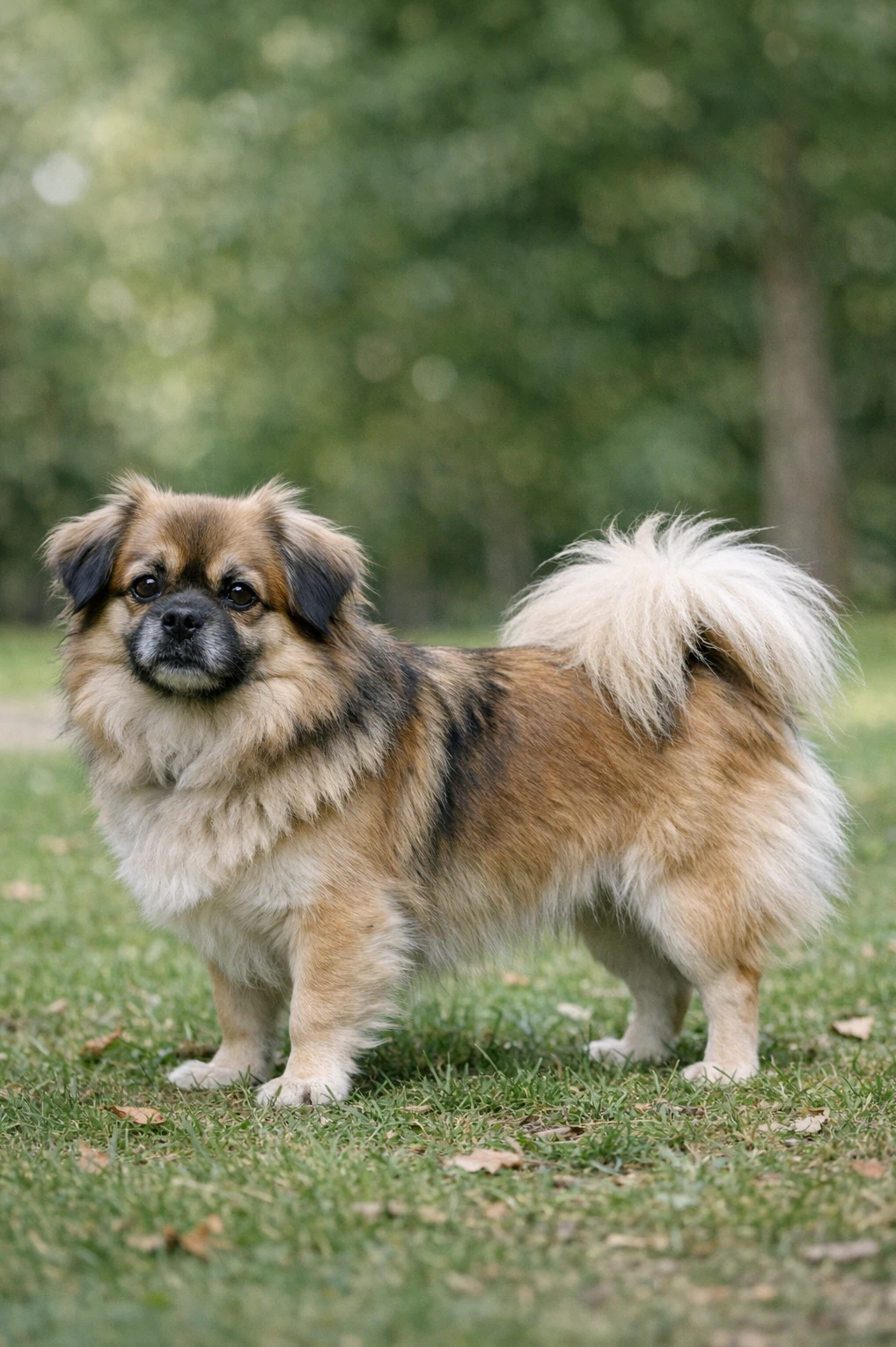
Best Dog Food for Coton de Tulear in 2026Based on Nutritional Science
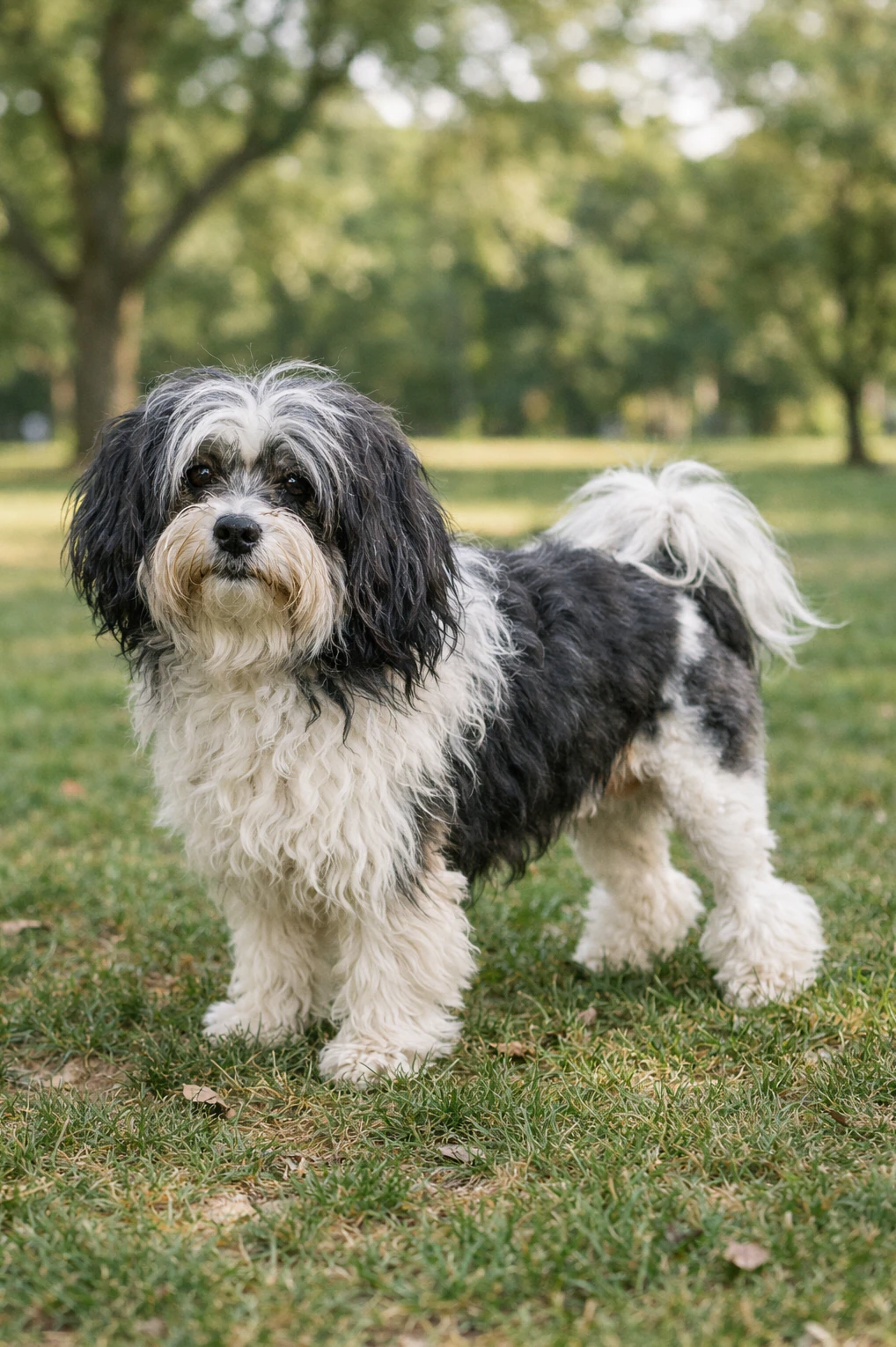
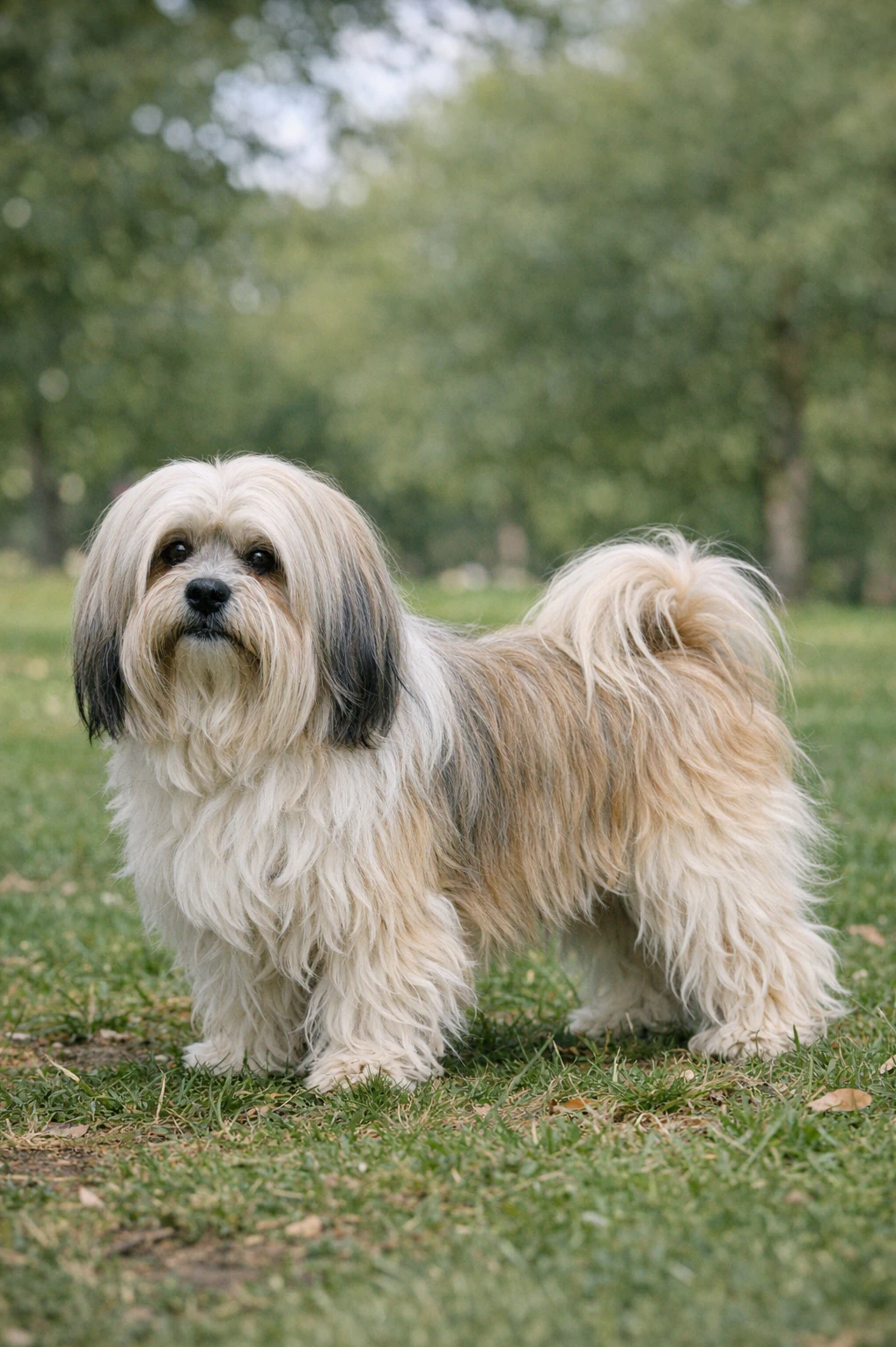
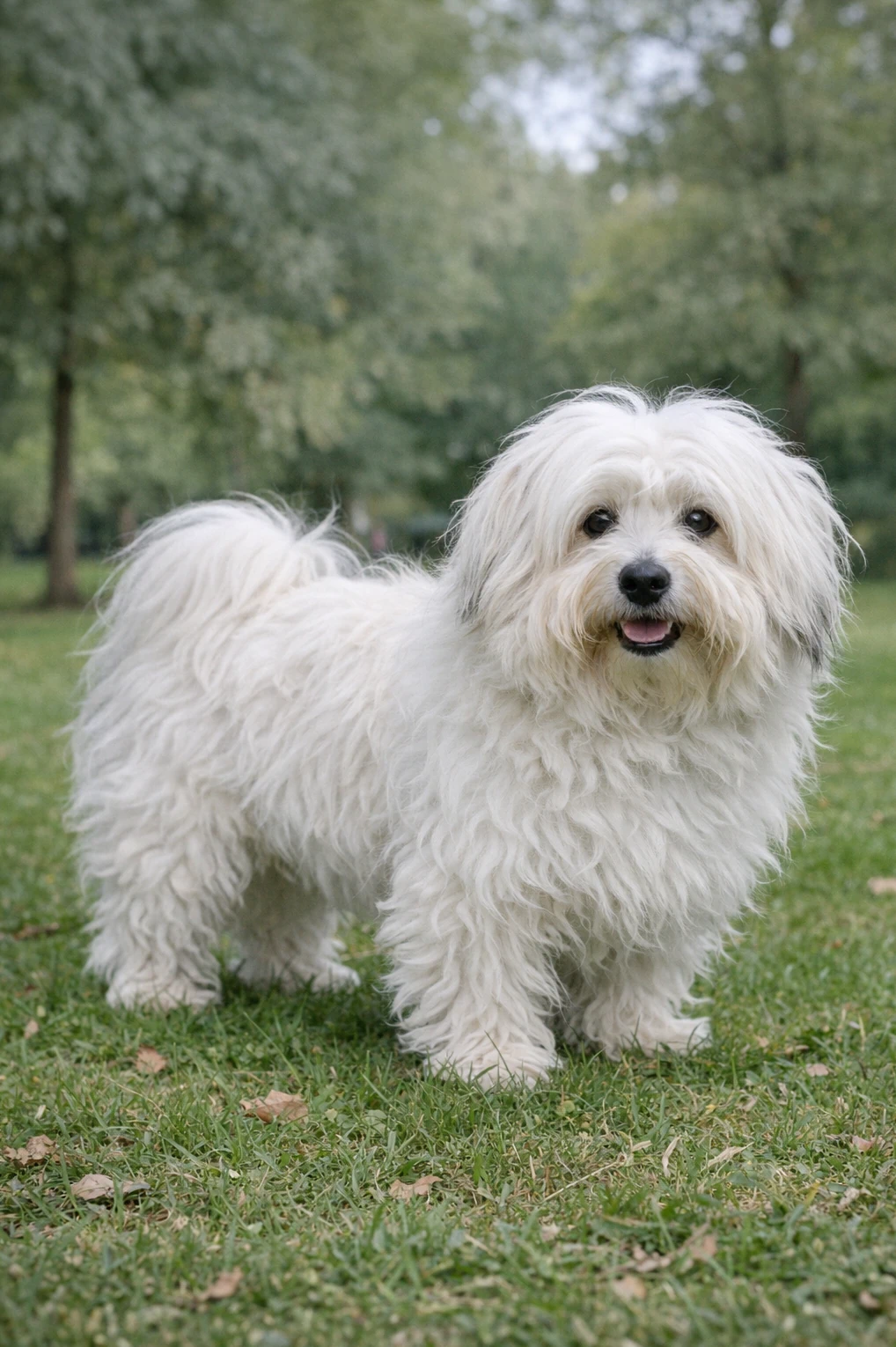
Small and fluffy, about 10 to 11 inches tall and 9 to 15 pounds, the Coton is delightful, clever, and carefree.
Nutritional verdict: a balanced, portion-controlled diet with quality protein.
Understanding the Coton de Tulear Metabolism and Energy Needs
As a small companion originally kept aboard ships and in homes to delight company, this cottony-coated little dog pairs gentle energy with quick intelligence. That combination calls for nutrient-dense meals that support playful bursts, calm digestion, and a lush, skin-friendly coat.
Aim for higher quality protein, about 25 percent, to preserve lean muscle and support mental sharpness. Moderate fat, near 15 percent and rich in omega-3 and omega-6, helps keep skin calm and the coat silky while packing energy into small meals. Modest, digestible carbohydrates plus fiber provide steady fuel and gut balance, and supplements like fish oil and a probiotic can aid coat health and digestion.
Managing Coton de Tulear Genetic Health Risks Through Nutrition
Eye Problems
Helpful nutrients
Hip Dysplasia
Helpful nutrients
Luxating Patella
Helpful nutrients
Spinal Disc Disease
Helpful nutrients
Obesity / Overweight
Helpful nutrients
Coton de Tulear Feeding & Calorie Calculator
Estimated Daily Calories
Tip: Start with this amount and adjust after 2–3 weeks based on your dog's body condition and weight trend.
This estimate provides a starting point for feeding. Individual calorie needs may vary depending on metabolism, body condition, and health status. Always monitor your dog's weight and consult your veterinarian when adjusting diet.
Foods and Ingredients to Avoid for Coton de Tulear Dogs
Coton de Tulears are small dogs that can gain weight quickly, so fatty foods and rich table scraps are best avoided.
High-fat meals raise the risk of obesity and can trigger pancreatitis, which is particularly dangerous for a little dog with limited body reserves.
Keeping calories from fat in check helps protect joints and the spine, lowering the chance that excess weight will worsen hip or patella issues.
Choose lean protein and measured portions instead of fatty human foods.
Cooked bones splinter easily and can cause choking, broken teeth, or serious internal injuries in a small breed like the Coton de Tulear.
Small hard chews or brittle bones present an added risk of obstruction, which is more dangerous for tiny dogs with narrower airways and stomachs.
Stick to veterinarian-recommended, size-appropriate chews that soften with chewing or are designed to digest safely.
If you want a long-lasting option, ask your vet for safe alternatives that reduce dental wear without putting their throat at risk.
Xylitol is commonly found in sugar-free gum, some nut butters, toothpaste, and low-sugar baked goods, and it is highly toxic to dogs.
Even small amounts can cause a sudden drop in blood sugar and liver damage, and a Coton de Tulear's small weight makes them especially vulnerable to severe effects.
Always read ingredient labels and avoid anything containing xylitol. If your dog accidentally ingests a product with xylitol, get veterinary help immediately, as fast treatment greatly improves outcomes.
Grapes and raisins are known to cause kidney failure in some dogs, and there is no reliably safe threshold, so they should be avoided entirely.
Stone fruits like cherries, peaches, and plums carry pits that can cause choking or intestinal blockage, and some pits contain cyanide compounds.
For safe snacks, offer small amounts of dog-safe fruits such as apple slices without seeds or a few blueberries, always accounting for those calories in your Coton's daily intake.
Processed human foods, deli meats, and salty snacks can contain levels of sodium that are excessive for a small dog.
High salt intake can lead to dehydration, electrolyte imbalance, and in severe cases sodium toxicity, and it can also exacerbate underlying kidney or heart concerns.
Avoid giving your Coton table scraps that are heavily salted or smoked, and choose plain, unseasoned lean proteins if you want to share a bite.
Always keep fresh water available to help manage any accidental salt exposure.
Because Cotons are prone to carrying extra pounds, large treats and calorie-dense human foods can push them into unhealthy weight gain.
Excess weight increases strain on hips, the spine, and knees, raising the risk of hip dysplasia, luxating patellas, and spinal disc problems later on.
Use small training treats, break treats into tiny pieces, and account for treat calories in daily feeding.
Low-calorie options like pieces of carrot or a small bit of lean cooked chicken can keep training rewards both tasty and safe.
How Nutritional Needs Change Throughout the Coton de Tulear Life Stages
Dogs need different nutrition at puppyhood, adulthood, and their senior years, because growth, activity, and health risks change as they age. For a Coton de Tulear, a small, bright, and happy-go-lucky companion, these shifts are guided by a faster small-breed growth rate, lively activity levels, and a few breed tendencies such as occasional hip or eye issues. Feeding choices should match those changing needs and be revisited as your dog moves from stage to stage.
| Life Stage | Age Range | Primary Objective | Key Nutrient Focus |
|---|---|---|---|
| Puppy | 0–10 months | controlled skeletal development, immune support, brain development | DHA, balanced calcium/phosphorus, high-quality protein |
| Adult | 10 months–8 years | lean muscle maintenance and sustained energy | high-quality protein, omega-3 fatty acids, fiber |
| Senior | 8+ years | joint mobility, metabolic health, and cognitive support | glucosamine, chondroitin, antioxidants, lower calories |
Coton de Tulear puppies grow relatively quickly compared with larger breeds, reaching maturity earlier, so nutrition needs focus on steady, balanced growth rather than pushed rapid gains. Support skeletal development with an appropriate calcium to phosphorus ratio, plenty of high quality protein for lean tissue, and controlled calories to avoid excess weight that can stress growing joints, given the small breed risk of luxating patella and occasional hip concerns.
Feed small breed puppies more often, typically three to four small meals a day, using a formula designed for small-breed growth. Include DHA for brain development, omega-3s for skin and coat, and antioxidants and vitamins to support immune health, while watching portions and consulting your breeder or vet about timing and amounts.
A mature Coton de Tulear thrives on a diet that maintains muscle mass and steady energy for play and daily life, with attention to portion sizes suited to a small, active dog. Aim for high quality protein to preserve lean muscle, moderate healthy fats for energy and a glossy coat, and balanced carbohydrates and fiber to support digestion and steady blood sugar, since small dogs can burn energy quickly during bursts of activity.
Lifestyle matters, so adjust calories based on how playful or relaxed your Coton is, and consider activity on grooming days or after vet-recommended rest. Small, nutrient-dense meals help keep dental health and weight in check, and regular weight checks let you tweak calories before small changes become larger problems.
As Cotons age they often slow down, with metabolism and activity decreasing while the risk of joint stiffness or spinal issues can rise, so nutrition should reflect those changes. Maintain good quality protein to preserve muscle, while gently reducing calories if activity drops, and choose easily digestible ingredients to support changing digestion and dental comfort.
Include joint-supporting nutrients such as glucosamine, chondroitin, and omega-3 fatty acids, plus antioxidants like vitamin E to support cellular health. Monitor weight and mobility closely, consider a senior formula if recommended by your vet, and offer smaller, more frequent meals or softer textures if chewing becomes difficult.
Kibble vs Fresh vs Raw for Coton de Tulear
Different feeding models suit different lifestyles and health needs. Your Coton de Tulear's small size, cheerful energy, and long double coat will help determine the best choice.
Pros
- Convenient and easy to portion for busy owners.
- Small-breed formulas suit their calorie needs and tiny mouths.
- Balanced vitamins and minerals support overall health and coat condition.
- Dry kibble helps reduce plaque buildup during chewing.
Cons
- Can be calorie-dense, risking weight gain without careful portioning.
- Lower moisture may not suit dogs prone to urinary issues.
- Some brands contain fillers or low-quality ingredients.
- Picky Cotons may refuse dry food without added toppers.
Pros
- Highly palatable, often irresistible to picky Cotons.
- Higher moisture content supports digestion and hydration.
- You control ingredients, helpful for food sensitivities or allergies.
- Can be adjusted to support healthy weight and coat sheen.
Cons
- More time consuming and often more expensive than kibble.
- Requires careful recipes or supplements to ensure complete nutrition.
- Needs refrigeration and daily meal prep for freshness.
- Inconsistent homemade balance can affect growth and long-term health.
Pros
- High-quality protein may boost energy and lean muscle maintenance.
- Some owners report shinier coats and healthier skin.
- Minimal processing preserves natural nutrients and enzymes.
Cons
- Higher bacterial contamination risk without strict hygiene measures.
- Small bones pose choking or obstruction risks for small breeds.
- Balancing calcium and nutrients is challenging without expert guidance.
- May complicate household food safety with young children or elders.
| Diet Type | Pros for Coton de Tulear | Potential Downsides |
|---|---|---|
| High-Quality Kibble |
|
|
| Fresh Cooked Food |
|
|
| Raw Diet (BARF) |
|
|
Our Recommendation
For most Coton de Tulear owners, high-quality small-breed kibble offers reliable, balanced nutrition and convenience.
Fresh cooked food is an excellent option for picky dogs or coat-focused concerns, provided recipes are balanced with professional input.
Raw diets can work but need strict hygiene and veterinary planning given their small size and bone risks.
See Also
Breeds with similar group, size, and coat characteristics