Best Dog Food for Bichon Frise in 2026Based on Nutritional Science
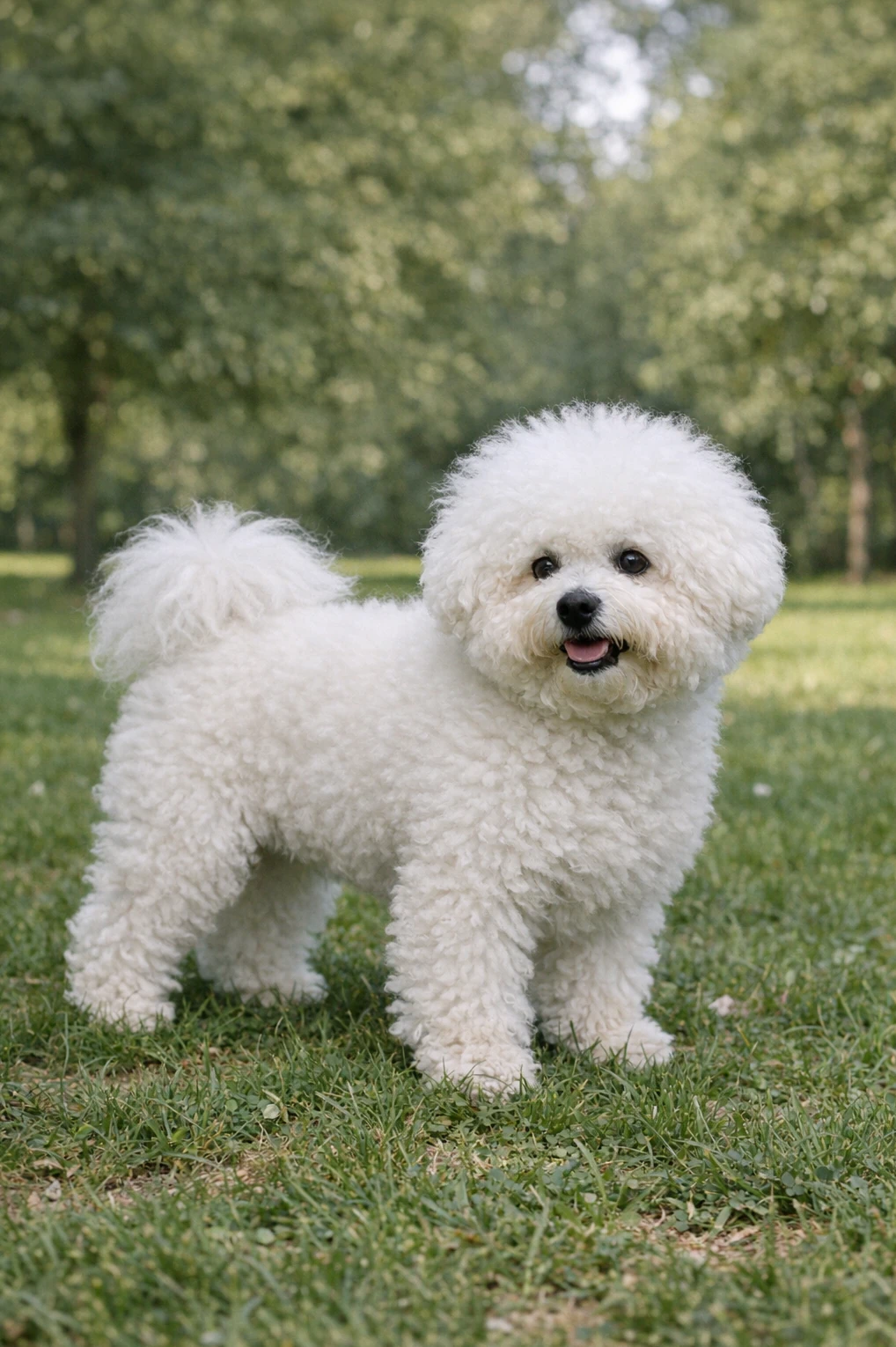
Small, lively companion standing about 9.5 to 11.5 inches and weighing 12 to 18 pounds, inquisitive, merry and spirited. Nutritional Verdict: balanced, portion-controlled diets support steady energy, healthy coat, and lean body.
Understanding the Bichon Frise Metabolism and Energy Needs
Bichon Frise have a history as little house companions from European ports, bred to be animated company. Their lively, inquisitive nature and frequent bursts of activity mean they burn energy quickly, so meals need to be nutrient-dense to keep them steady and bright.
A diet with generous, high-quality protein supports lean muscle and alertness, using chicken, turkey, or fish as primary sources. Moderate healthy fats provide concentrated calories and help maintain that fluffy, shiny coat, while marine oils deliver omega-3s for skin and immune support. Complex carbohydrates and soluble fiber offer steady energy and gentler digestion, which is important for small dogs with fast metabolisms.
Consider probiotics to support gut balance and joint-support nutrients like glucosamine if mobility concerns arise. Keep portions small and frequent, watch body condition, and work with your veterinarian to fine-tune the balance for your little companion.
Managing Bichon Frise Genetic Health Risks Through Nutrition
Allergies
Helpful nutrients
Ear Infections
Helpful nutrients
Dental Disease and Early Tooth Loss
Helpful nutrients
Luxating Patella (Knee Instability)
Helpful nutrients
Cataracts and Other Eye Diseases
Helpful nutrients
Bladder Infections (UTIs)
Helpful nutrients
Obesity and Weight Management
Helpful nutrients
Bichon Frise Feeding & Calorie Calculator
Estimated Daily Calories
Tip: Start with this amount and adjust after 2–3 weeks based on your dog's body condition and weight trend.
This estimate provides a starting point for feeding. Individual calorie needs may vary depending on metabolism, body condition, and health status. Always monitor your dog's weight and consult your veterinarian when adjusting diet.
Foods and Ingredients to Avoid for Bichon Frise Dogs
Bichon Frises are small dogs that can gain weight easily, so high-fat foods and fatty table scraps are best avoided.
Excess fat contributes to weight gain and can trigger pancreatitis, which is painful and serious for a little dog.
Stick to lean protein sources and controlled portion sizes to help protect joints and keep weight steady.
If you suspect a fatty meal was eaten, check with your vet rather than waiting.
Treats are great for training and bonding, but too many can quickly push a Bichon into overweight territory.
Carrying extra pounds increases the risk of luxating patella and adds strain to the spine, which is especially important for this small breed.
Choose low-calorie training treats, cut portions small, and factor treat calories into daily intake. Use healthy non-food rewards like play or gentle praise when possible.
Xylitol is extremely toxic to dogs and can cause a rapid drop in blood sugar, seizures, liver failure, and even death.
It appears in many sugar-free gums, some peanut butters, baked goods, and dental products, so labels must be checked carefully.
Even small amounts are dangerous for a small dog like a Bichon, so keep any product containing xylitol well out of reach and tell guests not to offer sugar-free snacks.
Onions, garlic, leeks and chives can damage red blood cells and cause anemia in dogs, sometimes after only small exposures.
Powdered forms in seasonings and some prepared foods can be easy to miss, making accidental ingestion more likely.
Avoid feeding any allium-containing foods and be cautious with leftovers. If your Bichon shows weakness, pale gums, or lethargy after exposure, contact your veterinarian right away.
Cooked bones can splinter and cause choking, mouth injuries, or intestinal blockages, which are dangerous for any dog and particularly risky for a small breed with delicate teeth.
Very hard chews can also fracture teeth, and Bichons can develop early dental problems if care is not taken.
Offer vet-approved dental chews and softer, supervised chew options sized appropriately for a small mouth. Discard any chews that splinter or get very small.
Many Bichons are prone to skin sensitivities and food-related allergies, so artificial preservatives, colors and some common grain or protein sources can trigger itchy skin or GI upset.
Ingredients like BHA, BHT, and some dyes are worth avoiding if your dog shows any signs of sensitivity.
Work with your veterinarian to identify possible allergens and try limited ingredient or novel protein diets when testing for reactions.
Choosing natural preservatives and simple ingredient lists often helps keep coats shiny and bellies calm.
How Nutritional Needs Change Throughout the Bichon Frise Life Stages
Bichon Frise have changing nutritional needs as they move from playful puppies to steady adults and then into their senior years. Growth rate, activity level, and breed-specific health tendencies influence what and how much they should eat. Small size, a peppy nature, and common concerns like dental issues, luxating patella, and allergies mean owners should tailor nutrition at each life stage for optimal health.
| Life Stage | Age Range | Primary Objective | Key Nutrient Focus |
|---|---|---|---|
| Puppy | 0–10 months | controlled skeletal development, immune support, brain development | DHA, balanced calcium/phosphorus, high-quality protein |
| Adult | 10 months–8 years | lean muscle maintenance and sustained energy | high-quality protein, omega-3 fatty acids, fiber |
| Senior | 8+ years | joint mobility, metabolic health, and cognitive support | glucosamine, chondroitin, antioxidants, lower calories |
Bichon puppies grow quickly and reach near adult size well before larger breeds, so their skeletal development needs careful balance. They benefit from a diet formulated for small-breed puppies that supports steady growth without excessive calories, which can stress developing joints like the patella. Frequent, smaller meals help maintain steady blood sugar and energy, since these little dogs have fast metabolisms and playful bursts.
Focus on high-quality protein for muscle and tissue development, controlled levels of calcium and phosphorus for bone health, and adequate fat for energy and coat development. Include DHA for brain and eye development and omega-3s to support skin and coat, which helps the curly double coat stay healthy. Because Bichons can be prone to dental issues and allergies, choose appropriately sized kibble that encourages chewing, and monitor for food sensitivities.
Adult Bichon Frise need a diet that sustains their lively, peppy nature while preventing excess weight gain. Moderate to high quality protein helps maintain lean muscle mass, while controlled fat levels provide the energy required for daily play and walks. Because they are small, calorie density matters, so feeding amounts should be measured and adjusted to activity level to avoid obesity which can worsen joint issues like luxating patella.
Healthy fats and omega-3 fatty acids support the soft, curly coat and skin, and antioxidants help eye health given breed predispositions. Dental care remains important, so consider kibble texture, dental-friendly treats, or periodic wet food to reduce tartar buildup. For dogs with allergies or bladder sensitivity, a limited ingredient or tailored diet can help reduce flare ups and maintain urinary health.
As Bichons enter their senior years they often experience a slower metabolism and may be less active, so calorie needs typically decrease. Aging can bring changes in digestion, dental health, and joint mobility, particularly if patella issues or early tooth loss are present. Monitor weight and body condition closely, and shift to more digestible proteins and fibers that support gut health while keeping meals satisfying.
Joint support with glucosamine, chondroitin, and omega-3 fatty acids can help maintain mobility and comfort. Antioxidants like vitamins E and C, plus carotenoids, support eye health and help counter age-related cellular stress. Consider softer or moistened food for dental comfort, reduce calories if activity drops, and keep hydration and regular dental care a priority to reduce infection risks.
Kibble vs Fresh vs Raw for Bichon Frise
When it comes to feeding your curious, peppy Bichon Frise, different feeding models suit different lifestyles.
Think about activity level, dental health, and food sensitivities when choosing the best approach.
Pros
- Convenient and easy to portion for busy owners.
- Firm texture can help reduce tartar buildup.
- Consistently balanced formulas supply essential nutrients.
- Shelf-stable and travel friendly for small dogs.
Cons
- Lower moisture may not support bladder health.
- Some formulas contain fillers that trigger allergies.
- Calorie-dense options can lead to weight gain.
- Not a substitute for regular dental brushing and care.
Pros
- High moisture supports hydration and bladder health.
- Easy to tailor for sensitivities or allergies.
- Often more appealing to picky, playful eaters.
- Can be gentler on sensitive stomachs.
Cons
- Requires careful planning to ensure complete nutrition.
- More time consuming and often costlier than kibble.
- Needs refrigeration and safe storage between meals.
Pros
- High protein and minimal processing can boost energy.
- Many owners report improved coat condition.
- Very palatable for picky small-breed eaters.
Cons
- Higher risk of bacterial contamination without strict hygiene.
- Small bones pose choking or dental hazards for Bichons.
- Difficult to balance nutrients without veterinary input.
- Can be expensive and messy for daily feeding.
| Diet Type | Pros for Bichon Frise | Potential Downsides |
|---|---|---|
| High-Quality Kibble |
|
|
| Fresh Cooked Food |
|
|
| Raw Diet (BARF) |
|
|
Our Recommendation
For most Bichons, high-quality kibble offers a convenient, balanced foundation when paired with regular dental care.
Fresh cooked meals suit sensitive or picky Bichons well, while raw diets require extra caution and veterinary guidance.
See Also
Breeds with similar group, size, and coat characteristics