Best Dog Food for American Eskimo Dog in 2026Based on Nutritional Science
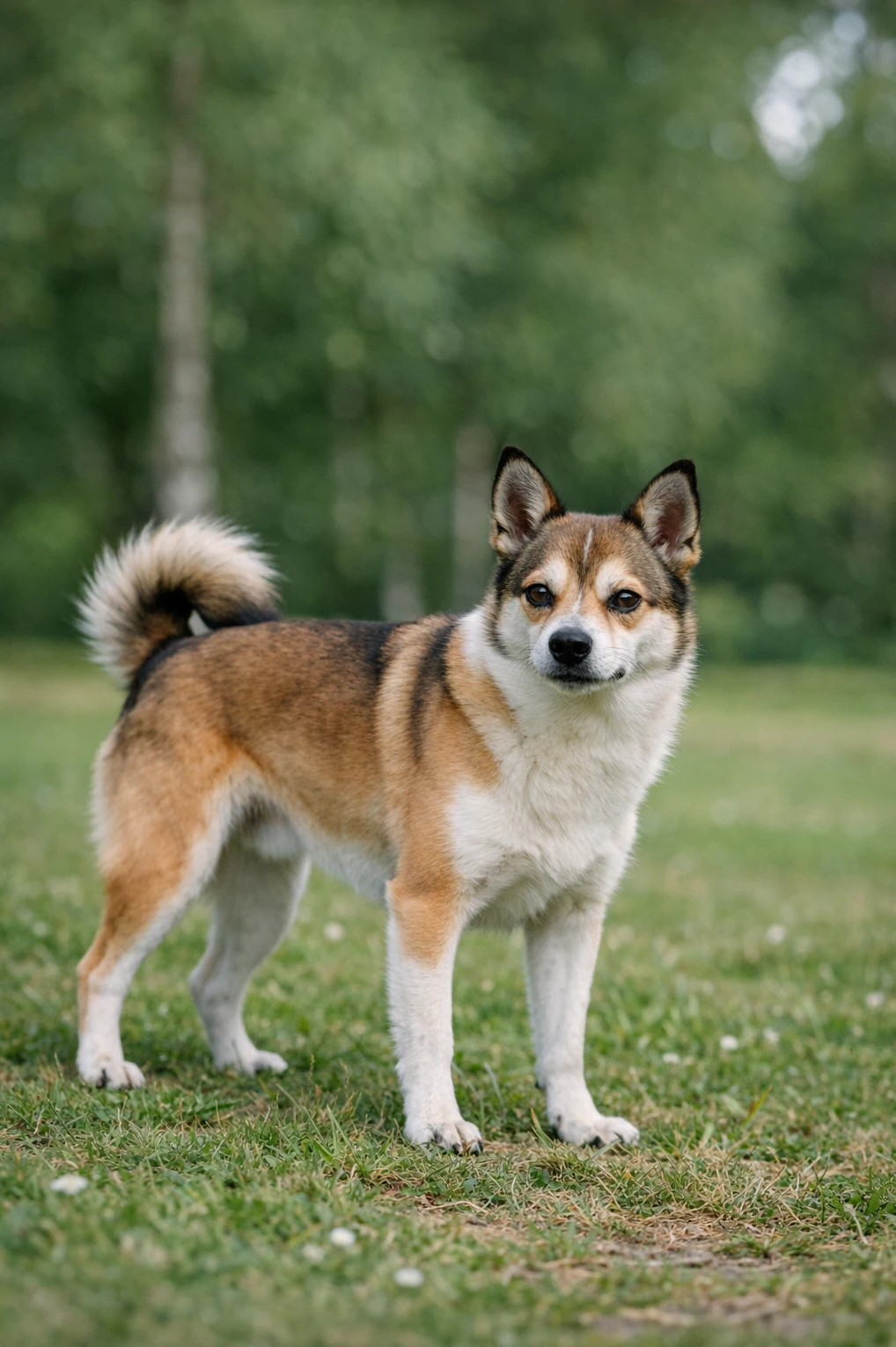
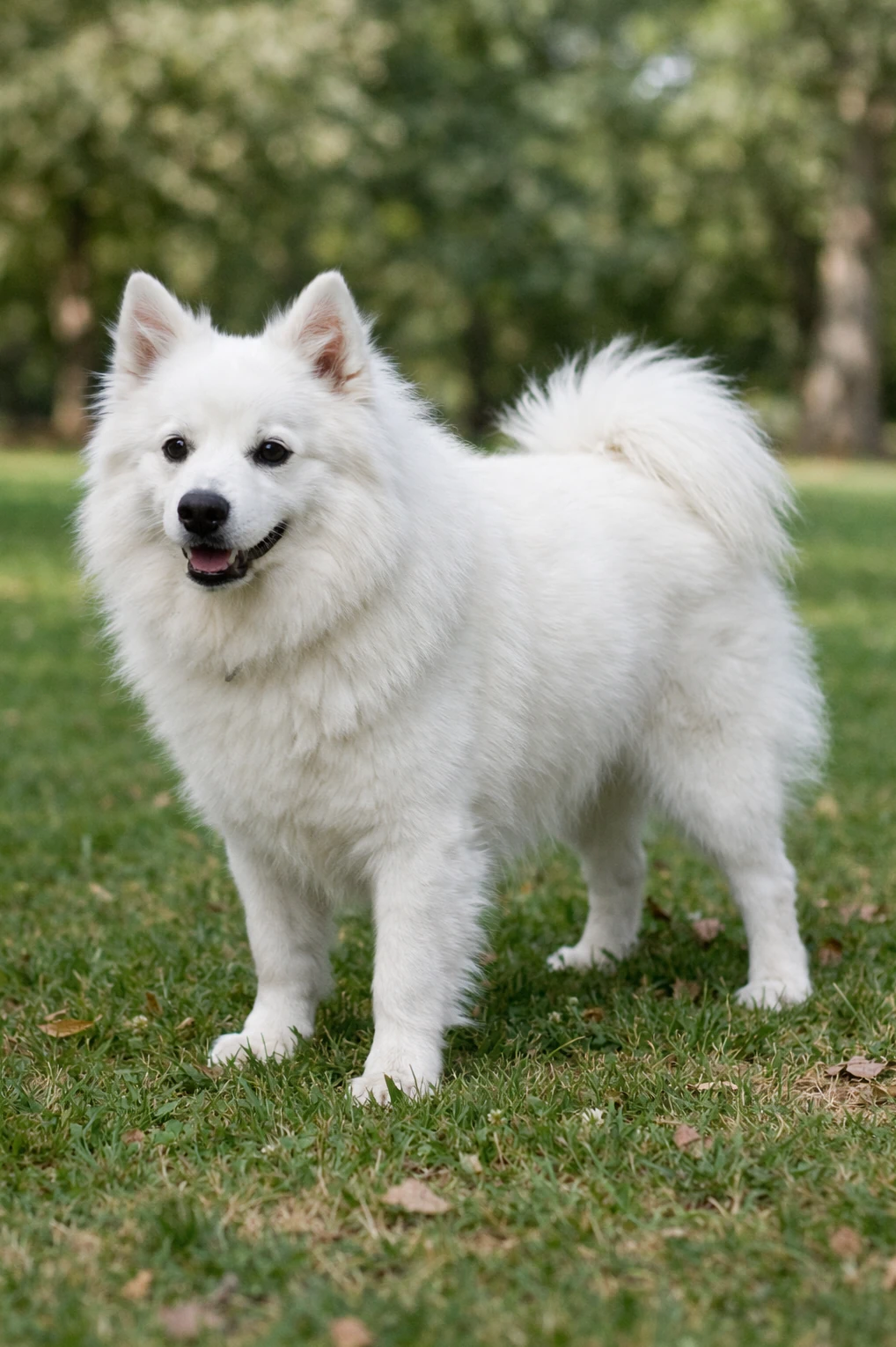
Toy American Eskimo Dog, about 9 to 12 inches and 6 to 10 pounds, is devoted, clever and adaptable. Nutritional verdict: feed balanced, protein-rich meals in controlled portions to support energy and a healthy coat.
Understanding the American Eskimo Dog Metabolism and Energy Needs
As a compact, energetic companion originally valued for performing and guarding, these dogs blend devotion, quick thinking, and adaptability. That history means they do best with food that supports both short bursts of activity and steady mental sharpness.
A protein-forward plan helps preserve lean muscle and supports brain health, so quality animal proteins like chicken, turkey, or fish should be prominent. Moderate fat supplies concentrated energy and keeps a thick double coat glossy, with omega fatty acids from fish oil or flaxseed especially helpful. Controlled complex carbs such as sweet potato offer steady fuel and gentle fiber for digestion.
Joint-support nutrients like glucosamine suit nimble frames, while antioxidants and B vitamins aid recovery and cognitive resilience. Adjusting portions to activity, keeping protein relatively high, and balancing fats meets their lively, attentive nature.
Managing American Eskimo Dog Genetic Health Risks Through Nutrition
Hip Dysplasia
Helpful nutrients
Progressive Retinal Atrophy (PRA)
Helpful nutrients
Ear Infections from Wax and Debris
Helpful nutrients
Dental Disease
Helpful nutrients
Obesity and Weight Gain
Helpful nutrients
American Eskimo Dog Feeding & Calorie Calculator
Estimated Daily Calories
Tip: Start with this amount and adjust after 2–3 weeks based on your dog's body condition and weight trend.
This estimate provides a starting point for feeding. Individual calorie needs may vary depending on metabolism, body condition, and health status. Always monitor your dog's weight and consult your veterinarian when adjusting diet.
Foods and Ingredients to Avoid for American Eskimo Dog Dogs
Because American Eskimo Dogs are small and some are prone to gaining weight, high-fat foods and fatty table scraps can quickly lead to unwanted pounds and stress on their tiny joints.
Too much fat also raises the risk of pancreatitis, which can be serious and painful for a toy dog.
Keep portions controlled and choose lean protein sources and low-fat treats. If you suspect a sensitivity or notice tummy upset, check with your veterinarian before changing the diet.
Calorie-dense human snacks are easy to overfeed and can cause rapid weight gain in a 6 to 10 pound dog, even if it seems like just a small bite.
Many snacks are high in salt, spices, and additives that can irritate their digestive system and contribute to long term health issues.
Use tiny, healthy training treats and reserve table scraps for rare special occasions. Teaching polite rejection of offered food helps protect your Eskie from extra calories.
Some common human foods are outright dangerous for dogs, and a small American Eskimo can be affected by a tiny amount.
Xylitol can cause sudden, life threatening low blood sugar and liver problems, chocolate can trigger vomiting, tremors and seizures, grapes and raisins can cause kidney failure, and onions or garlic can damage red blood cells.
If ingestion is suspected, contact your veterinarian or an emergency clinic right away because rapid treatment can make a big difference.
Toy Eskies have small jaws and sometimes delicate teeth, so very hard chews or large bones can fracture teeth or become choking hazards.
Cooked bones are especially risky because they can splinter and cause mouth, throat, or intestinal injuries.
Choose appropriately sized, softer dental chews and supervise chewing sessions.
If you prefer natural chews, ask your vet for safe options that fit a small breed's mouth and chewing style.
This breed can be prone to skin sensitivities and digestive upset, so foods with artificial preservatives, colors, or flavors may trigger itching, ear issues, or loose stools.
Ingredients like BHA, BHT, and certain dyes are unnecessary filler for most dogs and can make it harder to identify the cause of skin problems.
Opt for higher quality diets with natural preservatives and simple ingredient lists, especially if your Eskie shows signs of skin or stomach sensitivity.
Some grain-free diets rely heavily on peas, lentils, and other legumes as protein and carbohydrate sources.
Emerging research has linked certain legume-rich formulas to heart concerns in some dogs, so it is wise to be cautious, particularly with long term feeding of one formula.
If you choose a grain-free option, do so under the guidance of your veterinarian and ensure the diet provides balanced taurine and nutrients appropriate for a small, active breed.
How Nutritional Needs Change Throughout the American Eskimo Dog Life Stages
Dogs need different nutrition at each life stage, so feeding a puppy is not the same as feeding an adult or a senior. Puppyhood, adulthood, and senior years bring changing needs influenced by a dog’s breed growth rate, activity level, and common health tendencies, and tailoring food helps support bones, brain, and long-term health.
| Life Stage | Age Range | Primary Objective | Key Nutrient Focus |
|---|---|---|---|
| Puppy | 0–10 months | controlled skeletal development, immune support, brain development | DHA, balanced calcium/phosphorus, high-quality protein |
| Adult | 10 months–8 years | lean muscle maintenance and sustained energy | high-quality protein, omega-3 fatty acids, fiber |
| Senior | 8+ years | joint mobility, metabolic health, and cognitive support | glucosamine, chondroitin, antioxidants, lower calories |
American Eskimo puppies, especially the toy size, grow quickly and reach adult size often by nine to twelve months, so their food must support fast early development without pushing overly rapid weight gain. These smart, active little dogs use energy in bursts, so nutrient-dense puppy formulas with balanced calories help steady growth and protect developing joints.
Skeletal development needs a careful balance of calcium and phosphorus along with plenty of high-quality protein and DHA for brain and eye development. Feed small puppies three to four times daily, shifting to two or three meals by six to nine months, and choose foods with omega-3s and antioxidants to support coat health and common concerns such as hip issues and retinal health.
Adult American Eskimos are lively and clever, so their diet should maintain lean muscle while providing steady energy for play and training. Aim for a food with reliable, moderate to high quality protein and controlled fat, and choose calorie density that matches a small dog’s faster metabolism to prevent overeating.
Two meals a day typically works well, combined with regular mental and physical activity to keep weight in check and behaviors engaged. Include omega fatty acids for skin and coat, consider dental-friendly textures to support oral health, and monitor weight and body condition regularly to tweak portions for an individual dog’s lifestyle.
As American Eskimos age, metabolism often slows and mobility can become a concern, particularly for dogs with predispositions like hip dysplasia. Senior formulas that slightly reduce calories while keeping protein high help preserve muscle without promoting weight gain, and higher fiber can support digestion if things slow down.
Support joints with glucosamine, chondroitin, and omega-3 fatty acids, and include antioxidants to support eye health given the risk of retinal issues. If dental wear or appetite changes occur, soften kibble or offer smaller, more frequent meals and work with your veterinarian to adjust calories and supplements for comfort and mobility.
Kibble vs Fresh vs Raw for American Eskimo Dog
Different feeding models suit different lifestyles and energy needs. American Eskimo Dogs are small, smart, and active, so their diet should support energy, dental care, and coat health.
Pros
- Convenient and easy to portion for busy owners.
- Small-breed formulas match size and calorie needs.
- Helps reduce tartar when chewed regularly.
- Balanced nutrition reduces need for extra supplementation.
Cons
- Some brands use fillers that offer little nutritional benefit.
- Lower moisture can be suboptimal for dogs that drink little.
- Picky Eskies may refuse lower-quality kibble.
- Portion control is essential to prevent weight gain.
Pros
- Highly palatable, often tempting for picky eaters.
- Easy to tailor meals for weight management and allergies.
- High moisture content supports digestion and urinary tract health.
- You control ingredient quality and can prioritize coat-supporting nutrients.
Cons
- Requires careful planning to ensure complete, balanced nutrition.
- Time consuming and needs consistent meal prep.
- Higher ongoing cost than standard kibble.
- Requires refrigeration and safe storage between meals.
Pros
- Mimics ancestral diet with whole proteins and raw bones.
- May improve coat condition and energy in some dogs.
- Appeals to owners wanting minimal processing.
- Can be portioned to support lean body condition.
Cons
- Higher risk of bacterial contamination without strict hygiene.
- Small bones can pose choking or dental hazards for toy Eskies.
- Hard to achieve nutritional balance without expert guidance.
- Storage and prep require freezer space and careful planning.
| Diet Type | Pros for American Eskimo Dog | Potential Downsides |
|---|---|---|
| High-Quality Kibble |
|
|
| Fresh Cooked Food |
|
|
| Raw Diet (BARF) |
|
|
Our Recommendation
For most American Eskimo Dogs, a high-quality kibble formulated for small, active breeds offers the best mix of convenience and consistent nutrition.
Fresh cooked or carefully managed raw diets can be excellent for picky or performance dogs, but they require veterinary input, planning, and extra time.
See Also
Breeds with similar group, size, and coat characteristics