Best Dog Food for Schipperke in 2026Based on Nutritional Science
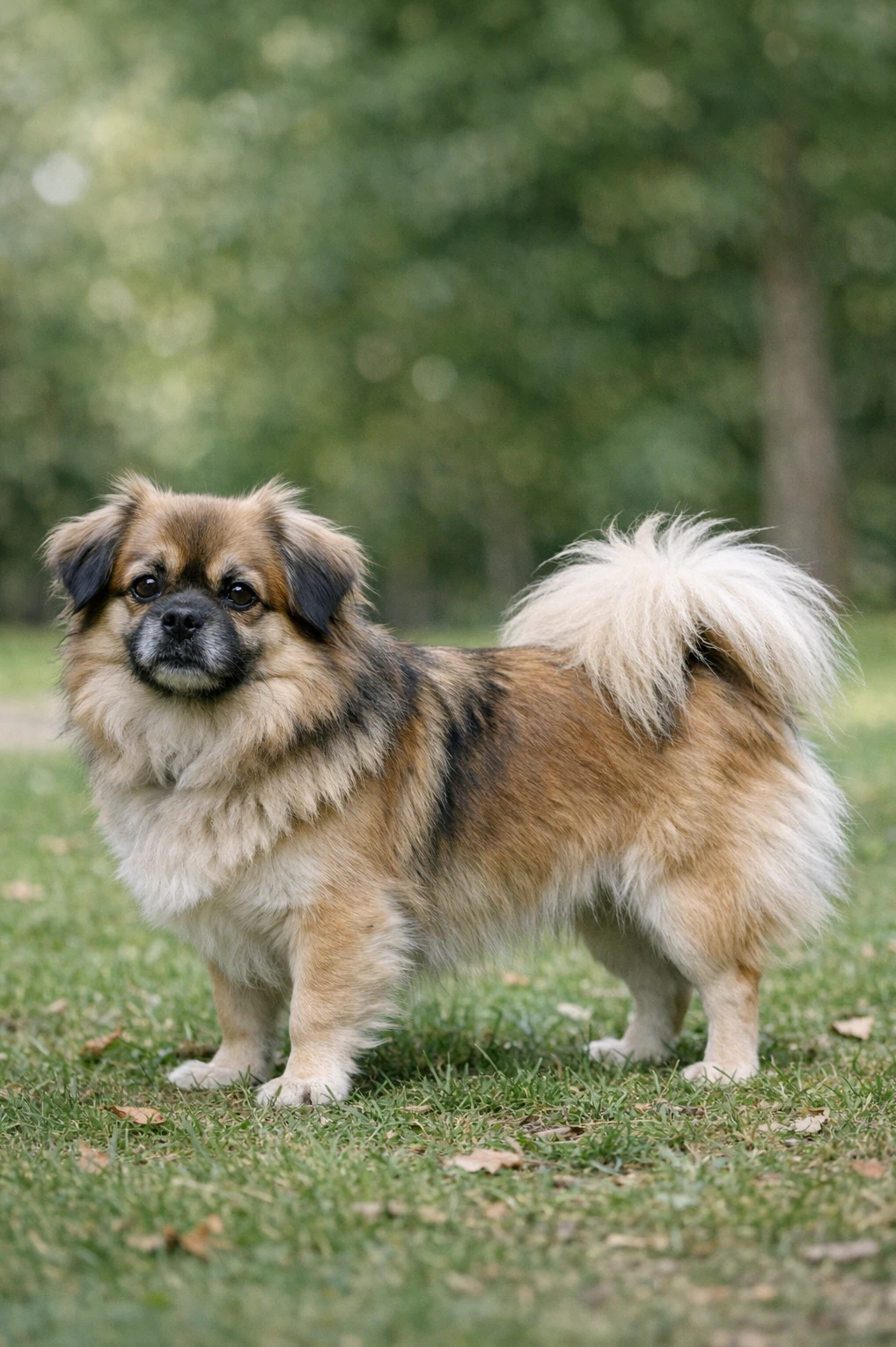
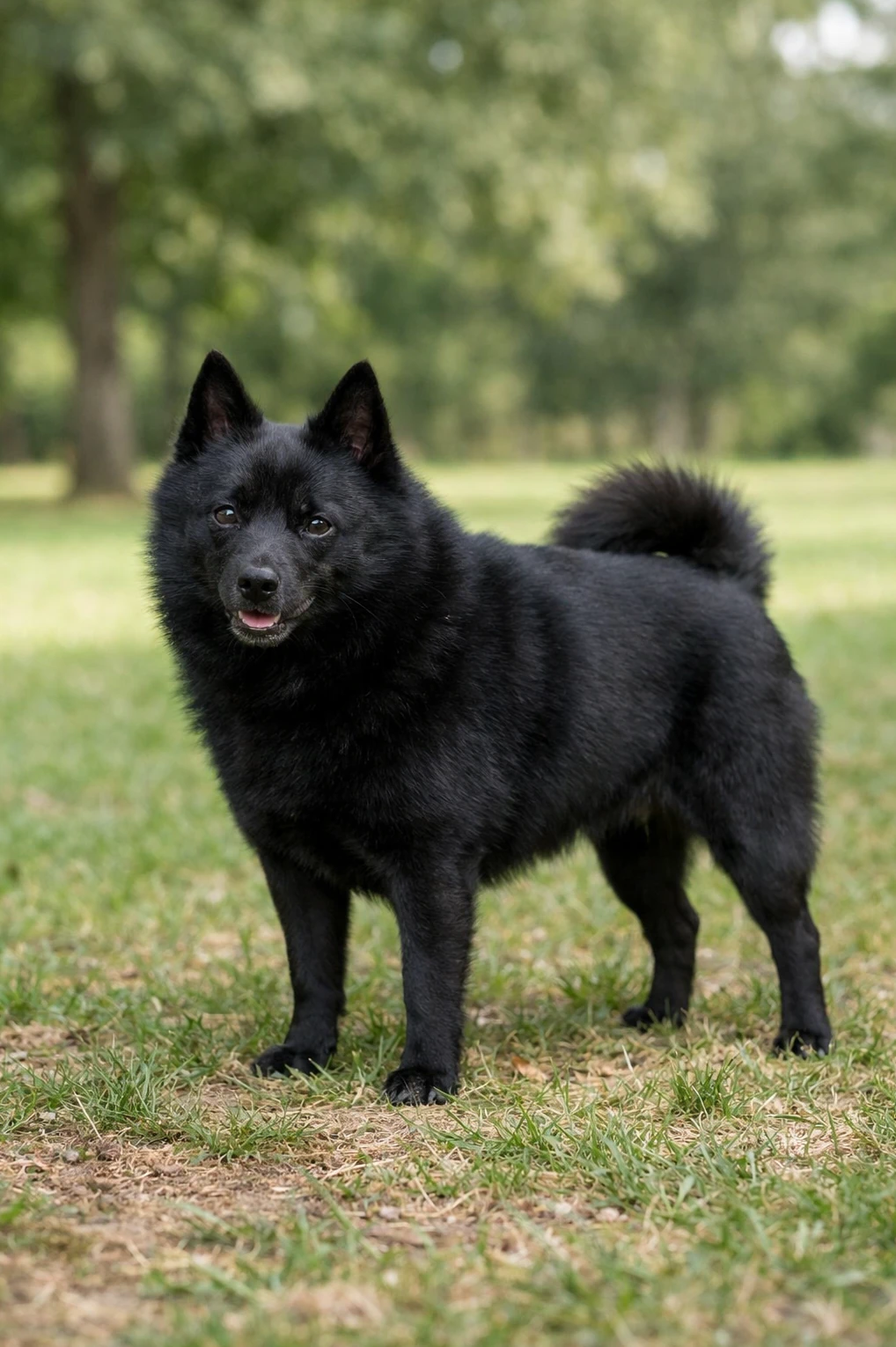
Compact and lively, the Schipperke stands about 11 to 13 inches and weighs 10 to 16 pounds.
They’re vigilant, inquisitive, and self-assured. Nutritional verdict: balanced, protein-focused meals keep them energetic and healthy.
Understanding the Schipperke Metabolism and Energy Needs
This small Belgian barge companion bred to guard boats and chase vermin runs on quick bursts of energy and a sharp mind, so steady nutrition matters. Protein-focused meals, around 26 to 30 percent from quality animal sources like chicken, fish, and eggs, preserve lean tissue and fuel rapid activity. Moderate fats, roughly 12 to 18 percent, supply concentrated calories for short, playful sprints and help keep skin and that thick double coat glossy, while added omega-3 supports coat and cognitive health.
Slow-release carbohydrates and gentle fibers help stabilize blood sugar between sudden play sessions and nourish the gut microbiome for resilience. Compact kibble or moisture-rich recipes that favor animal protein over heavy starches match their small frame and lively personality, and B vitamins support efficient energy use for this perpetually inquisitive, self-assured little dynamo.
Managing Schipperke Genetic Health Risks Through Nutrition
Luxating Patellas (slipping kneecaps)
Helpful nutrients
Legg-Calve-Perthes (hip joint problems)
Helpful nutrients
Eye Problems
Helpful nutrients
Thyroid Problems
Helpful nutrients
MPS IIIB (neurological disease with balance problems)
Helpful nutrients
Weight Management
Helpful nutrients
Schipperke Feeding & Calorie Calculator
Estimated Daily Calories
Tip: Start with this amount and adjust after 2–3 weeks based on your dog's body condition and weight trend.
This estimate provides a starting point for feeding. Individual calorie needs may vary depending on metabolism, body condition, and health status. Always monitor your dog's weight and consult your veterinarian when adjusting diet.
Foods and Ingredients to Avoid for Schipperke Dogs
Schipperkes are small dogs with a compact build, so excess fat and calories can lead to rapid weight gain and extra stress on delicate joints.
Carrying extra pounds increases the risk of luxating patella and worsens any developing hip issues, and high-fat meals can also trigger pancreatitis in sensitive dogs.
Avoid feeding fatty table scraps, rich gravies, or large amounts of treats.
Stick to measured portions of lean protein and calorie-controlled food suited to a small, active breed to keep them light and mobile.
Xylitol is extremely toxic to dogs, and in a small breed like the Schipperke even a tiny amount can cause a dangerous drop in blood sugar and liver damage.
Products such as sugar-free gum, candy, some peanut butters, and baked goods may contain xylitol or other sweeteners that are unsafe.
Always check ingredient labels and keep any sugar-free items out of reach. If you suspect ingestion, contact your veterinarian immediately since rapid treatment can be critical.
Onions and garlic, in raw, cooked, or powdered form, contain compounds that can damage a dog’s red blood cells and cause hemolytic anemia.
For a small dog like a Schipperke, relatively small amounts can have a bigger impact because of their lower body weight and blood volume.
Avoid sharing foods seasoned with onion or garlic, and be cautious with mixed dishes and leftovers.
If your dog shows weakness, pale gums, or rapid breathing after exposure, seek veterinary care.
Grapes and their dried forms can cause sudden and severe kidney failure in some dogs, and there is no reliable safe dose for any breed.
Because Schipperkes are small, the toxic effect can occur with only a few pieces, making these fruits particularly dangerous.
Keep all grape-containing foods and baked goods out of reach, and treat exposure as an emergency.
Early veterinary intervention can improve the outcome, so do not wait if ingestion is suspected.
Cooked bones can splinter and cause mouth injuries, choking, or internal punctures, while very hard chews can break teeth.
Small-breed dogs like Schipperkes are more likely to choke or suffer dental fractures when given oversized or brittle chews that crack easily.
Offer appropriately sized, durable treats designed for small breeds and supervise chewing sessions.
If you prefer natural bones, consult your vet about safe options and never give cooked bones from the table.
Growing Schipperke puppies can be sensitive to excess calcium and unbalanced supplementation, which may contribute to orthopedic problems such as malformed joint development or exacerbate predispositions like luxating patella.
Adult dogs do not usually need extra vitamins unless a vet identifies a deficiency.
Avoid giving over-the-counter supplements without veterinary advice, and choose a high-quality balanced puppy formula for young dogs.
Your breeder or vet can recommend appropriate supplements only when truly necessary.
How Nutritional Needs Change Throughout the Schipperke Life Stages
Dogs need different nutrition at puppyhood, adulthood, and senior years, and Schipperkes are no exception. Their small size, quick growth, high activity, and breed health tendencies shape how much and what they eat. Tailoring diet by life stage helps support skeletal growth, maintain energy and muscle, and protect joints and organs as they age.
| Life Stage | Age Range | Primary Objective | Key Nutrient Focus |
|---|---|---|---|
| Puppy | 0–10 months | controlled skeletal development, immune support, brain development | DHA, balanced calcium/phosphorus, high-quality protein |
| Adult | 10 months–8 years | lean muscle maintenance and sustained energy | high-quality protein, omega-3 fatty acids, fiber |
| Senior | 8+ years | joint mobility, metabolic health, and cognitive support | glucosamine, chondroitin, antioxidants, lower calories |
Schipperke puppies grow quickly for a small breed, developing bone and muscle at a fast clip, so careful caloric and nutrient balance matters from the start. Controlled calcium and phosphorus levels help support healthy skeletal development and reduce risk of joint or hip problems, and breeders screen for conditions like luxating patellas and Legg-Calve-Perthes. Feed small, calorie-dense meals in multiple sittings, usually three to four times daily until about six months, then transition to two meals as they mature.
Important nutrients include high quality animal protein for lean growth, DHA for brain and vision, and adequate vitamins and minerals for immune health. Because Schipperkes are active and curious, portion control matters to avoid excess weight that can stress knees and hips, so work with your vet to select a puppy formula sized for small mouths and suited to the breed's energetic nature.
Adult Schipperkes are small, lively dogs that need food to support steady energy and lean muscle without packing on extra pounds. Aim for a diet with moderate to high quality protein to preserve muscle mass and moderate fat for sustained energy, while keeping calories appropriate for a small, active frame. Maintain portion control and regular exercise to prevent obesity, which can aggravate kneecap and hip issues the breed can face.
Include omega fatty acids to support the double coat and skin, and antioxidants for immune health. Lifestyle factors like daily play, walks, and mental stimulation influence calorie needs, and spayed or neutered dogs may require slightly fewer calories, so recheck body condition often and adjust feeding amounts with your vet.
Senior Schipperkes often show subtle changes in metabolism and mobility, so nutrition should shift to protect joints and preserve muscle. Protein remains important to prevent muscle loss, while overall calories may need to be reduced if activity drops, or carefully increased if the dog loses weight. Highly digestible ingredients, added fiber, and probiotics can ease digestion as stomach tolerance changes with age.
Joint support nutrients like glucosamine, chondroitin, and omega-3 fatty acids help maintain mobility, and antioxidants support brain and immune health. Keep an eye on thyroid function and watch for balance or coordination problems, since early testing and regular vet checkups are useful given the breed's specific health tendencies.
Kibble vs Fresh vs Raw for Schipperke
Every dog is different, and the best feeding model depends on your routine, budget, and your Schipperke's needs.
Activity level, dental health, and weight management all influence which option fits best.
Pros
- Convenient and easy to portion for busy owners.
- Small kibble sizes suit a Schipperke's mouth.
- Formulated to provide complete nutrition for small breeds.
- Crunching can help reduce light tartar buildup.
Cons
- Some formulas contain fillers or lower-quality ingredients.
- Lower moisture content may require extra water or wet toppers.
- Calorie-dense formulas can cause weight gain without careful portions.
- Hard kibbles may bother dogs with dental sensitivity.
Pros
- Highly palatable, great for picky or selective eaters.
- Higher moisture supports hydration and gentler digestion.
- You control ingredients, useful if monitoring allergies or thyroid health.
- Easier to adjust calories to maintain a lean weight.
Cons
- Requires careful planning to ensure calcium and vitamin balance.
- More time consuming and usually more expensive than kibble.
- Needs refrigeration and consistent meal prep to stay safe.
Pros
- High protein and minimal processing may boost coat and energy.
- Many owners report strong meal enthusiasm in picky dogs.
- Natural textures encourage chewing and can support dental activity.
Cons
- Higher risk of bacterial contamination without rigorous hygiene.
- Small bones can splinter or pose choking hazards for Schipperkes.
- Balancing micronutrients is tricky and needs veterinary input.
- More prep and storage effort makes it impractical for some owners.
| Diet Type | Pros for Schipperke | Potential Downsides |
|---|---|---|
| High-Quality Kibble |
|
|
| Fresh Cooked Food |
|
|
| Raw Diet (BARF) |
|
|
Our Recommendation
For most Schipperkes, a high-quality kibble or thoughtfully prepared fresh food meets their small, active needs and helps manage weight.
A raw approach can work for experienced owners, but it requires strict hygiene and veterinary guidance to be safe.
See Also
Breeds with similar group, size, and coat characteristics