Best Dog Food for Norwegian Lundehund in 2026Based on Nutritional Science
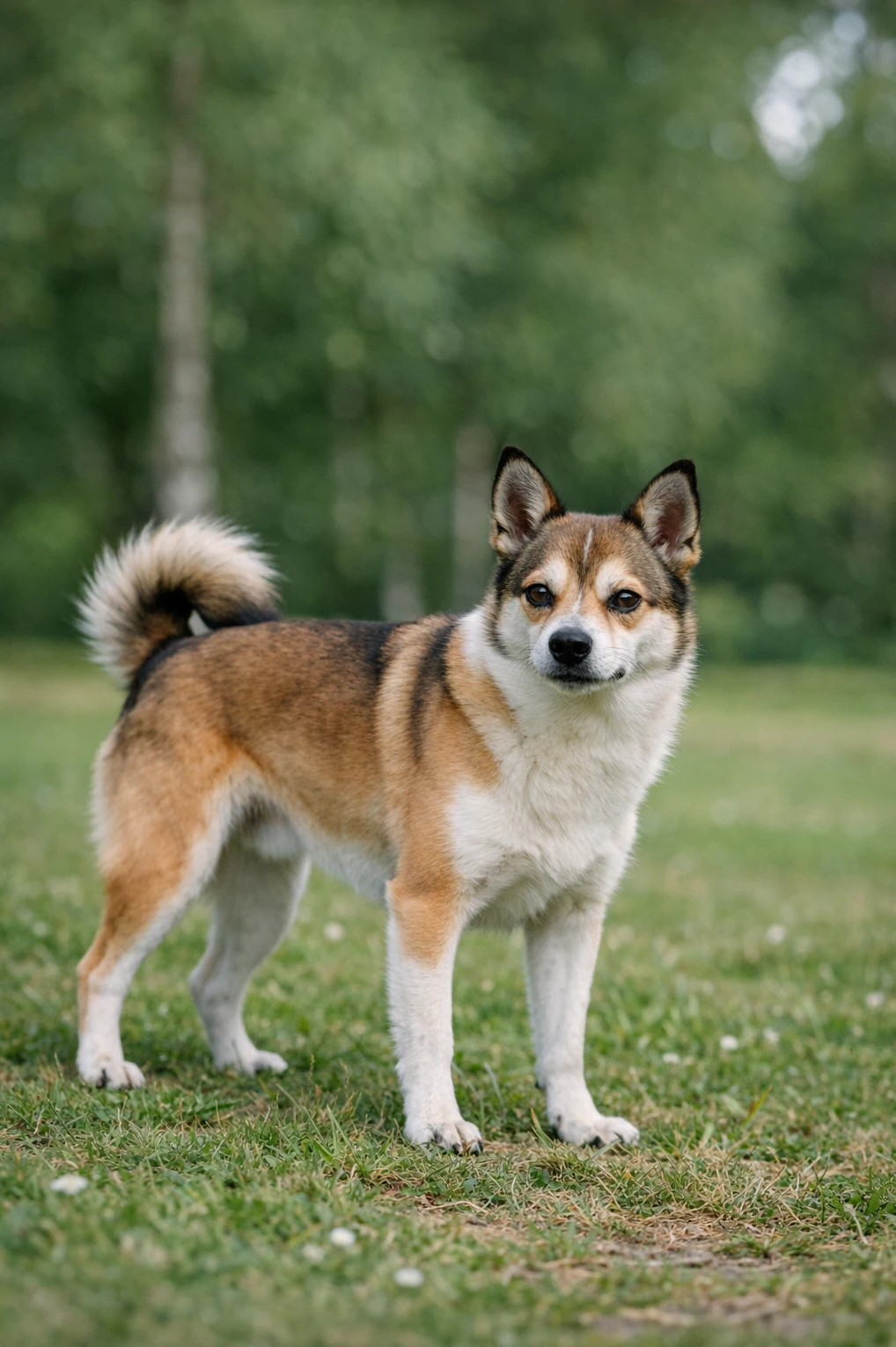
Compact, nimble companion standing about 13 to 15 inches and weighing 15 to 18 pounds, vigilant and devoted with a lively spirit. Nutritional verdict: needs balanced, high-quality protein and joint-friendly nutrients for activity and digestion.
Understanding the Norwegian Lundehund Metabolism and Energy Needs
This compact Nordic cliff-side hunter is quick-witted, devoted, and lively. Bred to slip into tight ledges and pursue seabirds, these dogs developed strong muscles, nimble joints, and a fast metabolism that benefits from concentrated nourishment.
A diet focused on highly digestible animal protein helps maintain lean mass and supports quick recovery after short bursts of activity. Rich, quality fats provide dense calories and keep skin and coat healthy, while omega-3s support brain function and help manage inflammation. Carbohydrates should be moderate and sourced from complex, fiber-rich ingredients to offer steady energy without upsetting a sensitive gut.
Many in this line are prone to digestive sensitivities, so probiotics and novel proteins can be helpful, and small-joint support such as glucosamine may protect mobility. Thoughtful, tailored nutrition keeps these dogs spry and comfortable as active companions.
Managing Norwegian Lundehund Genetic Health Risks Through Nutrition
Lundehund syndrome (protein-losing enteropathy)
Helpful nutrients
Chronic gastrointestinal sensitivity and food reactions
Helpful nutrients
Patellar luxation and knee joint strain
Helpful nutrients
Dental disease and tartar buildup
Helpful nutrients
Weight management and obesity
Helpful nutrients
Norwegian Lundehund Feeding & Calorie Calculator
Estimated Daily Calories
Tip: Start with this amount and adjust after 2–3 weeks based on your dog's body condition and weight trend.
This estimate provides a starting point for feeding. Individual calorie needs may vary depending on metabolism, body condition, and health status. Always monitor your dog's weight and consult your veterinarian when adjusting diet.
Foods and Ingredients to Avoid for Norwegian Lundehund Dogs
Because a Norwegian Lundehund is a small dog with a modest body weight, high-fat treats and table scraps can lead to rapid weight gain and digestive upset.
Excess fat is calorie-dense so even a little extra can add up quickly, placing strain on joints and overall energy levels.
Stick to lean proteins and measured portions to keep their weight steady and their tummy comfortable.
Avoid giving large raw or cooked bones that can splinter, as their small jaws and delicate mouths make choking and oral injury more likely.
Cooked bones are brittle and can break into sharp pieces that may puncture the gastrointestinal tract or cause obstruction.
Choose safe, appropriately sized chews made for small breeds instead, and always supervise any chewing session to reduce risk.
Keep chocolate, grapes, raisins and anything sweetened with xylitol far out of reach, because small dogs reach toxic levels with much smaller amounts than large breeds.
Symptoms can appear quickly, from vomiting and lethargy to dangerous drops in blood sugar or kidney problems, so even a tiny taste can be serious.
If you suspect ingestion, contact your veterinarian right away for advice.
Many adult dogs, including small breeds, are lactose intolerant or have sensitive digestion, so cheese, milk and rich creamy treats can cause gas, diarrhea or stomach pain.
Because Lundehunds are light in weight, the effects of upset digestion are more pronounced and can dehydrate them faster.
Offer dairy-free treats or specially formulated snacks in small, controlled amounts to avoid uncomfortable flare ups.
Some grain-free diets rely heavily on legumes like peas and lentils to replace grains, and while they can be okay in moderation, large amounts may be harder for sensitive small-breed digestion to handle.
There has also been concern that unbalanced formulations could affect heart health in certain dogs, so it is wise to choose complete diets backed by veterinary nutrition guidance.
If you switch to or from a legume-heavy food, do it slowly and monitor appetite and energy.
Foods and treats with artificial preservatives, colors or strong flavors can trigger skin sensitivities, itchiness or tummy upset in small dogs that have delicate systems.
Because Norwegian Lundehunds are light weight, even minor reactions can feel significant and affect their comfort and coat condition.
Opt for simple ingredient lists and naturally preserved options to reduce the chance of food-related sensitivities.
How Nutritional Needs Change Throughout the Norwegian Lundehund Life Stages
Dogs need different nutrition at puppyhood, adulthood, and their senior years, and the Norwegian Lundehund is no exception. Growth rate, activity level, and breed tendencies shape the right balance of calories, protein, and micronutrients. Because Lundehunds are small, alert, and energetic, their food needs will change as they grow and as activity, metabolism, and any breed-related health traits influence digestion and joint health.
| Life Stage | Age Range | Primary Objective | Key Nutrient Focus |
|---|---|---|---|
| Puppy | 0–10 months | controlled skeletal development, immune support, brain development | DHA, balanced calcium/phosphorus, high-quality protein |
| Adult | 10 months–8 years | lean muscle maintenance and sustained energy | high-quality protein, omega-3 fatty acids, fiber |
| Senior | 8+ years | joint mobility, metabolic health, and cognitive support | glucosamine, chondroitin, antioxidants, lower calories |
As puppies, Norwegian Lundehunds grow quickly but remain small, so nutrition must support steady, controlled development to protect delicate joints and bones. Provide a puppy formula designed for small breeds with balanced calcium and phosphorus levels to promote proper skeletal growth, and include high quality protein to build muscle. Because Lundehunds are energetic, their calorie needs are higher per pound than larger breeds, but avoid excessive calories that lead to too-rapid growth.
Feed puppies three to four small meals a day to match their fast metabolisms and reduce digestive stress. Important nutrients include DHA for brain and eye development, adequate iron and B vitamins, and targeted joint support like moderate levels of glucosamine if recommended by your veterinarian. Gentle probiotics and digestible carbohydrates can help pups with sensitive stomachs.
As adults, Norwegian Lundehunds are active and alert, so diet should help maintain lean muscle and steady energy for daily play and scent work. Choose a complete adult small-breed formula with moderate to high-quality protein to preserve muscle mass, and healthy fats for energy and coat health. Fat levels should reflect activity, with more calories for very active dogs and fewer for calmer pets to prevent weight gain.
Monitor portion sizes and body condition, and factor in lifestyle elements like daily exercise, training sessions, and seasonal activity changes. Include antioxidants for immune support and omega-3 fatty acids for skin and joint health. Because some small breeds have sensitive digestion, gradual diet changes and routine veterinary checks help catch any emerging issues early.
As Norwegian Lundehunds enter senior years, metabolism often slows and muscle mass can decline, while mobility and digestion may become more sensitive. Maintain high quality protein to preserve lean mass, but adjust overall calories downward if activity drops to avoid weight gain. Gentle, easily digestible ingredients and added fiber can support regular bowel movements, and probiotics may ease common digestive sensitivities.
Joint support becomes more important, so consider foods with glucosamine and chondroitin or a vet-recommended supplement to preserve mobility. Antioxidants like vitamin E and selenium support aging immune function, and omega-3s help both joints and skin. Regular weight and body condition checks, with portion tweaks, keep your Lundehund comfortable and active into its golden years.
Kibble vs Fresh vs Raw for Norwegian Lundehund
Different feeding models suit different lifestyles and dog needs. Choosing what works best for your Norwegian Lundehund depends on activity level, digestion, and owner time.
Pros
- Convenient and easy to portion for busy owners.
- Consistent nutrition supports active, small-bodied dogs.
- Dry kibble helps keep teeth cleaner through chewing.
- Available in weight-control formulas for dogs prone to gain.
Cons
- Lower moisture content can be hard on sensitive stomachs.
- Some formulas contain fillers that add unnecessary calories.
- May need supplements to address breed-specific digestive needs.
- Overfeeding calorically dense kibble risks weight gain in small dogs.
Pros
- Highly palatable for picky or energetic eaters.
- High moisture supports hydration and gentle digestion.
- Full control over protein and ingredient quality.
- Easier to tailor portions for a small, active breed.
Cons
- Requires careful recipes to ensure balanced vitamins and minerals.
- Time consuming to prepare and store safely.
- Higher cost than kibble over time.
- Mistakes in calcium and phosphorus balance can affect bone health.
Pros
- High protein, low processing appeals to ancestral diet fans.
- Some owners report improved coat and energy.
- Easily adjustable to small portions for this breed.
- Can reduce certain processed additives found in commercial foods.
Cons
- Higher bacterial risk demands strict hygiene and safe sourcing.
- Whole bones can be hazardous for small dogs.
- Difficult to guarantee complete nutrient balance without expertise.
- May be impractical for owners who travel or have limited time.
| Diet Type | Pros for Norwegian Lundehund | Potential Downsides |
|---|---|---|
| High-Quality Kibble |
|
|
| Fresh Cooked Food |
|
|
| Raw Diet (BARF) |
|
|
Our Recommendation
For most Norwegian Lundehunds, a high-quality kibble formulated for small, active dogs provides reliable nutrition and convenience.
Fresh cooked diets are a good option for dogs with sensitive digestion or picky appetites, while raw diets require veterinary guidance and strict hygiene to be safe.
See Also
Breeds with similar group, size, and coat characteristics