Best Dog Food for Xoloitzcuintli in 2026Based on Nutritional Science
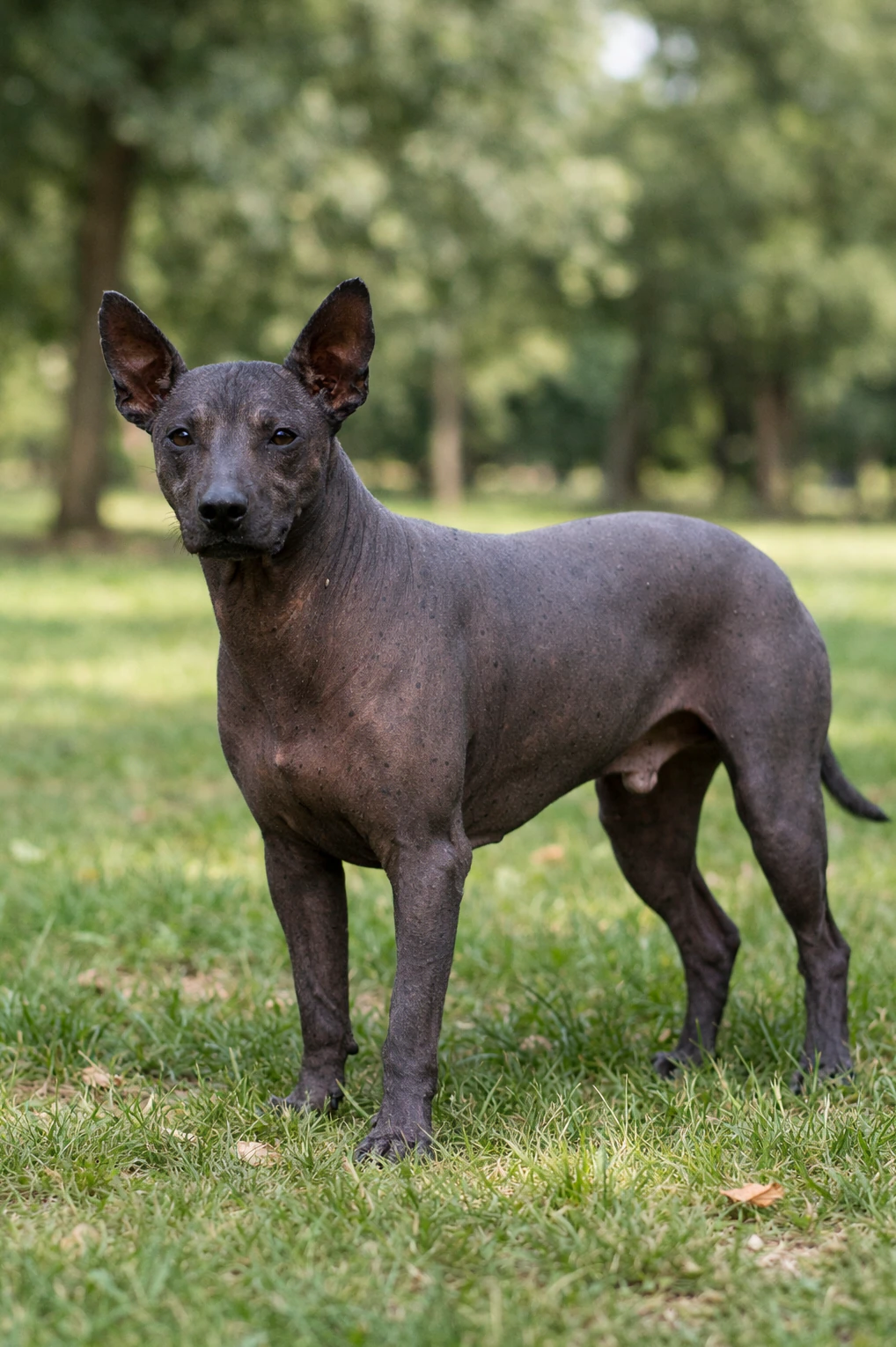
Toy Xoloitzcuintli stands about 10 to 14 inches tall and weighs 10 to 15 pounds, with a vigilant, devoted, and serene nature. Nutritional verdict: balanced, high-quality protein and skin-supporting fats keep this breed thriving.
Understanding the Xoloitzcuintli Metabolism and Energy Needs
The Xoloitzcuintli descends from ancient companion and guardian lines, a dog that stays watchful yet composed. That history and a sleek, muscular frame mean a diet focused on high-quality protein to preserve lean mass and support everyday alertness. Ingredients like poultry, fish, or eggs help maintain strong muscles and a quick recovery after activity.
Healthy fats play a big role for this type of dog, especially for skin health and steady energy. Including omega-3 rich sources, such as fish oil or chia, and a balance of omega-6 supports a resilient skin barrier and comfortable movement as they age. Moderate carbohydrate from easily digested sources, for example sweet potato or brown rice, offers sustained fuel without causing energy spikes. Gentle supplements, like probiotics for digestion and glucosamine for joint support, can be beneficial for long-term wellbeing.
Managing Xoloitzcuintli Genetic Health Risks Through Nutrition
Hip Dysplasia
Helpful nutrients
Patellar Luxation
Helpful nutrients
Eye Disorders
Helpful nutrients
Ear Infections
Helpful nutrients
Dental Issues
Helpful nutrients
Obesity
Helpful nutrients
Parasite Susceptibility
Helpful nutrients
Xoloitzcuintli Feeding & Calorie Calculator
Estimated Daily Calories
Tip: Start with this amount and adjust after 2–3 weeks based on your dog's body condition and weight trend.
This estimate provides a starting point for feeding. Individual calorie needs may vary depending on metabolism, body condition, and health status. Always monitor your dog's weight and consult your veterinarian when adjusting diet.
Foods and Ingredients to Avoid for Xoloitzcuintli Dogs
Xolos are small dogs and some can gain weight easily, so high-fat foods and rich table scraps are best avoided.
Excess fat can lead to rapid weight gain and may trigger pancreatitis, which is dangerous even in tiny dogs.
Keeping treats lean and portions controlled helps protect their joints and weight, both important for a breed that benefits from a healthy, steady body condition.
Ask your vet about suitable low-fat treats and portion sizes that fit your Xolo's lifestyle.
Xylitol is extremely toxic to dogs and can cause a sudden drop in blood sugar and liver damage, with even small amounts posing a serious risk.
Tiny breeds like Xolos can be affected by milligrams that might be harmless to a larger dog.
Many sugar-free gums, baked goods, and peanut butters contain xylitol, so always read labels and avoid any product with artificial sweeteners.
When in doubt, choose plain, vet-approved treats that are free from sugar substitutes.
Grapes and raisins can cause sudden kidney failure in dogs and the amount needed to cause harm is unpredictable, especially for a small 10 to 15 pound Xolo.
Even a few pieces could be dangerous for your tiny companion.
Also be careful with fruit pits and seeds from stone fruits, which can be choking hazards or contain compounds that upset digestion.
Offer small, seedless portions of dog-safe fruits only after checking with your veterinarian.
Onions, garlic, leeks, and chives damage red blood cells and can lead to anemia over time, with powdered or cooked forms still posing a risk.
Small breeds like the Xolo are more vulnerable because smaller doses matter more for their body weight.
Avoid feeding foods seasoned with these ingredients and be cautious with soups, sauces, and leftovers. If you suspect exposure, contact your vet promptly for guidance.
Cooked bones can splinter easily and cause choking, mouth or throat injuries, or dangerous intestinal perforations.
A Xolo's small mouth and delicate teeth increase the risk of broken teeth and lodged fragments.
Raw bones also carry bacterial risks and some hard bones can fracture teeth, so it's safer to choose vet-approved chews sized for a small dog.
Supervise any chew and replace it when it becomes a hazard.
Some grain-free diets rely heavily on peas, lentils, or chickpeas, and research has linked certain formulations to heart concerns in dogs when diets are unbalanced.
For a small breed that can gain weight easily, an incomplete or imbalanced formula could also miss essential nutrients your Xolo needs.
Work with your veterinarian to pick a complete, age-appropriate diet and avoid foods that list high amounts of a single pulse or legume as the main ingredient.
Regular checkups and heart-safe dietary choices help keep your Xolo healthy and happy.
How Nutritional Needs Change Throughout the Xoloitzcuintli Life Stages
Throughout a Xoloitzcuintli's life the nutritional goals shift from rapid growth to maintenance, and then to gentle support in later years. Puppyhood needs nutrient-dense, growth-focused feeding, adulthood focuses on muscle maintenance and balanced energy suited to the breed's alert but calm temperament, and senior years often require lower calories and extra joint and skin support. Breed size, growth rate, activity level and common health tendencies shape these changes.
| Life Stage | Age Range | Primary Objective | Key Nutrient Focus |
|---|---|---|---|
| Puppy | 0–10 months | controlled skeletal development, immune support, brain development | DHA, balanced calcium/phosphorus, high-quality protein |
| Adult | 10 months–8 years | lean muscle maintenance and sustained energy | high-quality protein, omega-3 fatty acids, fiber |
| Senior | 8+ years | joint mobility, metabolic health, and cognitive support | glucosamine, chondroitin, antioxidants, lower calories |
Xolo puppies grow quickly and usually reach adult size sooner than larger breeds, often maturing by around nine to twelve months. During this rapid growth period the focus is on supporting healthy skeletal development without excess calcium or calories that could strain growing joints, especially given the breed's risk for hip dysplasia and patellar luxation. Choose a high quality puppy formula with appropriate calcium to phosphorus balance, plenty of digestible protein, DHA for brain and eye development, and omega-3 fatty acids to support skin in hairless varieties.
Because toy Xolos have higher metabolisms per pound, feed small, frequent meals, typically three to four times a day, to help steady blood sugar and avoid hypoglycemia. Small kibble size and dental-friendly textures can aid dental care, and regular vet checks will ensure growth is on track and ear and eye health are monitored.
Adult Xoloitzcuintlis are compact and energetic in short bursts, so their diet should preserve lean muscle while matching their calmer daily activity levels. Aim for a balanced formula with high quality protein to support muscle maintenance and moderate fat for energy, choosing nutrient-dense portions to meet calorie needs without overfeeding. Include omega-3 and omega-6 fatty acids to support the hairless variety's skin, plus antioxidants and taurine for overall health.
Portion control and regular weighing are helpful since small dogs can gain weight quickly if activity drops. Consider kibble sized for small mouths and continue dental care, while vets can advise joint supplements when needed because of the breed's predisposition to patellar issues and hip concerns.
As Xolos enter their senior years they often experience a slower metabolism, shifting activity and sometimes stiffer joints or mobility changes. Diet should protect muscle mass with high quality, easily digestible protein while adjusting overall calories to prevent unwanted weight gain that can stress hips and knees. Support joint health with omega-3 fatty acids and veterinarians may recommend glucosamine and chondroitin for cartilage support, along with antioxidants to help cellular health.
Because digestion can become more sensitive, offer meals that are moderate in fat and rich in fiber for steady gut function, and consider dividing daily portions into two smaller meals to ease digestion. Maintain skin and dental care with nutrients that support the skin barrier and chewing ability, and schedule regular checkups to fine tune calorie and supplement needs based on mobility, dental status and overall health.
Kibble vs Fresh vs Raw for Xoloitzcuintli
Different feeding models suit different lifestyles and health needs. For the Xoloitzcuintli's small, hairless, calm, and alert nature, prioritize skin care, dental health, and careful portioning.
Pros
- Convenient and easy to portion for small, busy households.
- Kibble can help reduce tartar buildup between brushings.
- Small-breed formulas match calorie density and kibble size.
- Long shelf life suits owners who prefer low-prep meals.
Cons
- Some kibbles are calorie-dense, risking weight gain in low-activity Xolos.
- Low moisture content may not support skin hydration well.
- Poor-quality ingredients can aggravate sensitive skin and allergies.
- Kibble cannot replace regular tooth brushing for oral health.
Pros
- Highly palatable and helpful for picky Xolos.
- Higher moisture supports skin and urinary tract health.
- Full control over ingredients helps avoid known allergens.
- Easy to add skin-friendly nutrients like omega fatty acids.
Cons
- Requires careful planning to ensure complete nutritional balance.
- Meal prep and refrigeration take more time and effort.
- Generally more expensive than dry food over time.
- Missing supplements can create long-term nutrient gaps without guidance.
Pros
- Provides raw proteins and fats that some dogs find highly palatable.
- Can support skin condition when balanced with omega-rich ingredients.
- Chewing raw meaty bones may help reduce plaque for some dogs.
- Unprocessed ingredients preserve natural flavors and nutrients.
Cons
- Higher risk of bacterial contamination without strict hygiene.
- Small bones pose choking or dental fracture hazards for toy Xolos.
- Balancing calcium and micronutrients is challenging at home.
- Not recommended without veterinary oversight for young or immunocompromised dogs.
| Diet Type | Pros for Xoloitzcuintli | Potential Downsides |
|---|---|---|
| High-Quality Kibble |
|
|
| Fresh Cooked Food |
|
|
| Raw Diet (BARF) |
|
|
Our Recommendation
For most Xolo owners, a high-quality small-breed kibble or a kibble-plus-fresh mix balances convenience with skin and dental needs.
If you consider raw feeding, consult your veterinarian and follow strict hygiene and balancing guidelines.
See Also
Breeds with similar group, size, and coat characteristics