Best Dog Food for Dalmatian in 2026Based on Nutritional Science
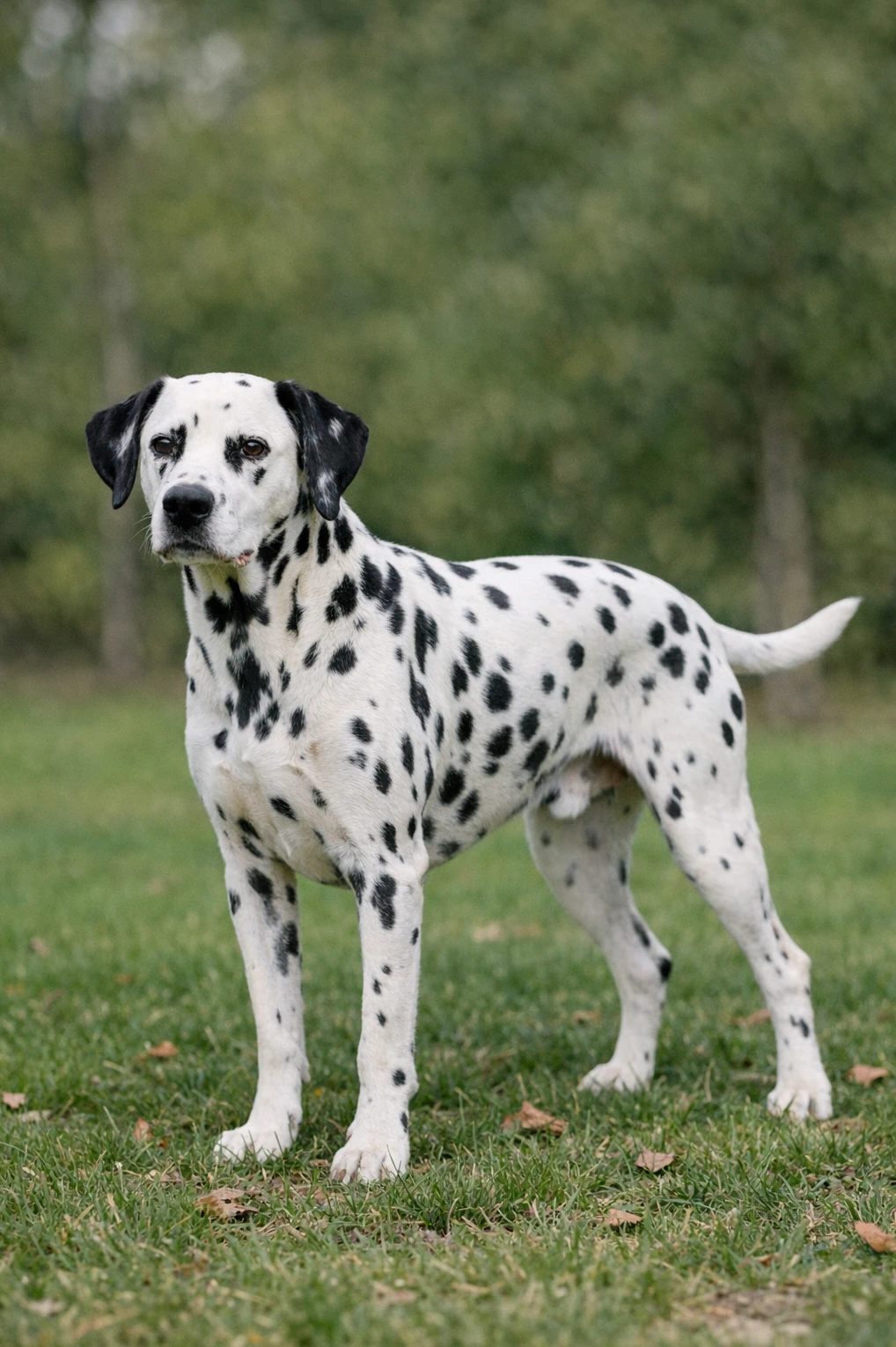
Medium sized Dalmatian, about 19 to 24 inches tall and 45 to 70 pounds, is poised, sociable, and bright.
Nutritional verdict: active metabolism benefits from a balanced, protein-rich diet with portion control and regular exercise.
Understanding the Dalmatian Metabolism and Energy Needs
Built for long days beside carriages and with a lively, confident temperament, this dog needs nutrition that supports steady stamina, lean muscle, and a glossy coat. A protein-focused plan helps preserve muscle mass, but because these dogs can form urate stones, choose lower-purine sources like eggs, cottage cheese, and lean poultry instead of organ meats and certain seafood. Ample fresh water is essential to keep the urinary tract flushing well.
Keep fat moderate to provide concentrated calories without encouraging excess weight, and include omega-3s from purified fish oil or flaxseed for skin and joint health. Complex carbohydrates such as sweet potato and brown rice deliver slow-release energy for both activity and mental sharpness. Consider joint-support nutrients like glucosamine and antioxidants for long-term vitality, and pair portion control with regular exercise to match their spirited, alert nature.
Managing Dalmatian Genetic Health Risks Through Nutrition
Urate Stone Formation (Hyperuricosuria)
Helpful nutrients
Congenital Deafness
Helpful nutrients
Skin Allergies and Atopy
Helpful nutrients
Hip Dysplasia and Joint Wear
Helpful nutrients
Eye Issues (Cataracts, Retinal Health)
Helpful nutrients
Dalmatian Feeding & Calorie Calculator
Estimated Daily Calories
Tip: Start with this amount and adjust after 2–3 weeks based on your dog's body condition and weight trend.
This estimate provides a starting point for feeding. Individual calorie needs may vary depending on metabolism, body condition, and health status. Always monitor your dog's weight and consult your veterinarian when adjusting diet.
Foods and Ingredients to Avoid for Dalmatian Dogs
Dalmatians have a unique tendency to form urate urinary stones, so foods high in purines should be limited.
Organ meats like liver and kidney, some fish such as sardines, and large amounts of yeast or certain legumes can raise uric acid and increase stone risk.
Choose moderate, high-quality protein sources and diets formulated for urinary health when possible.
Regular water intake and veterinary guidance on diet can help reduce the chance of painful stones.
While Dalmatians are active, they are still vulnerable to weight gain if fed too many fatty treats, and excess fat can trigger pancreatitis.
Rich table scraps, fried foods, and fatty cuts of meat add calories quickly and place extra stress on hips and joints for a 45 to 70 pound dog.
Stick to lean proteins and controlled portion sizes, and reserve fatty treats for rare occasions to keep your Dalmatian at a healthy, active weight.
Human leftovers and salty snacks often contain too much sodium, fat, and seasonings that upset a dog’s stomach and can worsen thirst or dehydration.
For a medium to large breed like a Dalmatian, frequent table treats contribute to unwanted weight gain and uneven nutrition.
Avoid feeding from your plate and keep salty chips, processed meats, and heavily seasoned foods out of reach. Consistent, dog-formulated meals help maintain steady energy and body condition.
Many Dalmatians show skin sensitivities or food-related itchiness, so cutting out artificial preservatives and colors can reduce flare ups.
Ingredients such as BHA, BHT, and artificial dyes sometimes irritate skin or cause digestive upset in sensitive dogs.
Opt for foods with natural preservatives and minimal additives, and work with your vet if you suspect your Dalmatian has a food sensitivity.
A simpler ingredient list often makes it easier to spot problem items.
Garlic, onions, leeks, and chives are part of the allium family and contain compounds that can damage a dog’s red blood cells, leading to anemia if eaten in significant amounts over time.
Even small, repeated exposures from flavorings or cooked foods can be harmful for dogs of any size.
Keep all allium-containing foods well away from your Dalmatian, and be cautious with flavored broths, sauces, and leftovers that may include these ingredients.
Grapes and raisins can cause sudden kidney failure in dogs, and xylitol, a common sugar substitute, can trigger dangerous low blood sugar and liver issues.
These items are risky for all breeds, and a curious Dalmatian may get into a purse or counter where they are stored.
Store sweets and fruit securely, and check ingredient labels on sugar-free products to avoid xylitol exposure. If ingestion occurs, seek veterinary help right away.
How Nutritional Needs Change Throughout the Dalmatian Life Stages
Dogs need different nutrition at puppyhood, adulthood, and senior years because growth, activity, and health risks change as they age. A Dalmatian's needs are shaped by its relatively fast growth, high activity level, and breed tendencies such as sensitivity to urate stone formation. Tailoring calories, protein, and key nutrients helps keep Dalmatians growing well, staying lean, and ageing comfortably.
| Life Stage | Age Range | Primary Objective | Key Nutrient Focus |
|---|---|---|---|
| Puppy | 0–15 months | controlled skeletal development, immune support, brain development | DHA, balanced calcium/phosphorus, high-quality protein |
| Adult | 1.5–6 years | lean muscle maintenance and sustained energy | high-quality protein, omega-3 fatty acids, fiber |
| Senior | 6+ years | joint mobility, metabolic health, and cognitive support | glucosamine, chondroitin, antioxidants, lower calories |
Dalmatian puppies grow quickly and need nutrition that supports steady, controlled development to protect growing bones and joints. As a large, active breed they do best on large-breed puppy formulas that moderate calories and calcium so growth is gradual rather than too rapid. Feed smaller, frequent meals early on, about three to four times daily, then move to two meals as they approach adulthood.
Offer high quality protein to build lean muscle along with a proper calcium to phosphorus ratio for bone mineralization. Add omega-3 fatty acids and DHA for brain and coat health, and antioxidants for immune support. Because Dalmatians are prone to urate stones, limit very high purine ingredients like organ meats and make sure fresh water is always available.
An adult Dalmatian is typically athletic and lean, so nutrition should support sustained energy, muscle maintenance, and a healthy weight. Choose foods with high quality animal protein to preserve lean mass, with moderate fat to fuel activity but not encourage excess weight. Balance calories to match activity level, adjusting portions for working dogs or more sedentary pets, and monitor body condition regularly to avoid obesity that stresses joints.
Keep an eye on ingredient sources and purine content because Dalmatians have a tendency toward urate stone formation, favoring proteins with lower purine loads and ensuring plenty of water. Include omega-3s for joint and skin health and antioxidants for long term cellular support. Regular exercise and portion control work with nutrition to keep an adult Dalmatian fit and dignified.
As Dalmatians enter their senior years metabolism often slows and activity decreases, while muscle mass and joint resilience may decline. Seniors can benefit from slightly fewer calories to avoid weight gain, while keeping protein high and highly digestible to preserve lean tissue. Increasing soluble fiber and gentle probiotics can help digestion, and smaller, more frequent meals may be easier on sensitive stomachs.
Support joints with omega-3 fatty acids, glucosamine and chondroitin or vet-recommended alternatives, and add antioxidants to help protect aging cells and support cognitive health. Continue to limit very high purine ingredients and prioritize hydration to reduce urate stone risk. Regular veterinary checks and body condition monitoring will help fine tune calorie and nutrient needs as your Dalmatian ages gracefully.
Kibble vs Fresh vs Raw for Dalmatian
Different feeding models suit different lifestyles, energy needs, and health considerations.
For Dalmatians, their active nature and unique uric acid metabolism make protein type, moisture, and purine content important to consider.
Pros
- Convenient and easy to portion for busy owners.
- Many formulas offer controlled protein and low-purine options for Dalmatians.
- Consistent nutrition helps manage energy and body weight.
- Dry kibble can help reduce plaque during chewing.
Cons
- Lower moisture content may increase urinary concentration risk.
- Some brands contain fillers or additives that offer little benefit.
- Overfeeding calorie-dense kibble can lead to weight gain.
- Not all formulas address Dalmatian urate stone risk without vet guidance.
Pros
- Highly palatable for picky or active Dalmatians.
- High moisture supports urinary dilution and healthy kidneys.
- You have full control over protein sources and purine levels.
- Can include fresh vegetables for coat and antioxidant support.
Cons
- Requires careful planning to ensure balanced nutrients and minerals.
- More time consuming and usually more expensive than kibble.
- Wrong organ meat amounts can raise purine levels dangerously.
- Needs refrigeration and safe handling to avoid spoilage.
Pros
- High protein and natural textures can boost energy and muscle mass.
- Some owners report shinier coats and smaller stools.
- Can be tailored to avoid high-purine ingredients when planned.
Cons
- Many raw proteins and organs are high in purines for Dalmatians.
- Higher bacterial contamination risk requires strict hygiene and handling.
- Risk of bone fragments causing choking or intestinal injury.
- Needs veterinary oversight to properly balance minerals and uric acid.
| Diet Type | Pros for Dalmatian | Potential Downsides |
|---|---|---|
| High-Quality Kibble |
|
|
| Fresh Cooked Food |
|
|
| Raw Diet (BARF) |
|
|
Our Recommendation
Many Dalmatian owners find high-quality, low-purine kibble a practical daily choice, especially for active dogs.
Fresh cooked meals work well when balanced and monitored, while raw diets need careful veterinary guidance because of purine and bacterial risks.
See Also
Breeds with similar group, size, and coat characteristics