Best Dog Food for Boston Terrier in 2026Based on Nutritional Science
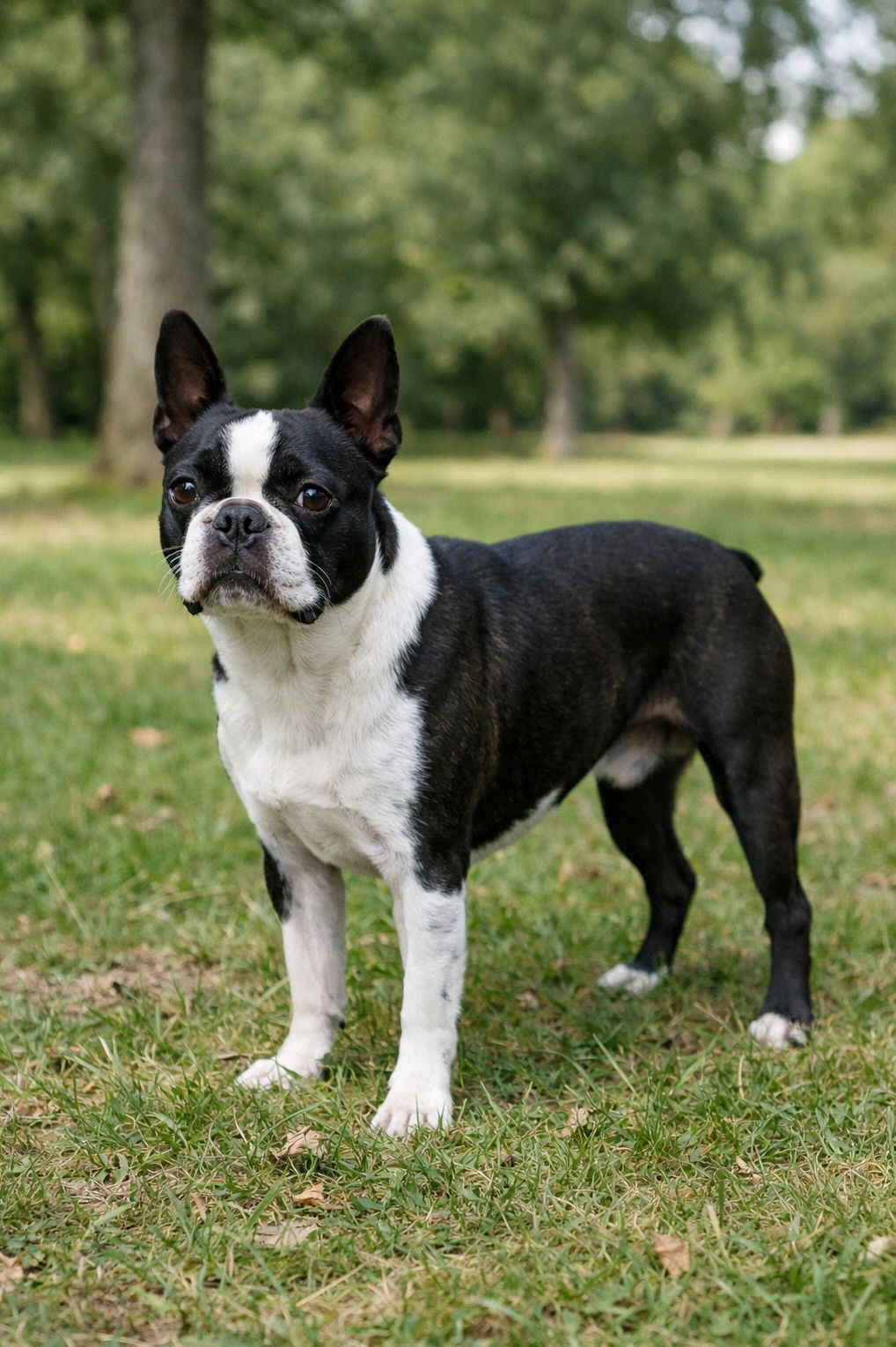
Compact Boston Terrier, about 10-12 inches and 12-25 pounds, is sociable, clever, and playful. Nutritional Verdict: balanced, portion-controlled meals with lean protein and moderate treats keep this energetic companion fit and thriving.
Understanding the Boston Terrier Metabolism and Energy Needs
As compact, sociable companions with keen minds and a playful streak, these dogs benefit from food that fuels short bursts of activity and supports a lean, muscular build. Their flattened faces can make breathing and eating a bit harder, so calorie-dense, soft-biting kibble or smaller pieces help them eat comfortably without extra bulk. Strong, high-quality protein keeps muscles toned and supports metabolism, so a target around 26 to 30 percent protein is sensible, paired with moderate fat of roughly 14 to 18 percent to provide energy without encouraging weight gain.
Complex carbohydrates and fiber smooth out blood sugar and ease digestion, while probiotics soothe sensitive tummies often seen in city-based pets. Omega-3 fats promote healthy skin, a glossy coat, and brain health, and a joint-support ingredient like glucosamine can aid mobility as they age. Thoughtful portions and balanced nutrition preserve their bright energy and sturdy condition.
Managing Boston Terrier Genetic Health Risks Through Nutrition
Eye Disorders (cataracts, corneal ulcers, glaucoma)
Helpful nutrients
Deafness
Helpful nutrients
Patellar Luxation (knee joint issues)
Helpful nutrients
Brachycephalic Breathing Difficulties & Heat Sensitivity
Helpful nutrients
Obesity / Excess Weight
Helpful nutrients
Boston Terrier Feeding & Calorie Calculator
Estimated Daily Calories
Tip: Start with this amount and adjust after 2–3 weeks based on your dog's body condition and weight trend.
This estimate provides a starting point for feeding. Individual calorie needs may vary depending on metabolism, body condition, and health status. Always monitor your dog's weight and consult your veterinarian when adjusting diet.
Foods and Ingredients to Avoid for Boston Terrier Dogs
Boston Terriers can be prone to gaining weight, and high-fat foods or rich table scraps can quickly push them toward obesity.
Extra body weight adds stress to their small frames and to joints that may already be vulnerable to patellar luxation.
Too much dietary fat also raises the risk of pancreatitis, which can be serious.
Stick to lean protein sources and controlled portions, and check with your vet before introducing fatty treats.
Because Boston Terriers are small, even tiny amounts of xylitol can cause rapid, dangerous drops in blood sugar and severe liver damage.
Xylitol shows up in sugar-free gum, candies, some peanut butters, and baked goods, so label-checking is essential.
Keep any products containing artificial sweeteners well out of reach and make sure friends and family know the danger, since small dogs can be harmed by what seems like a harmless nibble.
All forms of onion, garlic, and chives can damage red blood cells and cause anemia, and small breeds like Boston Terriers are at higher risk because it takes less of the ingredient to cause trouble.
This includes raw, cooked, powdered, and dehydrated forms that hide in prepared foods.
Avoid feeding any dishes that contain these ingredients and be cautious with leftovers and flavored snacks to prevent accidental exposure.
Chocolate and anything containing caffeine or theobromine are toxic to dogs, and a Boston Terrier's small size means even a modest amount can produce severe symptoms.
Signs include vomiting, restlessness, tremors, rapid heart rate, and in serious cases, seizures.
Darker chocolates are more dangerous per gram, so keep all chocolate, coffee, caffeinated teas, and energy drinks completely away from your dog and educate guests about the risk.
Hard, large bones can splinter and cause mouth injuries, dental fractures, or intestinal blockages, dangers that are especially concerning for a small-mouthed Boston Terrier.
Raw bones also carry bacteria and can lead to stomach upset or infections.
Choose size-appropriate, vet-recommended chews and always supervise chewing sessions.
If your dog has breathing or gagging tendencies from a brachycephalic face, be extra cautious with anything that might get lodged.
Some Boston Terriers have sensitive skin and eyes, so artificial preservatives, colors, and cheap fillers can contribute to allergic reactions or itchiness that may irritate their prominent eyes.
Ingredients like BHA, BHT, and artificial dyes are best avoided when possible.
Also watch for excessive fillers that add calories without nutrition, since extra empty calories can lead to weight gain.
Opt for simpler, high-quality ingredient lists and consult your vet about brands that suit your dog.
How Nutritional Needs Change Throughout the Boston Terrier Life Stages
Dogs have different nutritional needs at puppyhood, adulthood, and senior years, and Boston Terriers are no exception. Their diet across life stages should match growth rate, activity level, and common health tendencies like eye sensitivity, breathing sensitivity from their flat face, and joint concerns. Paying attention to nutrient balance, feeding patterns, and calorie control helps Bostons stay healthy and playful through each phase of life.
| Life Stage | Age Range | Primary Objective | Key Nutrient Focus |
|---|---|---|---|
| Puppy | 0–12 months | controlled skeletal development, immune support, brain development | DHA, balanced calcium/phosphorus, high-quality protein |
| Adult | 1–7 years | lean muscle maintenance and sustained energy | high-quality protein, omega-3 fatty acids, fiber |
| Senior | 7+ years | joint mobility, metabolic health, and cognitive support | glucosamine, chondroitin, antioxidants, lower calories |
Boston Terrier puppies grow relatively quickly compared with large breeds, reaching adult size within their first year, so controlled, steady growth supports healthy bones and joints. Proper skeletal development needs an appropriate calcium to phosphorus balance, and avoid excess calories that can lead to rapid growth and stress on developing joints like patellar luxation. Puppies benefit from frequent meals, typically three to four small feedings daily, to maintain steady energy and reduce the risk of hypoglycemia in small individuals.
Focus on high-quality, digestible protein to build lean muscle, plus DHA for brain and eye development and omega-3 fats to support skin and coat. Moderate fat provides energy without promoting excess weight. Because Bostons can be prone to eye issues and heat sensitivity, antioxidants and a diet that supports healthy inflammation responses are helpful.
As adults, Boston Terriers need diets that preserve lean muscle and steady energy for play and companionship. Balanced protein supports muscle maintenance while moderate fat supplies fuel without excess calories that can lead to weight gain in this compact breed. Portion control and regular feeding times help keep their weight in a healthy range, especially for less active individuals.
Choose high-quality proteins and easily digestible ingredients to support metabolism, and include omega-3 fatty acids and antioxidants to support eye health and reduce inflammation. Be mindful of the Boston's brachycephalic tendency and avoid heavy exercise in hot or humid weather, since breathing difficulty can affect appetite and energy needs.
As Boston Terriers enter their senior years, metabolism often slows and activity typically declines, so calorie needs may drop to prevent unwanted weight gain. Aging can bring stiffer joints and a higher risk of patellar luxation, so foods and supplements that support joint health are important. Easier-to-chew kibble and a gentle feeding schedule can help if dental wear or reduced appetite appears.
Prioritize high-quality, easily digestible protein to preserve muscle, and include joint-supporting nutrients like glucosamine, chondroitin, and omega-3 fatty acids. Antioxidants such as vitamins C and E help protect eye health and overall cellular function. Monitor weight, digestion, and breathing closely, and adjust calories or fiber to support comfortable mobility and steady digestion.
Kibble vs Fresh vs Raw for Boston Terrier
Different feeding models suit different lifestyles, energy levels, and health concerns. For Boston Terriers, their small size, brachycephalic breathing, and sensitive eyes help shape the best choice.
Pros
- Convenient and easy to portion for busy owners.
- Small-breed formulas help control calories and prevent weight gain.
- Crunchy texture can reduce tartar buildup on teeth.
- Long shelf life is handy for travel and storage.
Cons
- Lower moisture content may not suit less-thirsty dogs.
- Some formulas contain fillers or additives that irritate sensitive dogs.
- Calorie-dense options risk obesity without careful portion control.
- Very hard kibble can be difficult for older dogs with dental issues.
Pros
- Highly palatable, often loved by picky Boston Terriers.
- High moisture content supports hydration for brachycephalic dogs.
- You control ingredients to avoid allergens and irritants.
- Easier to include eye-supporting nutrients like omega-3s and antioxidants.
Cons
- Requires careful planning to ensure complete vitamin and mineral balance.
- More time and cost involved compared with dry food.
- Needs refrigeration and meal prep time to prevent spoilage.
- Harder to portion precisely, which can affect weight management.
Pros
- High animal protein is very appealing to many dogs.
- Some owners report shinier coats and increased vitality.
- Minimal processing preserves natural nutrients when prepared safely.
Cons
- Higher bacterial risk demands strict hygiene and careful handling.
- Whole bones can be dangerous for small jaws and cause choking.
- Balancing nutrients is complex and needs veterinary guidance.
- Spoils quickly without refrigeration, problematic in warm or humid climates.
| Diet Type | Pros for Boston Terrier | Potential Downsides |
|---|---|---|
| High-Quality Kibble |
|
|
| Fresh Cooked Food |
|
|
| Raw Diet (BARF) |
|
|
Our Recommendation
For most Boston Terrier families, a high-quality small-breed kibble or a carefully planned fresh cooked diet offers the best balance of convenience, nutrition, and safety.
Raw feeding can work but requires strict hygiene and professional balancing to reduce risks related to eyes, breathing, and digestion.
Always consult your veterinarian about portion sizes, eye care, and any breed-specific health concerns.
See Also
Breeds with similar group, size, and coat characteristics