Best Dog Food for Bulldog in 2026Based on Nutritional Science
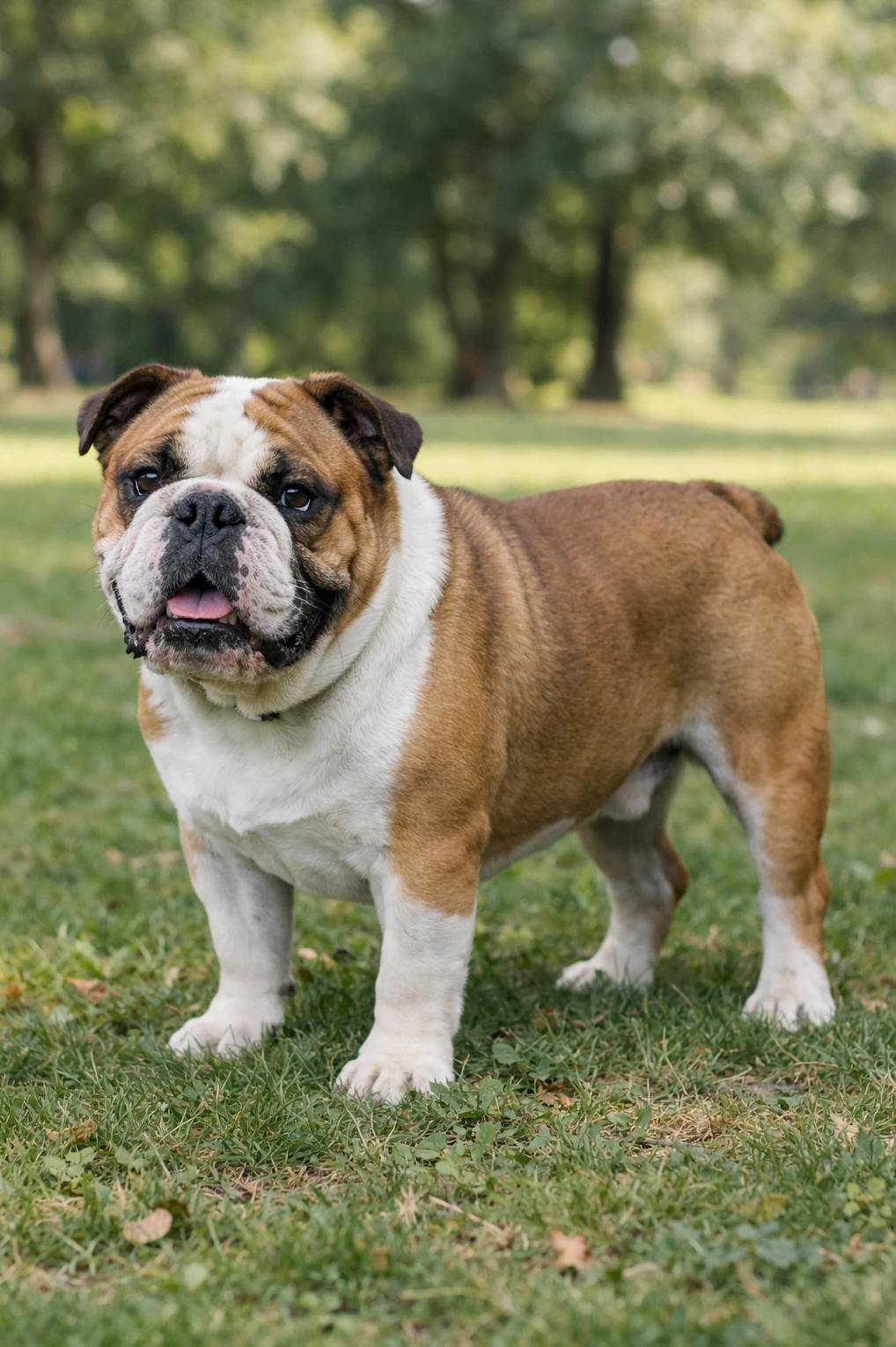
Compact and sturdy at 14 to 15 inches tall and about 50 pounds, the Bulldog is sociable, brave, and relaxed. Nutritional verdict: a balanced, portion-controlled diet supports healthy weight and joint wellness.
Understanding the Bulldog Metabolism and Energy Needs
With a compact, heavy-set body and a history as a bull-baiting dog turned household companion, this stocky, affectionate type has particular metabolic needs. Their muscular frame does best with high-quality animal protein to preserve lean tissue and support strength, especially because they tend to be less active than athletic breeds.
Moderate amounts of wholesome fats deliver concentrated energy and help maintain healthy skin and a glossy coat, which matters when skin folds can trap moisture and cause irritation. Carbohydrates should be kept sensible to prevent excess weight, while soluble fiber promotes fullness and steady digestion.
Joint-supporting nutrients like glucosamine and chondroitin protect cartilage in a solid, low-movement body. Omega-3 fatty acids and antioxidants help manage inflammation and support breathing and immune health. Smaller kibble pieces and paced feeding reduce gulping and mealtime stress, making nutrition both safer and more comfortable.
Managing Bulldog Genetic Health Risks Through Nutrition
Overheating / Heat Sensitivity
Helpful nutrients
Respiratory Stress / Brachycephalic Breathing Issues
Helpful nutrients
Obesity / Overweight
Helpful nutrients
Dehydration
Helpful nutrients
Bulldog Feeding & Calorie Calculator
Estimated Daily Calories
Tip: Start with this amount and adjust after 2–3 weeks based on your dog's body condition and weight trend.
This estimate provides a starting point for feeding. Individual calorie needs may vary depending on metabolism, body condition, and health status. Always monitor your dog's weight and consult your veterinarian when adjusting diet.
Foods and Ingredients to Avoid for Bulldog Dogs
Bulldogs are prone to gaining weight, so high-fat foods and rich table scraps can quickly push them into unhealthy territory.
Excess fat not only contributes to obesity, but it can also trigger pancreatitis, a painful condition that requires veterinary care.
Keeping calories and fat in check helps your Bulldog maintain a healthy weight, which eases pressure on their joints and respiratory system.
Choose lean proteins and measured treats to reward good behavior without extra risk.
Spicy foods can make a Bulldog pant more and become uncomfortable, which is risky for a brachycephalic dog that already struggles with heat and breathing.
High-sodium snacks increase thirst and can lead to dehydration, making it harder for them to regulate body temperature.
Avoid chips, spicy sauces, and processed deli items, and never leave salty snacks where your dog can reach them.
Fresh water and shade are better ways to keep your Bulldog happy and cool.
Big, hard chews and weighty bones can be hazardous for Bulldogs, who have short muzzles and a tendency to gulp or struggle with bulky items.
Hard chews can chip teeth or splinter, creating a choking or intestinal blockage risk that is harder to manage in a brachycephalic dog.
Opt for appropriately sized, softer chew options and always supervise chewing sessions to reduce the chance of gagging or airway compromise.
Sugary treats promote weight gain and dental problems, which are already concerns for many Bulldogs.
More importantly, xylitol, a sweetener found in some sugar-free gums and baked goods, is extremely toxic to dogs and can cause sudden low blood sugar and liver damage.
Keep sweets and anything labeled 'sugar-free' out of reach, and consult your vet immediately if you suspect ingestion of xylitol or any toxic sweetener.
Some Bulldogs show skin sensitivities or food reactions, so diets heavy in artificial preservatives, cheap fillers, or excessive low-quality grains can aggravate itching and digestive upset.
These ingredients also add calories without meaningful nutrition, which can worsen weight challenges.
Choose higher-quality formulas with clearly named ingredients and discuss potentials for food sensitivity with your veterinarian, especially if your Bulldog has flaky skin or frequent ear issues.
How Nutritional Needs Change Throughout the Bulldog Life Stages
Bulldogs have different nutritional needs at puppyhood, adulthood, and as seniors. Puppies need nutrients to support steady growth and skeletal development. Adults need balanced calories to maintain muscle and a healthy weight. Seniors often require fewer calories and extra joint and digestive support. These needs vary with a Bulldog's growth rate, activity level, and common health tendencies such as overheating, breathing limits, and a tendency toward weight gain.
| Life Stage | Age Range | Primary Objective | Key Nutrient Focus |
|---|---|---|---|
| Puppy | 0–12 months | controlled skeletal development, immune support, brain development | DHA, balanced calcium/phosphorus, high-quality protein |
| Adult | 1–7 years | lean muscle maintenance and sustained energy | high-quality protein, omega-3 fatty acids, fiber |
| Senior | 7+ years | joint mobility, metabolic health, and cognitive support | glucosamine, chondroitin, antioxidants, lower calories |
Bulldog puppies grow steadily through their first year, with most reaching adult size around 12 to 18 months. Their skeletal system needs controlled growth, so a diet balanced for calcium and phosphorus is important to support bone development without encouraging overly rapid weight gain. High quality protein fuels muscle formation, while DHA supports brain and eye development, and omega 3 and 6 fatty acids help keep skin healthy around facial folds.
Because Bulldogs are calm and somewhat low energy, avoid calorie-dense formulas that can lead to early obesity. Feed smaller, more frequent meals, typically three to four times daily for young puppies, which also helps brachycephalic pups breathe and eat more comfortably. Monitor weight closely and adjust portions to support slow, steady growth.
Adult Bulldogs need a diet that preserves lean muscle while preventing excess weight, because they are moderate, mostly calm companions. Aim for high quality animal-based protein to support muscle maintenance, with moderate fat for energy and essential fatty acids to keep the short, smooth coat and skin folds healthy. Balanced carbohydrates and fiber support steady digestion and help with weight control.
Because Bulldogs can overheat and have limited exercise tolerance, adjust calorie intake to match activity and avoid feeding large meals before play or walks. Include joint-support nutrients such as glucosamine and omega 3s if your vet recommends them, and monitor body condition regularly. Tailoring portion sizes and choosing a formula for medium, less active breeds helps keep energy steady and weight in a healthy range.
As Bulldogs age they often slow down, lose muscle mass, and may experience stiffer joints and more sensitive digestion. Metabolism typically declines so fewer calories are needed to avoid weight gain, while protein should remain high quality to preserve muscle. Joint-support ingredients like glucosamine, chondroitin, and omega 3 fatty acids help mobility, and antioxidants such as vitamin E and selenium support healthy cells and immune function.
Senior Bulldogs can also face dental and swallowing issues related to their skull shape, so softer, moistened food or smaller kibble may be easier to eat. Add gentle fiber and probiotics to help digestion, and watch water intake closely to prevent overheating and dehydration. Work with your vet to adjust portions and supplements based on mobility, weight, and any chronic conditions.
Kibble vs Fresh vs Raw for Bulldog
Different feeding models suit different lifestyles, activity levels, and health needs. For Bulldogs, their calm energy, flat faces, and tendency toward overheating and weight gain shape diet choices.
Pros
- Convenient and easy to portion for busy owners.
- Formulated options can help control weight and support joints.
- Crunch may help reduce tartar compared with soft diets.
- Shelf stable and simple to store.
Cons
- Low moisture content can worsen hydration, especially in hot weather.
- Very hard kibble can be difficult for flat faced Bulldogs to pick up.
- Some formulas contain fillers that contribute to weight gain.
- Less control over ingredient quality than homemade options.
Pros
- High moisture supports hydration, which helps Bulldogs stay cool.
- Often more palatable for picky Bulldogs.
- Easier to control ingredients and manage calories.
- Can avoid common allergens by choosing simple ingredients.
Cons
- Requires careful planning to ensure complete nutrition.
- More time consuming and usually more costly than kibble.
- Needs refrigeration and daily meal prep.
- Easy to overfeed if recipes are not calorie balanced.
Pros
- High protein and natural fats can support lean muscle.
- Many Bulldogs find raw food very palatable.
- High moisture content can aid hydration.
- Unprocessed ingredients appeal to owners seeking simpler options.
Cons
- Strict hygiene is essential to prevent bacterial contamination.
- Raw bones can present choking and tooth risks for flat faced dogs.
- Balancing vitamins and minerals often requires veterinary guidance.
- More expensive and logistically demanding than most kibble diets.
| Diet Type | Pros for Bulldog | Potential Downsides |
|---|---|---|
| High-Quality Kibble |
|
|
| Fresh Cooked Food |
|
|
| Raw Diet (BARF) |
|
|
Our Recommendation
For most Bulldogs, a high quality kibble formulated for weight control or a balanced fresh cooked diet tends to work best.
Raw feeding can suit experienced owners but needs strict hygiene, veterinary support, and careful portioning to avoid risks.
See Also
Breeds with similar group, size, and coat characteristics