Best Dog Food for Shiba Inu in 2026Based on Nutritional Science
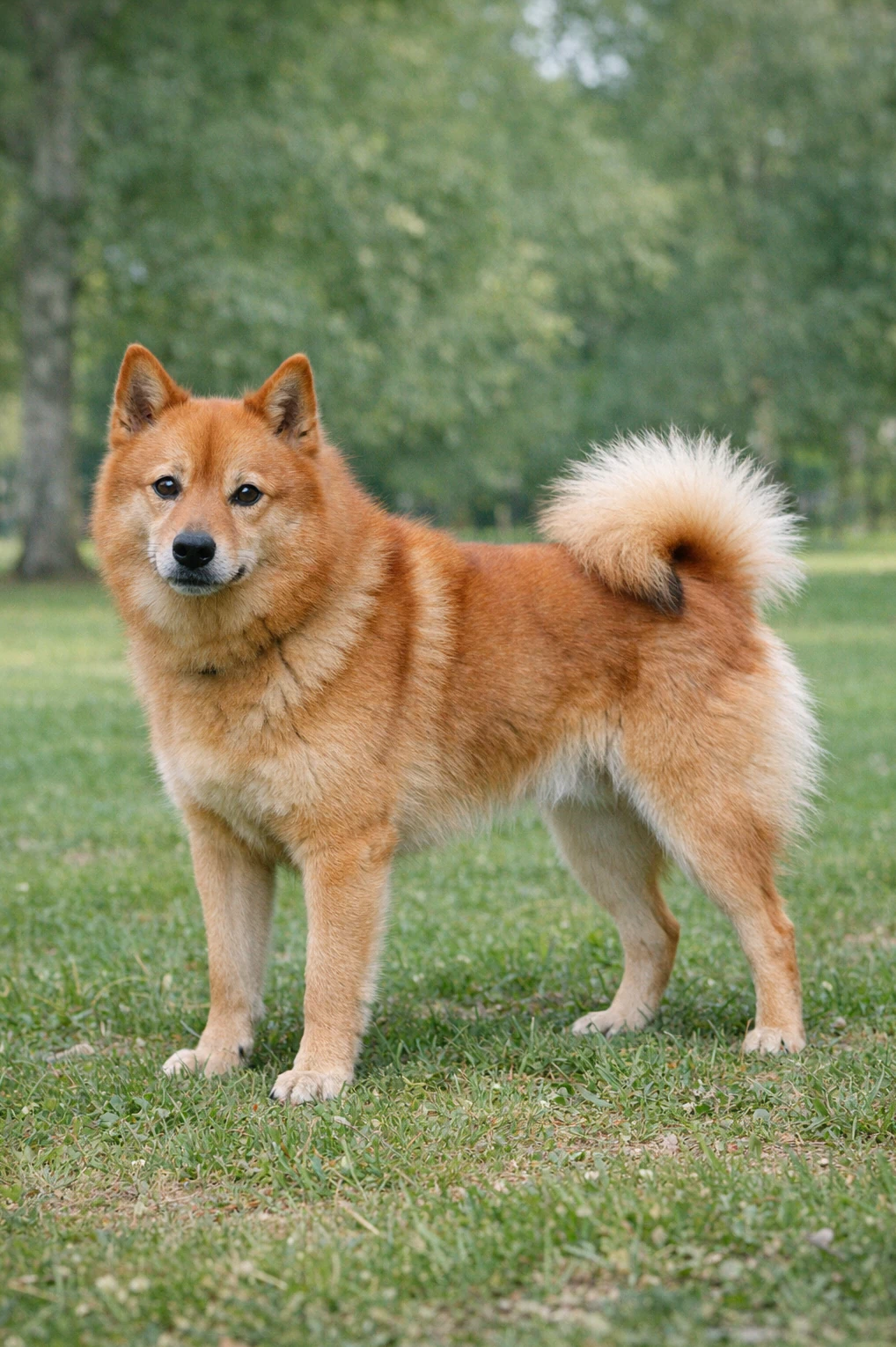
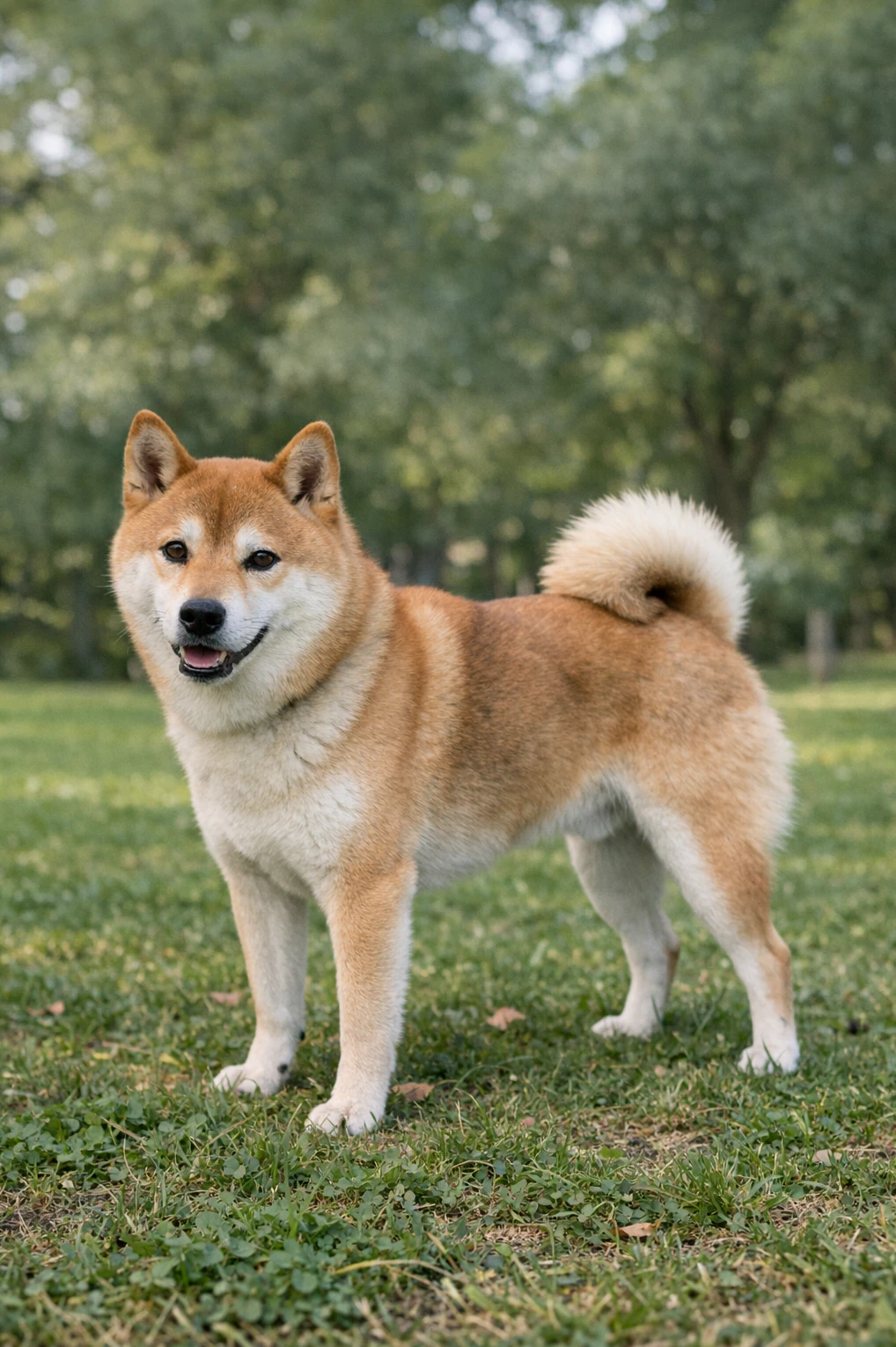
Compact and sturdy at about 14.5 to 16.5 inches and 23 pounds, this spirited, lively, observant companion thrives on a balanced, protein-rich diet to maintain lean muscle and steady energy. Nutritional verdict: tailored, high-quality meals.
Understanding the Shiba Inu Metabolism and Energy Needs
Shiba Inu ancestors were bred in rugged Japanese terrain to hunt small game and stay vigilant, so their bodies favor lean strength and quick bursts of energy. That history explains why daily nutrition that supports muscle maintenance and steady alertness matters more than heavy, slow-burning meals. A compact, spirited dog needs nutrient density rather than excess calories.
Higher quality protein helps preserve their musculature and supports a fast metabolism, so aim for a diet where protein is a leading component. Moderate fat gives concentrated energy and nourishes skin and coat, while controlled carbohydrates supply quick fuel without promoting weight gain. Soluble fiber and probiotics aid digestion, useful for dogs that can be sensitive to rich foods.
Omega-3s help coat shine and brain health, and glucosamine can support agility as they age. Regular portion control and occasional activity-matched treats keep weight in check and energy levels balanced.
Managing Shiba Inu Genetic Health Risks Through Nutrition
Hip Dysplasia
Helpful nutrients
Patellar Luxation
Helpful nutrients
Eye Disorders (Progressive Retinal Atrophy, Glaucoma)
Helpful nutrients
Allergies and Skin Issues
Helpful nutrients
Hypothyroidism
Helpful nutrients
Dental Disease
Helpful nutrients
Obesity
Helpful nutrients
Shiba Inu Feeding & Calorie Calculator
Estimated Daily Calories
Tip: Start with this amount and adjust after 2–3 weeks based on your dog's body condition and weight trend.
This estimate provides a starting point for feeding. Individual calorie needs may vary depending on metabolism, body condition, and health status. Always monitor your dog's weight and consult your veterinarian when adjusting diet.
Foods and Ingredients to Avoid for Shiba Inu Dogs
Shiba Inus are compact, active dogs that can quickly gain weight when fed rich, fatty table scraps or overly greasy commercial treats.
Excess dietary fat raises the risk of pancreatitis, a painful and potentially serious condition, and promotes unwanted weight that stresses joints and can worsen mobility.
Stick to lean proteins and measured portions, reserving higher-fat items only as rare, small treats so your 23-pound companion stays lean, energetic, and comfortable.
Foods in the allium family, including onions, garlic, chives, and leeks, can damage a dog’s red blood cells and cause hemolytic anemia even in relatively small amounts.
For a small-boned breed like the Shiba Inu, symptoms can show sooner and be more serious.
Avoid giving any dishes flavored with these ingredients, and be careful with leftovers and mixed foods where they might be hidden, to protect your dog’s energy levels and overall health.
Grapes, raisins, and currants are unpredictable toxins for dogs and can cause sudden and severe kidney failure.
Because small breeds like Shiba Inus have less body mass, toxic effects can appear at even lower amounts compared with larger dogs.
Even a little can make a small dog very ill.
Keep all forms of these fruits well out of reach, and be cautious with baked goods or trail mixes that might contain them as hidden ingredients.
Xylitol, a common artificial sweetener in sugar-free gum, candies, some peanut butters, and baked goods, causes a rapid insulin surge in dogs that leads to dangerous low blood sugar and can damage the liver.
Small dogs like Shiba Inus are especially vulnerable to quick drops in glucose.
Always check ingredient lists before offering human foods, and store sugar-free products securely so your curious companion cannot sample something that could be life-threatening.
Some grain-free diets that rely heavily on peas, lentils, or chickpeas have been associated with a higher risk of heart muscle problems in certain dogs.
While the science is still evolving, small breeds like Shiba Inus can be sensitive to imbalances that affect taurine and heart function.
Choose diets with a mix of high-quality grains or rotated protein sources, and consult your veterinarian before committing to a legume-rich, grain-free formula to support long-term cardiac health.
Cooked bones, and very hard chews like weighty raw bones or dense antlers, can splinter, fracture teeth, or cause choking and intestinal blockages.
A 23-pound Shiba Inu’s mouth and digestive tract are smaller, so the risk rises with oversized or brittle chews.
Opt for appropriately sized, veterinarian-approved chew options and supervise chewing sessions.
Safer alternatives help satisfy natural chewing instincts while protecting teeth and preventing painful emergency trips to the clinic.
How Nutritional Needs Change Throughout the Shiba Inu Life Stages
Puppyhood, adulthood, and senior years each bring different nutritional needs for dogs, and that is true for the Shiba Inu as well. Growth rate, daily activity level, and a breed's common health tendencies all influence the ideal balance of calories, protein, fats, and key nutrients. Adjusting food and portions for each stage helps your Shiba stay energetic, lean, and comfortable throughout life.
| Life Stage | Age Range | Primary Objective | Key Nutrient Focus |
|---|---|---|---|
| Puppy | 0–12 months | controlled skeletal development, immune support, brain development | DHA, balanced calcium/phosphorus, high-quality protein |
| Adult | 1–7 years | lean muscle maintenance and sustained energy | high-quality protein, omega-3 fatty acids, fiber |
| Senior | 7+ years | joint mobility, metabolic health, and cognitive support | glucosamine, chondroitin, antioxidants, lower calories |
Shiba Inu puppies grow relatively quickly early on, reaching most of their adult height by about nine to twelve months while filling out through the first year. During that rapid growth phase they need steady calories and the right balance of calcium and phosphorus to support healthy skeletal development, but not excessive calcium which can stress developing joints, especially in breeds prone to patellar luxation. Feed high quality protein and include DHA for brain and eye development, plus omega fatty acids and antioxidants for immune health.
Puppies do best with more frequent meals, about three to four small feedings a day until around six months, then gradually moving to two meals. Monitor body condition closely and adjust portions for this active, alert breed to avoid both underfeeding and excess weight.
As an adult, a Shiba Inu benefits from a diet that maintains lean muscle and steady energy for its alert, active lifestyle. Prioritize high quality proteins to preserve muscle mass, moderate fat for energy, and complex carbohydrates or fiber for steady digestion. Include omega fatty acids for a healthy double coat and antioxidants to support immune function.
Feed twice daily to help regulate energy levels and prevent grazing that can lead to extra pounds. Adjust portions based on activity, since a highly active Shiba will need more calories than a more sedentary companion. Regular weight checks help avoid obesity, which can stress joints these dogs may be prone to.
As Shiba Inus enter their senior years, metabolism and activity often slow, which can lead to weight gain if portions are not adjusted. Older dogs can also lose muscle mass and face stiffness in joints, so maintain high quality protein while slightly reducing overall calories if activity drops. Add joint support nutrients like glucosamine and omega-3 fatty acids to help mobility, and include antioxidants to protect cellular health.
Digestive sensitivity can become more noticeable, so easily digestible proteins and a bit more fiber may help regularity. Dental wear might make crunchy kibble harder, so consider softer options or moistening food. Regular veterinary checks help tailor calorie and supplement needs for your aging, attentive Shiba.
Kibble vs Fresh vs Raw for Shiba Inu
Different feeding models suit different lifestyles and energy needs. For an alert, active Shiba Inu, daily activity, grooming, and appetite shape the best choice.
Pros
- Convenient and easy to portion for busy owners.
- Consistent, complete nutrition in every bag.
- Helps support dental health through crunchy texture.
- Easy to use for weight control with measured portions.
Cons
- Lower moisture may not suit every active Shiba.
- Some formulas include fillers or low-quality ingredients.
- Picky Shibas might turn up their nose occasionally.
- Overfeeding can lead to weight gain in less active dogs.
Pros
- Highly palatable, good for picky or fussy eaters.
- High moisture content supports hydration and digestion.
- Full control over ingredients helps manage sensitivities.
- Fresh fats can support a healthy double coat.
Cons
- Requires careful planning to ensure complete nutrition.
- More time consuming and often pricier than kibble.
- Needs refrigeration and regular meal prep.
- Inconsistent recipes risk nutrient imbalances if not guided.
Pros
- Unprocessed proteins appeal to meat-focused Shibas.
- Some owners report shinier coats and more energy.
- Less processing preserves certain natural nutrients.
Cons
- Higher hygiene demands to avoid bacterial risks.
- Whole bones can be risky for smaller jaws.
- Requires veterinary guidance to ensure balanced nutrition.
- Time, cost, and storage make it a big commitment.
| Diet Type | Pros for Shiba Inu | Potential Downsides |
|---|---|---|
| High-Quality Kibble |
|
|
| Fresh Cooked Food |
|
|
| Raw Diet (BARF) |
|
|
Our Recommendation
For many Shiba Inu owners, a high-quality kibble provides practical, balanced nutrition with easy portion control.
Adding fresh cooked toppers or scheduled homemade meals can help picky or very active Shibas.
Raw feeding may work for committed owners, but it needs strict hygiene and veterinary planning.
See Also
Breeds with similar group, size, and coat characteristics