Best Dog Food for Tibetan Terrier in 2026Based on Nutritional Science
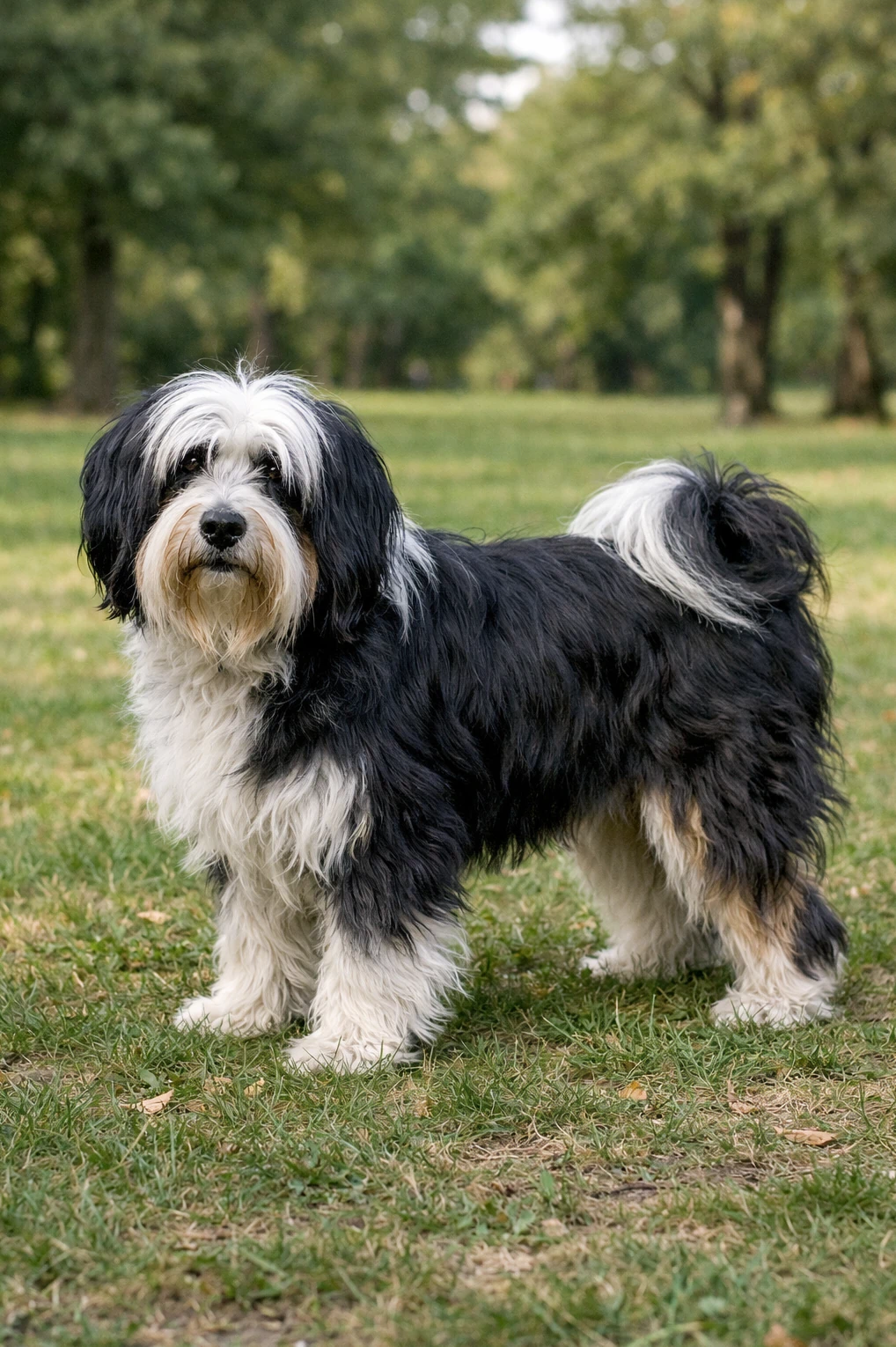
Compact, sturdy at 14 to 17 inches and 18 to 30 pounds, the Tibetan Terrier is devoted, cuddly, perceptive. Nutritional verdict: a quality, balanced diet with moderate portions supports energy and coat health.
Understanding the Tibetan Terrier Metabolism and Energy Needs
As a companion developed in mountain villages, this dog kept a compact, nimble build and a very tuned-in nature. That background favors a diet higher in quality protein, about 25 to 30 percent of calories, to preserve lean muscle and support quick, agile movement across uneven terrain. Protein from poultry, fish, or lamb is easily used for repair and steady energy during play.
A moderate fat level, around 15 to 20 percent, supplies concentrated calories for short bursts and helps maintain a long, glossy coat. Including omega-3 and omega-6 sources, such as fish oil or flaxseed, soothes skin and supports cognitive health, while modest complex carbohydrates and fiber provide steady blood sugar and digestive regularity.
Because these dogs respond to routine, consistent meals and slow transitions help prevent tummy upset and mood swings. Adding probiotics for gut balance, antioxidants for immune resilience, and joint-support nutrients like glucosamine can keep them active and devoted family members for years.
Managing Tibetan Terrier Genetic Health Risks Through Nutrition
Hip and Patella Issues
Helpful nutrients
Geriatric Heart Murmurs / Cardiac Health
Helpful nutrients
Cataracts & Eye Health
Helpful nutrients
Vestibular Disease (balance issues)
Helpful nutrients
Cancer (aging-related)
Helpful nutrients
Allergies (skin and coat)
Helpful nutrients
Thyroid Issues (hypothyroidism)
Helpful nutrients
Bladder Stones & Urinary Health
Helpful nutrients
Periodontal Disease (dental health)
Helpful nutrients
Tibetan Terrier Feeding & Calorie Calculator
Estimated Daily Calories
Tip: Start with this amount and adjust after 2–3 weeks based on your dog's body condition and weight trend.
This estimate provides a starting point for feeding. Individual calorie needs may vary depending on metabolism, body condition, and health status. Always monitor your dog's weight and consult your veterinarian when adjusting diet.
Foods and Ingredients to Avoid for Tibetan Terrier Dogs
Tibetan Terriers are naturally lean dogs and can gain weight quickly when offered fatty table scraps or very rich foods.
Excess dietary fat increases the risk of pancreatitis and rapid weight gain, which places extra stress on hips, patellas and a back that can already be vulnerable if joints are compromised.
Keep meals focused on lean proteins and measured portions, and avoid feeding fatty human leftovers to help protect joints and overall long-term health.
Because early spay and neuter can predispose some TTs to joint problems, it is important not to overfeed puppies or give high-calcium supplements unless directed by your vet.
Too many calories or excess calcium during bone growth can contribute to abnormal development of hips and patellas, increasing the risk of orthopedic trouble later in life.
Feed a balanced growth formula appropriate for your puppy's size and follow your breeder or vet on timing for neuter and nutritional adjustments.
Some grain-free diets that rely heavily on peas, lentils, chickpeas or large amounts of potatoes have been linked in some dogs to heart muscle changes.
Since older Tibetan Terriers can develop heart murmurs, it is wise to be cautious with diets that use pulses as primary protein or carbohydrate sources, unless the formula is vetted by veterinary nutritionists.
Choose complete diets with clear ingredient sources and talk to your veterinarian if you are considering grain-free options for a dog prone to cardiac issues.
Tibetan Terriers can be sensitive to ingredients that trigger skin or digestive reactions, so avoiding artificial preservatives, colors and strong flavorings can reduce the chance of itchy skin, ear problems or upset stomachs.
Ingredients such as BHA, BHT or unnecessary dyes are not needed in a simple, honest diet and may aggravate existing allergies or oral health issues.
Opt for foods with recognizable, limited ingredients and check for signs of sensitivities after diet changes.
Feeding raw bones or an unbalanced raw diet carries risks that may be particularly important for Tibetan Terriers, who can be prone to periodontal disease and dental fractures.
Bone splinters can injure the mouth or gut, and raw meats can carry bacteria that cause gastrointestinal illness, which is harder to manage in a smaller dog.
If you are considering raw feeding, consult a veterinary nutritionist and take steps to reduce bacterial risk and avoid hard items that can crack teeth.
Small breeds like Tibetan Terriers are especially vulnerable to tiny amounts of toxins, so foods such as chocolate, xylitol-sweetened products, grapes, raisins and onions should never be offered.
These items can cause life-threatening problems like hypoglycemia, liver failure or gastrointestinal distress, and a single small treat may be dangerous for a dog of this size.
Keep toxic foods out of reach, read ingredient labels carefully, and contact your veterinarian immediately if accidental ingestion occurs.
How Nutritional Needs Change Throughout the Tibetan Terrier Life Stages
Dogs need different nutrition at puppyhood, adulthood, and in their senior years, and Tibetan Terriers are no exception. Their growth rate, activity level, and breed health tendencies all shape what they need at each stage. Medium size, a double coat, and a tendency toward certain joint and eye conditions mean diet choices can support safe growth, steady energy, and healthy aging for this loyal, affectionate companion.
| Life Stage | Age Range | Primary Objective | Key Nutrient Focus |
|---|---|---|---|
| Puppy | 0–12 months | controlled skeletal development, immune support, brain development | DHA, balanced calcium/phosphorus, high-quality protein |
| Adult | 1–7 years | lean muscle maintenance and sustained energy | high-quality protein, omega-3 fatty acids, fiber |
| Senior | 7+ years | joint mobility, metabolic health, and cognitive support | glucosamine, chondroitin, antioxidants, lower calories |
Tibetan Terrier puppies grow steadily over their first year and a half, with skeletal and joint development needing careful attention. As a medium, moderate growth rate breed, they benefit from diets that avoid excessive calories and calcium that can push too-rapid bone growth. High quality protein and controlled energy levels support lean muscle while DHA helps brain and coat development.
Feed small, frequent meals at first, three to four times daily, moving to two meals by about a year to fourteen months depending on growth. Because early spay or neuter can raise joint risk, include joint-friendly nutrients such as glucosamine and chondroitin or choose formulas designed for bone and joint health. Monitor weight closely and work with your vet for breed-specific growth guidance.
As adults Tibetan Terriers need balanced nutrition to maintain lean muscle, steady energy, and their glossy double coat. Aim for a diet with high quality animal protein, moderate fat for energy, and digestible carbohydrates to avoid unnecessary weight gain. Omega-3 and omega-6 fatty acids support skin and coat health and help keep inflammation low, which is helpful if there are early joint concerns.
Daily activity, such as walks, play, and grooming sessions, affects calorie needs, so adjust portions to keep them trim and active. Regular dental care and attention to signs of allergies or thyroid imbalance supports long-term health. Work with your vet on a feeding plan that matches your TT's lifestyle, exercise level, and any breed-specific health screens or dietary sensitivities.
As seniors Tibetan Terriers often show a slower metabolism, changed digestion, and reduced activity, so calorie needs usually fall. Keep protein high quality to preserve muscle mass, while trimming overall calories to prevent weight gain that stresses joints. Include joint-support nutrients like glucosamine, chondroitin, and omega-3 fatty acids to help mobility, and consider more digestible formulas with added fiber for steady digestion.
Antioxidants, such as vitamin E and carotenoids, support immune health and may help with age-related concerns like cataracts and general cellular health. Watch for signs of heart murmurs, dental disease, or changes in balance that could suggest vestibular problems or other issues. Work with your vet to adjust portions, try joint-friendly supplements if recommended, and keep routine screenings to catch problems early in this affectionate, sensitive breed.
Kibble vs Fresh vs Raw for Tibetan Terrier
Different feeding models suit different lifestyles and health needs. For Tibetan Terriers, their small-to-medium size, sensitive nature, moderate activity, and breed-specific health tendencies guide the best choices.
Pros
- Convenient and easy to portion for busy households.
- Many formulas include joint support for dogs prone to joint issues.
- Crunching can help reduce tartar, aiding dental health.
- Consistent nutrient balance without daily meal planning.
Cons
- Lower moisture content may stress urinary health in predisposed dogs.
- Some brands use fillers or additives that irritate sensitive stomachs.
- Calorie-dense options risk weight gain in less active TTs.
- Less direct control over ingredient sourcing and quality.
Pros
- High moisture supports urinary and digestive health.
- Easier to tailor recipes for food sensitivities and thyroid concerns.
- Very palatable for picky or affectionate Tibetan Terriers.
- You can include omega fats and other joint-supporting ingredients.
Cons
- Requires careful formulation to ensure complete nutrition.
- Meal prep and refrigeration add daily time and cost.
- Higher ongoing expense compared with most kibbles.
- Improper cooking or storage still carries food safety risks.
Pros
- High-quality protein may improve coat condition and energy.
- Appeals to owners seeking minimally processed feeding approaches.
- Allows selection of novel proteins for dogs with allergies.
- Often results in smaller stools for some dogs.
Cons
- Higher bacterial contamination risk without strict hygiene.
- Bones can pose choking or dental hazards for this size range.
- Requires careful balancing to avoid nutrient deficiencies.
- Unbalanced raw diets may complicate health issues in sensitive breeds.
| Diet Type | Pros for Tibetan Terrier | Potential Downsides |
|---|---|---|
| High-Quality Kibble |
|
|
| Fresh Cooked Food |
|
|
| Raw Diet (BARF) |
|
|
Our Recommendation
For most Tibetan Terriers, a high-quality kibble tailored for small to medium breeds with joint support is a reliable foundation.
Owners who can commit to planning and vet guidance often find fresh cooked diets helpful for sensitivities, while raw feeding requires experienced handling and veterinary oversight.
See Also
Breeds with similar group, size, and coat characteristics