Best Dog Food for Finnish Spitz in 2026Based on Nutritional Science
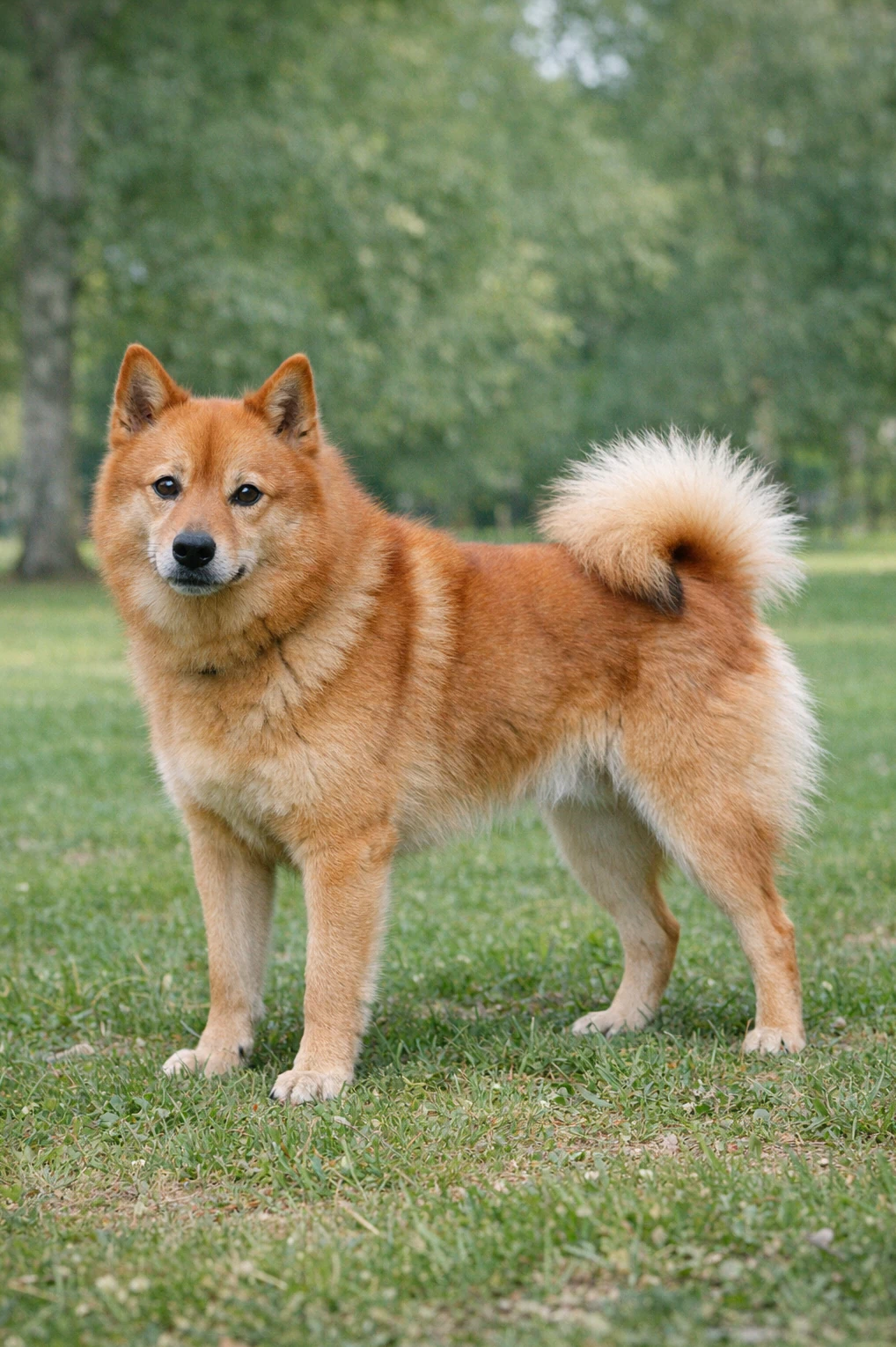
Male Finnish Spitzes stand about 17.5-20 inches and weigh 25-33 pounds. Affectionate, energetic and outgoing, they benefit from a balanced, protein-rich diet with moderate fats for steady endurance. Nutritional Verdict: tailored, wholesome eats.
Understanding the Finnish Spitz Metabolism and Energy Needs
Rooted in northern hunting work where stamina, watchfulness and strong pack bonds mattered, this compact, fox-faced companion needs food that supports active days and a dense, protective coat. Their disposition mixes spirited play with friendly sociability, so meals should fuel short bursts of activity and maintain skin and fur condition.
Higher quality protein preserves lean muscle after energetic outings, with fish, poultry and eggs providing the amino acids needed for repair. Moderate, digestible fats offer sustained calories and help keep the double coat insulating, while complex carbohydrates like sweet potato or barley deliver steady fuel for play without sudden crashes.
Omega-3s and vitamin E nourish skin and shine, and joint-support ingredients can protect mobility as they age. Slightly increasing calories in cold months and adjusting portions to activity level helps this type of dog stay fit, happy and healthy.
Managing Finnish Spitz Genetic Health Risks Through Nutrition
Patellar Luxation (patella)
Helpful nutrients
Elbow Dysplasia
Helpful nutrients
Hip Dysplasia
Helpful nutrients
Eye Problems
Helpful nutrients
Obesity
Helpful nutrients
Growth-related Joint Stress in Puppies
Helpful nutrients
Finnish Spitz Feeding & Calorie Calculator
Estimated Daily Calories
Tip: Start with this amount and adjust after 2–3 weeks based on your dog's body condition and weight trend.
This estimate provides a starting point for feeding. Individual calorie needs may vary depending on metabolism, body condition, and health status. Always monitor your dog's weight and consult your veterinarian when adjusting diet.
Foods and Ingredients to Avoid for Finnish Spitz Dogs
Finnish Spitz have an efficient metabolism that can quickly turn extra calories into unwanted weight, so high-fat foods and greasy table scraps are best avoided.
Regular exposure to fatty meats, fried foods, or rich sauces can lead to rapid weight gain and place extra stress on joints and the spine.
Keeping their diet focused on moderate calories and lean proteins helps maintain a healthy weight and energy level without risking obesity or related problems.
Cooked bones splinter easily and can cause choking, mouth injuries, or intestinal punctures in a medium-sized dog like the Finnish Spitz.
Even small bones from poultry or fish can lodge in the throat or cause painful blockages that require emergency care.
Avoid giving any cooked bones, and if you want to offer a chew, choose vet-approved, size-appropriate options that are designed to be safe and digestible for a 25 to 33 pound dog.
Because this breed gains weight readily, treats and human food should be used sparingly, especially during training when rewards can add up fast.
Frequent table scraps not only increase calorie intake but may also introduce high-fat or high-sodium ingredients that upset digestion or encourage begging.
Reserve treats for training and choose low-calorie, healthy options, adjusting meal portions to keep overall daily calories appropriate for their active but efficient metabolism.
Puppies should not receive excess calcium or supplements meant to speed growth, since abnormal growth rates can strain developing joints and bones.
Although Finnish Spitz are a medium breed, their breeders advise careful management of exercise and nutrition while they mature, so avoid diets or add-ons that promote too-rapid weight gain.
Work with your breeder and veterinarian to choose a balanced puppy diet that supports steady, healthy growth without unnecessary extras that could harm hips or elbows.
Diets that rely heavily on peas, lentils, or other legumes as main protein or carbohydrate sources have been linked to heart issues in some dogs, so approach grain-free foods with caution.
For a breed that is generally healthy but sensitive to overfeeding, selecting a formula with diverse, named protein sources and balanced nutrition is safer.
Discuss diet choices with your vet and prioritize foods that meet AAFCO standards and provide clear ingredient sourcing rather than novel, legume-dominant recipes.
Certain human foods are toxic to dogs and can cause serious harm even in modest amounts, so keep items like xylitol, chocolate, grapes, raisins, onions, and garlic well out of reach.
A 25 to 33 pound Finnish Spitz can be affected by smaller doses than a large dog, making vigilance important.
If accidental ingestion occurs, contact your veterinarian or an emergency poison hotline right away, because quick action often makes a big difference in outcome.
How Nutritional Needs Change Throughout the Finnish Spitz Life Stages
Finnish Spitz have different nutritional requirements as they move from puppyhood to adulthood and into their senior years. Growth rate, lively activity level, and breed-specific health tendencies influence calorie needs, protein and fat proportions, feeding frequency, and supplements, so feeding should adapt at each life stage to support skeletal development, energy, and long-term wellbeing.
| Life Stage | Age Range | Primary Objective | Key Nutrient Focus |
|---|---|---|---|
| Puppy | 0–12 months | controlled skeletal development, immune support, brain development | DHA, balanced calcium/phosphorus, high-quality protein |
| Adult | 1–7 years | lean muscle maintenance and sustained energy | high-quality protein, omega-3 fatty acids, fiber |
| Senior | 7+ years | joint mobility, metabolic health, and cognitive support | glucosamine, chondroitin, antioxidants, lower calories |
Finnish Spitz puppies grow steadily into a medium, lively dog, and their skeletons need steady, controlled development to avoid stress on joints. Because they are active, their calorie needs are higher than a sedentary dog, but rapid weight gain should be avoided and breeders often recommend limiting vigorous exercise while the skeleton matures.
Feed smaller, frequent meals (three to four times daily) with a puppy formula for medium breeds that provides high quality animal protein, balanced fats, and the right calcium to phosphorus ratio. Include omega-3s for brain and coat, and talk with your breeder and veterinarian about the timing of spay or neuter, since Finnish Spitz may mature later than some breeds.
Adult Finnish Spitz are lively and benefit from a diet that supports steady energy and lean muscle, matching their moderate to high activity level. Aim for good quality protein to maintain muscle, moderate fat for energy, and carbohydrates or fiber that support digestion and steady blood sugar.
Portion sizes should be adjusted to daily activity, increasing on busy exercise days and reducing on quiet days, while omega fatty acids help keep the double coat healthy. Regular weight checks and an annual nutritional review with your veterinarian will help keep your dog in a fit, happy condition.
As Finnish Spitz enter their senior years, metabolism often slows and activity may decline, so daily calorie needs commonly decrease while protein needs remain important to preserve muscle. Aging can also affect digestion and mobility, so switching to slightly fewer calories while keeping high quality, easily digestible protein helps maintain weight and muscle mass.
Support joint health with glucosamine, chondroitin, and omega-3 fatty acids, and include antioxidants like vitamin E and polyphenol-rich ingredients to support cellular health. Choose increased fiber for digestive regularity, ensure dental care and hydration are good, and check weight and stiffness regularly so dietary changes can be made early.
Kibble vs Fresh vs Raw for Finnish Spitz
Different feeding models suit different lifestyles and activity levels. For a lively, medium-sized Finnish Spitz, consider energy needs, coat health, and growth-stage care when choosing a diet.
Pros
- Convenient and easy to portion for busy owners.
- Consistent nutrition that supports an active, lively dog.
- Helps reduce tartar buildup through chewing.
- Many formulas include omega fatty acids to support a healthy double coat.
Cons
- Can be calorie-dense, risking weight gain if overfed.
- Lower moisture content may not suit dogs needing extra hydration.
- Some brands use fillers or lower-quality ingredients.
- Hard to tailor precisely for growing puppies who must avoid vigorous exercise.
Pros
- Highly palatable, often more appealing to picky eaters.
- High moisture content supports hydration and digestion.
- Allows precise control over ingredient quality and protein sources.
- Easier to adjust calories for an active, lively Finnish Spitz.
Cons
- More time consuming and typically more expensive than kibble.
- Requires careful planning to ensure complete, balanced nutrition.
- Needs refrigeration and regular meal prep for freshness.
- Risk of vitamin or mineral imbalance without professional guidance.
Pros
- High-quality proteins can match ancestral diets and support energy.
- Some owners report shinier coats and cleaner teeth.
- Minimal processing preserves many natural nutrients.
- Can be customized to match activity levels and protein needs.
Cons
- Higher bacterial contamination risk without strict hygiene practices.
- Requires careful balancing to avoid nutrient deficiencies or excesses.
- Whole bones can pose choking or dental risks if not sized properly.
- Not recommended without veterinary guidance, especially for puppies or vulnerable households.
| Diet Type | Pros for Finnish Spitz | Potential Downsides |
|---|---|---|
| High-Quality Kibble |
|
|
| Fresh Cooked Food |
|
|
| Raw Diet (BARF) |
|
|
Our Recommendation
For most Finnish Spitz owners, high-quality kibble provides balanced nutrition with convenience for an active lifestyle.
Fresh cooked meals work well for picky dogs or owners wanting tight ingredient control, while raw diets need careful veterinary oversight and strict hygiene.
See Also
Breeds with similar group, size, and coat characteristics