Best Dog Food for Keeshond in 2026Based on Nutritional Science
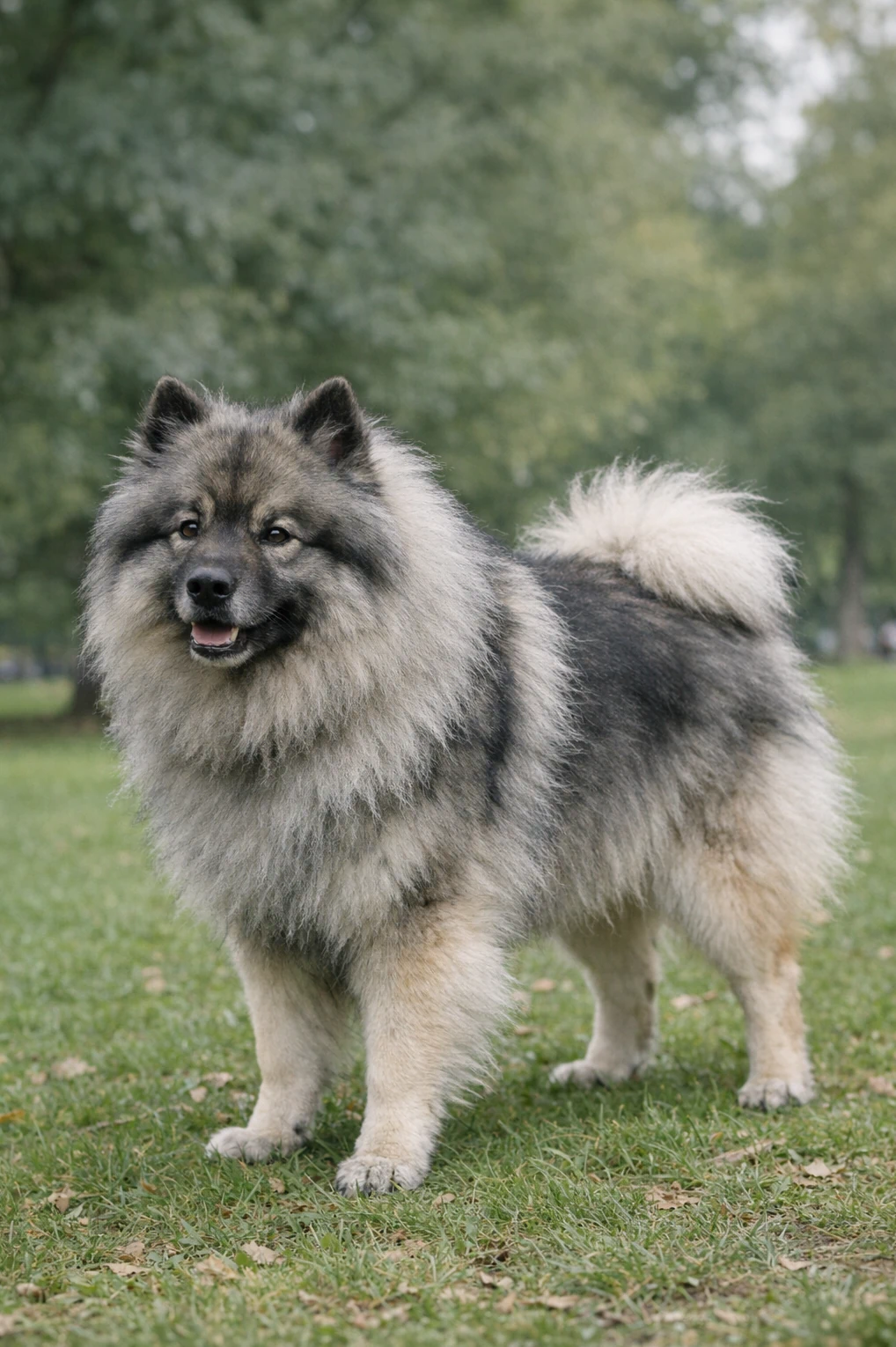
Compact yet sturdy at about 18 inches tall and 35-45 pounds, the Keeshond is affectionate, spirited, and very sociable. Nutritional verdict: balanced, moderate-calorie meals with quality protein support their energy and coat.
Understanding the Keeshond Metabolism and Energy Needs
As a compact, sociable barge companion with a spirited temperament, this dog needs a diet that supports steady activity and a dense double coat. Its sociable disposition brings lots of company and short bursts of play rather than long endurance, so calories should fuel lively moments while avoiding excess that can lead to weight gain.
Quality animal protein is essential to maintain lean muscle and steady metabolism, while moderate, healthy fats provide concentrated energy and help keep the thick coat glossy and resilient. Omega-3 and omega-6 fatty acids support skin and fur health, and joint-support nutrients like glucosamine can be beneficial for a medium-sized, playful dog.
Slow-release carbohydrates and fiber promote stable blood sugar and good digestion, and portion control with enrichment feeding fits this temperament well. Consult your veterinarian to tailor exact macronutrient targets for age, size, and activity.
Managing Keeshond Genetic Health Risks Through Nutrition
Hip and Elbow Dysplasia
Helpful nutrients
Patellar Luxation
Helpful nutrients
Eye Conditions (CERF-related)
Helpful nutrients
Primary Hyperparathyroidism
Helpful nutrients
Obesity / Weight Gain
Helpful nutrients
Keeshond Feeding & Calorie Calculator
Estimated Daily Calories
Tip: Start with this amount and adjust after 2–3 weeks based on your dog's body condition and weight trend.
This estimate provides a starting point for feeding. Individual calorie needs may vary depending on metabolism, body condition, and health status. Always monitor your dog's weight and consult your veterinarian when adjusting diet.
Foods and Ingredients to Avoid for Keeshond Dogs
Keeshonden can be prone to carrying extra weight, and high-fat foods from table scraps, fatty cuts of meat, or fried human foods add calories fast.
Excess body weight stresses their hips and elbows, places extra strain on joints, and can contribute to conditions breeders screen for, such as dysplasia.
High fat can also trigger pancreatitis in sensitive dogs, so stick to lean proteins and a measured treat plan to keep your Kees fit and comfortable.
Keeshonden generally do well on a lower carbohydrate, fish-forward diet, so very starchy or sugary foods can lead to unwanted weight gain and energy swings.
Foods like bread, pastries, large portions of rice or potatoes, and sugary snacks offer little nutritional value and can make portion control harder.
Extra pounds increase stress on the spine and joints, so choose balanced kibble or home-prepared meals guided by your vet, and reserve small, appropriate treats for training.
Because Kees may show skin sensitivities, ingredients like artificial colors and preservatives such as BHA, BHT, or ethoxyquin can sometimes irritate skin or upset digestion.
Over time these additives may exacerbate itchiness, dull the coat, or trigger mild stomach issues in sensitive dogs.
Opt for high-quality diets that use natural preservation methods and minimal artificial additives, and introduce new foods slowly so you can spot any skin or digestive reactions early and discuss them with your veterinarian.
Allium family foods, including onions, garlic, leeks, and chives, are toxic to dogs and can damage red blood cells, leading to hemolytic anemia.
Toxicity can occur from raw, cooked, or powdered forms, and even small amounts given repeatedly can add up over time.
Avoid sharing meals seasoned with these ingredients, and be cautious with soups, sauces, and prepackaged foods that may contain onion or garlic powder, especially if your Kees shows any signs of lethargy or pale gums.
Xylitol, commonly found in sugar-free gum, some peanut butters, baked goods, and dental products, is extremely dangerous for dogs and can cause rapid hypoglycemia, seizures, and liver failure.
Symptoms can appear quickly after ingestion, so any exposure is an emergency.
Check ingredient labels carefully before offering human foods or treats, and store products containing xylitol well out of reach to protect your Kees from a life-threatening reaction.
Cooked bones can splinter and puncture or obstruct the digestive tract, while raw bones carry bacterial risks and can still cause dental fractures or blockages.
Large fatty chunks of meat can trigger pancreatitis, which is painful and potentially serious.
If you want to offer chew items, choose veterinarian-approved, size-appropriate chews and supervise your dog.
For home-prepared diets that include bones or high-fat cuts, work closely with your veterinarian to ensure safety and balanced nutrition.
How Nutritional Needs Change Throughout the Keeshond Life Stages
Dogs need different nutrients at each life stage, so feeding should change from puppyhood to adulthood and then to senior years. A Keeshond's needs depend on its breed growth rate, lively activity level, and any health tendencies such as orthopedic or endocrine issues, so tailored portions and nutrient balance help support healthy bones, muscle, and a thick double coat.
| Life Stage | Age Range | Primary Objective | Key Nutrient Focus |
|---|---|---|---|
| Puppy | 0–12 months | controlled skeletal development, immune support, brain development | DHA, balanced calcium/phosphorus, high-quality protein |
| Adult | 1–7 years | lean muscle maintenance and sustained energy | high-quality protein, omega-3 fatty acids, fiber |
| Senior | 7+ years | joint mobility, metabolic health, and cognitive support | glucosamine, chondroitin, antioxidants, lower calories |
Keeshond puppies are medium sized and grow steadily, usually reaching most of their adult height by about a year and filling out over the next several months. During this rapid growth phase their skeletal development needs careful support, with controlled calcium and phosphorus to promote strong bones without overloading the system.
Feed puppies multiple small meals a day, typically three to four, to supply steady energy and avoid stomach overload. Focus on high quality protein for muscle, DHA for brain and vision, and omega fatty acids for a healthy double coat, and discuss any breeder health screening results with your veterinarian to tailor calorie and mineral levels for this breed.
Adult Keeshonden are lively and outgoing, so a diet that maintains lean muscle and steady energy is ideal. Aim for balanced protein and moderate fat levels from wholesome sources, paired with complex carbohydrates and fiber to support consistent energy and digestive health.
Portion control is important to keep a Kees at a healthy 35 to 45 pound range, which reduces joint strain and keeps the coat looking its best. Match feeding amounts to activity level and life circumstances, for example neuter status or a very active family lifestyle, and consider twice daily meals to provide routine and help with weight management.
As Keeshonden age they often experience slower metabolism, shifts in body composition, and sometimes stiffer joints or dental changes that affect eating. Senior diets should emphasize easily digestible protein to preserve muscle, and may need fewer calories if activity drops to prevent weight gain.
Support for mobility is key given the breed's screening history for hip, elbow, and patellar concerns; include joint-support nutrients like glucosamine, chondroitin, and omega-3 fatty acids. Antioxidants and nutrients that support eye and immune health can help aging tissues, and softer or moistened food can ease dental or digestive issues, so work with your vet to adjust calories and nutrient priorities as your Kees ages.
Kibble vs Fresh vs Raw for Keeshond
No single feeding model fits every Keeshond. Different approaches match their lively energy, dense coat needs, and your daily routine.
Pros
- Convenient and easy to portion for busy owners.
- Balanced nutrition in every serving supports energy and longevity.
- Many formulas include omega fatty acids to support Keeshond's dense coat.
- Dry texture can help reduce tartar buildup.
Cons
- Lower moisture content may not suit all dogs.
- Some brands contain fillers or artificial additives.
- Calorie-dense formulas can lead to weight gain without portion control.
- May be less appealing for picky eaters.
Pros
- Highly palatable, great for picky Keeshonden.
- High moisture supports healthy digestion and hydration.
- You control ingredient quality, good for coat and skin.
- Easily adjusted for activity level or weight management.
Cons
- More time intensive than kibble, requiring regular meal prep.
- Cost can be higher depending on ingredients.
- Needs careful balancing to meet all nutrient requirements.
- Requires refrigeration and planning for busy days.
Pros
- High-quality proteins may support energy and lean muscle.
- Some Keeshonden show shinier coats and more energy.
- Less processing preserves natural nutrients.
Cons
- Strict hygiene required to prevent bacterial contamination.
- Whole bones can pose hazards if not selected for Keeshond size.
- Can be expensive and time consuming to balance correctly.
- Requires veterinary guidance and regular monitoring.
| Diet Type | Pros for Keeshond | Potential Downsides |
|---|---|---|
| High-Quality Kibble |
|
|
| Fresh Cooked Food |
|
|
| Raw Diet (BARF) |
|
|
Our Recommendation
For most Keeshonden, a high-quality kibble offers a balanced, convenient baseline that suits busy families.
Fresh cooked meals work well for owners who want full control, while raw diets need veterinary guidance and strict hygiene if chosen.
See Also
Breeds with similar group, size, and coat characteristics