Best Dog Food for Chow Chow in 2026Based on Nutritional Science
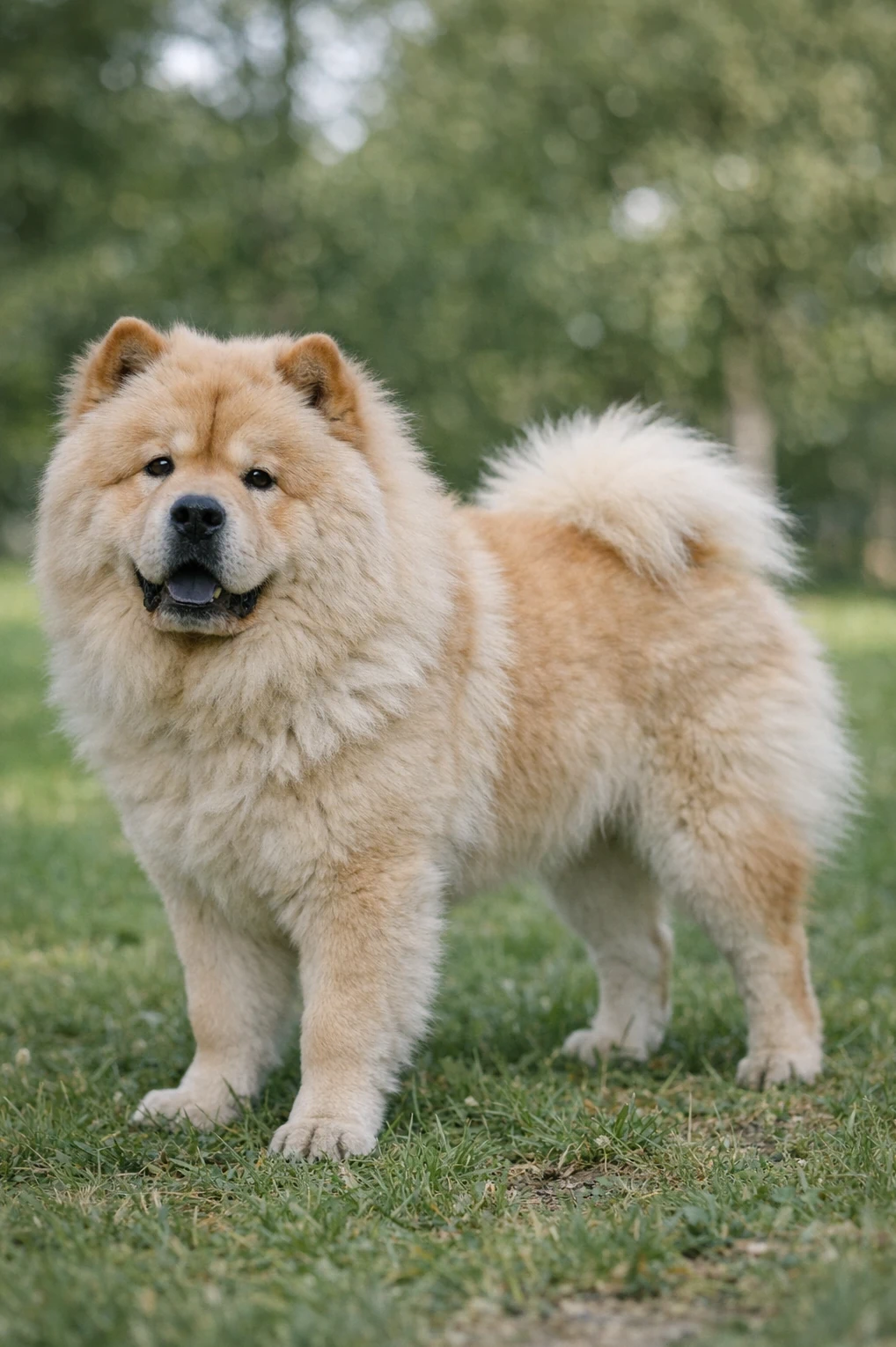
Compact yet sturdy at 17 to 20 inches and 45 to 70 pounds, Chow Chow is regal, clever, and quietly earnest. Nutritional verdict: quality protein and controlled calories support lean muscle and a healthy coat.
Understanding the Chow Chow Metabolism and Energy Needs
The Chow Chow’s history as a compact, ancient working companion helps explain its current needs. These dogs are regal, clever, and quietly focused, so they do best on steady, nutrient-dense meals that preserve lean mass and steady energy. Good quality animal protein supports muscle, immune health, and the dense musculature under that impressive coat.
Aim for protein to make up a significant portion of calories, roughly a quarter to a third, from sources like chicken, lamb, or fish. Moderate healthy fats, around a mid-teens percentage, provide concentrated energy and support skin and coat health; omega-3 oils help keep the thick double coat supple. Carbohydrates should be moderate and slow-burning, with fiber for digestion, to avoid unnecessary weight gain in less active dogs. Joint-support nutrients such as glucosamine and antioxidants like vitamin E are helpful for a sturdy, large-headed dog prone to joint and skin sensitivities.
Managing Chow Chow Genetic Health Risks Through Nutrition
Joint Problems (hip dysplasia, elbow dysplasia, patellar luxation)
Helpful nutrients
Eye Conditions (entropion, cataracts)
Helpful nutrients
Hypothyroidism
Helpful nutrients
Skin Allergies and Dermatitis
Helpful nutrients
Obesity and Weight Management
Helpful nutrients
Gastric Dilatation-Volvulus (bloat) risk
Helpful nutrients
Heat sensitivity due to thick coat
Helpful nutrients
Chow Chow Feeding & Calorie Calculator
Estimated Daily Calories
Tip: Start with this amount and adjust after 2–3 weeks based on your dog's body condition and weight trend.
This estimate provides a starting point for feeding. Individual calorie needs may vary depending on metabolism, body condition, and health status. Always monitor your dog's weight and consult your veterinarian when adjusting diet.
Foods and Ingredients to Avoid for Chow Chow Dogs
Chow Chows tend to be stocky and are prone to carrying extra weight, so feeding high-fat foods or fatty table scraps can cause rapid weight gain.
Excess weight increases stress on their hips and joints, which is a common concern for this breed.
High-fat meals can also trigger pancreatitis, a painful inflammation of the pancreas.
Stick to lean proteins and controlled portions to help maintain a healthy weight and protect joint and digestive health.
Foods high in simple sugars or empty calories, like many commercial treats and human snacks, can contribute to obesity and poor body condition in Chow Chows.
This breed can have a slower metabolism and sometimes thyroid sensitivity, so extra calories add up quickly.
Keeping carbohydrate sources complex and portion sizes measured will help prevent unwanted weight gain and reduce strain on joints and organs.
Focus on nutrient-dense meals and limit calorie-rich extras.
Chow Chows are often prone to skin sensitivities and allergic reactions, so ingredients like artificial colors, flavors, and preservatives can aggravate itching and inflammation.
Common protein and grain allergens such as beef, dairy, or wheat may also trigger skin or digestive issues in sensitive dogs.
Choosing limited-ingredient or hypoallergenic diets when needed, and avoiding unnecessary additives, helps keep the coat healthy and reduces flare-ups.
Always discuss suspected allergies with your veterinarian before switching diets.
Some grain-free diets rely heavily on peas, lentils, and potatoes as main ingredients, which have in some cases been connected to heart concerns in dogs.
While the research is still evolving, Chow Chows already face breed-related health concerns, so it is wise to be cautious about diets that swap grains for large amounts of legumes or potatoes.
Opt for balanced formulas that include a range of carbohydrate sources and speak with your vet to choose a diet that supports heart and overall health.
Large and stocky breeds like the Chow Chow need steady, controlled growth to develop healthy bones and joints.
Puppy foods with excessive calcium or formulas designed to accelerate growth can contribute to abnormal bone development and joint problems later in life.
Feed a reputable large-breed puppy formula in appropriate amounts and avoid extra mineral supplements unless recommended by your veterinarian.
Slow, steady growth helps protect hips and elbows as they mature.
Certain human foods are directly toxic to dogs and should never be offered to a Chow Chow.
Onions, garlic, grapes, raisins, chocolate, xylitol, and alcohol can cause serious illness, and even small amounts of these items may be dangerous for some dogs.
Also avoid giving cooked bones that can splinter and high-sodium snacks that stress the heart and kidneys.
Keep human treats out of reach and offer safe, dog-formulated chews and snacks instead.
How Nutritional Needs Change Throughout the Chow Chow Life Stages
Dogs need different nutrition as they move from curious puppies to steady adults and gentle seniors. Chow Chows in particular have large frames and a steady, moderate activity level, so their feeding needs change with growth rate, energy use, and predispositions to joint and endocrine issues. Tailoring diets for each life stage helps support skeletal health, healthy coat, and long-term wellbeing.
| Life Stage | Age Range | Primary Objective | Key Nutrient Focus |
|---|---|---|---|
| Puppy | 0–15 months | controlled skeletal development, immune support, brain development | DHA, balanced calcium/phosphorus, high-quality protein |
| Adult | 1.5–6 years | lean muscle maintenance and sustained energy | high-quality protein, omega-3 fatty acids, fiber |
| Senior | 6+ years | joint mobility, metabolic health, and cognitive support | glucosamine, chondroitin, antioxidants, lower calories |
Chow Chow puppies grow into a dense, heavy-boned adult, so their early nutrition should support steady, controlled growth to protect developing joints. Large breed puppy formulas with moderate calories and carefully balanced calcium to phosphorus ratios are important to avoid too-rapid bone growth that can stress hips and elbows. Feed smaller, frequent meals three to four times daily during early months, then gradually reduce frequency as they mature.
Prioritize high quality animal protein for lean muscle development, controlled healthy fats for energy, and omega-3 fatty acids like EPA and DHA for brain and coat health. Including glucosamine and chondroitin under veterinary guidance can help early joint support in breeds prone to orthopaedic issues. Monitor weight closely, since Chow Chows often have a lower activity level than other large breeds.
Adult Chow Chows need a balanced diet that maintains muscle mass while preventing excess weight, since their dignified, sometimes reserved nature can mean lower daily activity. Aim for high quality animal protein as the foundation of meals, with moderate fat to supply energy without promoting obesity. Complex carbohydrates and dietary fiber help steady blood sugar and support digestion, which is useful for a breed that can be prone to food sensitivities.
Feed measured portions once or twice daily based on activity level, watching body condition rather than just bowl size. Include omega fatty acids and zinc to support the dense double coat and skin, and consider regular weight checks and gentle daily exercise to keep joints healthy and maintain lean muscle over the years.
As Chow Chows enter their senior years their metabolism often slows and mobility can decline, so calorie needs may drop even as protein needs stay high to preserve muscle. Choose easily digestible proteins and higher quality ingredients to help nutrient uptake, and increase soluble fiber gradually to support gut health and regularity. Joint support becomes important, with omega-3 fatty acids, glucosamine and chondroitin to reduce inflammation and support cartilage, especially in a breed susceptible to hip and elbow issues.
Antioxidants like vitamins E and C, and green tea polyphenols when appropriate, help protect cells and immune health. Adjust portion sizes to prevent weight gain, monitor dental health which can affect appetite, and consult your veterinarian to tailor supplements and calorie targets to your dog’s individual needs.
Kibble vs Fresh vs Raw for Chow Chow
Different feeding models suit different lifestyles and health needs. For Chow Chows, consider their dignified temperament, sturdy build, and thick double coat when choosing a diet.
Pros
- Convenient and easy to portion for busy owners.
- Formulations exist for joint support and healthy weight management.
- Crunchy texture helps reduce tartar on teeth.
- Shelf-stable and easy to store.
- Consistent nutrient balance reduces guesswork when feeding.
Cons
- Lower moisture may not suit heat-sensitive Chows.
- Some formulas contain fillers that trigger skin allergies.
- Picky or dignified dogs may refuse certain brands.
- Overfeeding calorie-dense kibble can lead to obesity.
- Less control over ingredient quality than homemade options.
Pros
- Highly palatable for selective or dignified eaters.
- Higher moisture supports hydration and digestion.
- You control ingredients to manage allergies or sensitivities.
- Can tailor calories for weight and activity level.
- Quality fats help maintain that luxurious double coat.
Cons
- Requires time and planning to ensure full nutrition.
- Often more expensive than kibble over time.
- Needs refrigeration and safe handling to prevent spoilage.
- Imbalanced homemade diets can cause long-term deficiencies.
- Meal prep may be impractical for busy households.
Pros
- High protein content supports lean muscle mass.
- Some owners see shinier coats and higher energy.
- Minimal processing preserves natural nutrients and enzymes.
- Easier to eliminate processed allergens for sensitive dogs.
Cons
- Higher risk of bacterial contamination without strict hygiene.
- Whole bones can pose choking or tooth fracture hazards.
- Balancing vitamins and minerals is challenging at home.
- May be unsafe for households with immune-compromised members.
- Requires veterinary guidance and careful sourcing to be safe.
| Diet Type | Pros for Chow Chow | Potential Downsides |
|---|---|---|
| High-Quality Kibble |
|
|
| Fresh Cooked Food |
|
|
| Raw Diet (BARF) |
|
|
Our Recommendation
For most Chow Chows, high-quality kibble with joint and weight-aware formulas makes a reliable baseline.
Fresh cooked meals or a carefully supervised raw plan can work well when balanced and guided by your veterinarian.
See Also
Breeds with similar group, size, and coat characteristics