Best Dog Food for Poodle (Standard) in 2026Based on Nutritional Science
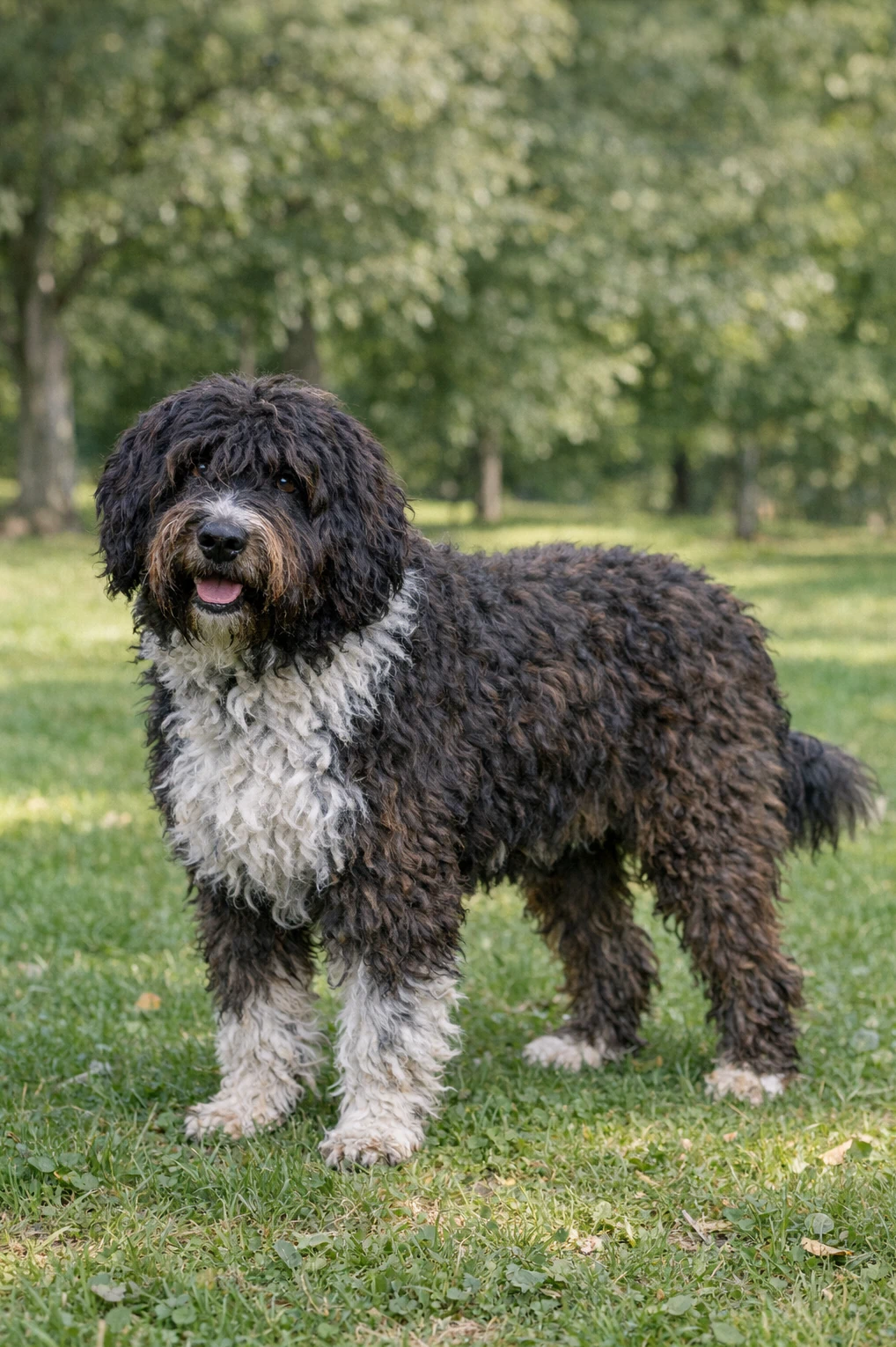
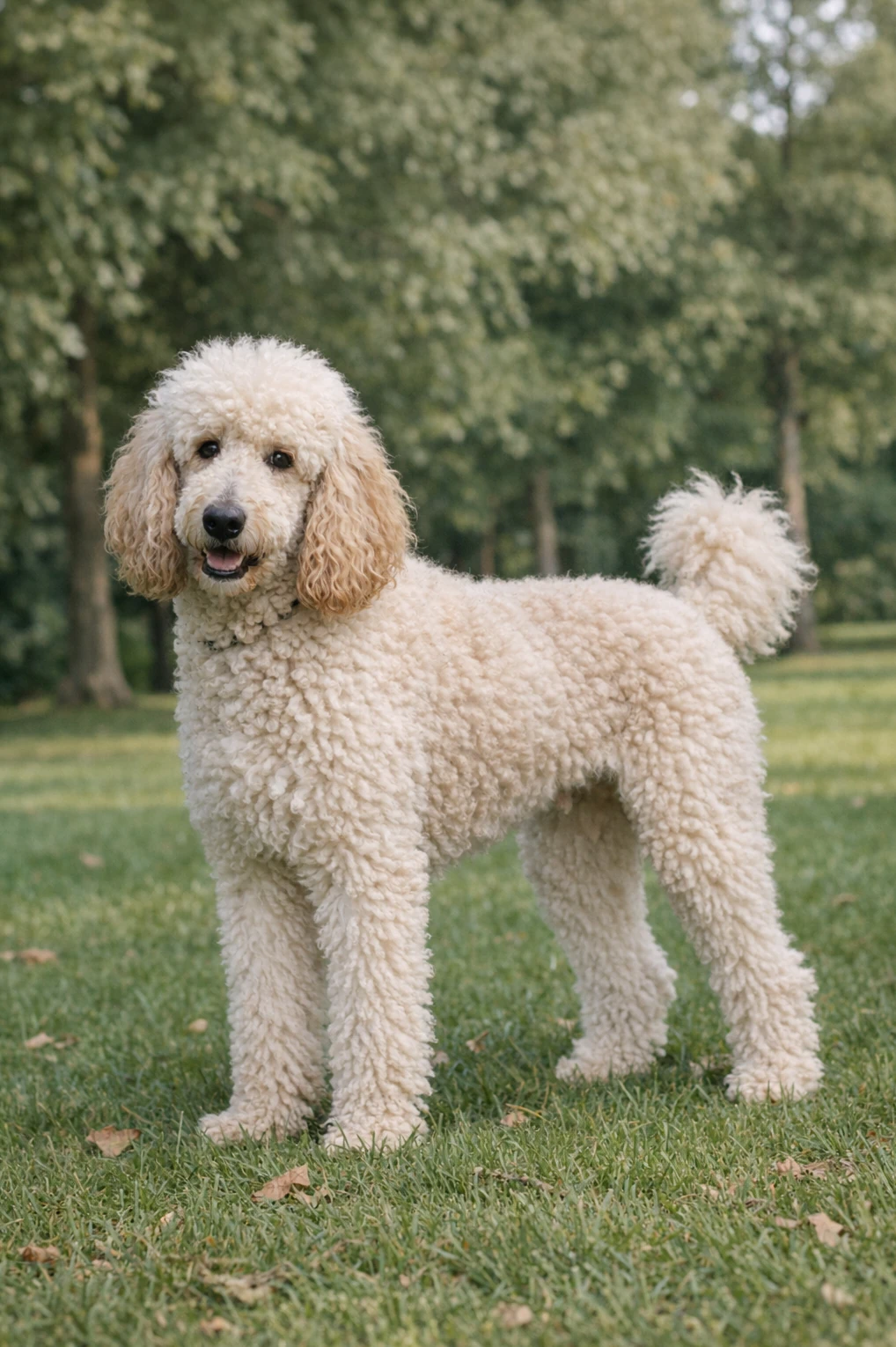
Standard Poodles are tall, energetic, dignified, and highly intelligent, standing over 15 inches and weighing around 60 to 70 pounds. Nutritional verdict: needs a balanced, protein-rich diet for muscle and coat health.
Understanding the Poodle (Standard) Metabolism and Energy Needs
Standard Poodles are energetic, dignified, and highly intelligent dogs with roots in water retrieving and performance work, so their nutrition should fuel endurance and mental agility. Their bodies need steady energy for play and training, as well as nutrients that keep their dense coat and skin healthy.
They do well with a diet higher in quality protein to preserve muscle and provide amino acids for brain function, such as lean meat or eggs. Moderate, digestible fats supply long-lasting fuel and nourish the coat, with omega-3s helping joint comfort and cognitive health. Controlled complex carbohydrates and fiber promote steady blood sugar and gut balance.
Because of their size and activity, joint-supporting nutrients like glucosamine and chondroitin are worthwhile, and antioxidants plus DHA help maintain focus as they age. Keep portions tailored to activity level to avoid extra weight that stresses joints and dulls mobility.
Managing Poodle (Standard) Genetic Health Risks Through Nutrition
Hip Dysplasia
Helpful nutrients
Eye Disorders
Helpful nutrients
Idiopathic Epilepsy
Helpful nutrients
Sebaceous Adenitis
Helpful nutrients
von Willebrand's Disease
Helpful nutrients
Immune-mediated Disorders
Helpful nutrients
Legg-Calve-Perthes & Luxating Patella
Helpful nutrients
Gastric Dilatation with Volvulus (Bloat)
Helpful nutrients
Obesity
Helpful nutrients
Poodle (Standard) Feeding & Calorie Calculator
Estimated Daily Calories
Tip: Start with this amount and adjust after 2–3 weeks based on your dog's body condition and weight trend.
This estimate provides a starting point for feeding. Individual calorie needs may vary depending on metabolism, body condition, and health status. Always monitor your dog's weight and consult your veterinarian when adjusting diet.
Foods and Ingredients to Avoid for Poodle (Standard) Dogs
Standard Poodles can be prone to weight gain, and excess fat in the diet speeds that up while increasing the risk of pancreatitis and joint strain.
Fatty table scraps, greasy leftovers, and very high-fat commercial treats can push a 60 to 70 pound dog into unhealthy territory quickly.
Keeping calories balanced with lean proteins and measured treats helps protect their hips and spine, and supports a long, active life without added inflammation or digestive upset.
Standard Poodles have a higher risk of gastric dilatation with volvulus, commonly called bloat, so feeding very large meals too close to vigorous activity or heavy play is risky.
A full stomach combined with exercise can increase the chance of dangerous twisting of the stomach.
Feed smaller, measured meals spaced away from exercise, and avoid immediately intense activity after eating to lower the risk and keep your poodle comfortable and safe.
Cooked bones splinter easily and can cause choking, mouth injuries, or dangerous intestinal blockages, while raw bones can carry bacteria or cause broken teeth.
Given a Standard Poodle's size and strong jaw, bones might seem tempting, but they still pose significant hazards.
Choose vet-approved chews and treats designed for safety, and check with your veterinarian about appropriate options that satisfy chewing needs without risking damage or gastrointestinal trouble.
Chocolate and caffeinated foods contain stimulants that are toxic to dogs, and even small amounts can cause vomiting, tremors, seizures, and heart problems.
Xylitol, a common sweetener in sugar-free products and some peanut butters, can cause rapid insulin release and potentially life threatening hypoglycemia.
Keep all sweets and sugar-free items well out of reach, and contact your vet immediately if you suspect ingestion, since Standard Poodles may be large but are still very vulnerable to these toxins.
Salted snacks, cured meats, and highly seasoned human dishes can upset a poodle's stomach and lead to excessive thirst or sodium toxicity in extreme cases.
For a breed that benefits from weight control and steady hydration, excess sodium can also encourage water retention and discomfort.
Stick to low-sodium dog foods and plain, unseasoned treats, and avoid giving processed human foods that are flavored with garlic, onion, or other seasonings that are harmful to dogs.
Some Standard Poodles show skin sensitivities or allergies, and artificial preservatives like BHA, BHT, and certain dyes can exacerbate itching, dull coat, or digestive upset.
Choosing foods with recognizable ingredients and natural preservatives reduces the chance of flare ups in skin and coat health.
Work with your veterinarian to identify any ingredient sensitivities specific to your dog, and prefer diets that support the poodle's skin, coat, and immune health without unnecessary additives.
Kibble vs Fresh vs Raw for Poodle (Standard)
Every dog is unique, and feeding should match your Poodle's activity, health, and daily routine.
High-quality kibble, fresh cooked meals, and raw diets each offer different benefits and trade-offs for Standard Poodles.
Pros
- Convenient and easy to portion for busy owners.
- Formulated balanced nutrition supports active, intelligent Poodles' energy needs.
- Options with omega fatty acids help maintain curly coat health.
- Some dental kibbles help reduce tartar buildup.
Cons
- Fast eating of kibble can increase bloat risk in deep-chested breeds.
- Lower moisture content may not suit dogs prone to dehydration.
- Lower-quality formulas include fillers and artificial additives.
- Overfeeding calorie-dense kibble can lead to weight gain.
Pros
- Highly palatable, great for picky or food-motivated Poodles.
- High moisture content supports digestion and hydration.
- Full control over ingredients helps manage skin and allergy issues.
- Fresh meals can be tailored to activity and life stage needs.
Cons
- Time-consuming and more expensive than kibble over time.
- Requires careful planning to ensure calcium and nutrient balance.
- Needs refrigeration and daily meal prep.
- Without vet guidance, homemade meals can be nutritionally incomplete.
Pros
- High-quality protein may support lean muscle in active Poodles.
- Some owners report shinier coats and improved energy.
- Minimal processing preserves certain heat-sensitive nutrients.
- Can be customized for individual sensitivities and preferences.
Cons
- Demands strict hygiene to prevent bacterial contamination, for dog and owner safety.
- Raw bones pose choking or dental fracture risks if not managed.
- Balancing vitamins and minerals is complex, especially for large breeds.
- May increase spoilage and handling burden for busy households.
- Not ideal for dogs with immune or bleeding disorders without veterinary input.
| Diet Type | Pros for Poodle (Standard) | Potential Downsides |
|---|---|---|
| High-Quality Kibble |
|
|
| Fresh Cooked Food |
|
|
| Raw Diet (BARF) |
|
|
Our Recommendation
For most Standard Poodles, a high-quality kibble or a carefully planned fresh-cooked diet meets their energy and coat needs while minimizing risk.
Raw feeding can work for experienced owners who follow strict hygiene and veterinary guidance, but it demands extra care.
Whatever you choose, consistent portions and regular vet checkups help keep your proud, active Poodle thriving.
See Also
Breeds with similar group, size, and coat characteristics