Best Dog Food for Barbet in 2026Based on Nutritional Science
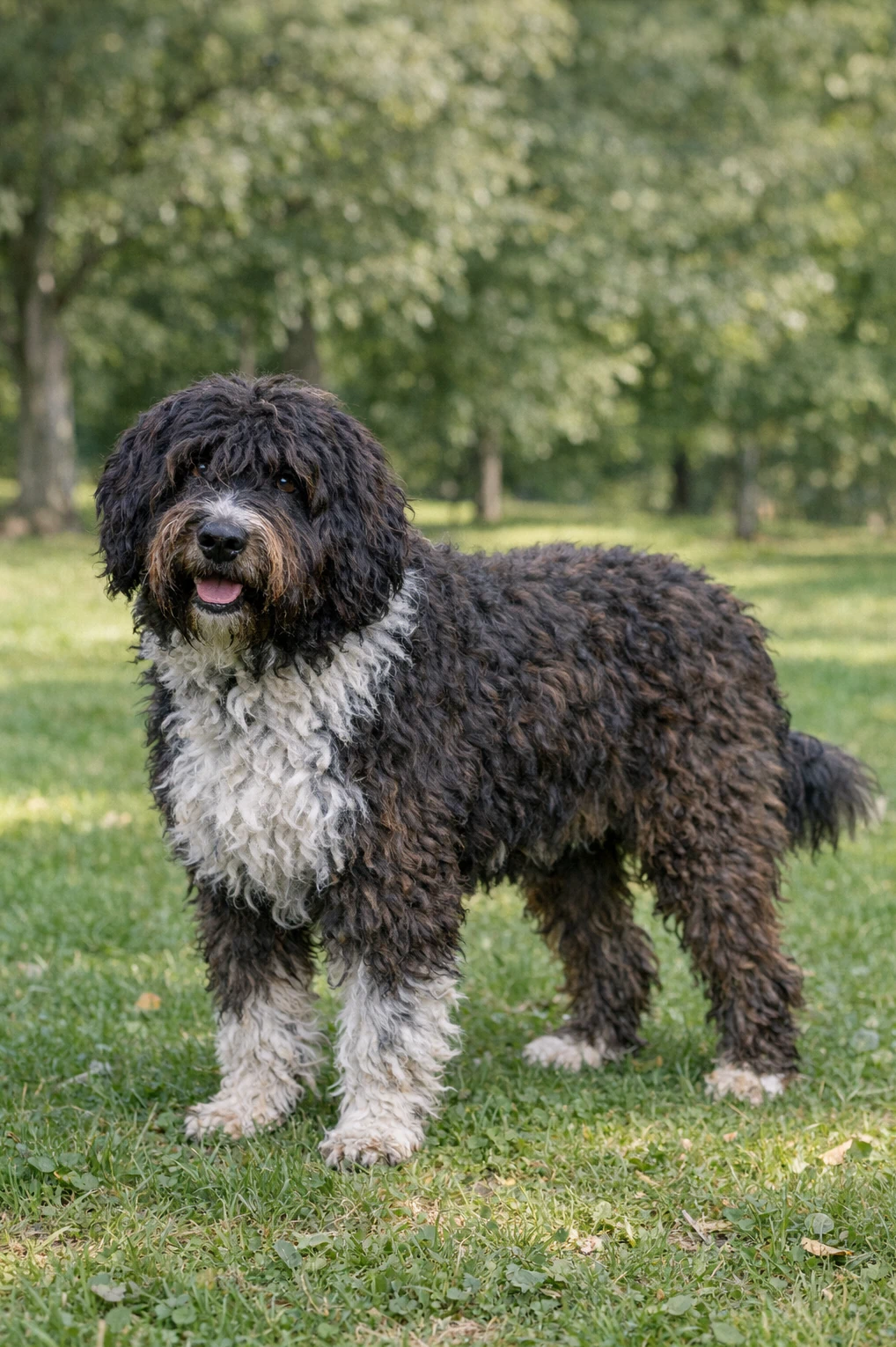
Medium-sized Barbet, about 19-24.5 inches tall and 35-65 pounds, is sociable, quick-witted, and tenderhearted. Nutritional Verdict: a balanced, protein-focused diet with healthy fats and measured portions supports energy and coat health.
Understanding the Barbet Metabolism and Energy Needs
This curly-coated French water dog was developed for retrieving in ponds and working closely with handlers, so its body balances endurance with quick bursts of effort. Its sociable, quick-witted, and gentle nature means it stays active, learns fast, and enjoys regular engagement and exercise.
That heritage makes a diet focused on high-quality animal protein important to maintain lean muscle and speed recovery after swims or long play sessions, using sources like poultry, fish, and eggs. Healthy fats supply steady energy and support a glossy coat, with oily fish or added omega-3s easing inflammation. Slow-digesting carbohydrates from whole grains and vegetables provide sustained fuel for both body and brain, and targeted supplements such as joint support, antioxidants, and B vitamins can enhance mobility, reduce wear from activity, and keep cognitive function sharp.
Managing Barbet Genetic Health Risks Through Nutrition
Hip and Elbow Dysplasia
Helpful nutrients
Progressive Retinal Atrophy (PRA)
Helpful nutrients
Seizure Disorders
Helpful nutrients
Allergies and Skin Sensitivities
Helpful nutrients
Obesity
Helpful nutrients
Dry Skin and Coat (seasonal dryness)
Helpful nutrients
Barbet Feeding & Calorie Calculator
Estimated Daily Calories
Tip: Start with this amount and adjust after 2–3 weeks based on your dog's body condition and weight trend.
This estimate provides a starting point for feeding. Individual calorie needs may vary depending on metabolism, body condition, and health status. Always monitor your dog's weight and consult your veterinarian when adjusting diet.
Foods and Ingredients to Avoid for Barbet Dogs
Because Barbets are moderately built and can gain weight if overfed, high-fat foods and greasy table scraps are best avoided.
Excess fat raises the risk of obesity and pancreatitis, both of which can sap their energy and put extra stress on hips and elbows that may already be vulnerable.
Stick to lean proteins and controlled portions to keep your sporting companion fit, active, and comfortable.
Barbets are often not voracious eaters, so it is easy to unintentionally add too many calories with frequent treats and people food.
Extra calories can lead to weight gain and make joint or mobility issues worse, and some table scraps contain ingredients that are toxic to dogs.
Use low-calorie rewards during training and check with your vet about safe options to keep treats useful but not harmful.
Raw feeding can seem appealing, but uncooked meat and whole bones carry risks of bacterial infection, broken teeth, and gastrointestinal obstruction, and homemade plans often lack key nutrients without professional guidance.
Given the Barbet’s medium build and potential for joint concerns, imbalanced calcium or calorie levels can worsen growth or weight problems.
If you prefer a home-prepared diet, work closely with your veterinarian or a canine nutritionist to ensure safety and balance.
Diets that rely heavily on peas, lentils, chickpeas, or other legumes in place of traditional grains have been linked in some cases to heart muscle problems in dogs, so caution is wise.
While research is ongoing and risk varies by individual, a Barbet’s active lifestyle and medium size mean heart health matters for long-term performance and happiness.
Choose recipes with a variety of quality carbohydrates and protein sources, and consult your vet if you prefer grain-free formulas.
Many Barbets are bred from lines screened for allergies, so artificial colors, flavors, and preservatives can trigger skin issues or digestive upset in sensitive individuals.
Ingredients like certain synthetic preservatives and food dyes sometimes exacerbate itchiness, ear problems, or stomach problems, so choosing naturally preserved, simple-ingredient foods can help maintain a healthy coat and comfortable tummy.
Reading labels and opting for gentle formulations often pays off for sensitive pups.
Growing Barbet puppies need balanced minerals for steady, healthy bone development, so too much calcium or overly rich diets can contribute to abnormal growth and increase the risk of hip or elbow problems later on.
Feeding a diet formulated for medium-breed puppies and avoiding adult supplements unless directed by your veterinarian helps regulate growth rate and joint formation.
Regular weight checks and guided feeding prevent unnecessary stress on developing joints.
How Nutritional Needs Change Throughout the Barbet Life Stages
Dogs have different nutritional requirements during puppyhood, adulthood, and their senior years, and Barbets are no exception. Their growing bones, active sporting nature, and later-life changes all call for adjustments in calories, protein, and key nutrients. Breed growth rate, activity level, and common health tendencies such as hip and elbow screening, eye issues, and allergies will influence the right balance for each life stage.
| Life Stage | Age Range | Primary Objective | Key Nutrient Focus |
|---|---|---|---|
| Puppy | 0–15 months | controlled skeletal development, immune support, brain development | DHA, balanced calcium/phosphorus, high-quality protein |
| Adult | 1.5–6 years | lean muscle maintenance and sustained energy | high-quality protein, omega-3 fatty acids, fiber |
| Senior | 6+ years | joint mobility, metabolic health, and cognitive support | glucosamine, chondroitin, antioxidants, lower calories |
Barbet puppies grow into a sturdy, athletic dog, so controlled, steady growth is important to support proper skeletal development. Use a large-breed puppy formula that balances calcium and phosphorus to protect growing joints, and provide high quality protein plus DHA for brain and coat health. Include omega-3s to support the curly coat and reduce inflammation.
Feed small, frequent meals early on, generally three to four times a day, then transition to two meals by about six months as tolerance allows. Because Barbets can be screened for hip and elbow issues, cautious weight management reduces joint stress during growth. If allergies or a family history of seizures exist, work with your vet on hypoallergenic or specific diets and introduce new foods slowly to watch for reactions.
As adult Barbets settle into their working or family roles, nutrition shifts from growth to maintenance. Moderate to high quality protein supports lean muscle mass, while balanced fats supply steady energy for swimming and retrieving sessions. Include omega-3 and omega-6 fatty acids to keep the curly coat healthy and skin resilient.
Feed measured portions twice daily and adjust calories based on exercise, since a couch companion needs fewer calories than a hunting partner. Because Barbets are sturdy but checked for hip and elbow health, maintaining a healthy weight helps prevent joint strain. Regular veterinary checks can guide supplements or diet tweaks if allergies, eye concerns, or other breed tendencies arise.
As Barbets enter their senior years, metabolism and activity usually slow, and digestion can become less efficient. Prioritize highly digestible, high quality protein to preserve lean muscle, while modestly reducing calories to prevent weight gain that strains joints. Add joint-supporting nutrients such as glucosamine, chondroitin, and omega-3 fatty acids to help mobility, and include antioxidants like vitamin E and beta-carotene to support cellular health and eye concerns.
If dental wear or sensitive digestion appears, choose softer textures or kibble formulated for seniors, and consider extra fiber to aid bowel regularity. Continue monitoring breed-specific issues, including hip and elbow health, eye changes related to PRA, or emerging allergies, and work with your veterinarian to adjust calorie targets and supplements as needed.
Kibble vs Fresh vs Raw for Barbet
Different feeding models fit different lifestyles, activity levels, and health needs. For a Barbet, consider energy needs, coat health, and any hereditary concerns when choosing a plan.
Pros
- Convenient and easy to portion for busy owners.
- Formulas can include joint-supporting nutrients for active sporting dogs.
- Consistently balanced nutrition reduces risk from improper home recipes.
- Dry kibble helps moderate dental tartar build up.
Cons
- Some brands include fillers or additives that can trigger allergies.
- Lower moisture content may not suit dogs prone to dry skin.
- Portion control must be precise to avoid weight gain.
- May lack tailored ingredients for coat condition without supplements.
Pros
- Highly palatable for picky eaters and active appetites.
- High moisture supports digestion and kidney health.
- You control ingredients to avoid allergens common in Barbets.
- Easily add omega fatty acids for coat and skin health.
Cons
- Requires careful planning to ensure complete, balanced nutrition.
- Generally more time consuming and costlier than kibble.
- Needs refrigeration and safe handling to prevent spoilage.
- May still need supplements for calcium and trace minerals.
Pros
- High protein can support the Barbet's sporting energy needs.
- Many owners report improved coat shine and reduced shedding.
- Minimally processed foods preserve natural nutrients.
- Can be customized to avoid known allergy triggers.
Cons
- Higher risk of bacterial contamination without strict hygiene.
- Bone feeding can pose choking or dental risks for some dogs.
- Requires precise balancing to prevent nutrient deficiencies.
- May increase risk for families with young children or immunocompromised members.
- Veterinary guidance is essential given the breed's genetic health concerns.
| Diet Type | Pros for Barbet | Potential Downsides |
|---|---|---|
| High-Quality Kibble |
|
|
| Fresh Cooked Food |
|
|
| Raw Diet (BARF) |
|
|
Our Recommendation
For most Barbets, a high quality kibble gives reliable, balanced nutrition with minimal fuss.
Fresh cooked diets suit dogs with allergies or picky appetites, while raw can work for active dogs but needs strict veterinary oversight.
See Also
Breeds with similar group, size, and coat characteristics