Best Dog Food for Clumber Spaniel in 2026Based on Nutritional Science
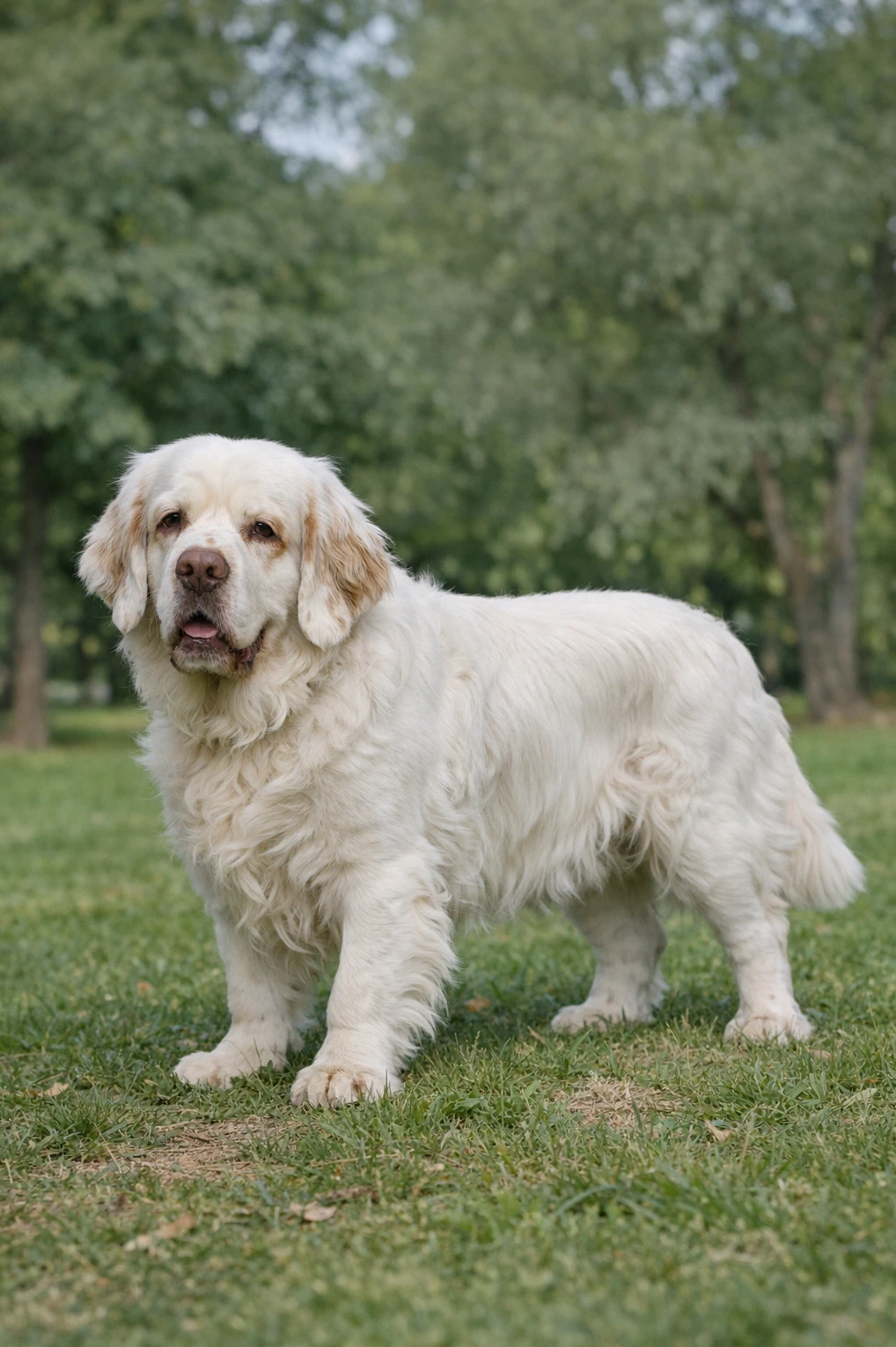
Large, placid Clumber Spaniel measures 18 to 20 inches and weighs 70 to 85 pounds, dignified and quietly playful. Nutritional Verdict: a balanced, joint-friendly diet with portion control to maintain steady, healthy body condition.
Understanding the Clumber Spaniel Metabolism and Energy Needs
As a calm, dignified gundog developed to work steadily in cover, this dog combines solid bone and a relaxed pace. That body type tends to carry extra weight unless calories are managed, so meals should focus on high quality protein to preserve lean mass while keeping overall energy moderate. Healthy fats provide concentrated fuel for short bursts and help maintain a glossy coat, especially omega-3s and omega-6 for skin resilience.
Supportive nutrients are important given the heavy frame and tendency toward joint wear. Glucosamine and chondroitin help preserve mobility, while controlled carbohydrate and added fiber aid satiety and steady blood sugar. Probiotics and antioxidant vitamins support digestion and immune health, keeping your companion fit, comfortable, and content.
Managing Clumber Spaniel Genetic Health Risks Through Nutrition
Hypothyroidism
Helpful nutrients
Entropion or Ectropion (eyelid disorders)
Helpful nutrients
Eosinophilic Panosteitis (growing pain in puppies)
Helpful nutrients
Hip Dysplasia
Helpful nutrients
Intervertebral Disc Disease (IVDD)
Helpful nutrients
Immune Mediated Hemolytic Anemia (IMHA)
Helpful nutrients
Obesity / Overweight
Helpful nutrients
Clumber Spaniel Feeding & Calorie Calculator
Estimated Daily Calories
Tip: Start with this amount and adjust after 2–3 weeks based on your dog's body condition and weight trend.
This estimate provides a starting point for feeding. Individual calorie needs may vary depending on metabolism, body condition, and health status. Always monitor your dog's weight and consult your veterinarian when adjusting diet.
Foods and Ingredients to Avoid for Clumber Spaniel Dogs
Clumber Spaniels gain weight easily and excess fat places extra stress on their hips, spine, and joints, raising the risk of hip dysplasia and intervertebral disc disease.
Fatty table scraps and rich human foods can also trigger pancreatitis, a serious condition.
Keep treats low in fat, favor lean proteins and vegetables approved by your vet, and avoid giving rich leftovers to help your Clumber stay at a healthy weight and protect their long back.
Never give cooked bones to a Clumber, they splinter easily and can cause choking, mouth or throat injuries, and life threatening intestinal perforations.
Because Clumbers have a long, heavy body they are not ideal candidates for the added strain and complications that can follow an emergency surgery or blockage.
If you want to offer something to chew, choose safe, vet approved chews or durable toys that suit your dog’s size and chewing style.
Clumbers are famously food oriented so it is easy to overdo treats during training.
Extra calories add up quickly for a 70 to 85 pound dog and worsen joint strain, increasing the chance of arthritis and spinal problems.
Use very small, low calorie rewards and factor treats into the daily calorie allowance.
If your vet thinks your dog is gaining weight, switch to a measured, lower calorie diet and cut back on snackable extras.
Large breed puppies that grow too fast can develop orthopedic problems such as panosteitis or worsen the risk of hip dysplasia.
Avoid diets or supplements that provide excessive calcium or too many calories for a growing Clumber.
Feed a high quality large-breed puppy formula recommended by your vet, and resist human supplements unless prescribed.
Controlled, steady growth helps bones and joints develop more safely during those critical early months.
Clumbers can be prone to skin and ear sensitivities, sometimes linked to thyroid issues, so artificial preservatives, colors, and some additives may aggravate itching or digestive upset.
Choosing limited ingredient or naturally preserved foods can reduce the chance of flare ups and make it easier to spot any food sensitivities.
Introduce new diets slowly and consult your veterinarian if you notice changes in skin, coat, or ear health.
Some Clumbers have experienced immune mediated hemolytic anemia, and sulfa drugs are known to trigger problems in susceptible dogs.
While sulfa medications are not food, be mindful of over the counter supplements, topical products, or medications that may contain sulfa compounds and do not share human prescriptions with your dog.
Always check ingredient lists and consult your veterinarian before giving any new medication or supplement to protect your Clumber’s immune and overall health.
How Nutritional Needs Change Throughout the Clumber Spaniel Life Stages
Like people, dogs need different nutrition at different life stages, and Clumber Spaniels are no exception. Puppies need nutrients that support steady growth, adults need balanced calories and maintenance for muscle and energy, and seniors benefit from adjusted calories and joint support. Breed factors such as growth rate, modest activity level, and common health tendencies like hip issues and hypothyroidism shape those needs.
| Life Stage | Age Range | Primary Objective | Key Nutrient Focus |
|---|---|---|---|
| Puppy | 0–15 months | controlled skeletal development, immune support, brain development | DHA, balanced calcium/phosphorus, high-quality protein |
| Adult | 1.5–6 years | lean muscle maintenance and sustained energy | high-quality protein, omega-3 fatty acids, fiber |
| Senior | 6+ years | joint mobility, metabolic health, and cognitive support | glucosamine, chondroitin, antioxidants, lower calories |
Clumber Spaniel puppies grow steadily but, as a large and heavy breed, they need a controlled pace of growth to protect developing bones and joints. Rapid weight gain can increase the risk of hip dysplasia and conditions like eosinophilic panosteitis, so calories and portion sizes should be managed and monitored by your veterinarian.
Feed high quality, digestible protein to support muscle development and choose formulas with moderate, breed-appropriate calcium and phosphorus to support healthy skeletal formation. Offer three to four small meals a day when very young, then transition to two meals as they approach adulthood, and include omega fatty acids for skin and coat, antioxidants for immune health, and joint-supporting nutrients as a preventive measure.
Adult Clumber Spaniels are calm and gentlemanly yet still need balanced nutrition to maintain muscle and steady energy. Aim for consistent, high quality protein to preserve lean mass alongside moderate fat for energy, while keeping overall calories in check to prevent gradual weight gain. Regular, low-impact exercise like gentle walks and swimming supports muscle tone and joint health without placing excessive strain on a long body.
Choose diets with omega-3 fatty acids for inflammation control, adequate fiber for steady digestion, and antioxidants to support immune function. Monitor body condition and adjust portions for changes in activity or life events, and work with your veterinarian to manage common concerns such as hypothyroidism so dietary needs can be adapted safely.
As Clumbers age their metabolism often slows and mobility can become a concern, especially given their susceptibility to hip and spinal issues. Calorie needs may fall, but protein should remain high quality to preserve muscle and support recovery, while fats can be adjusted to maintain a healthy weight without sacrificing energy. Gentle, regular activity helps retain mobility and circulation while reducing stiffness.
Senior formulas that include joint support such as glucosamine, chondroitin, and omega-3 EPA and DHA can help maintain comfort, and antioxidants like vitamin E support cellular health. More digestible ingredients and added fiber ease digestion, and softer kibble or wet food can be helpful for dental changes. Keep an eye on thyroid function and skin or ear issues, and always review medications with your veterinarian, especially if sulfa drugs are being considered for treatment.
Kibble vs Fresh vs Raw for Clumber Spaniel
Different feeding models suit different lifestyles, activity levels, and health tendencies of Clumber Spaniels.
These mellow, gentlemanly dogs benefit most from approaches that prioritize weight control, joint support, and skin health.
Pros
- Convenient and easy to portion, helping prevent weight gain in mellow Clumbers.
- Joint-support formulas can help reduce hip strain as they age.
- Fortified nutrients support skin, ears, and coat for breeds prone to dermatitis.
- Predictable calories aid controlled puppy growth, reducing panosteitis risk.
Cons
- Some kibbles are calorie-dense, increasing obesity risk for relaxed Clumbers.
- Lower moisture content may worsen dry skin or ear conditions in susceptible dogs.
- Fillers or low-quality proteins can exacerbate weight and coat issues.
- Hard to find formulas that balance joint support and calorie control perfectly.
Pros
- Highly palatable, often adored by picky, gentlemanly Clumbers.
- High moisture helps hydration and supports skin and ear health.
- You can manage calories and protein to avoid rapid puppy growth.
- Easily include joint-friendly foods like fish or added glucosamine.
Cons
- Needs careful balancing to avoid nutritional gaps, especially calcium and vitamins.
- Meal prep time and refrigeration may not suit busy households.
- Cost can be higher than kibble when using quality ingredients.
- Inconsistent recipes risk excess calories, contributing to hip and spine strain.
Pros
- High protein and minimal processing can improve coat sheen and energy.
- Portioning raw allows strict calorie control for weight management.
- Unprocessed nutrients may appeal to digestive systems of some dogs.
Cons
- Higher bacterial contamination risk, demanding strict hygiene and freezer storage.
- Improper balance can lead to joint stress or nutrient deficiencies.
- Small bones and improper textures can threaten teeth or cause obstructions.
- Time, cost, and veterinary oversight are often required for safety and balance.
| Diet Type | Pros for Clumber Spaniel | Potential Downsides |
|---|---|---|
| High-Quality Kibble |
|
|
| Fresh Cooked Food |
|
|
| Raw Diet (BARF) |
|
|
Our Recommendation
For most Clumber Spaniels, a high-quality kibble with joint support and calorie control is a reliable base to manage weight and protect hips.
Fresh cooked food can be a great alternative for dogs with skin or ear concerns, if recipes are properly balanced.
Raw diets may work for experienced owners under veterinary guidance, but they require strict hygiene and careful nutrient planning.
See Also
Breeds with similar group, size, and coat characteristics