Best Dog Food for Chesapeake Bay Retriever in 2026Based on Nutritional Science
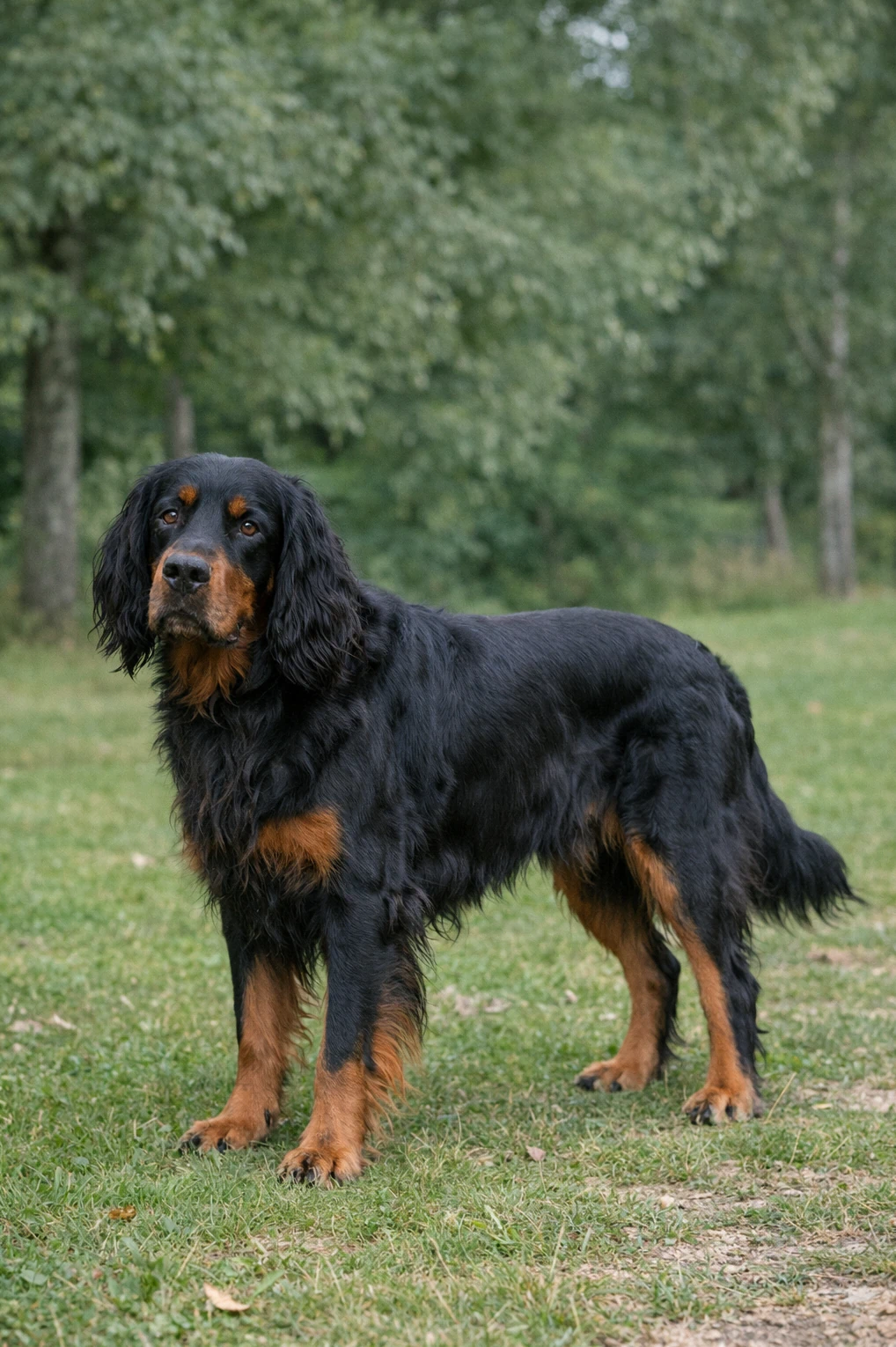
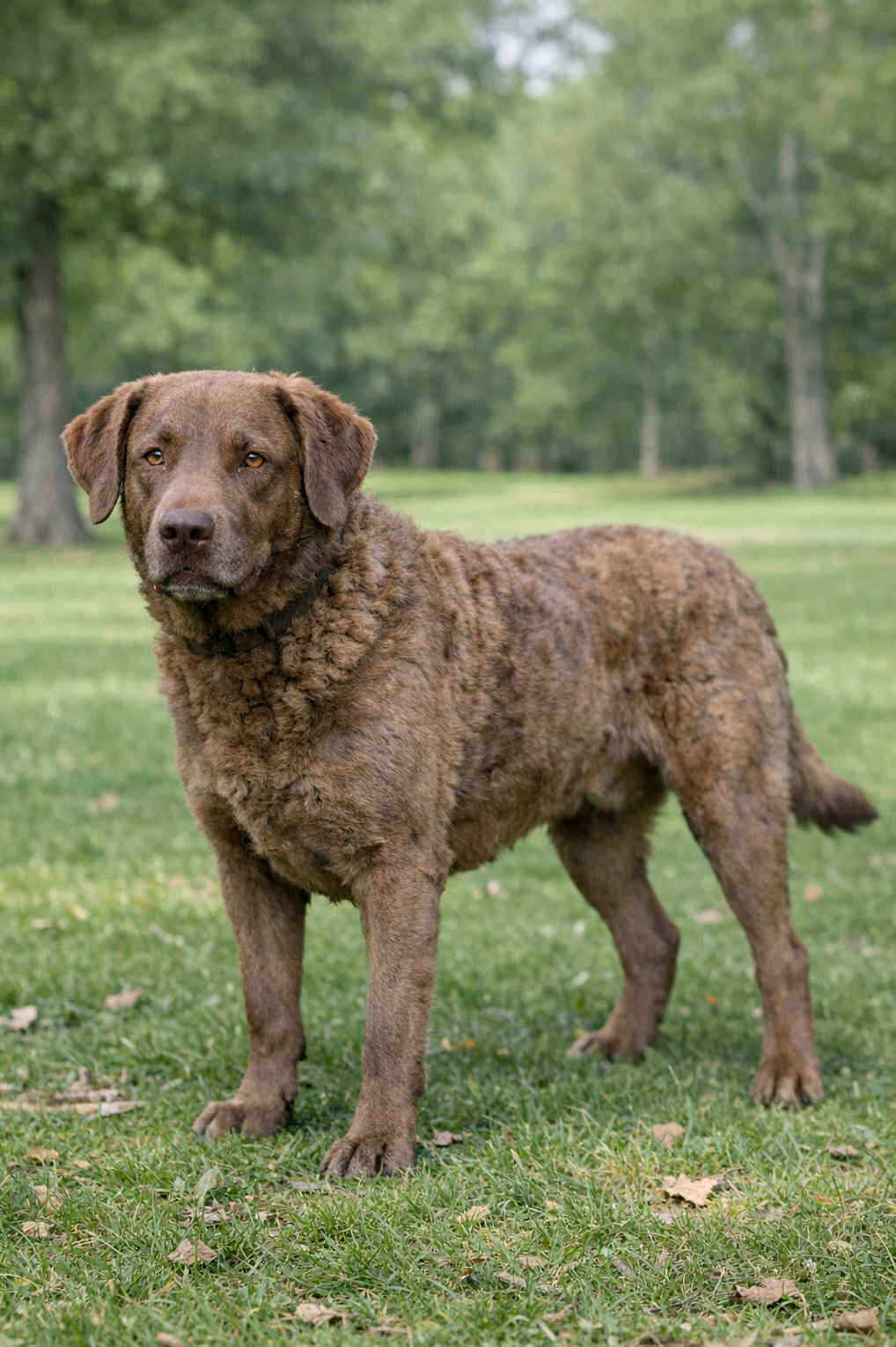
Large Chesapeake Bay Retriever males stand 23 to 26 inches and weigh 65 to 80 pounds. They're clever, devoted and emotionally attuned.
Nutritional verdict: quality protein and balanced fats keep coat, energy and health strong.
Understanding the Chesapeake Bay Retriever Metabolism and Energy Needs
The Chesapeake Bay Retriever comes from lines of water workers that needed stamina, strength, and a weatherproof coat. That history explains why diets higher in quality animal protein support lean muscle and repair after strenuous swims or long play sessions, while richer healthy fats provide steady fuel and help maintain an oily, protective coat. Omega fatty acids from fish or flax are especially helpful for skin health and water resistance, and moderate calories prevent unwanted weight that would slow them down.
Their personality is often clever, warm, and emotionally tuned to their family, which means steady, balanced energy helps them stay focused and calm. Complex carbohydrates like sweet potato or oats give slow-release fuel, while antioxidants and joint-supporting nutrients such as glucosamine and chondroitin aid recovery and long-term mobility. Regular meals of thoughtful ingredients and predictable timing also soothe their sensitive nature and keep them at their best.
Managing Chesapeake Bay Retriever Genetic Health Risks Through Nutrition
Hip Dysplasia
Helpful nutrients
Ear Infections
Helpful nutrients
Dental Disease
Helpful nutrients
Obesity & Weight Management
Helpful nutrients
Hereditary Conditions
Helpful nutrients
Chesapeake Bay Retriever Feeding & Calorie Calculator
Estimated Daily Calories
Tip: Start with this amount and adjust after 2–3 weeks based on your dog's body condition and weight trend.
This estimate provides a starting point for feeding. Individual calorie needs may vary depending on metabolism, body condition, and health status. Always monitor your dog's weight and consult your veterinarian when adjusting diet.
Foods and Ingredients to Avoid for Chesapeake Bay Retriever Dogs
Chesapeake Bay Retrievers are a solid, muscular breed that can gain weight if treats and table scraps add up, which places extra stress on hips already at risk for dysplasia.
High-fat foods and greasy human leftovers also raise the chance of pancreatitis, a painful condition that can require emergency care.
Keep treats lean and calorie-aware, and avoid giving fatty meats, fried foods, and rich sauces.
For active dogs, focus on controlled portions of high-quality protein rather than extra fat.
Cooked bones can splinter and cause choking, mouth and intestinal injuries, or blockages, which is a particular concern for a large dog that may gulp or chew aggressively.
Broken teeth from very hard chews can lead to dental pain and costly repairs, and dental health is important for overall wellbeing.
Offer only vet-approved chew toys and raw bones sized appropriately, or safer dental chews made for large breeds.
When in doubt, check with your veterinarian before introducing a new chew.
Large-breed puppies like Chesapeakes need balanced calcium and phosphorus, because too much of these minerals can disrupt normal bone development and increase the risk of hip and elbow problems later.
Giving adult-formula meals or unregulated supplements during rapid growth can contribute to orthopedic issues.
Use a veterinary-recommended puppy diet formulated for large breeds, and avoid free-feeding extra supplements unless prescribed after blood testing and professional guidance.
Some grain-free recipes replace grains with lots of peas, lentils, and other legumes, an ingredient pattern that has been associated with heart concerns in certain dogs.
Large, active breeds should not be subjected to unbalanced diets that might affect heart health, especially without veterinary oversight.
If you prefer grain-free food, choose formulas with complete nutrient profiles vetted by your vet, and monitor heart and weight during routine checkups.
Variety and professional guidance reduce risk.
Chesapeakes can show skin and ear sensitivities, and artificial additives such as BHA, BHT, and certain colorants can sometimes contribute to allergic reactions or digestive upset.
Chronic irritation can mean more ear infections and less comfortable days for your dog.
Choose diets that use natural preservation methods and simple ingredient lists when possible.
If you notice itchy skin, recurring ear problems, or digestive changes after a diet switch, consult your veterinarian about elimination trials.
Certain common human foods are dangerous for dogs and should never be offered to a Chesapeake, whose size makes portion control more tempting.
Chocolate, grapes and raisins, onions, garlic, and the artificial sweetener xylitol can cause serious illness, sometimes with few early signs.
Keep these items well out of reach, teach family and guests not to share table scraps, and contact your veterinarian or an emergency poison hotline immediately if ingestion is suspected.
How Nutritional Needs Change Throughout the Chesapeake Bay Retriever Life Stages
Dogs need different nutrition as they move from playful puppyhood to steady adulthood and gentle senior years. Requirements change with growth pace, activity level and the breed's typical health concerns. For a Chesapeake Bay Retriever, large size and a strong, active nature mean special attention to bone and joint-supporting nutrients, balanced calories and tailored feeding plans through each life stage.
| Life Stage | Age Range | Primary Objective | Key Nutrient Focus |
|---|---|---|---|
| Puppy | 0–15 months | controlled skeletal development, immune support, brain development | DHA, balanced calcium/phosphorus, high-quality protein |
| Adult | 1.5–6 years | lean muscle maintenance and sustained energy | high-quality protein, omega-3 fatty acids, fiber |
| Senior | 6+ years | joint mobility, metabolic health, and cognitive support | glucosamine, chondroitin, antioxidants, lower calories |
Chesapeake puppies grow steadily for many months, so feeding should support slow, healthy growth rather than rapid weight gain. Choose a large-breed puppy formula with controlled calories, balanced calcium and phosphorus and higher protein to support muscle development. Because Chesapeakes are active and bright, they benefit from sufficient fat and omega-3 fatty acids for energy and brain development, while antioxidants support immune health.
Feed smaller, frequent meals, typically three to four times a day until about six months, then transition to two meals. Monitor body condition closely to reduce stress on developing hips, and avoid free-feeding or excessive treats. Talk to your veterinarian about portion targets and whether joint-support nutrients such as glucosamine or chondroitin are right for your puppy given the breed's hip dysplasia risk.
As adult Chesapeakes reach full size, nutrition shifts to help maintain lean muscle and steady energy. Aim for a diet with quality animal-based protein, moderate fat, and appropriate calories to avoid excess weight, which can stress hips. Because this breed is active and affectionate, adjust calories for swimming or hunting seasons, and choose digestible ingredients if your dog has a sensitive stomach.
Feed adult dogs twice daily to support stable blood sugar and prevent begging. Include omega-3s for coat and joint health, and maintain regular weight checks to tweak portions. Work with your vet to match calorie needs to activity level and to screen for hereditary conditions that might influence dietary choices, keeping treats and supplements measured and consistent.
As Chesapeakes enter senior years, metabolism often slows and activity may decline, so calorie needs commonly decrease. Digestive efficiency can drop and joint stiffness may appear, particularly given the breed's predisposition to hip dysplasia. A senior formula with slightly fewer calories, highly digestible protein and added joint support can help retain muscle while easing strain on hips.
Look for foods with glucosamine, chondroitin and omega-3 fatty acids, alongside antioxidants like vitamin E and beta-carotene to support cellular health. Feed smaller, more frequent meals if digestion slows, and monitor body condition and mobility closely. Work closely with your veterinarian to adjust calories, consider weight management plans, and maintain dental and ear care as part of overall senior wellness.
Kibble vs Fresh vs Raw for Chesapeake Bay Retriever
Different feeding models suit different lifestyles, energy needs, and health concerns. For a Chesapeake Bay Retriever, prioritize joint support, appropriate calories, and coat-nourishing fats when choosing food.
Pros
- Convenient and easy to portion for busy owners.
- Formulas often include glucosamine for joint support.
- Consistent calories help manage weight in a large dog.
- Crunchy texture can help reduce tartar on teeth.
Cons
- Lower moisture content may not suit dogs that drink less.
- Some formulas contain fillers or low-quality proteins.
- Not all kibbles address breed-specific hip concerns.
- Sensitive dogs may react to certain proteins or grains.
Pros
- Highly palatable, good for picky, affectionate Chesapeakes.
- High moisture supports hydration and healthy digestion.
- You control ingredients to avoid allergens and additives.
- Easily includes joint-friendly foods like fish and bone broth.
Cons
- More expensive and time consuming than kibble.
- Requires careful planning to meet large breed nutrient needs.
- Improperly balanced meals can affect hip and bone health.
- Needs refrigeration and fresh preparation daily.
Pros
- High protein can support muscle for this active breed.
- Some owners report improved coat condition and energy.
- Minimal processing preserves certain nutrients and enzymes.
- Can be tailored to avoid specific allergens.
Cons
- Higher risk of bacterial contamination without strict hygiene.
- Unbalanced calcium can harm growing pups' hip development.
- Whole bones pose choking or dental fracture risk.
- Requires veterinary guidance to ensure proper nutrient balance.
| Diet Type | Pros for Chesapeake Bay Retriever | Potential Downsides |
|---|---|---|
| High-Quality Kibble |
|
|
| Fresh Cooked Food |
|
|
| Raw Diet (BARF) |
|
|
Our Recommendation
Many Chesapeake owners find high-quality kibble with joint-focused formulations a practical, balanced choice.
Fresh cooked or carefully managed raw diets can also work well if you commit to precise balancing and veterinary oversight.
See Also
Breeds with similar group, size, and coat characteristics