Best Dog Food for German Wirehaired Pointer in 2026Based on Nutritional Science
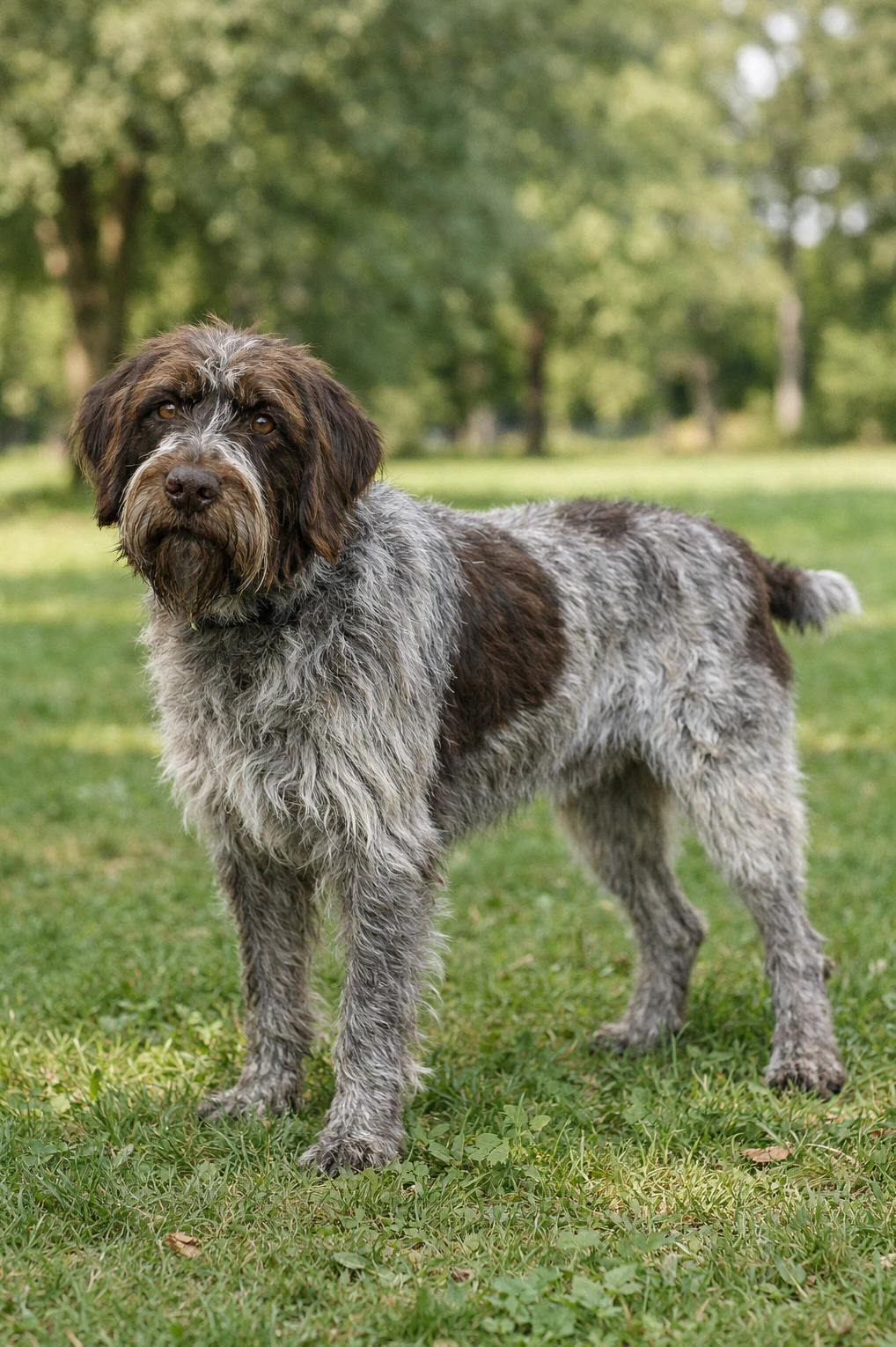
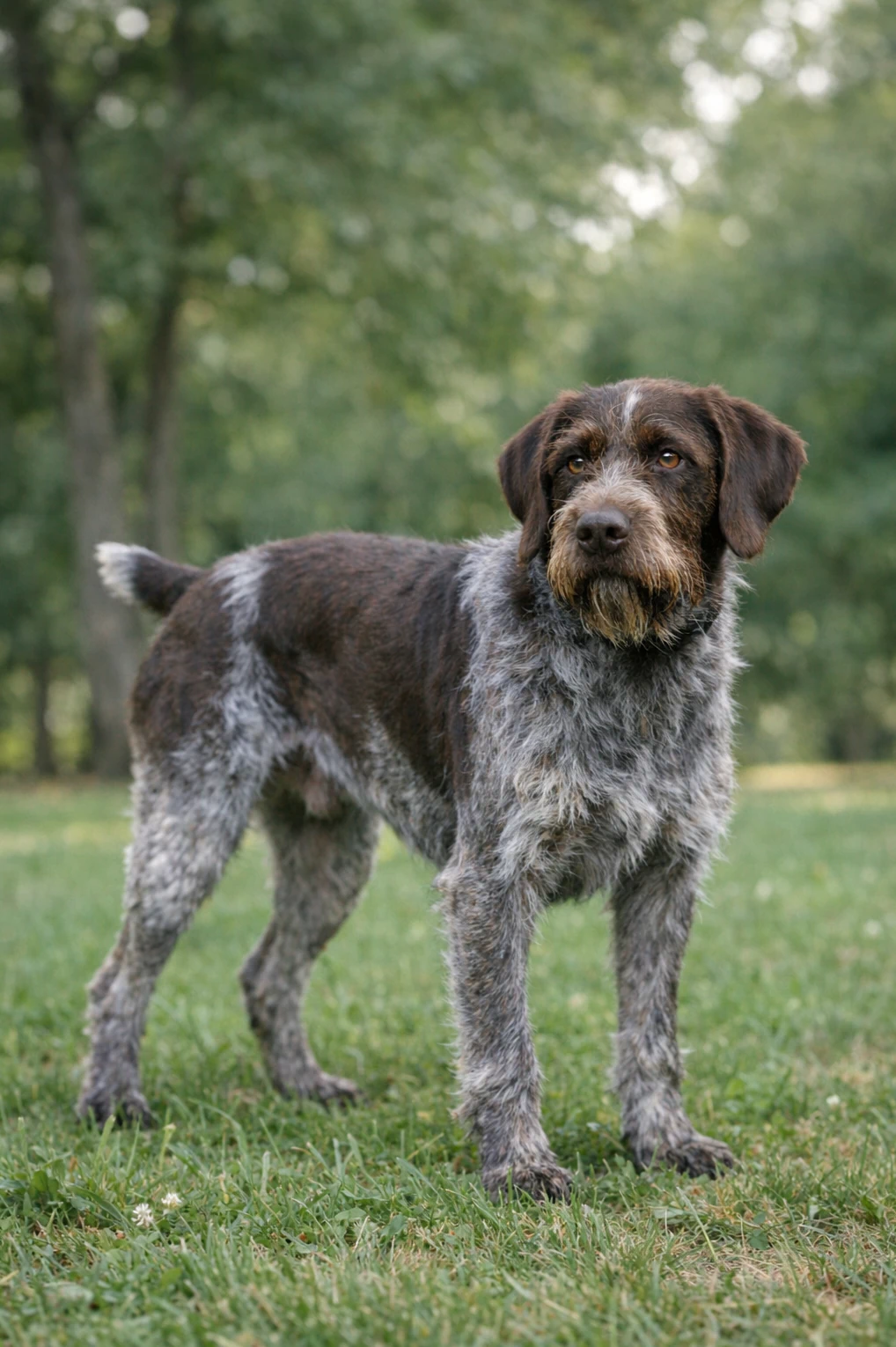
German Wirehaired Pointer, a loving, keen, and spirited hunter, stands about 24 to 26 inches and weighs 50 to 70 pounds. Nutritional Verdict: high-quality protein and balanced fats support energy and a glossy coat.
Understanding the German Wirehaired Pointer Metabolism and Energy Needs
As a field-bred, wire-coated hunting companion, this dog pairs stamina with a strong work ethic and a warm, people-loving temperament. Frequent outings, swims, and long chases mean muscles are regularly taxed and the thick coat needs nutrients to stay healthy and resilient.
That practical profile calls for a diet focused on quality protein to repair and maintain lean muscle, healthy fats to supply slow-burning energy and support skin and fur, and moderate carbohydrates for quick, steady fuel during short bursts. Including oily fish or fish oil gives omega-3s that soothe joints and improve coat condition, while joint-support ingredients like glucosamine can help recovery after active days.
Feeding should keep the dog lean and athletic, with calories timed around exercise and treats chosen to support performance and overall wellbeing.
Managing German Wirehaired Pointer Genetic Health Risks Through Nutrition
Ear Infections
Helpful nutrients
Dental Disease (Tartar and Gum Issues)
Helpful nutrients
Parasites and Parasite-Related Illnesses
Helpful nutrients
Weight Management and Obesity
Helpful nutrients
Age-Related Nutritional Needs
Helpful nutrients
German Wirehaired Pointer Feeding & Calorie Calculator
Estimated Daily Calories
Tip: Start with this amount and adjust after 2–3 weeks based on your dog's body condition and weight trend.
This estimate provides a starting point for feeding. Individual calorie needs may vary depending on metabolism, body condition, and health status. Always monitor your dog's weight and consult your veterinarian when adjusting diet.
Foods and Ingredients to Avoid for German Wirehaired Pointer Dogs
High-fat meals, greasy table scraps, and rich treats can trigger pancreatitis and lead to rapid weight gain in dogs, even those that are normally active.
Excess dietary fat adds calories quickly and can upset digestion, leaving your dog uncomfortable and less willing to exercise.
Because German Wirehaired Pointers are a medium-large, athletic breed, keeping fat at moderate levels helps maintain a lean body and protects joints from extra stress.
Choose lean protein sources, measure portions, and check with your vet before offering fatty treats or making big diet changes.
Onions, garlic, leeks, and chives contain compounds that can damage a dog’s red blood cells and lead to anemia, even in small amounts over time.
Cooked foods and seasonings that include these ingredients are common hazards, so avoid giving any human food that might contain them.
If a German Wirehaired Pointer shows weakness, pale gums, or dark urine after eating suspicious foods, contact your veterinarian right away.
Keep flavored human foods out of reach and use dog-safe seasonings when offering treats.
Grapes and raisins can cause sudden and severe kidney failure in dogs, and there is no established safe amount for any dog.
Early signs include vomiting, decreased appetite, and lethargy, so prompt veterinary attention is important if exposure is suspected.
As an active breed that relies on good kidney and muscle function, a German Wirehaired Pointer should never be offered grapes, raisins, or foods containing them.
Store fruit securely and remind family members not to share snacks.
Cooked bones can splinter into sharp pieces that may choke, puncture the throat, or cause intestinal tears, while very hard chews can break teeth.
These risks are especially concerning for larger, powerful chewers who can exert a lot of force when gnawing.
Provide appropriately sized, veterinarian-recommended chews or sturdy rubber toys instead, and supervise chew time to reduce risk.
If your German Wirehaired Pointer shows signs of mouth pain, vomiting, or abnormal stools after chewing, seek veterinary care.
Diets high in peas, lentils, chickpeas, or other legumes, particularly in grain-free kibbles, have been linked in some reports to heart issues such as dilated cardiomyopathy, although the relationship is still under study.
Relying on these ingredients as primary protein or carbohydrate sources can create nutritional imbalances.
For a medium-large, active dog like a German Wirehaired Pointer, prioritize diets with named animal proteins and balanced formulations, and discuss grain-free or legume-heavy options with your veterinarian.
Regular cardiac checkups are sensible if you feed such diets long term.
Artificial preservatives, artificial colors, and low-quality fillers such as excess corn or soy offer little nutritional value and can aggravate skin or digestive sensitivities in some dogs.
Ingredients like BHA or BHT may concern owners aiming for clean, nutrient-dense meals for their pet.
Since German Wirehaired Pointers can be prone to ear and skin issues in some lines, selecting foods with natural preservatives and higher-quality proteins can help reduce flare-ups.
If you suspect a sensitivity, work with your vet to try an elimination or limited-ingredient diet.
How Nutritional Needs Change Throughout the German Wirehaired Pointer Life Stages
German Wirehaired Pointers need different nutrition at puppyhood, adulthood, and senior years, shaped by growth rate, activity level, and breed health tendencies. As a large, energetic breed with a wiry double coat and certain genetic screenings recommended, their diet should promote steady skeletal growth, strong muscles, and long-term joint and immune health. Regular vet guidance helps tailor feeding at each life stage.
| Life Stage | Age Range | Primary Objective | Key Nutrient Focus |
|---|---|---|---|
| Puppy | 0–15 months | controlled skeletal development, immune support, brain development | DHA, balanced calcium/phosphorus, high-quality protein |
| Adult | 1.5–6 years | lean muscle maintenance and sustained energy | high-quality protein, omega-3 fatty acids, fiber |
| Senior | 6+ years | joint mobility, metabolic health, and cognitive support | glucosamine, chondroitin, antioxidants, lower calories |
German Wirehaired Pointer puppies are large-breed pups that grow quickly but benefit from deliberately paced growth to protect developing joints and bones. Early nutrition should support skeletal development with a controlled calcium to phosphorus ratio, plenty of high quality protein for lean muscle, and DHA for brain and vision development. Feeding smaller, frequent meals helps steady energy levels and reduces stress on the digestive system.
Choose a large-breed puppy formula that limits excessive calories yet supplies healthy fats and essential vitamins and minerals, and feed three to four times daily until about six months, then transition to two to three meals. Watch body condition closely and work with your veterinarian, especially since responsible breeders screen for breed-specific conditions and regular checkups help adjust portions and supplements safely.
Adult German Wirehaired Pointers are active and muscular, so nutrition should focus on maintaining lean mass and supplying steady energy for field work or long walks. Aim for high quality animal protein and moderate healthy fats to fuel activity, while providing digestible carbohydrates and fiber for gut health. Calories should be matched to activity level to avoid unwanted weight gain that stresses joints.
Look for formulas with omega-3 and omega-6 fatty acids to support skin and that wiry double coat, along with antioxidants and vitamins for immune health. Exercise, routine ear and dental care, and regular veterinary screening help shape the right daily portions, and occasional weight checks will keep your Pointer fit and ready for the next adventure.
As German Wirehaired Pointers age, metabolism often slows and mobility may decline, so calories may need to be reduced while protein remains sufficient to preserve lean muscle. Look for senior formulas with joint support such as glucosamine, chondroitin, and omega-3 fatty acids to help maintain mobility, plus antioxidants like vitamin E and selenium to support cellular health. Increased fiber and probiotics can ease digestion if the senior dog becomes more sensitive to rich foods.
If dental wear or missing teeth affect chewing, consider softer or moistened food, and monitor weight and coat condition closely. Continue routine ear checks, dental care, and regular veterinary screening, and make small calorie and supplement adjustments under your vet's guidance so your Wirehaired Pointer stays comfortable and active in later years.
Kibble vs Fresh vs Raw for German Wirehaired Pointer
Different feeding models suit different lifestyles, energy needs, and owner time commitments.
For an active, eager German Wirehaired Pointer, consider exercise level, coat care, and joint health when choosing food.
Pros
- Convenient and easy to portion for busy hunting or family schedules.
- Formulas for active breeds supply higher protein and calories for stamina.
- Often fortified with joint-support nutrients helpful for medium-large, active dogs.
- Dry kibble stores without refrigeration and helps consistent weight control.
Cons
- Lower moisture content may require adding water after long activity.
- Some formulas include fillers that do not meet this breed's energy needs.
- Less control over ingredient sourcing compared with fresh or home-cooked diets.
- Crunchy kibble may not satisfy very picky German Wirehaired Pointers.
Pros
- Highly palatable for picky eaters and dogs recovering from illness.
- High moisture content supports hydration after long exercise or hunts.
- Complete control over ingredient quality, useful if avoiding fillers or allergens.
- Easy to add joint supplements and cooked vegetables for breed needs.
Cons
- Requires careful planning to ensure balanced vitamins, minerals, and calories.
- More time consuming and typically more expensive than kibble.
- Needs refrigeration and safe handling to avoid spoilage.
- Portioning mistakes can cause weight gain in less active Wirehairs.
Pros
- High protein, minimally processed meals match energetic, working Wirehaired Pointers.
- Some owners report improved coat texture and lean muscle condition.
- Can be tailored to avoid specific allergens or food sensitivities.
- Raw meaty bones can provide natural chewing enrichment with supervision.
Cons
- Higher risk of bacterial contamination without strict hygiene and storage.
- Homemade plans often require supplements to prevent nutrient deficiencies.
- Raw bones pose choking or tooth fracture risks if not properly chosen.
- Not recommended for households with young children or immunocompromised adults.
| Diet Type | Pros for German Wirehaired Pointer | Potential Downsides |
|---|---|---|
| High-Quality Kibble |
|
|
| Fresh Cooked Food |
|
|
| Raw Diet (BARF) |
|
|
Our Recommendation
For many German Wirehaired Pointers, high-quality kibble formulated for active, medium-large breeds fits daily needs and busy routines.
Fresh cooked or carefully planned raw diets can be excellent for picky or working dogs, but they require veterinary guidance and strict handling to stay balanced and safe.
See Also
Breeds with similar group, size, and coat characteristics