Best Dog Food for Wirehaired Pointing Griffon in 2026Based on Nutritional Science
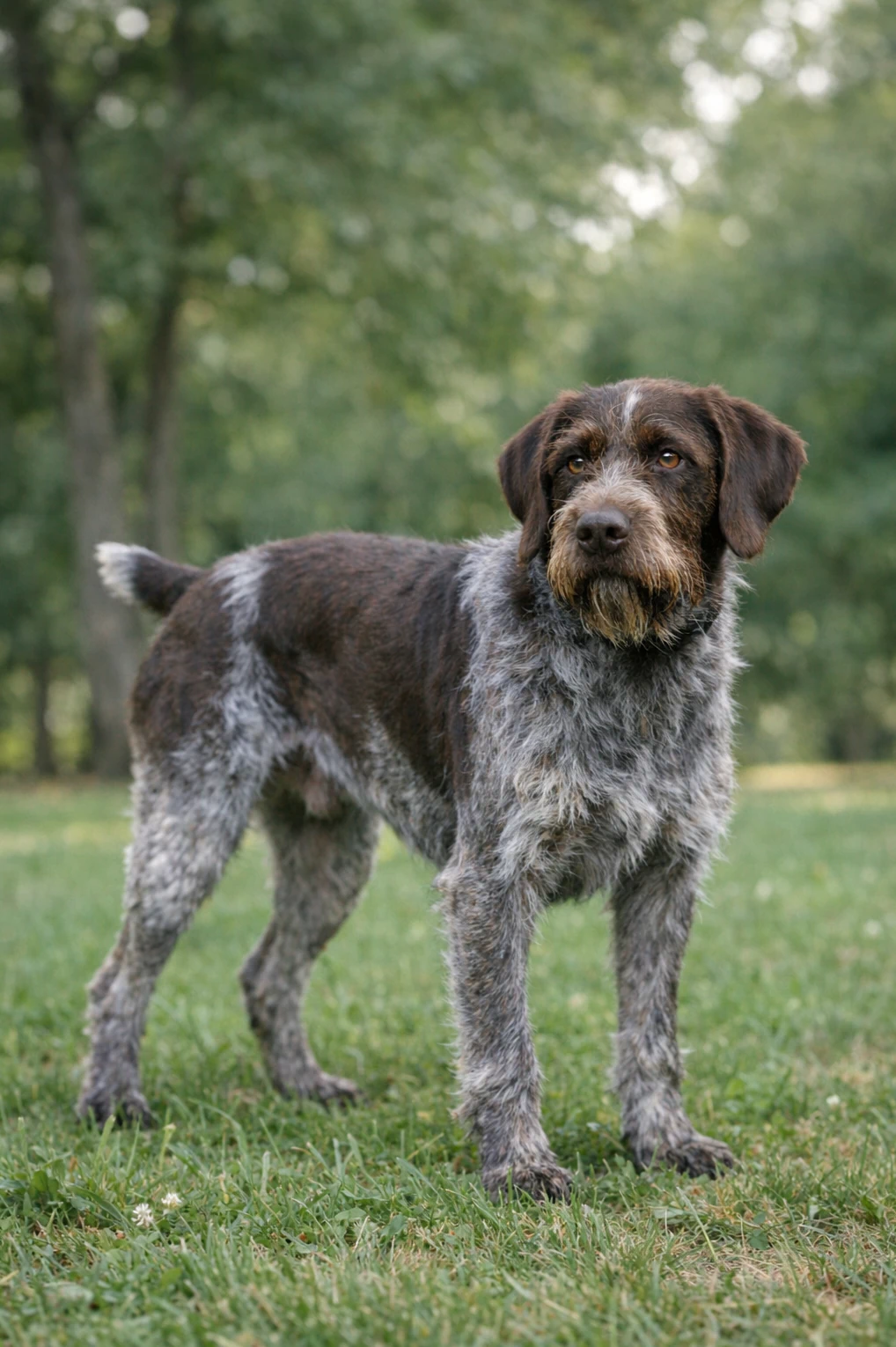
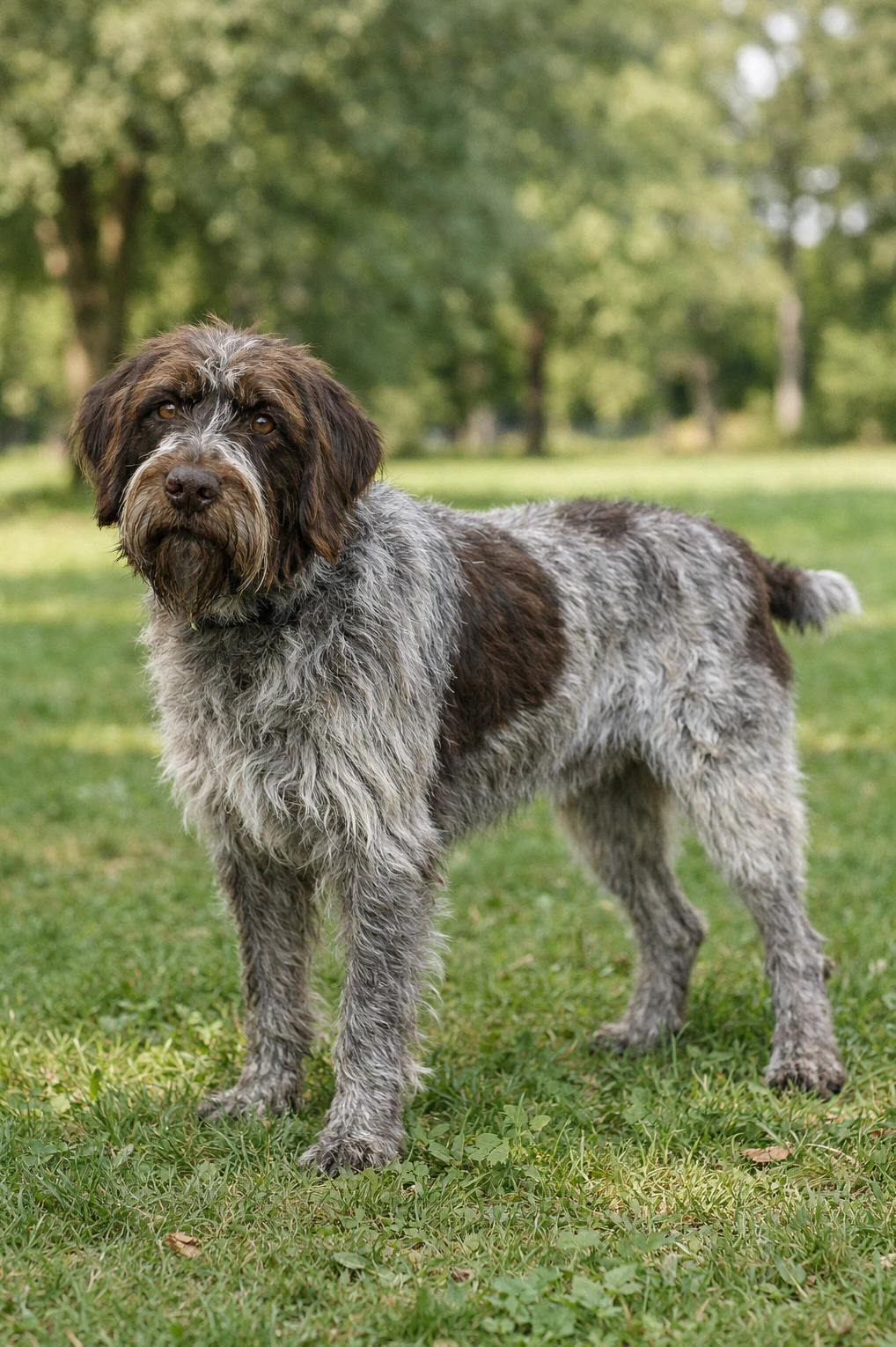
Medium large dogs stand about 22 to 24 inches and weigh 50 to 70 pounds. Sociable, faithful and quick learners thrive on a balanced, protein-rich diet with sensible portions. Nutritional Verdict: steady support.
Understanding the Wirehaired Pointing Griffon Metabolism and Energy Needs
These medium-sized gun dogs were shaped to find and flush game, then hold steady until their handler arrived. Their daily routine naturally combines bursts of high-intensity activity with steady scent-work, so their food must support both lean muscle and ongoing stamina.
A protein-forward plan helps maintain strong muscle and speeds recovery after training, so aim for a diet richer in high-quality animal protein, balanced with moderate healthy fats to fuel endurance and protect sensitive skin and a dense coat. Carbohydrates should be digestible and kept moderate, to provide steady mental focus without excess weight.
Targeted supplements can make a real difference, especially omega fatty acids for skin and coat health, joint-support compounds for active joints, and antioxidant vitamins to help recovery and immune resilience. Small adjustments in portions and ingredient quality match this dog’s active, people-oriented lifestyle.
Managing Wirehaired Pointing Griffon Genetic Health Risks Through Nutrition
Hip Dysplasia
Helpful nutrients
Eye Disorders (PRA, Cataracts)
Helpful nutrients
Skin & Coat Issues
Helpful nutrients
Ear Infections
Helpful nutrients
Hypothyroidism
Helpful nutrients
Obesity & Weight Management
Helpful nutrients
Wirehaired Pointing Griffon Feeding & Calorie Calculator
Estimated Daily Calories
Tip: Start with this amount and adjust after 2–3 weeks based on your dog's body condition and weight trend.
This estimate provides a starting point for feeding. Individual calorie needs may vary depending on metabolism, body condition, and health status. Always monitor your dog's weight and consult your veterinarian when adjusting diet.
Foods and Ingredients to Avoid for Wirehaired Pointing Griffon Dogs
Wirehaired Pointing Griffons are active, muscular dogs, but excess fat in the diet can still cause problems like rapid weight gain and pancreatitis.
Rich table scraps, fried foods, and fatty meat trimmings add calories without supporting lean muscle or stamina, and extra body weight puts more stress on joints during runs or walks.
Stick to measured portions of high-quality, lean protein and healthy fats to support energy needs without overloading the pancreas or adding unnecessary pounds.
This hunting breed enjoys vigorous exercise, so large meals right before or after intense activity can increase the risk of digestive upset and, for deep-chested dogs, contribute to bloat.
Feed smaller, well-timed meals with a calm rest period before energetic play or field work to reduce strain on the stomach and improve digestion.
Regular feeding schedules and portion control help maintain steady energy for training and outings without sudden fullness or discomfort.
Cooked bones can splinter and sharp fragments may cause mouth injuries, intestinal blockages, or perforations, which is especially risky for a strong chewer like a Griffon.
Small hard bones and brittle chews also threaten dental fractures or choking, and emergency surgery is sometimes needed to correct damage.
Offer safe, appropriately sized chew toys or raw, vetted alternatives and supervise chewing so you can protect teeth and digestive health while satisfying natural chewing instincts.
Xylitol, found in sugar-free gum, some peanut butters, and baked goods, is highly toxic to dogs and can cause a dangerous drop in blood sugar and liver damage even in moderate amounts.
Other artificial sweeteners may upset digestion or lead to long-term health concerns, so avoid sharing human treats that list sugar substitutes.
Always check ingredient labels before offering snacks, and choose dog-safe treats that support steady energy and recovery after activity.
Grapes, raisins, and currants can cause sudden kidney dysfunction in some dogs and should never be offered, regardless of breed size or activity level.
Even small amounts have led to serious illness in individual dogs, so it is safer to keep these fruits completely out of reach.
If you want to share fruit as a treat, choose dog-safe options like small pieces of apple or banana in moderation, and avoid seeds and pits.
For puppies destined to reach 50 to 70 pounds as adults, too much calcium or overly rich puppy formulas can accelerate bone growth and increase the risk of orthopedic problems later on.
If you are feeding a large-breed puppy, use diets formulated for large-breed growth and follow feeding guidelines rather than free-feeding high-calcium supplements.
Consulting your veterinarian about the right balance of calcium, phosphorus, and calories during growth helps protect joints and long-term mobility.
How Nutritional Needs Change Throughout the Wirehaired Pointing Griffon Life Stages
Dogs need different nutrition as they move from playful puppyhood through steady adulthood to gentle senior years. A Wirehaired Pointing Griffon's needs reflect its large size, steady growth rate and active temperament, and they are shaped by activity level, breed traits and common health tendencies. Tailoring calories, protein and key nutrients helps support growth, performance and healthy aging.
| Life Stage | Age Range | Primary Objective | Key Nutrient Focus |
|---|---|---|---|
| Puppy | 0–15 months | controlled skeletal development, immune support, brain development | DHA, balanced calcium/phosphorus, high-quality protein |
| Adult | 1.5–6 years | lean muscle maintenance and sustained energy | high-quality protein, omega-3 fatty acids, fiber |
| Senior | 6+ years | joint mobility, metabolic health, and cognitive support | glucosamine, chondroitin, antioxidants, lower calories |
Wirehaired Pointing Griffon puppies grow into large, energetic adults, so their early diet should support steady skeletal development without encouraging overly rapid weight gain. Controlled calories and a balanced calcium to phosphorus ratio help protect growing joints, while high quality protein and essential fatty acids, including DHA, support muscle and brain development.
Frequent, smaller meals help keep energy steady and prevent bloating in deep-chested pups. Because Griffon puppies are active and trainable, they benefit from nutrient-dense food that matches their play and learning. Monitor body condition and adjust portions as growth slows, and consult your veterinarian about breed-specific supplements or feeding schedules, especially during rapid growth phases.
As an adult, a Wirehaired Pointing Griffon needs a diet that maintains lean muscle and fuels an active lifestyle. Aim for high quality protein to preserve muscle mass, moderate fats for sustained energy, and digestible carbohydrates to support endurance during walks, hunting or play. Portion control and regular feeding times help prevent weight gain in this large, energetic breed.
Lifestyle matters, so adjust calories and activity to match hunting days, training sessions or quieter weeks. Include joint-friendly nutrients like omega-3s, and remember routine weight and body condition checks. Feeding a stable, balanced formula suited to large, active breeds helps keep your Griffon fit and ready for family adventures.
Senior Wirehaired Pointing Griffons often show slower metabolism, reduced activity and changes in digestion, so nutrition should adapt to keep them comfortable and healthy. Slightly lower calories and controlled fat can prevent unwanted weight gain, while maintaining high quality, easily digestible protein helps preserve lean mass. Increased fiber and smaller meals can ease digestion, and softer kibble or wet food may help if dental wear appears.
Joint support becomes important for a large, aging breed, so look for omega-3 fatty acids, glucosamine and chondroitin, and include antioxidant-rich ingredients like vitamin E and bright-colored fruits or vegetables to support cellular health. Regular vet checkups will guide portion adjustments and any necessary supplements to maintain mobility and quality of life.
Kibble vs Fresh vs Raw for Wirehaired Pointing Griffon
Different feeding models suit different lifestyles and activity levels. Wirehaired Pointing Griffons are active, devoted, and thrive on protein-rich diets that support energy and a healthy coat.
Pros
- Convenient and easy to portion for busy owners.
- Formulas for active breeds provide concentrated protein and calories.
- Crunching kibble can help reduce tartar on medium-sized teeth.
- Stable shelf life and simple storage suit frequent training trips.
Cons
- Some kibbles contain fillers that add unnecessary calories.
- Lower moisture content may not suit dogs after long activity.
- Quality varies, so careful label reading is important.
Pros
- Highly palatable for picky eaters or dogs recovering from illness.
- High moisture supports hydration and softer stools after heavy exercise.
- Easily adjusted to control calories for weight and activity levels.
- Full ingredient control helps support skin and wiry coat health.
Cons
- Requires careful recipe balance to meet all essential nutrients.
- More time and refrigeration are needed compared with kibble.
- Costs can be higher, especially for large, active dogs.
Pros
- May improve coat texture and shine in some dogs.
- High protein and unprocessed ingredients suit active hunting breeds.
- Can be tailored to support sustained energy for long fieldwork.
Cons
- Strict hygiene is essential to avoid bacterial risks to family and dog.
- Raw bones can cause choking or dental injuries for some dogs.
- Balancing vitamins and minerals often needs veterinary or nutritionist input.
- Handling and prep time may be impractical for busy owners.
| Diet Type | Pros for Wirehaired Pointing Griffon | Potential Downsides |
|---|---|---|
| High-Quality Kibble |
|
|
| Fresh Cooked Food |
|
|
| Raw Diet (BARF) |
|
|
Our Recommendation
For most Wirehaired Pointing Griffons, a high-quality kibble formulated for active, medium breeds offers a reliable nutritional base.
Fresh cooked meals or carefully planned raw diets can boost coat health and palatability, if time and veterinary guidance allow.
See Also
Breeds with similar group, size, and coat characteristics