Best Dog Food for Chinese Shar-Pei in 2026Based on Nutritional Science
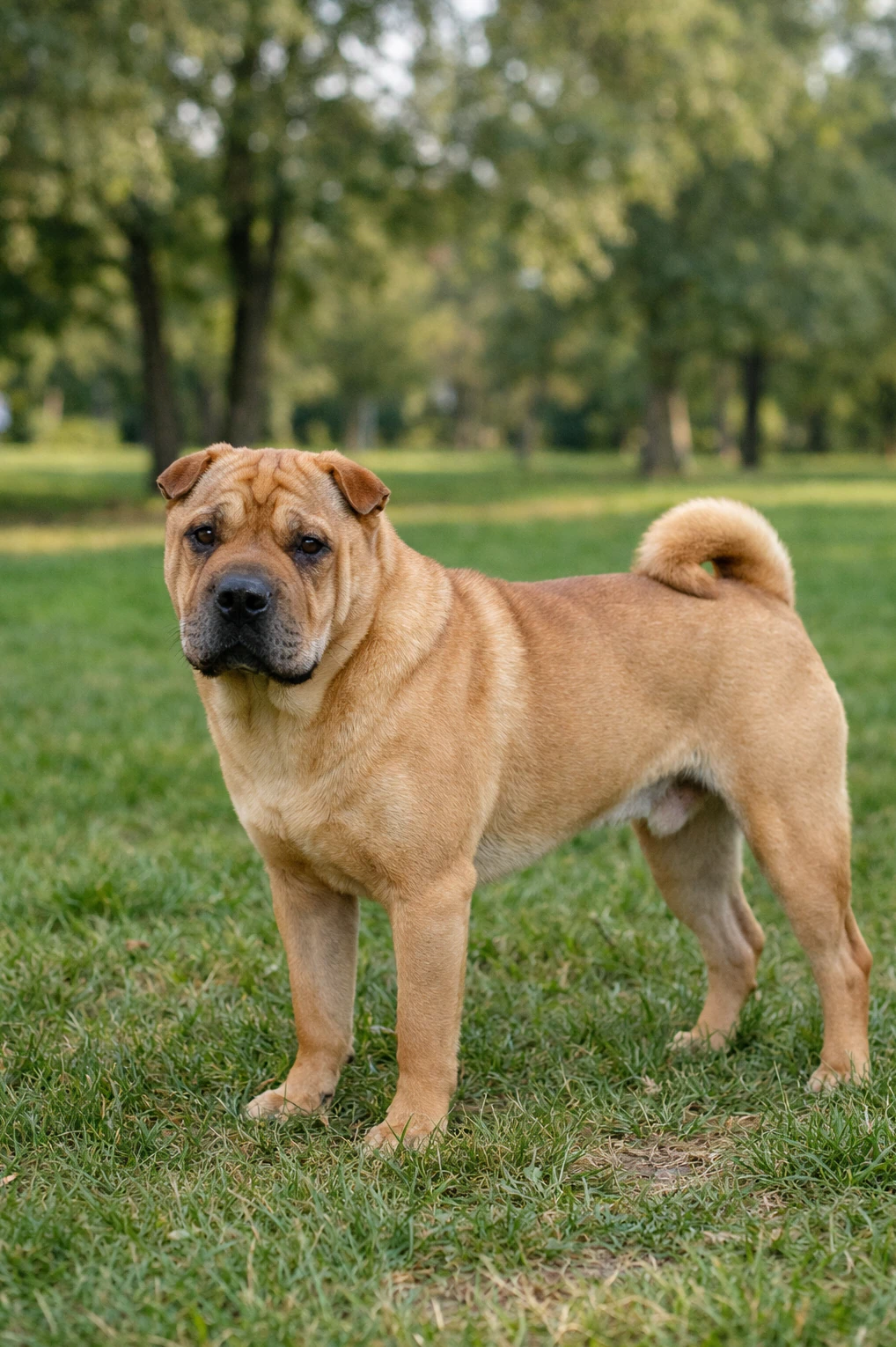
Compact yet sturdy at 18 to 20 inches and 45 to 60 pounds, this breed is self-reliant, devoted, and relaxed. Nutritional Verdict: balanced protein and joint-support nutrients keep this wrinkled companion thriving.
Understanding the Chinese Shar-Pei Metabolism and Energy Needs
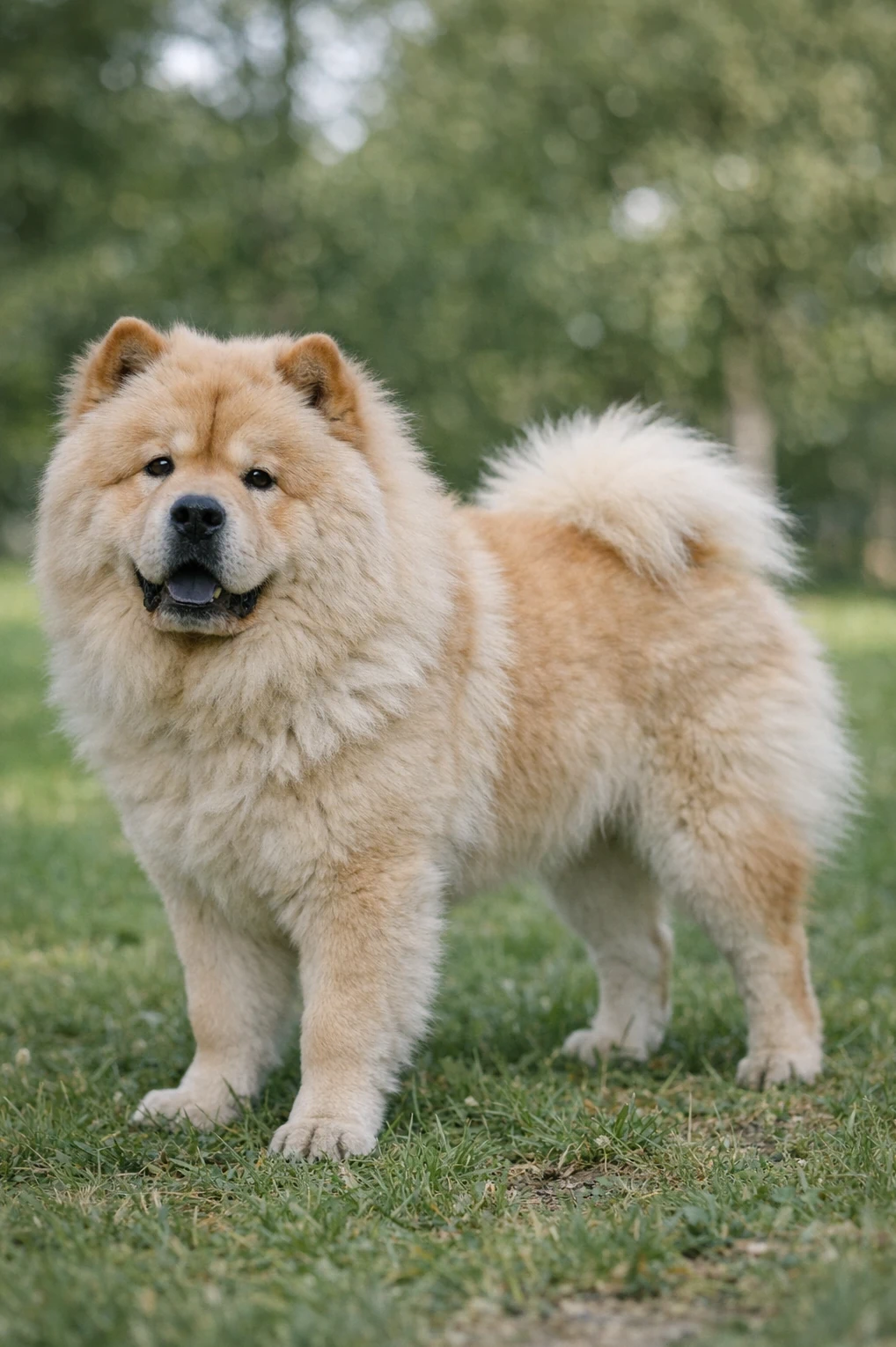
This compact, wrinkled guardian from southern China was developed to watch over farms and endure tough conditions. Its self-reliant, devoted, and composed temperament means it has steady energy with occasional bursts of power, so nutrition should support endurance, tissue repair, and calm metabolism.
A nutrition plan emphasizing high-quality animal protein helps maintain firm muscles and supports the connective tissues around heavy skin folds, while moderate healthy fats provide sustained fuel and nourish the skin. Limited, low-glycemic carbohydrates help prevent unwanted weight gain, and specific supplements like fish oil for omega-3s, zinc and vitamin E for skin integrity, plus chondroitin or glucosamine for joint support, address common structural and dermatological needs.
Choosing digestible proteins such as chicken, fish or eggs, along with controlled portions of whole-vegetable or grain carbohydrates, keeps energy steady without excess calories. Regular weight checks and veterinary guidance ensure the balance matches each dog's activity and health history.
Managing Chinese Shar-Pei Genetic Health Risks Through Nutrition
Eye Disorders (entropion, glaucoma, retinal dysplasia, SARDS)
Helpful nutrients
Skin Disorders
Helpful nutrients
Immune-mediated Disorders
Helpful nutrients
Gastrointestinal Disorders
Helpful nutrients
Musculoskeletal Disorders
Helpful nutrients
Cardiovascular Disorders
Helpful nutrients
Respiratory Disorders
Helpful nutrients
Certain Cancers
Helpful nutrients
Obesity
Helpful nutrients
Chinese Shar-Pei Feeding & Calorie Calculator
Estimated Daily Calories
Tip: Start with this amount and adjust after 2–3 weeks based on your dog's body condition and weight trend.
This estimate provides a starting point for feeding. Individual calorie needs may vary depending on metabolism, body condition, and health status. Always monitor your dog's weight and consult your veterinarian when adjusting diet.
Foods and Ingredients to Avoid for Chinese Shar-Pei Dogs
Shar-Pei can be prone to weight gain, and diets high in fat increase the risk of obesity and pancreatitis, both of which make joint and back problems worse.
Excess body weight also adds strain to the heart and respiratory system, which this breed can already be sensitive to.
Choose lean protein sources and avoid fatty table scraps, fried foods, and greasy leftovers.
If you are concerned about weight or fat tolerance, check portion sizes and consult your veterinarian to tailor fat levels for your dog's age and activity.
Cooked bones splinter easily and can cause choking, tears, blockages, or perforations in the mouth and digestive tract, creating painful and potentially life threatening emergencies.
Shar-Pei may be stoic, so signs of trouble can be subtle until the issue is advanced.
Skip cooked bones entirely and offer safe, size-appropriate chew alternatives approved by your vet.
If you suspect bone ingestion, seek veterinary care promptly rather than waiting for clear symptoms.
Raw diets can carry bacteria like Salmonella and E. coli, which are a bigger concern for breeds prone to immune or gastrointestinal issues.
Feeding raw also makes it harder to ensure consistent, balanced nutrition, which is essential for a medium sized dog like a Shar-Pei with specific health predispositions.
If you are considering raw feeding, discuss it with your veterinarian or a veterinary nutritionist first, and follow strict food safety and balancing protocols to reduce infection risk and nutrient gaps.
Diets that rely heavily on peas, lentils, and other legumes in place of grains have been associated with heart muscle problems in some dogs.
Since Chinese Shar-Pei can have cardiovascular sensitivities, it is wise to be cautious with long term, legume-dense grain free formulas.
Look for complete diets that meet AAFCO standards and discuss cardiac risks with your veterinarian before committing to a grain free brand, especially if your dog has any history of heart concerns.
Foods that are salty or heavily seasoned can worsen cardiovascular and kidney stress, and they can lead to excessive thirst and water retention.
Processed human foods like deli meats, chips, and many snacks also tend to be calorie dense, promoting weight gain that stresses joints and the heart.
Avoid feeding seasoned leftovers and snacks, and stick to low sodium, dog-formulated treats.
Always ensure fresh water is available and consult your veterinarian if you notice changes in drinking, urination, or breathing.
Shar-Pei often have sensitive skin and can show allergic or irritating reactions to additives like artificial colors, flavors, and some preservatives.
These ingredients can contribute to itchy skin, digestive upset, or flare ups of underlying immune related conditions in sensitive dogs.
Choose diets with limited, named ingredients and natural preservation when possible, and work with your veterinarian if you suspect a food sensitivity so you can trial an appropriate hypoallergenic diet safely.
How Nutritional Needs Change Throughout the Chinese Shar-Pei Life Stages
Dogs have changing nutritional needs at puppyhood, adulthood, and the senior years, and that is especially true for Chinese Shar-Pei. Breed size, growth rate, activity level, and common health tendencies such as skin, eye, and gastrointestinal issues all influence how much and what to feed at each stage. Knowing these shifts helps you choose the right balance of calories, protein, fats, vitamins, and minerals to support growth, maintain health, and manage age-related changes.
| Life Stage | Age Range | Primary Objective | Key Nutrient Focus |
|---|---|---|---|
| Puppy | 0–15 months | controlled skeletal development, immune support, brain development | DHA, balanced calcium/phosphorus, high-quality protein |
| Adult | 1.5–6 years | lean muscle maintenance and sustained energy | high-quality protein, omega-3 fatty acids, fiber |
| Senior | 6+ years | joint mobility, metabolic health, and cognitive support | glucosamine, chondroitin, antioxidants, lower calories |
Chinese Shar-Pei puppies grow into a fairly large, solid-bodied dog, so a steady, controlled growth rate is important to protect developing joints and the skeleton. Focus on complete, balanced puppy formulas made for large breeds that offer moderate calories, high-quality protein, appropriate calcium and phosphorus ratios, and DHA for brain and eye development.
Feed small, frequent meals as puppies, moving from three to four feedings a day in the first months down to two by around six to eight months, depending on your vet's guidance. Because Shar-Pei can have sensitive skin and digestion, include good sources of omega-3s, digestible proteins, and consider probiotics or limited-ingredient diets if gastrointestinal or skin issues arise.
Adult Chinese Shar-Pei do best on a diet that supports lean muscle while matching their calm to moderate activity level, so aim for consistent, high-quality protein with moderate fat and controlled calories to prevent weight gain. Balanced formulas with omega fatty acids support skin health and a reasonable level of joint-support nutrients can help a breed prone to musculoskeletal concerns maintain mobility.
Adjust portion size based on daily activity, age, and whether your dog is more independent or active on outings, and keep an eye on body condition rather than relying only on feeding guidelines. Regular monitoring of weight, skin, and eye health with your vet will help you tweak diet and supplements, and including fiber and probiotics can aid digestion for dogs with sensitive GI systems.
Senior Chinese Shar-Pei often show slower metabolism and may lose muscle while gaining fat, so adjust calories downward while keeping protein high quality to preserve lean mass. Choose easily digestible foods with joint-support nutrients, extra omega-3s for skin and inflammation control, and antioxidants such as vitamin E and beta-carotene to support eye and immune health in a breed prone to ocular and immune issues.
Smaller, more frequent meals can ease digestion, and softer textures may help dogs with dental wear. Regular veterinary checks for mobility, weight, eyes, and skin will guide calorie changes and whether targeted supplements or prescription diets are needed for comfort and long-term health.
Kibble vs Fresh vs Raw for Chinese Shar-Pei
Different feeding models suit different lifestyles, routines, and health needs. For the Chinese Shar-Pei, choose a plan that respects their skin, eyes, digestion, and independent personality.
Pros
- Convenient and easy to portion for busy owners.
- Formulas exist for skin sensitivities and joint support.
- Consistent, balanced nutrition helps manage breed-specific health risks.
- Dry kibble can help reduce tartar buildup with chewing.
Cons
- Lower moisture can be hard on hydration or sensitive kidneys.
- Some recipes contain fillers or common allergens affecting skin.
- Calorie-dense formulas risk weight gain without tight portion control.
- May not suit picky eaters who prefer fresh textures.
Pros
- High moisture supports hydration and often eases digestion.
- Easier to avoid common allergens and tailor ingredients.
- Highly palatable, good for picky or low-appetite dogs.
- Useful for dogs recovering from gastrointestinal issues with veterinary guidance.
Cons
- Requires careful supplementation to meet complete nutritional needs.
- More time consuming and usually more expensive than kibble.
- Improper recipes can worsen immune or skin conditions.
- Needs refrigeration and planning for safe storage.
Pros
- High protein, minimally processed food can boost energy.
- Some owners report shinier coats and improved stool quality.
- Full ingredient control may help dogs with specific sensitivities.
Cons
- Bacterial contamination risk can be serious for dogs and humans.
- Unbalanced recipes may worsen eye, immune, or skin disorders.
- Bones pose choking and gastrointestinal injury hazards.
- Requires strict hygiene and veterinary guidance for safety.
| Diet Type | Pros for Chinese Shar-Pei | Potential Downsides |
|---|---|---|
| High-Quality Kibble |
|
|
| Fresh Cooked Food |
|
|
| Raw Diet (BARF) |
|
|
Our Recommendation
For most Chinese Shar-Pei, high-quality kibble formulated for skin and weight control is a practical daily choice.
Fresh cooked diets work well for dogs with food sensitivities when balanced with veterinary input.
Raw diets can be considered, but only under strict veterinary supervision due to breed health risks.
See Also
Breeds with similar group, size, and coat characteristics