Best Dog Food for Lhasa Apso in 2026Based on Nutritional Science
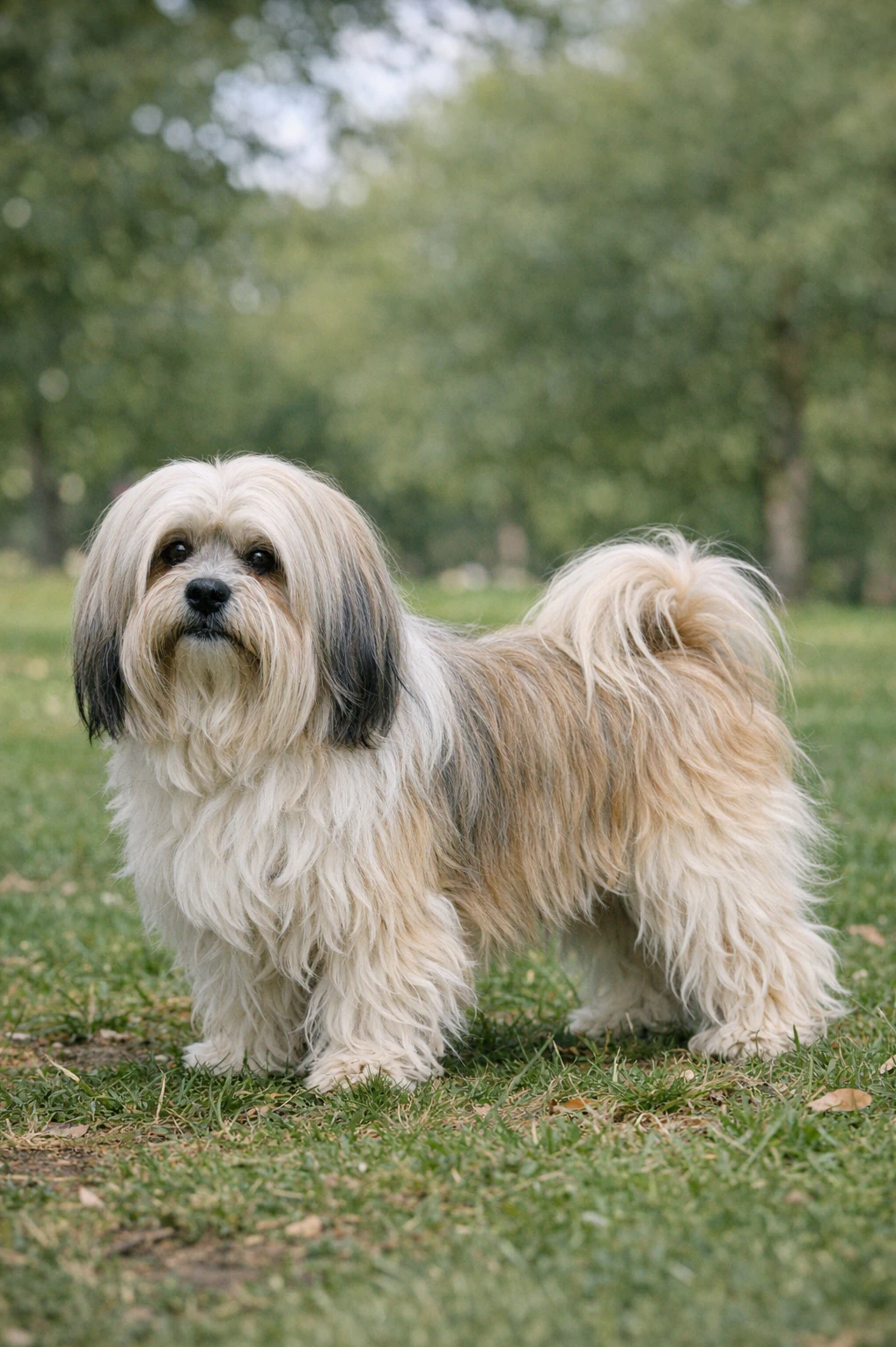
Compact Lhasa Apso males stand about 10-11 inches and weigh 12-18 pounds. They're poised, bright, and delightfully playful. Nutritional verdict: a balanced, high-quality diet supports energy, skin health, and a glossy long coat.
Understanding the Lhasa Apso Metabolism and Energy Needs
As a compact Tibetan companion bred to keep watch and entertain, this little dog mixes independence with sharp problem solving and a playful streak. That combination calls for a diet that supports steady mental focus, a strong lean body, and a dense, healthy coat.
High-quality protein is important to preserve muscle and supply brain-friendly amino acids, so ingredients like chicken or fish are good choices. Moderate, well-sourced fats give concentrated energy and help keep the long, silky coat shiny, while omega-3s support skin and cognitive health. Complex, low-glycemic carbohydrates such as sweet potato provide steady fuel without promoting weight gain. Gentle fiber and probiotics aid digestion, and joint-support nutrients like glucosamine can be helpful as the dog ages. Careful portion control matches lower activity levels and keeps body condition ideal.
Managing Lhasa Apso Genetic Health Risks Through Nutrition
Eye Problems (PRA, Cataracts)
Helpful nutrients
Patellar Luxation
Helpful nutrients
Hip Dysplasia
Helpful nutrients
Dental Disease (Periodontal Disease)
Helpful nutrients
Skin Allergies & Irritation
Helpful nutrients
Obesity
Helpful nutrients
Kidney Health (Renal Support)
Helpful nutrients
Lhasa Apso Feeding & Calorie Calculator
Estimated Daily Calories
Tip: Start with this amount and adjust after 2–3 weeks based on your dog's body condition and weight trend.
This estimate provides a starting point for feeding. Individual calorie needs may vary depending on metabolism, body condition, and health status. Always monitor your dog's weight and consult your veterinarian when adjusting diet.
Foods and Ingredients to Avoid for Lhasa Apso Dogs
Because Lhasa Apsos are small, weighing about 12 to 18 pounds, they can gain weight quickly if fed high-fat foods and table scraps.
Excess fat adds calories fast and raises the risk of obesity, which puts extra stress on their joints and spine.
High-fat meals also increase the chance of pancreatitis, a painful and potentially serious condition in small breeds.
Stick to lean protein, measured portions, and limited fatty treats to keep their weight steady and digestion calm.
Chocolate and caffeinated products contain theobromine and caffeine, which are toxic to dogs and especially dangerous for small breeds like the Lhasa Apsos.
Even a small amount can cause rapid heart rate, tremors, vomiting, and in severe cases seizures, due to their low body weight.
Because their mass is small, toxic doses are reached with much smaller quantities than for larger dogs.
Keep all chocolate, coffee, tea, and energy drinks well out of reach and remind guests not to offer snacks.
Grapes and raisins can cause sudden kidney failure in dogs, and onions and garlic damage red blood cells, leading to anemia.
Small breeds can show serious effects after smaller amounts, so it is safest to avoid these foods entirely.
Even cooked or powdered forms can be harmful, so check labels on baby food, sauces, and seasonings.
If you suspect your Lhasa Apso has eaten any of these, contact your veterinarian promptly because early treatment improves outcomes.
Xylitol, found in sugar-free gum, some peanut butters, and low-sugar baked goods, triggers a rapid insulin release in dogs, causing dangerous hypoglycemia.
Small Lhasa Apsos are especially at risk because very small amounts can lower blood sugar quickly and lead to weakness or collapse.
Xylitol can also cause liver damage at higher doses, so always read ingredient lists and avoid products labeled sugar-free.
If you believe your dog swallowed xylitol, seek emergency veterinary care right away.
Cooked bones can splinter and cause mouth injuries, intestinal tears, or blockages, and very hard chews can fracture small dogs' teeth.
Lhasa Apsos often have dental concerns and relatively small jaws, making them more vulnerable to these hazards.
Choose appropriately sized, softer dental chews or vet-recommended toys and supervise chewing sessions.
If you notice choking, gagging, blood, or broken teeth after chewing, contact your veterinarian for guidance.
Many Lhasa Apsos are prone to skin sensitivities and digestive upset, so artificial preservatives, colors, and flavors can trigger itching, rashes, or stomach problems.
Ingredients like BHA, BHT, and artificial dyes are common culprits in food reactions and can make skin and coat issues worse.
Opting for whole-food ingredients and naturally preserved diets can reduce flare-ups and help keep their coat healthy.
If your dog shows recurring itchiness or tummy troubles, a vet or nutritionist can help identify dietary triggers.
How Nutritional Needs Change Throughout the Lhasa Apso Life Stages
Like all dogs, Lhasa Apsos need changing nutrition as they move from puppyhood to adulthood to their senior years. Growth, activity level, and breed-specific tendencies influence how much and what types of nutrients they need for healthy development and maintenance.
Because Lhasa Apsos are a small, confident and often lively breed with a long silky coat, thoughtful feeding supports skeletal strength, a glossy coat, and long-term wellness.
| Life Stage | Age Range | Primary Objective | Key Nutrient Focus |
|---|---|---|---|
| Puppy | 0–10 months | controlled skeletal development, immune support, brain development | DHA, balanced calcium/phosphorus, high-quality protein |
| Adult | 10 months–8 years | lean muscle maintenance and sustained energy | high-quality protein, omega-3 fatty acids, fiber |
| Senior | 8+ years | joint mobility, metabolic health, and cognitive support | glucosamine, chondroitin, antioxidants, lower calories |
Puppyhood in Lhasa Apsos is a period of quick maturation, usually reaching adult size earlier than larger breeds. Their skeleton and joints finish forming fast, so balanced calcium and phosphorus, along with high-quality protein, support healthy bone and muscle development. Small size means they need calorie-dense, nutrient-rich meals to fuel growth without overfeeding calories. Frequent meals, typically three to four times daily, help keep blood sugar steady and accommodate tiny stomachs.
Include essential fatty acids like DHA for brain and coat development, and antioxidants to support immune growth. Monitor weight and dental development, since small breeds can develop crowded teeth, and adjust portions as growth slows.
As adults, Lhasa Apsos require a diet that maintains lean muscle and steady energy while supporting a lustrous, long coat. Aim for moderate to high-quality protein to preserve muscle mass, and controlled fat for energy without excess calories. Because small breeds burn energy faster but have smaller stomachs, two measured meals per day usually work well, paired with portion control to prevent weight gain. Match intake to activity level, which for Lhasas tends to be playful indoors with short bursts of energy rather than marathon exercise.
Include omega-3 and omega-6 fatty acids for skin and coat health, and consider easily digestible carbohydrates or fiber to support steady digestion. Regular dental care and monitoring body condition helps adjust calories and keep your compact companion fit.
As Lhasa Apsos enter their senior years their metabolism may slow and activity levels often decline, so calorie needs commonly drop. Older dogs can lose muscle if protein is insufficient, so keep protein high-quality and easily digestible to preserve lean mass. Joint stiffness or mobility issues may appear, and small breeds can benefit from joint-support nutrients and gentle, low-impact exercise tailored to their confidence and playful nature.
Introduce antioxidants like vitamin E and C to support cellular health, along with omega-3s to help inflammation and skin condition. Moderating calories, increasing fiber for digestion, and offering softer textures for teeth or appetite changes helps keep seniors comfortable while maintaining a healthy weight.
Kibble vs Fresh vs Raw for Lhasa Apso
Different feeding models suit different lifestyles and dog personalities. For a confident, silky-coated Lhasa Apso, diet choice should match activity, grooming needs, and your time.
Pros
- Convenient and easy to portion for busy owners.
- Small-breed formulas fit their tiny mouths and energy needs.
- Crunch helps reduce tartar buildup between brushings.
- Many formulas include omega fats to support silky coat.
Cons
- Lower moisture content may require extra water or wet toppers.
- Some brands use fillers that add unnecessary calories.
- Poor-quality kibble can worsen skin or coat in sensitive dogs.
- Overfeeding calorie-dense kibble risks weight gain in low-activity pets.
Pros
- Highly palatable, great for picky Lhasa Apsos.
- High moisture supports digestion and hydration.
- Easier to tailor for allergies or coat-supporting nutrients.
- Warm textures can be comforting for small dogs.
Cons
- Requires careful recipes to ensure complete nutrition.
- Meal prep and refrigeration take time and planning.
- More expensive than kibble over months.
- Inconsistent feeding can upset sensitive stomachs.
Pros
- May increase protein variety for energetic, playful dogs.
- Owners report shinier coats when diets include balanced fats.
- Whole foods can be very palatable for small, confident eaters.
Cons
- Higher bacterial risk unless prepared and stored hygienically.
- Small bones pose choking and dental fracture hazards.
- Requires veterinary planning to avoid nutrient imbalances.
- Can be costly and time consuming to maintain safely.
| Diet Type | Pros for Lhasa Apso | Potential Downsides |
|---|---|---|
| High-Quality Kibble |
|
|
| Fresh Cooked Food |
|
|
| Raw Diet (BARF) |
|
|
Our Recommendation
For most Lhasa Apsos, a high-quality small-breed kibble is a reliable everyday choice, offering convenience and weight control.
Fresh cooked meals work well for picky dogs or coat support when balanced, while raw feeding is best only for experienced owners with veterinary guidance.
See Also
Breeds with similar group, size, and coat characteristics