Best Dog Food for Löwchen in 2026Based on Nutritional Science
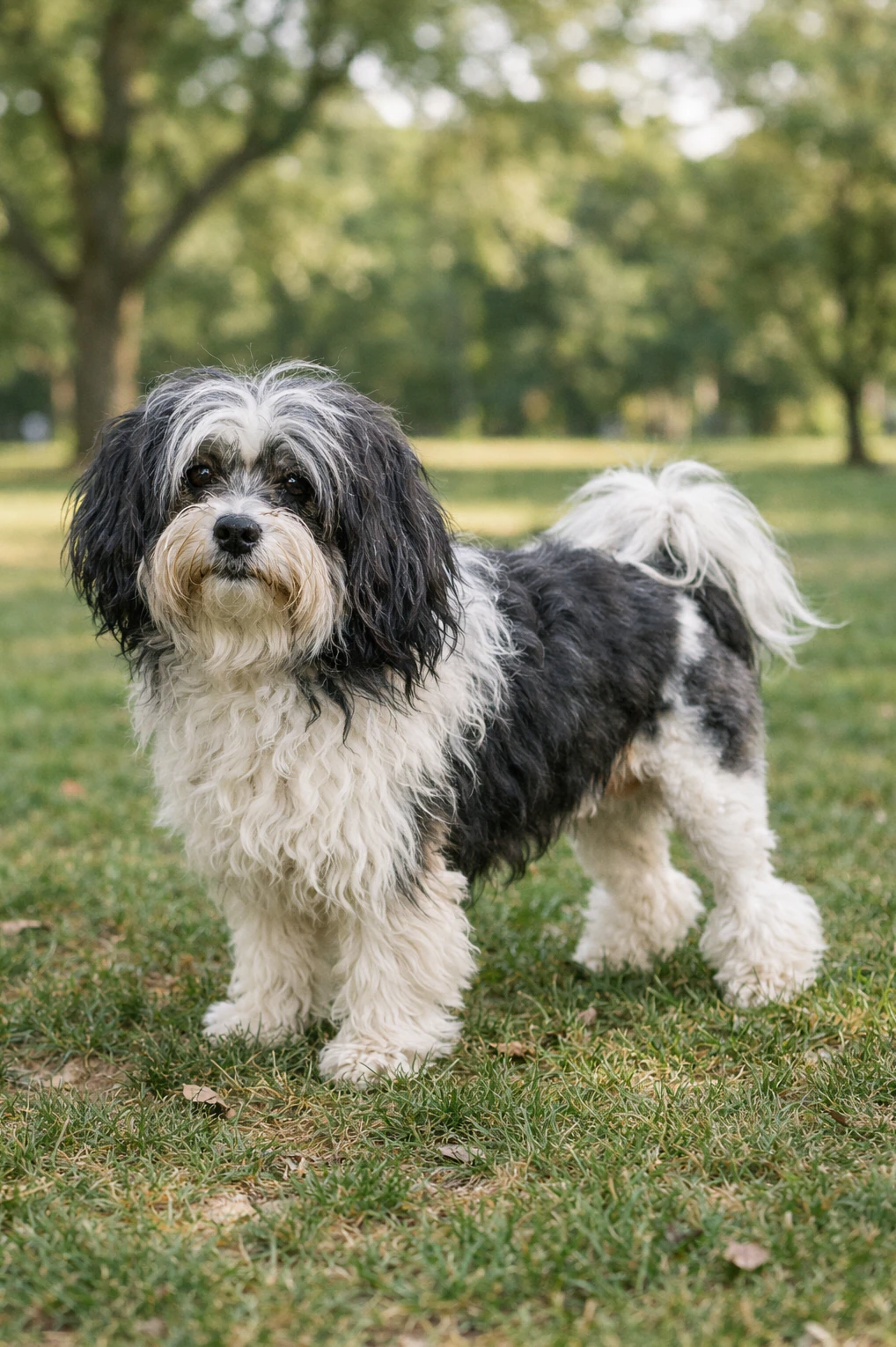
Löwchen are small and sturdy, about 12 to 14 inches tall and around 15 pounds, loving, sociable, and cheerful companions. Nutritional verdict: feed a high-quality, small-breed balanced diet with portion control and healthy fats.
Understanding the Löwchen Metabolism and Energy Needs
This small companion with a showy past and a joyful, people-focused nature needs food that matches its lively social habits and compact build. Short bursts of activity and close family time mean it benefits from steady energy and nutrients that protect lean mass and keep skin and coat glossy.
A formula leaning toward higher quality protein helps preserve muscle and supports an energetic metabolism, while moderate healthy fats supply concentrated calories and nourish the coat, with fish oil or flax providing omega-3s for skin and brain health. Easily digested carbohydrates, like sweet potato or brown rice, offer gentle, sustained fuel and helpful fiber for digestion.
Because smaller dogs can be prone to muscle loss and wear on joints as they age, supplements such as glucosamine and antioxidants can be useful, alongside smaller, calorie-dense servings that meet needs without overfeeding.
Managing Löwchen Genetic Health Risks Through Nutrition
Hip Dysplasia
Helpful nutrients
Patellar Luxation (slipped stifle)
Helpful nutrients
Cataracts
Helpful nutrients
Progressive Retinal Atrophy (PRA)
Helpful nutrients
Obesity / Overweight
Helpful nutrients
Löwchen Feeding & Calorie Calculator
Estimated Daily Calories
Tip: Start with this amount and adjust after 2–3 weeks based on your dog's body condition and weight trend.
This estimate provides a starting point for feeding. Individual calorie needs may vary depending on metabolism, body condition, and health status. Always monitor your dog's weight and consult your veterinarian when adjusting diet.
Foods and Ingredients to Avoid for Löwchen Dogs
Because Löwchen are small and some individuals tend to gain weight easily, fatty foods and greasy table scraps can lead to rapid weight gain and digestive upset.
Excess body weight increases stress on their hips and stifles, which can worsen joint issues like hip dysplasia and patellar luxation.
Keeping fats moderate and choosing lean protein sources helps protect joints and reduces the risk of pancreatitis.
Talk with your vet about appropriate fat levels for your dog’s age and activity.
Xylitol, often found in sugar-free gum, baked goods, and some peanut butters, is extremely toxic to dogs and can trigger life-threatening hypoglycemia and liver damage even in small amounts.
Given a Löwchen’s petite size, a tiny amount can have a serious effect quickly, so vigilance is essential.
Always check ingredient labels before offering human treats, and never give products that list xylitol or other artificial sweeteners. If ingestion is suspected, contact your veterinarian immediately.
Grapes and raisins can cause acute kidney injury in dogs, and because Löwchen are lightweight, smaller doses may be dangerous.
Other fruits with pits or seeds, like cherries and apricots, pose choking hazards and can contain toxic compounds in the pits.
Offer safe fruits in small, controlled portions after checking with your vet, and keep grapes, raisins, and stone fruit pits well out of reach.
Fresh water should always be available to help with digestion and overall health.
Onions, garlic, leeks, and chives can damage a dog’s red blood cells and lead to anemia, especially with repeated or concentrated exposure.
Even cooked or powdered forms in sauces and seasonings can be harmful over time, and a small dog like a Löwchen needs particular caution.
Avoid feeding foods containing these ingredients and be careful with leftovers and restaurant meals.
If you notice weakness, pale gums, or lethargy after exposure, contact your veterinarian right away.
Large or very hard bones, antlers, and whole nuts can be choking or intestinal blockage risks for compact breeds like the Löwchen, and they may also fracture teeth.
Fatty bone marrow can also trigger pancreatitis in sensitive dogs if consumed in excess.
Choose appropriately sized, softer chews designed for small breeds and supervise chewing sessions. If your dog shows signs of choking, vomiting, or abdominal pain, seek veterinary care promptly.
Human foods that are salty, heavily seasoned, or high in sauces can upset a Löwchen’s stomach and may contribute to dehydration or sodium-related issues in sensitive dogs.
Salted snacks and processed foods also add empty calories that can promote weight gain in a 15-pound dog.
Stick to plain, lightly cooked ingredients when sharing human food, and avoid giving salty deli meats, chips, or fast food.
If your dog has any known health conditions, check with your veterinarian before introducing new foods.
Kibble vs Fresh vs Raw for Löwchen
Different feeding models suit different lifestyles and health needs for your affectionate Lowchen.
Choosing kibble, fresh cooked food, or a raw plan depends on your routine, budget, and health priorities.
Pros
- Convenient and easy to portion for busy owners.
- Crunch helps reduce tartar buildup on small teeth.
- Consistent balanced nutrition in every serving simplifies feeding.
- Calorie-controlled formulas suit a 15-pound dog's needs.
Cons
- Dry kibble can be low in moisture for small dogs.
- Some formulas include fillers or artificial additives.
- Can be calorie-dense, increasing obesity risk without portion control.
- May not satisfy very picky Lowchen who prefer fresher flavors.
Pros
- High palatability can entice picky Lowchen to eat consistently.
- High moisture supports hydration and gentle digestion.
- You control protein sources to help manage sensitivities.
- Fresh ingredients can improve coat shine and skin health.
Cons
- Requires careful recipes to ensure calcium and nutrient balance.
- More time consuming and costly than kibble.
- Needs refrigeration and planning for small portion sizes.
- Nutritional mistakes can impact joint health in predisposed breeds.
Pros
- High-quality protein may support energy and lean muscle.
- Some owners report shinier coats and improved skin condition.
- Unprocessed ingredients can appeal to an enthusiastic eater.
- Small serving sizes are easy to tailor for a 15-pound dog.
Cons
- Higher bacterial contamination risk requires strict hygiene.
- Feeding raw bones can be dangerous for small mouths.
- Balancing calcium and phosphorus is challenging without guidance.
- Veterinary oversight is recommended for breeds with joint concerns.
| Diet Type | Pros for Löwchen | Potential Downsides |
|---|---|---|
| High-Quality Kibble |
|
|
| Fresh Cooked Food |
|
|
| Raw Diet (BARF) |
|
|
Our Recommendation
For many Lowchen, a high-quality kibble provides dependable nutrition, convenience, and dental perks.
Fresh cooked meals work well for picky dogs or coat improvements, while raw diets need strict hygiene and veterinary guidance.
See Also
Breeds with similar group, size, and coat characteristics